Port Wine Guide: What It Is and Why You Should Try It
Port is one of the world's great wines, and most people have never had a good one. Here's everything you need to know about styles, producers, and what to buy.
Port is one of those wines that people think they know but rarely understand. It gets filed away as “the sweet stuff your grandparents drink after dinner,” which is both unfair and wildly inaccurate. The best Port wines are among the most complex, age-worthy, and genuinely thrilling wines on earth. And the entry-level bottles are some of the best value in wine.
What Is Port?
Port is a fortified wine from the Douro Valley in northern Portugal. “Fortified” means grape spirit (brandy) is added during fermentation, which stops the yeast from converting all the sugar into alcohol. The result is a wine that’s both sweet and strong – typically 19-22% ABV – with natural grape sweetness preserved.
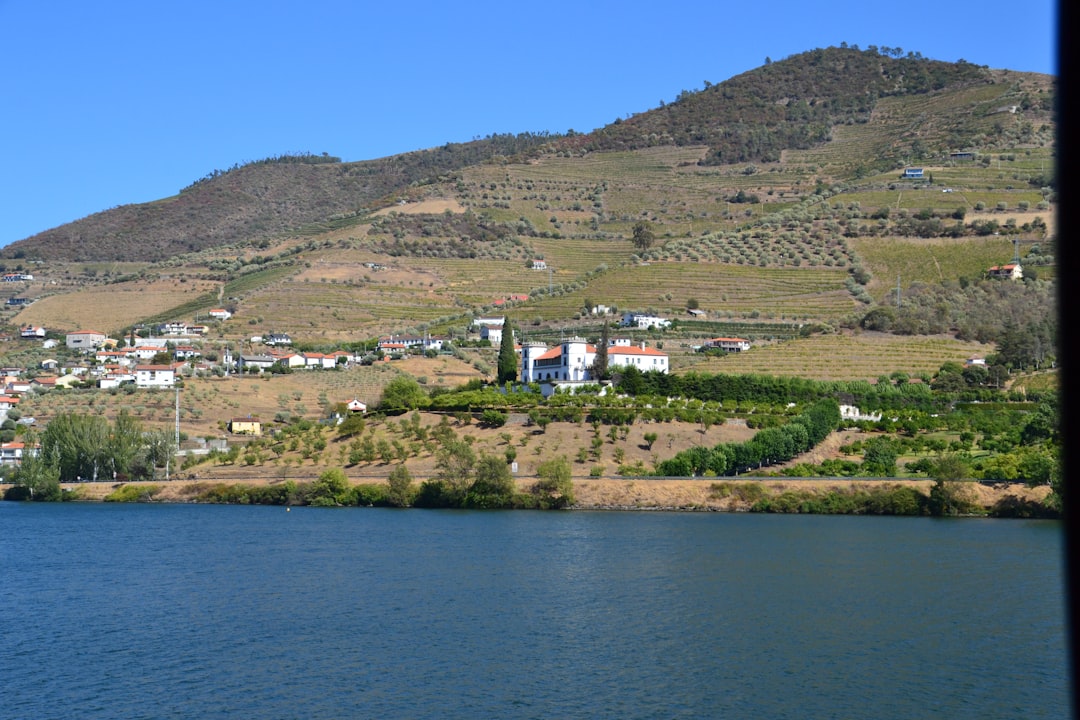
The Douro Valley itself is stunning: dramatically terraced vineyards carved into steep schist hillsides along the Douro River. The region is one of the world’s oldest demarcated wine areas, officially designated in 1756 – decades before Bordeaux had any formal classification.
Port is named after the city of Porto (Oporto), where the wines were historically aged in lodges across the river in Vila Nova de Gaia before being shipped worldwide.
The Major Port Styles
This is where it gets interesting. Port isn’t one wine – it’s a family of wines ranging from fresh and fruity to impossibly complex.
Ruby Styles (Red, Fruity, Youthful)
Ruby Port: The entry point. Aged 2-3 years in large tanks or barrels to preserve fruit character. Deep red, sweet, with plummy berry flavours. Usually under $15. Honest and enjoyable.
Reserve Ruby (or “Reserva”): A step up. Selected from better vineyards and aged a bit longer. More depth and concentration than basic Ruby. Excellent value at $15-25.
Late Bottled Vintage (LBV): From a single vintage, aged 4-6 years in barrel. Richer and more structured than Reserve Ruby. Some are filtered (ready to drink), others are unfiltered (will develop with further ageing). LBV is the sweet spot for most Port drinkers – serious quality at $15-25.
Vintage Vintage (Vintage Port): The pinnacle. Declared only in exceptional years (roughly three times per decade), Vintage Port is bottled young and aged in bottle for decades. When mature (20+ years), it develops extraordinary complexity: dried fruit, chocolate, spice, leather, violets. Vintage Port is one of the longest-lived wines in the world – top examples from the 1800s are still drinking well.
Tawny Styles (Amber, Nutty, Oxidative)
Tawny Port: Aged in small oak barrels, which exposes the wine to gradual oxidation. Over time, the colour shifts from ruby to amber-tawny, and the flavours evolve from fresh fruit to caramel, nuts, dried fruit, and butterscotch.
Aged Tawny (10, 20, 30, 40 Year): These are blends averaging the stated age. A “20 Year Tawny” is a blend where the average component age is 20 years. This is where Tawny Port gets truly spectacular:
| Age | Character | Price Range |
|---|---|---|
| 10 Year | Caramel, dried apricot, gentle spice. The entry to great Tawny | $20-30 |
| 20 Year | Walnut, orange peel, toffee, integrated complexity. The sweet spot | $35-55 |
| 30 Year | Extraordinary depth, dried fig, coffee, sandalwood | $60-100 |
| 40 Year | Ethereal. Spice, smoke, marmalade. Remarkable concentration | $80-180 |
Colheita: A Tawny from a single vintage, aged at least seven years (usually much longer) in barrel. Combines the nutty, oxidative Tawny character with vintage identity. Often exceptional value.
White and Rosé Port
White Port: Made from white grape varieties. Ranges from dry to sweet. Dry white Port with tonic water (“Portonic”) is a popular aperitif in Portugal.
Rosé Port: A relatively new category. Light, fruity, and refreshing – meant to be served chilled. Not traditional, but pleasant on a warm day.
The Big Producers
The Port trade is dominated by large houses, many of which have been operating for centuries:
- Taylor’s: Arguably the benchmark for Vintage Port. Their LBV is superb value
- Graham’s: Rich, opulent style. Their 20 Year Tawny is a classic
- Fonseca: Bold, generous, and intensely fruity
- Dow’s: Drier, more restrained style. Excellent aged Tawnies
- Warre’s: Elegant and refined. Claims to be the oldest British Port house (1670)
- Niepoort: Boutique producer making some of the most exciting modern Ports
- Quinta do Noval: Home of Nacional, arguably the greatest single-vineyard Vintage Port
What to Buy: Starter Recommendations
If you’ve never had Port: Start with a 10 Year Tawny from Graham’s, Taylor’s, or Dow’s. It’s complex enough to be interesting, accessible enough to be immediately enjoyable, and costs about $25.
If you want the best value in Port: An LBV from Taylor’s, Fonseca, or Niepoort. Serious wine for $15-22.
If you want to be amazed: A 20 Year Tawny from any major house. This is where Port goes from “nice” to “how have I been ignoring this?”
If you want a special occasion bottle: Track down a Vintage Port from a good vintage (2011, 2016, 2017 are recent greats). It won’t be ready for another decade, but it will be one of the most rewarding wines you’ll ever open.
Serving Port
Temperature: Tawny Port is best served slightly chilled (12-14°C). Ruby and Vintage Port should be at cool room temperature (16-18°C).
Glassware: A small wine glass or copita works well. You don’t need much – Port is rich, and a 75ml pour is generous.
Food pairing: Tawny Port with crème brûlée, pecan pie, or roasted nuts is extraordinary. Ruby and LBV Port with dark chocolate, blue cheese (especially Stilton), or fruit-based desserts. Dry white Port with olives, almonds, and salted cod.
Storage: Tawny Ports are ready to drink and stable once opened – they’ll keep for weeks. Ruby, LBV, and Vintage Port should be consumed within a few days of opening, as they’re not oxidatively aged and will deteriorate.
Why Port Deserves More Attention
Port offers some of the best quality-to-price ratios in the wine world. A 20 Year Tawny that delivers extraordinary complexity costs a fraction of what a comparably aged Burgundy or Barolo would set you back. An LBV offers serious, structured red wine for the price of a mediocre supermarket bottle.
The Douro Valley is also producing increasingly impressive unfortified table wines (Douro DOC), which are worth exploring if you enjoy the region’s native grapes but prefer something drier and lower in alcohol.
Port’s image problem is generational, not qualitative. The wine itself has never been better. Give it a chance.
Want to explore more fortified wines or start tracking your Port discoveries? Scan a bottle with Sommo and begin building your tasting notes.
Photo by Andrea Junqueira on Unsplash