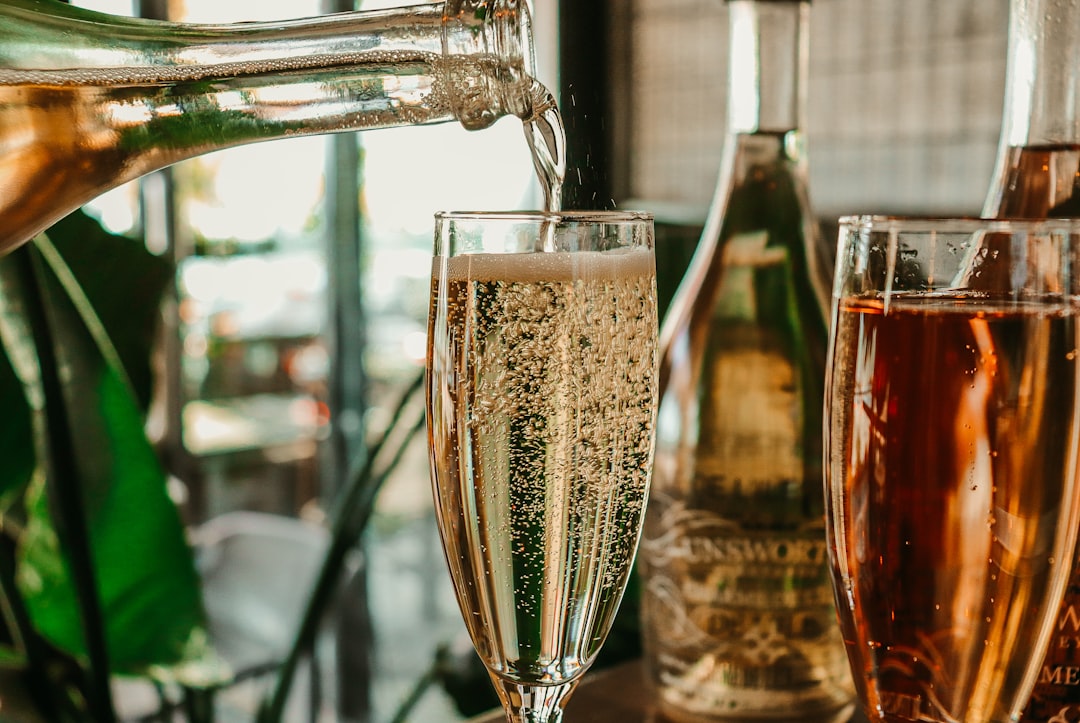
Spot a cloudy bottle with a beer-style crown cap on a summer wine list and you have probably found a pét-nat. Short for pétillant naturel and said “pay-nat”, it is the fizzy, low-fuss face of the natural wine movement, and it has become one of the most fun ways to drink bubbles. Here is what it is and how to enjoy it.
What Is Pét-Nat?
Pétillant naturel means “naturally sparkling”. It is made by the méthode ancestrale, the oldest way of making a fizzy wine: the bottle is sealed while the very first fermentation is still finishing, trapping the carbon dioxide that fermentation gives off. Nothing is added for the bubbles, no extra sugar and no extra yeast, which is why the result tastes so direct. The fizz is simply fermentation, captured.
How It Differs from Champagne
Champagne and most traditional sparkling wine use a second fermentation, started by adding sugar and yeast to a finished still wine. Pét-nat skips that step entirely. The practical differences:
- Pressure: pét-nat is gentler and softer, less of a hard sparkle.
- Clarity: often cloudy, since it is rarely filtered. That haze is normal, not a fault.
- Closure: frequently a crown cap, like a beer, which suits its casual character.
- Taste: fresher and funkier, usually drier, often lower in alcohol, and different from producer to producer.
- Price: generally friendlier than Champagne.
For a wider comparison of the bubbly family, see our sparkling wine guide for beginners, and if you want to test yourself on the production methods, the free WSET Level 2 sparkling wines quiz covers ancestrale, traditional and tank.
Why It Is Everywhere
Pét-nat rides the natural wine wave: minimal intervention, nothing added, nothing taken away. It is unpredictable and full of character, it comes in white, rosé and even orange versions, and the crown-cap informality makes it feel like a summer drink rather than a special-occasion one.
What to Expect in the Glass
Expect a gentle fizz, a slightly hazy pour, and flavours that can run from citrus and green apple to something wilder and almost cidery. A little sediment at the bottom is part of the deal. Because it can be lively, stand the bottle upright, chill it well, and open it slowly over a glass or the sink so it does not foam over.
How to Drink It
Serve it properly cold, drink it young while it is fresh, and treat it as an aperitif or a partner for light summer food, picnics and the start of a barbecue. It rewards curiosity more than ceremony.
Frequently Asked Questions
What is pét-nat wine?
Pét-nat, short for pétillant naturel, is a lightly sparkling natural wine made by the méthode ancestrale. The wine is bottled before its first fermentation finishes, trapping the carbon dioxide, so the bubbles come from fermentation itself with nothing added.
What is the difference between pét-nat and Champagne?
Champagne gets its bubbles from a second fermentation, started by adding sugar and yeast to a finished wine. Pét-nat skips that step, so it is softer, often cloudy, usually drier and lower in alcohol, and frequently sealed with a crown cap.
Why is pét-nat cloudy?
Pét-nat is usually unfiltered, so it keeps the yeast sediment from fermentation, which makes it look hazy. The cloudiness is completely normal and not a fault. Stand the bottle upright, chill it well and open it slowly, as it can be lively.
Explore with Sommo
No two pét-nats are alike, which is the whole appeal and also the challenge: the one you loved last week is a different bottle this week. Scan each one with Sommo, note the producer and what you tasted, and you will slowly map out the makers whose style suits you in a category that changes constantly.
Download Sommo free and keep track of the pét-nats worth chasing.