How to Order Wine at a Restaurant
Sweaty palms when the wine list arrives? Learn the phrases sommeliers love to hear, how to find value, and what the tasting ritual means.
The wine list lands on the table. Forty pages of unfamiliar names, mysterious regions, and prices ranging from “reasonable” to “small mortgage payment.” Everyone looks at you expectantly.
Sound familiar?
Here’s a secret from the restaurant industry: even people who know wine find this moment stressful. Wine lists are designed to be intimidating. But with a few insider strategies, you can navigate any list with confidence.
Before You Even Look at the List
Know Your Budget (Keep It Private)
Decide what you’re comfortable spending before opening the list. This prevents sticker shock from derailing your decision making.
When you talk to the sommelier, point to a wine in your price range and say, “I’m looking for something like this.” They’ll understand immediately without you announcing a dollar amount to the table.
Consider What the Table Is Eating
Quick mental check:
- Mostly seafood or vegetarian? Lean toward whites or lighter reds
- Red meat or rich dishes? Reds will shine
- Mixed orders? Versatile wines like Pinot Noir, Grüner Veltliner, or Champagne work with everything
- Can’t agree? Order two half bottles or wines by the glass
How to Actually Read a Wine List
Start with the By the Glass Section
This is usually where the sommelier features wines they’re excited about. It’s also lower risk. If you don’t like it, you’re out one glass, not one bottle.
Pro tip: Ask if they’ll open any bottle on the list by the glass for a “taste charge.” Many restaurants will.
Find the Value Sweet Spot
Restaurant wine markups follow a pattern:
- Entry level wines ($30 to $50): Highest markup (often 3 to 4x retail)
- Mid range wines ($60 to $100): Better markup (2 to 3x retail)
- Premium wines ($150+): Lowest markup percentage
The middle third of the list usually offers the best value. You’re paying for wine, not markup math.
Look for Unfamiliar Regions
Sommeliers love putting hidden gems on their lists. That Portuguese red or Greek white you’ve never heard of? It’s probably there because it’s exceptional value that the sommelier is proud to pour.
Famous regions (Napa, Burgundy, Champagne) command premium prices. Lesser known regions compete on quality.
Exactly What to Say to the Sommelier
Sommeliers aren’t trying to judge you or upsell you. They’re trying to match you with a wine you’ll love. Help them help you.
The Magic Phrases
“What are you excited about on this list right now?” This tells them you’re open to recommendations and trust their expertise.
“I usually enjoy wines that are [descriptor]. What would you suggest?” Insert one or two descriptors: “bold and fruity,” “crisp and refreshing,” “earthy and complex.” You don’t need technical vocabulary.
“We’re ordering the lamb and the salmon. Can you suggest something that works with both?” Pairing questions are their specialty. Use them.
“I’m looking for something in this range.” [point to a price on the list] Elegant budget communication without awkwardness.
What NOT to Say
- Don’t pretend to know more than you do
- Don’t ask for “your best wine” (best for what?)
- Don’t dismiss their suggestions without consideration
- Don’t treat them like a salesperson to be distrusted
The Wine Tasting Ritual (Decoded)
When the bottle arrives, a small performance begins. Here’s what’s actually happening and what you should do.
Step 1: The Presentation
The server shows you the label. Your job: Verify it’s what you ordered. Check:
- Producer name
- Wine name/region
- Vintage year
Mistakes happen. This is your chance to catch them.
Step 2: The Cork (If Applicable)
They may hand you the cork. Your job: Glance at it. You’re checking that it’s not dried out, crumbly, or obviously damaged.
Don’t: Sniff it dramatically. Don’t put on a show. A quick look is sufficient.
Step 3: The Taste
They pour a small amount in your glass. Your job: Check for faults, not personal preference.
What you’re looking for:
- Cork taint: Smells like wet cardboard, musty basement, or wet dog. This is a legitimate reason to reject the bottle.
- Oxidation: Smells like sherry or bruised apples (in a wine that shouldn’t). Legitimate rejection.
- Extreme off odors: Anything that smells chemically wrong.
What you’re NOT doing:
- Deciding if you like the wine
- Judging quality
- Looking for flaws that aren’t there
Swirl, sniff, take a small sip. If it seems normal, nod and say “that’s fine” or “perfect, thank you.”
What If You Don’t Like It?
If the wine isn’t flawed but just isn’t to your taste? Technically, you’re expected to keep it.
However, a good restaurant cares about your experience. If something is truly wrong, speak up politely. They’d rather know than have you leave unhappy.
The key: Being clear about your preferences upfront prevents this situation entirely.
Secret Weapons
Use Sommo at the Table
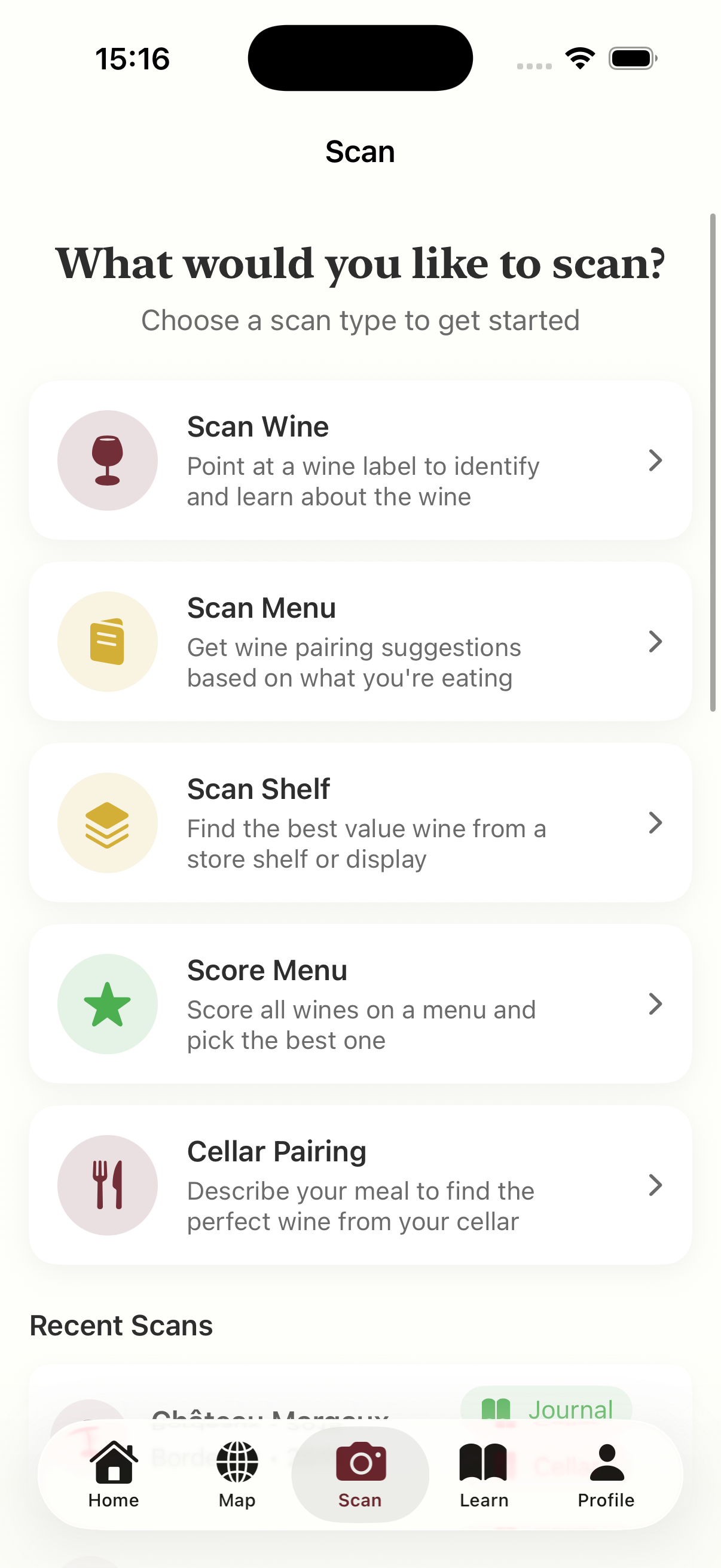
Open the app, snap a picture of any wine on the list, and instantly see tasting notes, ratings, and food pairings. It’s like having a sommelier in your pocket.
Nobody at the table needs to know you’re getting help.
Ask About Off Menu Options
Sometimes restaurants have special bottles not on the printed list. Asking shows interest and occasionally unlocks something special.
Consider the Wine Director’s Picks
If the list has a “sommelier selections” or “staff favorites” section, these are usually wines the team genuinely loves, not just high margin bottles.
The Most Important Truth
Here it is: Nobody at the table cares about your wine choice as much as you think they do.
Your dining companions are thinking about their food, the conversation, their own day. They want a pleasant evening, not a wine performance.
Pick something. Be decisive. Enjoy the meal. The wine is just one element of the experience.
Order with confidence, drink with pleasure, and remember: every bottle you try teaches you something. That’s the real point.
Liked this read? Try the app.
Scan any wine label with AI, build your tasting journal, and learn wine your way.