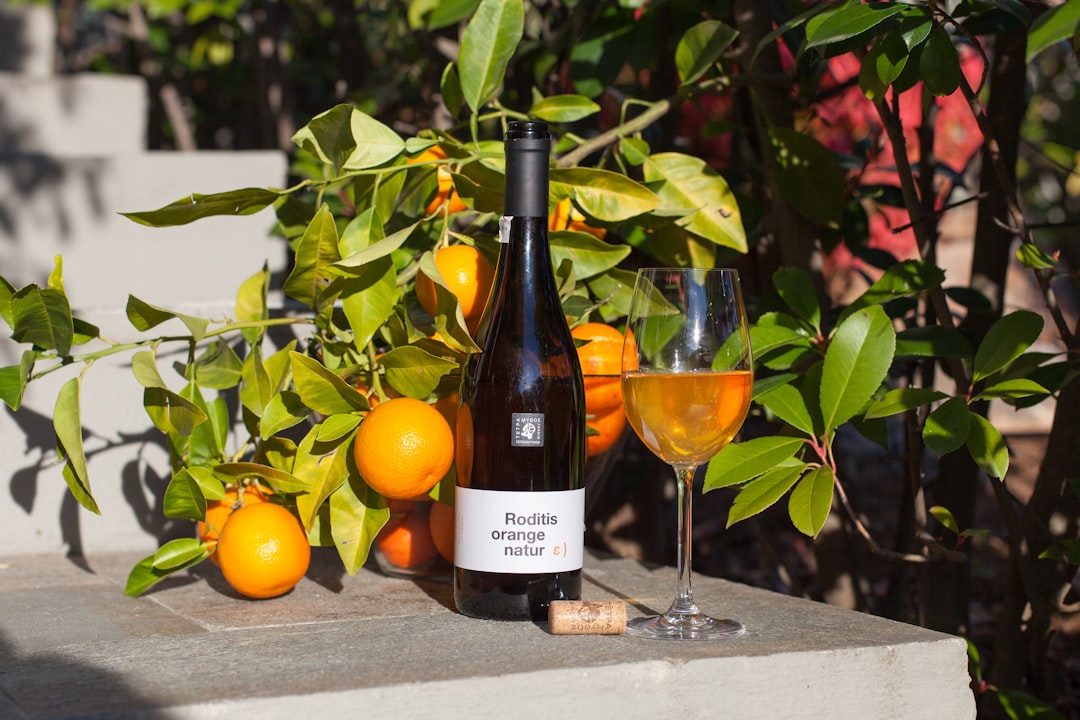
Orange Wine Guide: What It Is, How It Tastes, and Where to Start
Everything you need to know about orange wine. Learn how skin-contact whites are made, what they taste like, the best regions to explore, and common myths.
Orange wine is one of the most misunderstood categories in the wine world. It is not made from oranges. It is not rose by another name. And despite its frequent association with natural wine bars and hipster bottle shops, it is actually the oldest style of winemaking on Earth, predating the reds and whites we consider conventional by several thousand years.
Here is what orange wine actually is, why it tastes the way it does, and how to start exploring it with confidence.
What Is Orange Wine?
Orange wine is white wine made like red wine. That single sentence explains almost everything.
When making conventional white wine, winemakers press the grapes immediately and ferment only the juice, discarding the skins. When making red wine, the juice ferments in contact with the skins, which contribute colour, tannin, and flavour.
Orange wine applies that red wine process to white grapes. The juice stays in contact with the skins for days, weeks, or even months. This extended skin contact extracts pigment (creating the amber or orange hue), tannin (giving the wine grip and structure), and a range of flavour compounds that you never encounter in conventional whites.
The result is a wine that sits in a category of its own: the body and tannin of a light red, the acidity of a white, and a flavour profile that is entirely unique.
Why Does It Look Orange?
White grape skins contain pigments called flavonoids. In conventional white winemaking, these pigments never make it into the finished wine because the skins are removed before fermentation. In orange winemaking, extended skin contact extracts these pigments, turning the wine anywhere from pale gold to deep amber, depending on the grape variety and the length of maceration.
Longer skin contact produces deeper colour. A wine with a few days of contact might look like a rich golden white. One with several months of maceration can look closer to copper or burnt orange.
How Does Orange Wine Taste?
If you are expecting it to taste like white wine with an odd colour, you will be surprised. Orange wine has a distinct flavour profile:
- Tannin and texture: The most immediate difference. Orange wine has a grippy, slightly drying mouthfeel that conventional whites lack entirely.
- Dried fruit: Apricot, peach skin, dried apple, and marmalade notes are common.
- Oxidative character: Many orange wines have a nutty, honeyed quality from the extended skin contact and, in some cases, deliberate oxidative handling during fermentation.
- Savoury notes: Tea leaf, dried herbs, and a mineral, almost saline quality appear in many examples.
- Acidity: Often high, providing freshness that balances the weight and tannin.
The overall impression is a wine with more complexity and weight than a typical white, but more freshness and brightness than most reds.
Orange Wine Is Not Rose (and Not Quite Natural Wine)
Two common confusions deserve clearing up.
Orange wine vs rose: Rose is made from red grapes with brief skin contact (extracting a little colour). Orange wine is made from white grapes with extended skin contact. They are opposite processes applied to different grapes, resulting in completely different wines.
Orange wine vs natural wine: Many orange wines are produced using natural winemaking methods (wild yeast, minimal sulphites, no fining or filtration), and natural wine bars have played a huge role in popularising the style. But the two categories overlap rather than coincide. You can find conventionally made orange wines, and the vast majority of natural wines are standard reds and whites. For more on natural wine, see our dedicated guide.
Where Orange Wine Comes From
Georgia: The Birthplace
Georgia (the country, not the US state) has been making skin-contact white wine in clay vessels called qvevri for over 8,000 years. This is not a revival or a trend in Georgia. It is continuous, unbroken tradition. Rkatsiteli and Mtsvane are the key grape varieties, producing deeply amber wines with intense tannin and dried fruit character.
Friuli-Venezia Giulia, Italy
The northeastern Italian region of Friuli is where the modern orange wine movement arguably began. Producers like Josko Gravner and Stanko Radikon started experimenting with extended skin contact in the 1990s, using local varieties like Ribolla Gialla, Friulano, and Pinot Grigio. Their wines inspired a generation of winemakers worldwide.
Slovenia
Just across the border from Friuli, Slovenian producers in the Goriska Brda and Vipava Valley regions make outstanding orange wines, often from the same grape varieties as their Italian neighbours. The Slovenian and Friulian orange wine traditions are essentially continuous, divided only by a political border.
Beyond the Heartlands
Orange wine production has spread globally. You will find excellent examples from Austria (Gruner Veltliner with skin contact), Spain, Portugal, Australia, South Africa, and the United States. Any white grape variety can be made into orange wine, though varieties with thicker skins and more aromatic intensity tend to produce the most interesting results.
How to Drink Orange Wine
Temperature
Serve orange wine slightly cooler than room temperature but warmer than you would serve a conventional white: around 12 to 14 degrees Celsius. Serving it too cold mutes the aromatics and tightens the tannins uncomfortably.
Glassware
Use a wider glass than you would for white wine. The broader bowl allows the complex aromatics to develop. Many people find that orange wine drinks best from a red wine glass.
Food Pairing
This is where orange wine truly shines. Its combination of acidity, tannin, and savoury depth makes it one of the most food-versatile wine styles available. It handles dishes that defeat conventional whites:
- Spiced food: Curry, tagine, and dishes with turmeric or saffron
- Charcuterie and cured meats: The tannin stands up to salami and prosciutto
- Hard and aged cheeses: Manchego, aged Gouda, Comte
- Grilled vegetables: Aubergine, peppers, courgette
- East Asian cuisine: The umami and tannin work beautifully with miso, soy-based dishes, and fermented flavours
Common Misconceptions
“Orange wine is a fad.” It has been made for 8,000 years. The recent surge in popularity is a rediscovery, not an invention.
“It is just funky and weird.” Some orange wines are unconventional, but many are clean, balanced, and immensely drinkable. Start with a Friulian Ribolla Gialla or a Georgian Rkatsiteli from a well-regarded producer.
“It always has to be natural.” While the natural wine movement popularised orange wine, the technique itself is simply a winemaking choice. Plenty of conventional producers now offer skin-contact whites.
Track Your Orange Wine Journey with Sommo
Orange wine is a style that rewards exploration. Each grape variety, region, and maceration length produces something different, and building a sense of what you enjoy takes tasting and recording. Log every orange wine you try in Sommo’s tasting journal to track how your palate responds to this unique category. Note the grape, the maceration length (if listed), and what you paired it with. Over time, you will develop a clear picture of which orange wine styles suit your taste and which producers to seek out.