Wine people constantly say a bottle tastes “very Old World” or “typically New World”, and nobody stops to explain it. It is one of the most useful shortcuts in wine, because those two words predict a lot about what is in your glass before you pull the cork. Here is the map, the taste difference, and why it exists.
The Map
Old World means the historic heartland of wine: Europe and the Mediterranean rim, where vines have been cultivated for thousands of years. France, Italy, Spain, Portugal, Germany, Austria, Greece and Hungary are the flagbearers, along with truly ancient producers like Georgia.
New World means everywhere the vine travelled afterwards, mostly with European colonists from the 16th century on: the United States, Australia, New Zealand, Chile, Argentina and South Africa.
The Taste Difference
Generalisations, but genuinely useful ones:
- Old World wines lean savoury and structured: earthier flavours, brighter acidity, lower alcohol, more restraint. They are built for the dinner table. Think of the mushroom-and-cherry whisper of red Burgundy or the graphite austerity of young Bordeaux.
- New World wines lean fruity and generous: riper flavours, fuller body, higher alcohol, often more obvious oak. Think of the plush blackcurrant of Napa Valley Cabernet or a sunshine-soaked Barossa Shiraz.
Why? Mostly climate: most Old World regions are cooler and more marginal, so grapes ripen slowly and keep acidity, while much of the New World is warmer and sun-drenched, giving riper fruit and more alcohol. Partly philosophy: Old World tradition treats wine as an expression of place, the idea of terroir, while New World winemaking historically celebrated the grape and the winemaker’s hand.
The clearest demonstration is one grape, two worlds. Taste the same variety across the divide, Syrah against Shiraz is the textbook case, same grape, wildly different accent, or compare Napa and Sonoma to see how much variation the New World holds within itself. The free blind tasting trainer makes a game of exactly this kind of call.
The Label Tells You Which World
Here is the practical payoff. Old World labels usually lead with place: Chablis, Rioja, Chianti, because the appellation system assumes the place implies the grape. New World labels lead with the grape: Pinot Noir, Malbec, Sauvignon Blanc. If you have ever been baffled that a Burgundy label never mentions Chardonnay, this is why; our guide to reading a wine label decodes the rest.
Where the Line Blurs
The border is eroding, and knowing that makes you sound smarter than the rule itself. Cool-climate New World regions like Willamette Valley, Marlborough and Central Otago make wines of thoroughly Old World nerve, while plenty of modern European producers chase riper, friendlier styles. Treat the two worlds as accents, not laws. If you want the structured version of all this, WSET Level 2 is where the two-worlds framework gets taught properly.
Frequently Asked Questions
What is the difference between Old World and New World wine?
Old World refers to the historic winemaking countries of Europe and the Mediterranean, such as France, Italy and Spain. New World covers everywhere wine spread later, including the US, Australia, Chile and New Zealand. Old World styles tend toward earthiness, higher acidity and restraint, New World toward riper fruit and fuller body.
Which countries are Old World wine countries?
France, Italy, Spain, Portugal, Germany, Austria, Greece and Hungary are the classic Old World countries, along with historic producers like Georgia. The US, Australia, New Zealand, Chile, Argentina and South Africa are the flagship New World nations.
Is Old World wine better than New World?
Neither is better; they are different accents of the same language. Old World wines are often subtler and built for food, New World wines often bolder and more immediately expressive. Great and mediocre wine is made on both sides, and the styles have been converging for years.
Explore with Sommo
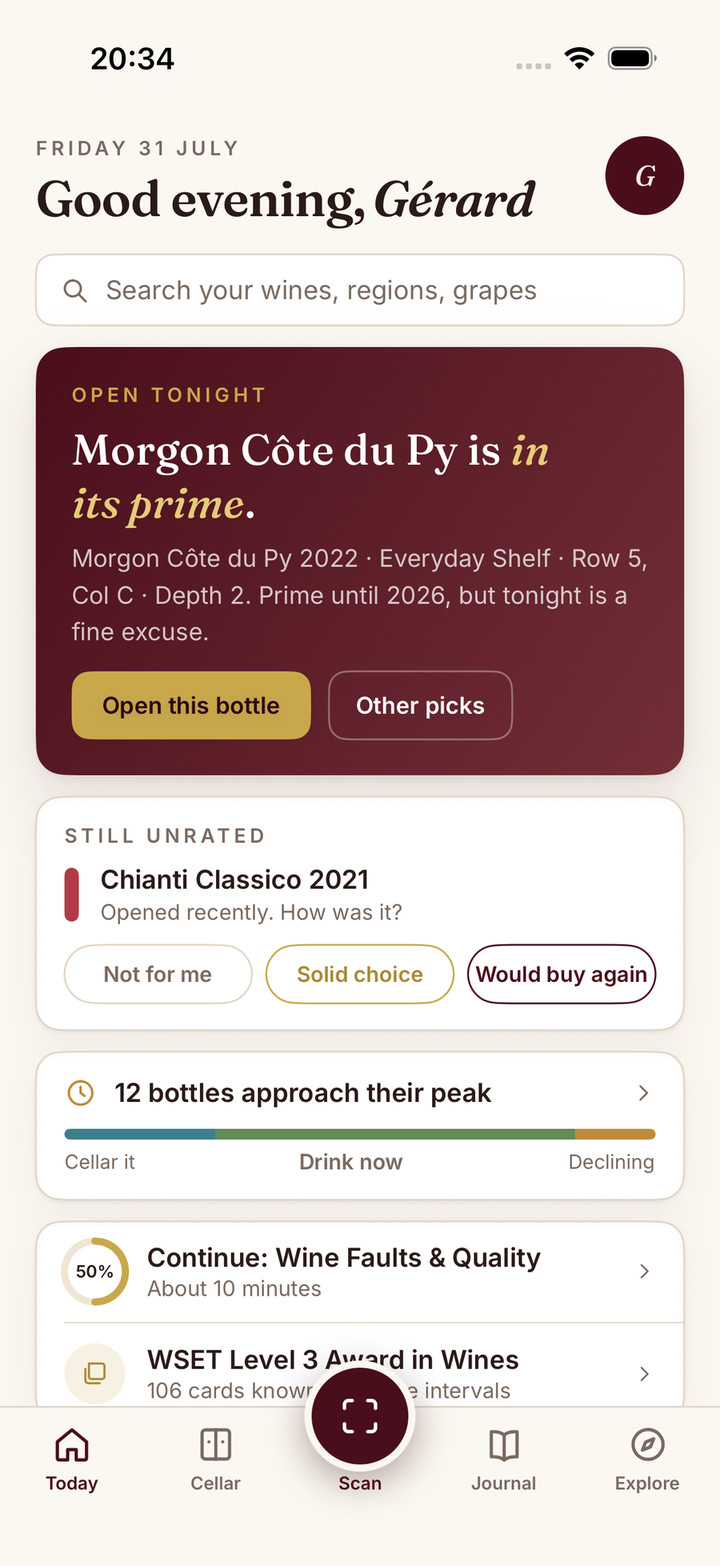
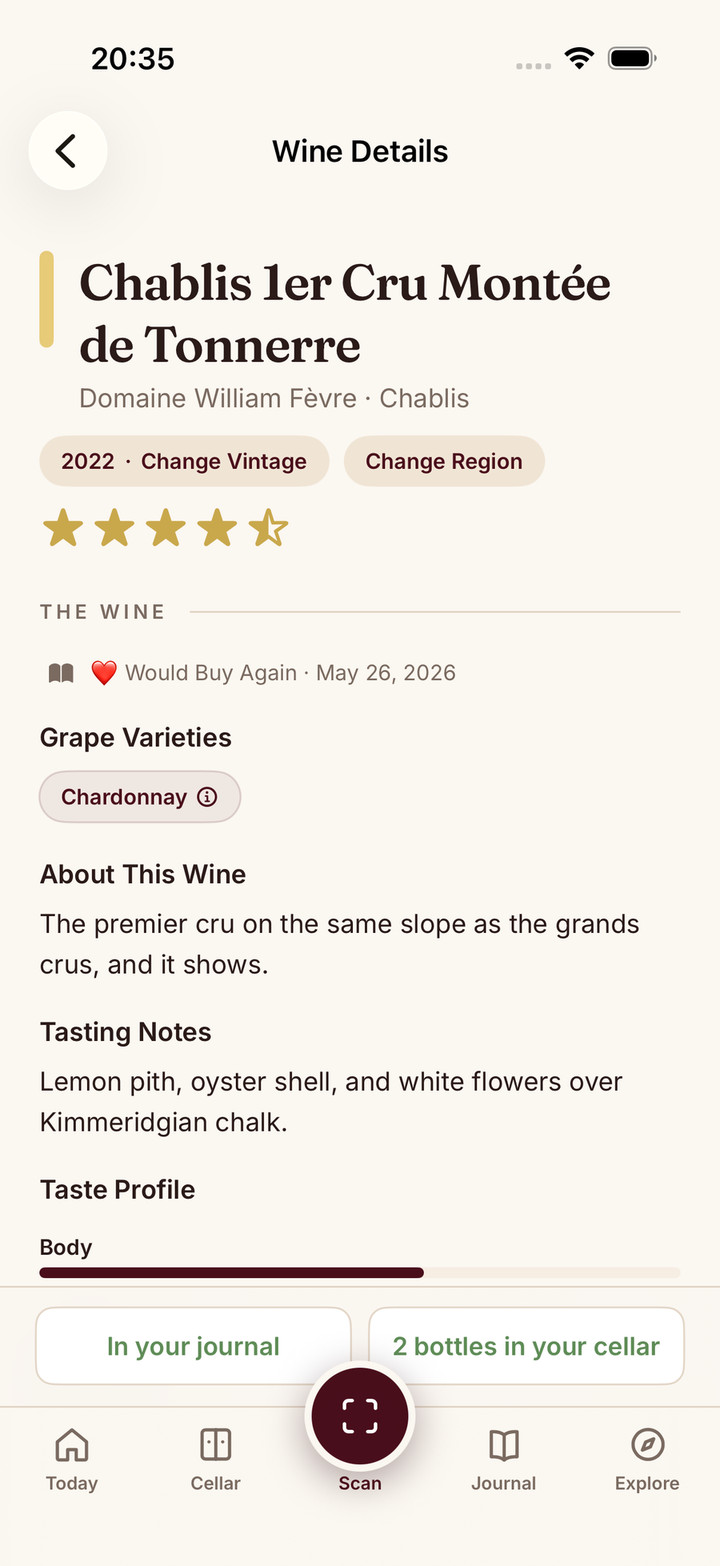
The fastest way to learn the difference is to taste it deliberately: one grape, one bottle from each world, side by side. Scan both labels with Sommo to confirm what you are comparing, log your impressions in the journal, and mark both regions on the wine map. Studying for a qualification? The Old World and New World contrast runs through the entire WSET syllabus, and Sommo’s flashcards drill it until it sticks.
Download Sommo free and taste both worlds with intent.