Non-alcoholic wine used to be a punishment in a bottle: sweet, flat grape juice with a wine label and an apology. That era is over. Dealcoholised wine is now the fastest-growing corner of the wine aisle, serious producers have entered the category, and the best bottles are genuinely worth drinking. Here is how it is made, what to expect, and how to choose well.
How the Alcohol Comes Out
The crucial fact: proper non-alcoholic wine starts as real wine. Grapes are fermented exactly as our guide to how wine is made describes, and the alcohol is then removed by one of three methods:
- Vacuum distillation. Under vacuum, alcohol evaporates at low temperatures instead of boiling heat, so delicate aromas survive.
- Spinning cone columns. The wine spreads into thin films on spinning cones; aroma compounds are captured first, alcohol stripped second, and the aromas returned to the finished wine.
- Reverse osmosis. The wine is filtered at the molecular level, separating alcohol and water from flavour, then reassembled without the alcohol.
The catch is that alcohol is not just a buzz; it carries body, warmth and texture. Remove it and the wine can feel thin and sharp, which is why producers often leave a touch of unfermented grape sweetness to compensate, and why the category’s biggest wins are in styles where alcohol matters least.
What 0.0% Actually Means
Labels split into two camps. Dealcoholised or alcohol-free wine typically contains up to 0.5% ABV, roughly what you find in kombucha or a very ripe banana. 0.0% means verified zero. If you are pregnant, in recovery or avoiding alcohol for faith reasons, look for the explicit 0.0%; for a lighter evening, either serves. Bonus: with the alcohol gone, calories drop sharply, usually to a third or less of the original, something our calories calculator puts in context. For lower-alcohol rather than no-alcohol options, see our low-calorie and low-alcohol guide.
Choosing a Bottle That Works
Rules of thumb the category rewards:
- Sparkling first. Bubbles, bright acidity and a whisper of sugar do the job alcohol used to do. Alcohol-free fizz is the most convincing style by far.
- Aromatic whites and rosé next. Riesling and Sauvignon Blanc styles keep their perfume through dealcoholisation.
- Reds are the hard mode. Body and warmth are exactly what alcohol provided; expect a lighter, juicier drink than the shelf label suggests, and chill it slightly.
- Buy from wine producers, not soft-drink brands. The best bottles come from makers who treat this as winemaking, not flavouring.
Serve it like wine: proper glass, proper temperature, proper food. The ritual is half the pleasure, and it survives the missing percentage points. If you are still mapping which styles you enjoy in the first place, the two-minute wine quiz works just as well for the alcohol-free shelf.
Frequently Asked Questions
How is non-alcoholic wine made?
It starts as real wine, fully fermented, then the alcohol is removed by vacuum distillation, spinning cone columns or reverse osmosis, all at low temperatures to protect aroma. That is why proper dealcoholised wine tastes closer to wine than grape juice ever can.
Is non-alcoholic wine completely alcohol free?
Not always. Most dealcoholised wine contains up to 0.5% ABV, about the level found in ripe fruit or kombucha, while bottles labelled 0.0% are verified as alcohol free. Anyone avoiding alcohol entirely should look specifically for the 0.0% label.
Which non-alcoholic wines taste best?
Sparkling styles are the safest bet, because bubbles, acidity and a touch of sweetness cover the missing alcohol. Crisp aromatic whites and rosés come next. Full-bodied reds are hardest to get right, since alcohol provides much of a red’s body and warmth.
Explore with Sommo
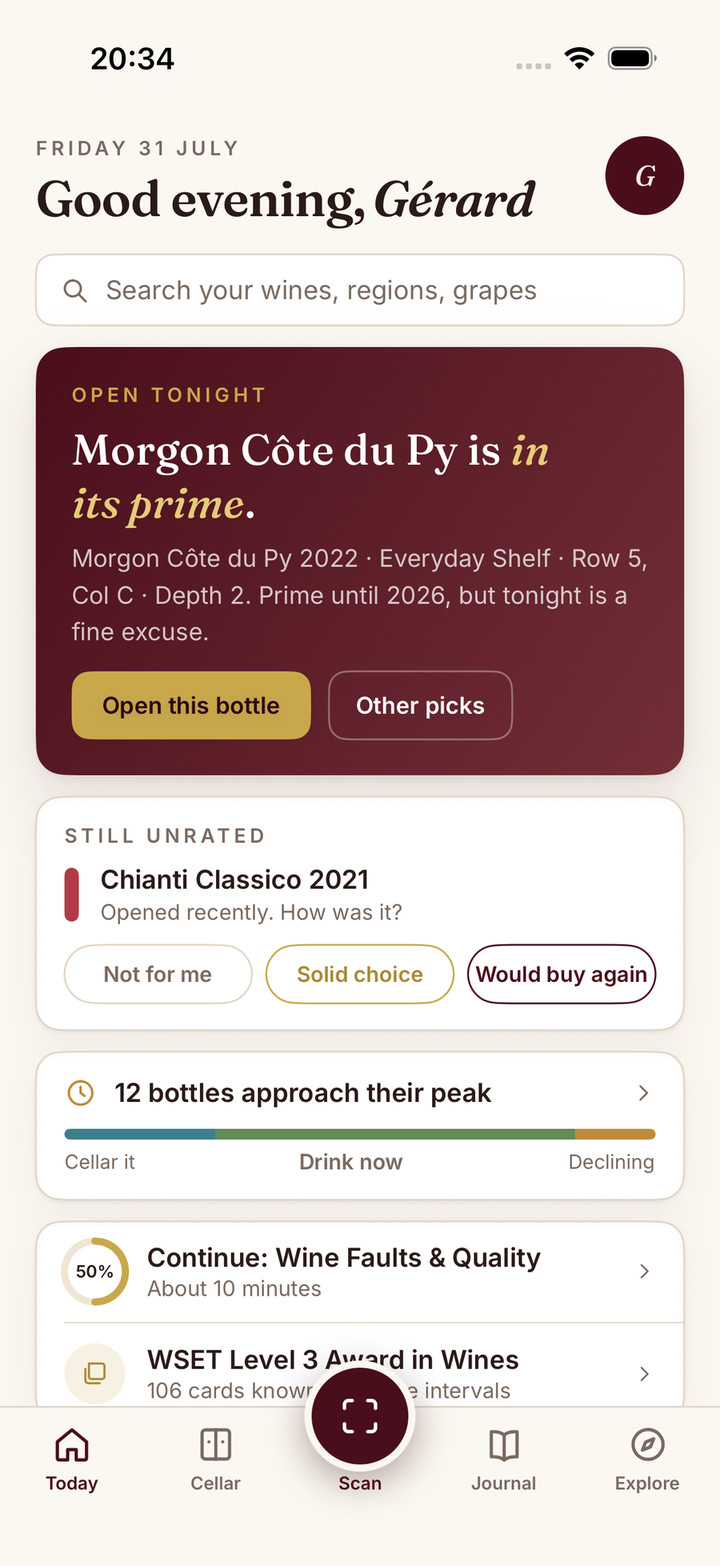
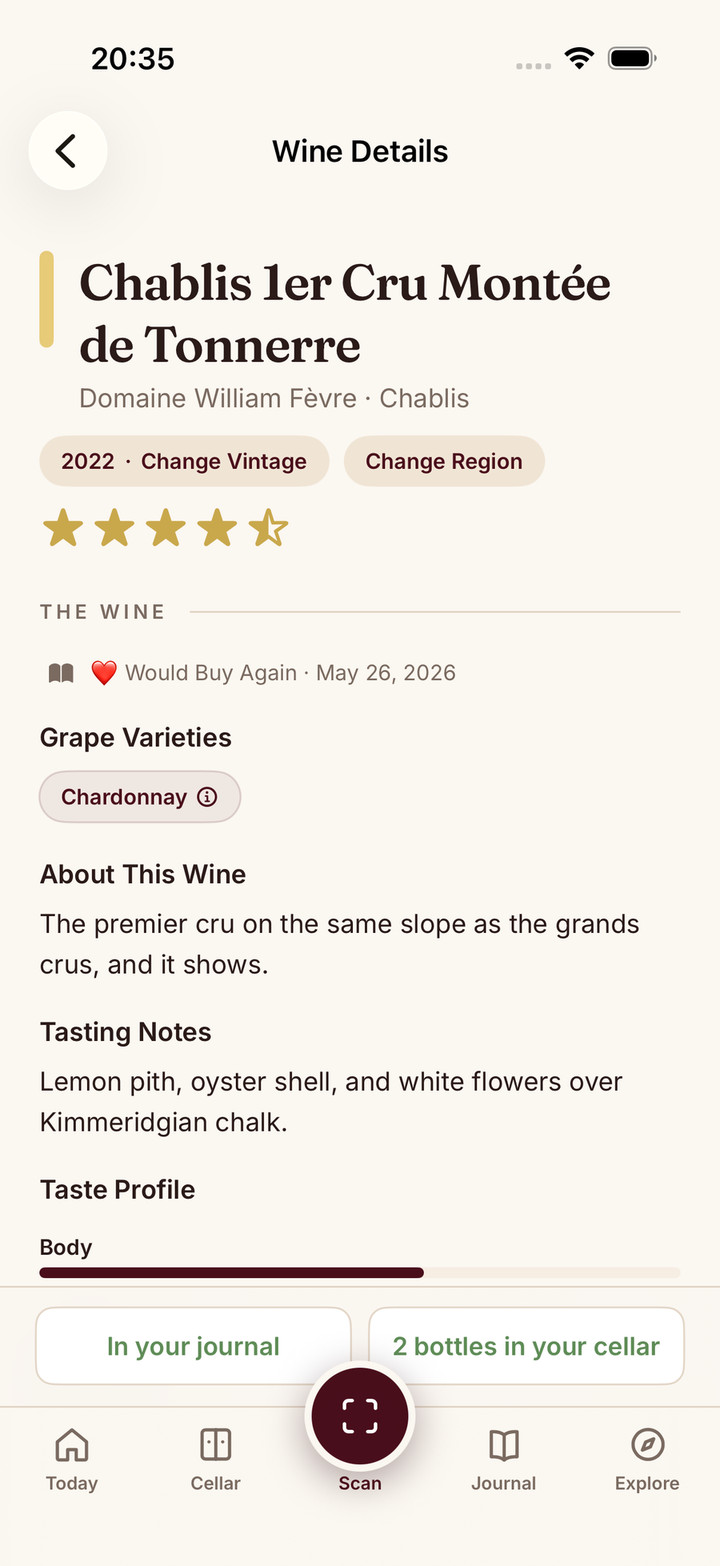
A tasting palate does not switch off with the alcohol. Scan any bottle, alcohol-free included, with Sommo to learn its style and origins, and keep notes in your journal on which producers get it right. Your zero-proof discoveries sit alongside the rest of your wine journey, exactly where they belong.
Download Sommo free and taste the whole shelf, alcohol optional.
For a table with different drinking preferences, the mixed-strength dinner plan keeps the food and the guest experience central.
If the centrepiece is dinner rather than an aperitif, our alcohol-free sparkling wine and food guide explains what to serve with each course.