Natural Wine Guide
What natural wine actually is, how it differs from conventional wine, what to expect when you open a bottle, and how to start exploring with confidence.
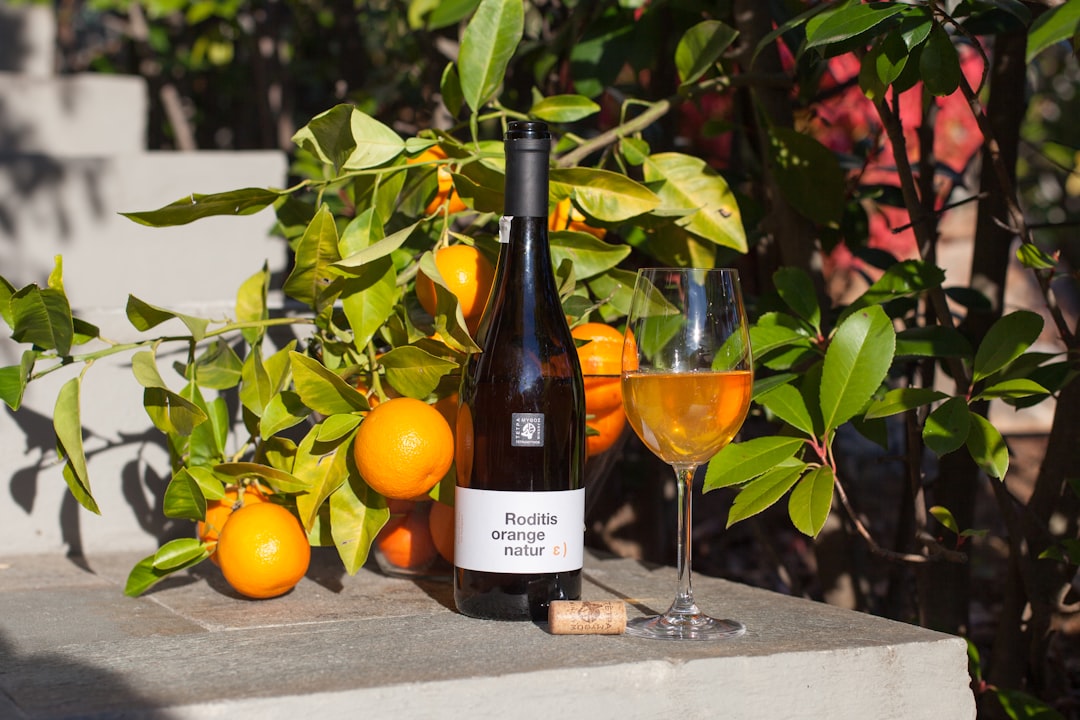
Natural wine has gone from a niche movement to a fixture on restaurant lists and shop shelves around the world. But for every enthusiast who swears by it, there’s a skeptic who dismisses it as cloudy juice with a hefty price tag. The reality is more nuanced – and more interesting – than either side suggests. This guide covers what natural wine actually is, how it’s made, what makes it different from conventional wine, and how to find bottles worth drinking.
What Is Natural Wine?
There is no single, legally binding, globally recognised definition of natural wine. That’s the first thing to understand, and it explains a lot of the confusion.
In broad terms, natural wine is wine made with minimal intervention in both the vineyard and the winery. The grapes are farmed organically or biodynamically – no synthetic pesticides, herbicides, or fertilizers. In the cellar, the winemaker avoids commercial yeast, added sugar, acidity adjustments, fining agents, heavy filtration, and most or all added sulfites.
France introduced a “Vin Méthode Nature” certification in 2020, which established two tiers: one that permits zero added sulfites and one that allows up to 30 mg/L at bottling. But outside France, the term remains largely self-declared. This makes it important to know your producers and your shops, because quality and honesty vary.
The guiding philosophy is simple: let the grapes and the place speak for themselves. The winemaker’s role is closer to a shepherd than an engineer.
How Natural Wine Differs from Conventional Wine
Conventional winemaking has an extensive toolkit of permitted additives and processes – over sixty are allowed in many countries. These include commercial yeast strains engineered for specific flavor profiles, enzymes to boost extraction, powdered tannin, oak chips, color-adjusting agents like Mega Purple, sulfur dioxide in relatively high doses, and aggressive filtration to ensure visual clarity and shelf stability.
None of this is inherently wrong. Many outstanding wines rely on some of these techniques. But the result is a style of winemaking where the cellar can override the vineyard. Two producers in different countries using the same commercial yeast and the same set of additives can make wines that taste remarkably similar, regardless of where the grapes were grown.
Natural winemakers reject most or all of that toolkit. Fermentation relies on indigenous yeast – the wild yeast populations living on the grape skins and in the cellar. No sugar is added to boost alcohol. No acid is added to sharpen the wine. What ends up in the bottle is a more direct expression of the fruit, the soil, the climate, and the vintage. It also means more variation from year to year and from bottle to bottle, which is part of the appeal and part of the risk.
Common Characteristics
Not every natural wine tastes the same, but there are patterns you’ll notice once you start exploring:
Cloudiness. Many natural wines are unfiltered, so they may appear hazy or slightly cloudy rather than crystal clear. This is cosmetic, not a flaw.
Lively acidity. Without heavy manipulation, natural wines often retain a bright, energetic acidity that makes them feel alive on the palate.
Fruit-forward but not fruity in the conventional sense. Expect less of the jammy, extracted fruit character common in commercial wines and more of a fresh, crunchy quality – think biting into a piece of fruit rather than drinking fruit juice.
Funk. Some natural wines have aromas and flavors described as “funky” – barnyard, cider, sourdough, kombucha. In moderate amounts, this can add complexity and interest. When it dominates, it may indicate a fault. The line between characterful and flawed is one of the most debated topics in wine.
Lower alcohol. Because natural winemakers don’t add sugar to boost fermentation, alcohol levels tend to sit on the moderate side, often between 11% and 13%.
Variability. The same wine from the same producer can taste noticeably different from one vintage to the next, and sometimes even from one bottle to the next. This unpredictability is thrilling if you embrace it, frustrating if you want consistency.
Where to Find Good Natural Wine
The best natural wine rarely shows up in supermarkets. Here’s where to look:
Independent wine shops. A good independent shop with a dedicated natural section is your single best resource. The staff can steer you toward reliable producers and away from bottles that are more ideology than quality. Tell them what flavours you enjoy, what you’ve tried before, and what your budget is.
Wine bars with a natural focus. Tasting by the glass is the lowest-risk way to explore. Many cities now have bars that specialise in natural and low-intervention wines. Order a few glasses across different styles before committing to a full bottle.
Direct from producers. If you visit wine regions like Beaujolais, the Loire Valley, or parts of Sicily, you can taste and buy directly from the people who make the wine. This is the best way to understand what a producer is doing and why.
Online specialists. Dedicated natural wine retailers with curated selections and tasting notes can be a good option if you don’t have a local shop.
Producers worth trying as a starting point: Marcel Lapierre and Jean Foillard in Beaujolais, Thierry Puzelat in the Loire, Radikon and Gravner in Friuli, COS in Sicily, and Gut Oggau in Austria. These are established names making consistently excellent wine.
How to Taste Natural Wine
The approach is the same as tasting any wine, but a few adjustments help:
Serve it at the right temperature. Natural wines, especially reds, often benefit from a slight chill – around 14-16°C for reds and 8-10°C for whites. This tames any volatile aromas and brings freshness into focus.
Give it air. If a wine smells odd when you first open it, don’t panic. Pour a glass and let it sit for fifteen to twenty minutes. Many natural wines open up significantly with air. What seemed funky or closed at first can transform into something vibrant and expressive.
Taste without prejudice. Forget what you think white wine or red wine should taste like. Natural wine can challenge expectations – a white might have the texture and tannin grip of a red, while a red might drink with the freshness of a rosé. Let the wine be what it is.
Trust your palate. If a wine smells like nail polish remover, wet cardboard, or vinegar, that’s not “character” – that’s a fault. Great natural wine should taste good. It might taste unfamiliar, but it should still be enjoyable. Don’t let anyone convince you that faults are features.
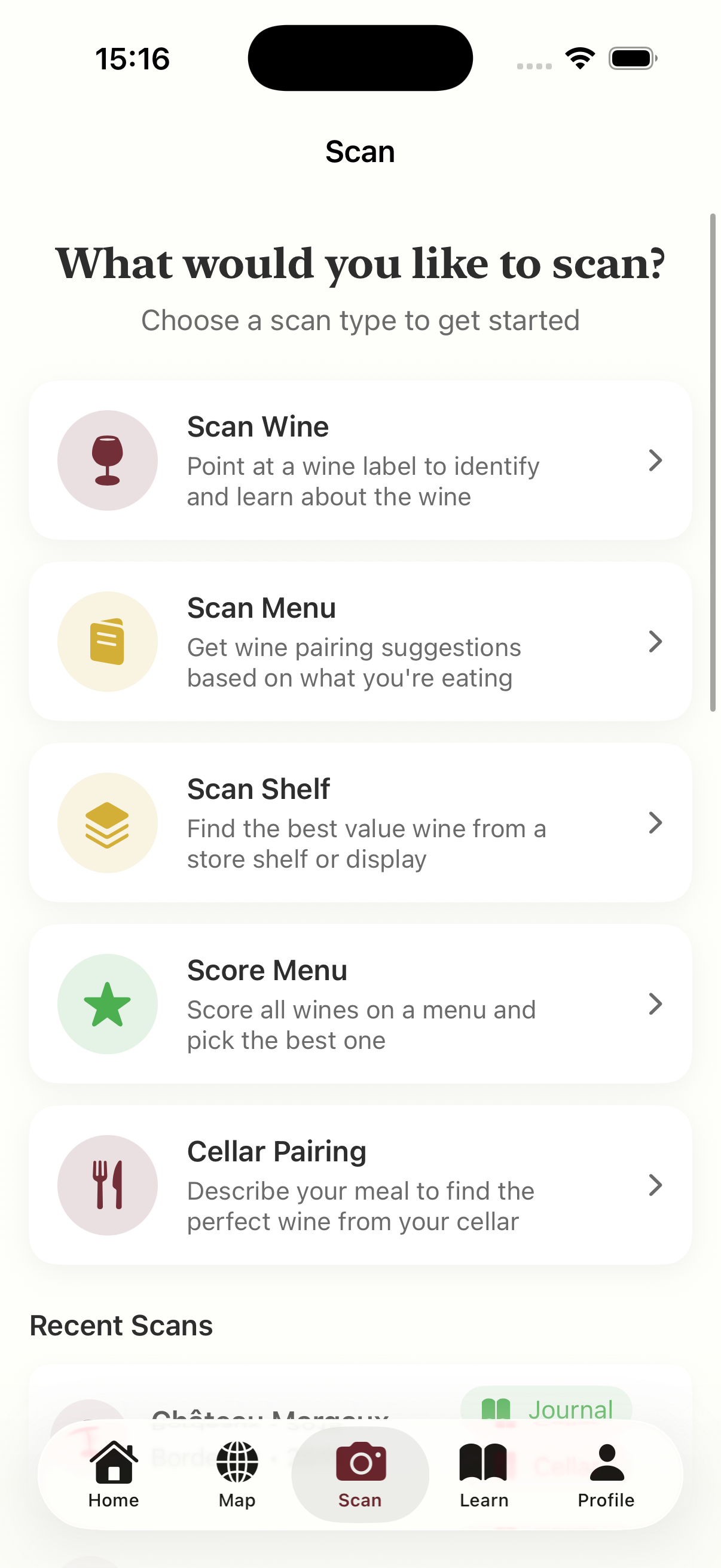
Take notes. Natural wine’s variability makes record-keeping especially valuable. When you find a producer or style you love, log it. Sommo’s wine journal lets you capture tasting notes and track your preferences over time, so you can build a map of what works for your palate.
The Bottom Line
Natural wine isn’t better or worse than conventional wine – it’s a different approach to winemaking that prizes transparency, minimal intervention, and a closer connection between the land and the glass. At its best, it produces wines with a vivid, irreplaceable sense of place. At its worst, it hides faults behind philosophy.
The key is to taste widely, stay curious, and judge each bottle on its own merits. Scan any bottle with Sommo’s AI label scanner to learn about the wine instantly, log your impressions in the journal, and let your own experience guide you. That’s how any wine journey – natural or otherwise – becomes genuinely rewarding.
Liked this read? Try the app.
Scan any wine label with AI, build your tasting journal, and learn wine your way.