Summer is peak season for wanting a glass of something cold that does not derail the rest of the day. The good news: some wines are naturally lighter, in both alcohol and calories, and once you know what drives those numbers you can choose well without reaching for anything labelled “diet”.
Where Wine Calories Actually Come From
Two things, in order. Alcohol is the big one, at roughly seven calories per gram, so the higher the alcohol, the higher the calorie count. Sugar is second: a dry wine has almost none, while an off-dry or sweet wine carries more. A typical 150ml glass of dry wine lands around 120 to 130 calories. Push the alcohol to 15 percent or add sweetness and that climbs quickly; the free wine calories calculator does the arithmetic for any pour size and strength. Tannins, colour and “heaviness” do not add calories, so a light-feeling sweet wine can out-calorie a bold dry red.
The Two Numbers That Matter
Forget the marketing and look at two things: the alcohol percentage on the label, and how dry the wine is. Lower alcohol plus fully dry is the lightest combination. If you want the detail on sweetness, our glossary covers residual sugar.
Naturally Lighter Styles
Dry Sparkling
Brut sparkling wine is often poured smaller and tends to be lower in alcohol, which makes it one of the lightest ways to drink. Look for “Brut” or “Extra Brut” for the driest, lowest-sugar styles.
Crisp, Lower-Alcohol Whites
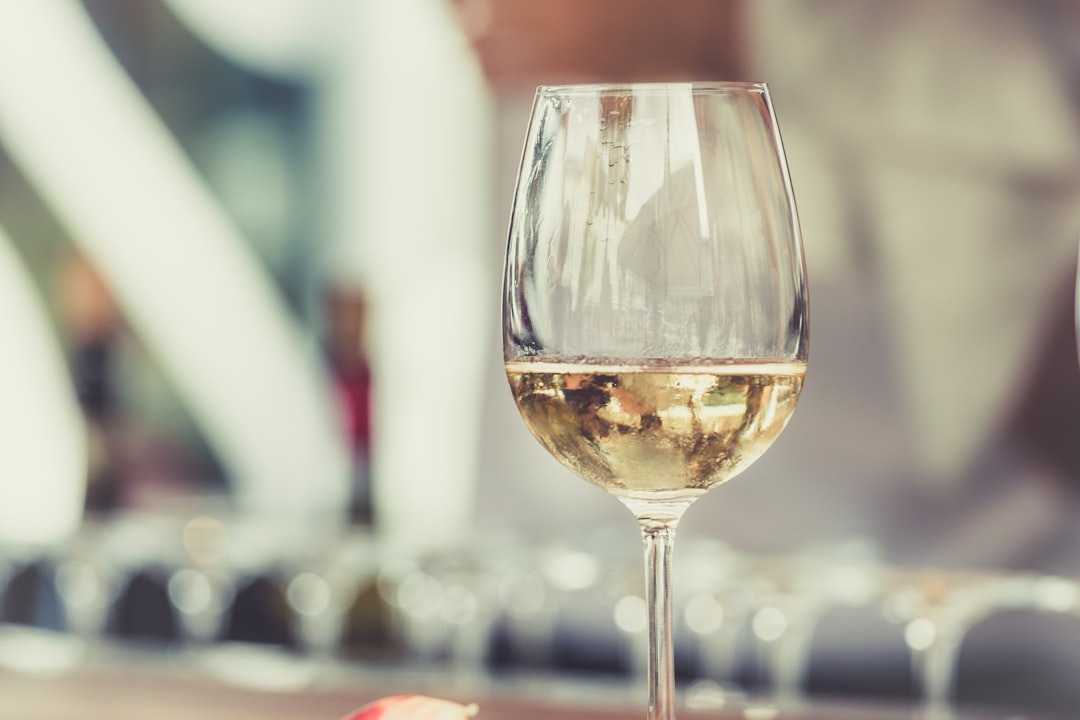
Some whites are built for this. Dry Riesling, especially German styles, can sit as low as 8 to 11 percent. Vinho Verde, Muscadet and Txakoli are all naturally light and brisk. Pinot Grigio is a safe, widely available pick.
Dry Rosé
A pale, dry rosé gives you summer flavour at sensible alcohol, as long as it is genuinely dry rather than blush-sweet.
Lighter Reds
If you want red, a cool glass of low-tannin Gamay is lighter in body, and often in alcohol, than a big Cabernet or Zinfandel.
The Easiest Trick: Make a Spritz
The simplest way to halve both alcohol and calories per glass is to stretch wine with soda water over ice. A white or rosé spritz is refreshing, lasts longer, and keeps a long afternoon comfortable. Our wine cocktails guide has more ideas.
What to Watch For
“Skinny” and “light” labels are not regulated tightly. Some dealcoholised wines add sugar back for body, so a zero-alcohol bottle is not automatically low-calorie. Read the alcohol figure and the sweetness, and treat the rest as marketing. And if you are unsure which of the lighter styles above would actually suit you, the two-minute wine quiz points you to a starting place.
Frequently Asked Questions
Which wine has the fewest calories?
Dry, lower-alcohol wines have the fewest calories, because alcohol is the main source. A dry Brut sparkling or a light dry white such as Vinho Verde, Muscadet or a German Riesling at 8 to 11 percent alcohol is among the lightest choices.
How many calories are in a glass of wine?
A typical 150ml glass of dry wine has around 120 to 130 calories. The figure rises with higher alcohol and with sweetness, so a 15 percent or off-dry wine carries noticeably more than a light, bone-dry one.
Is low-alcohol wine lower in calories?
Usually yes, because alcohol contributes most of wine’s calories at about seven per gram. Check the sweetness too: some dealcoholised wines add sugar back for body, so a zero-alcohol bottle is not automatically low in calories.
Explore with Sommo
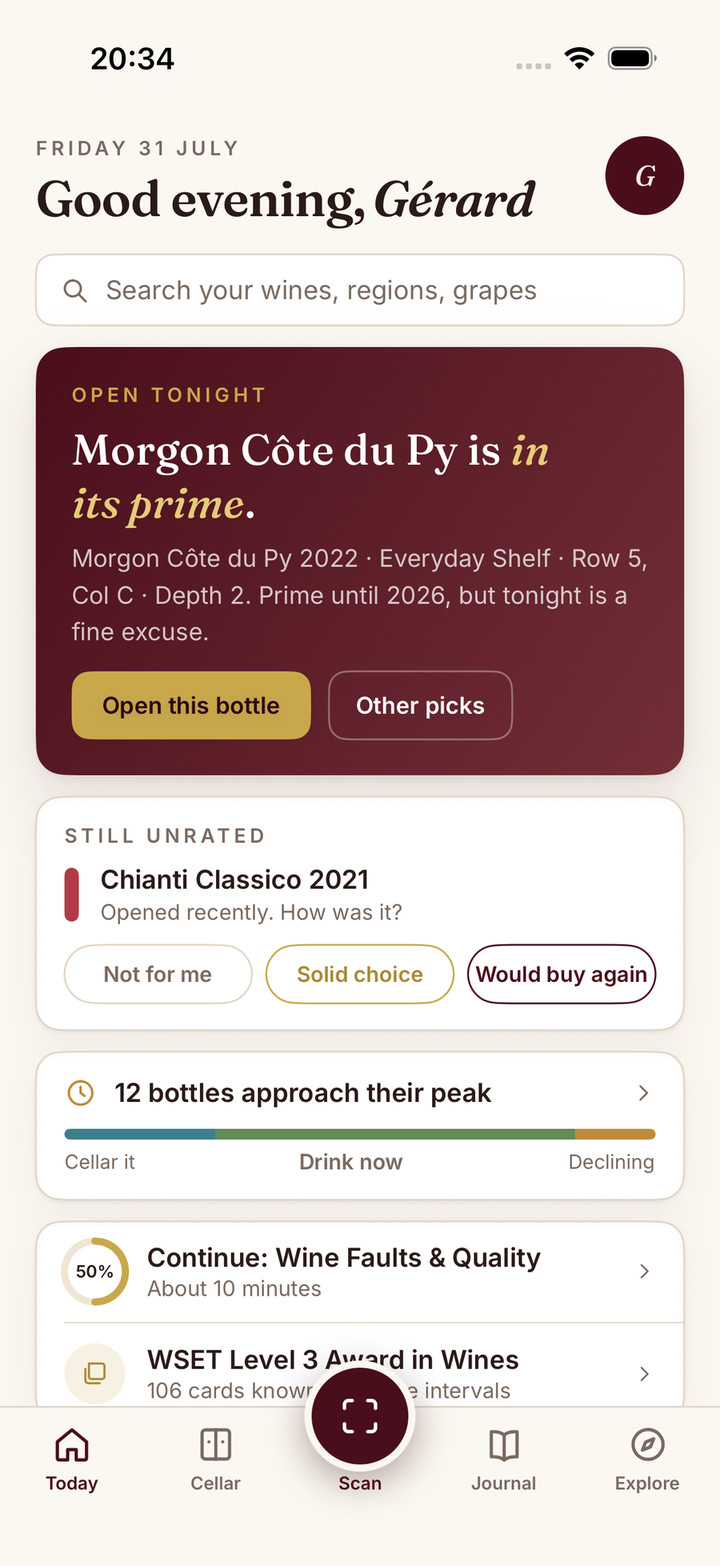
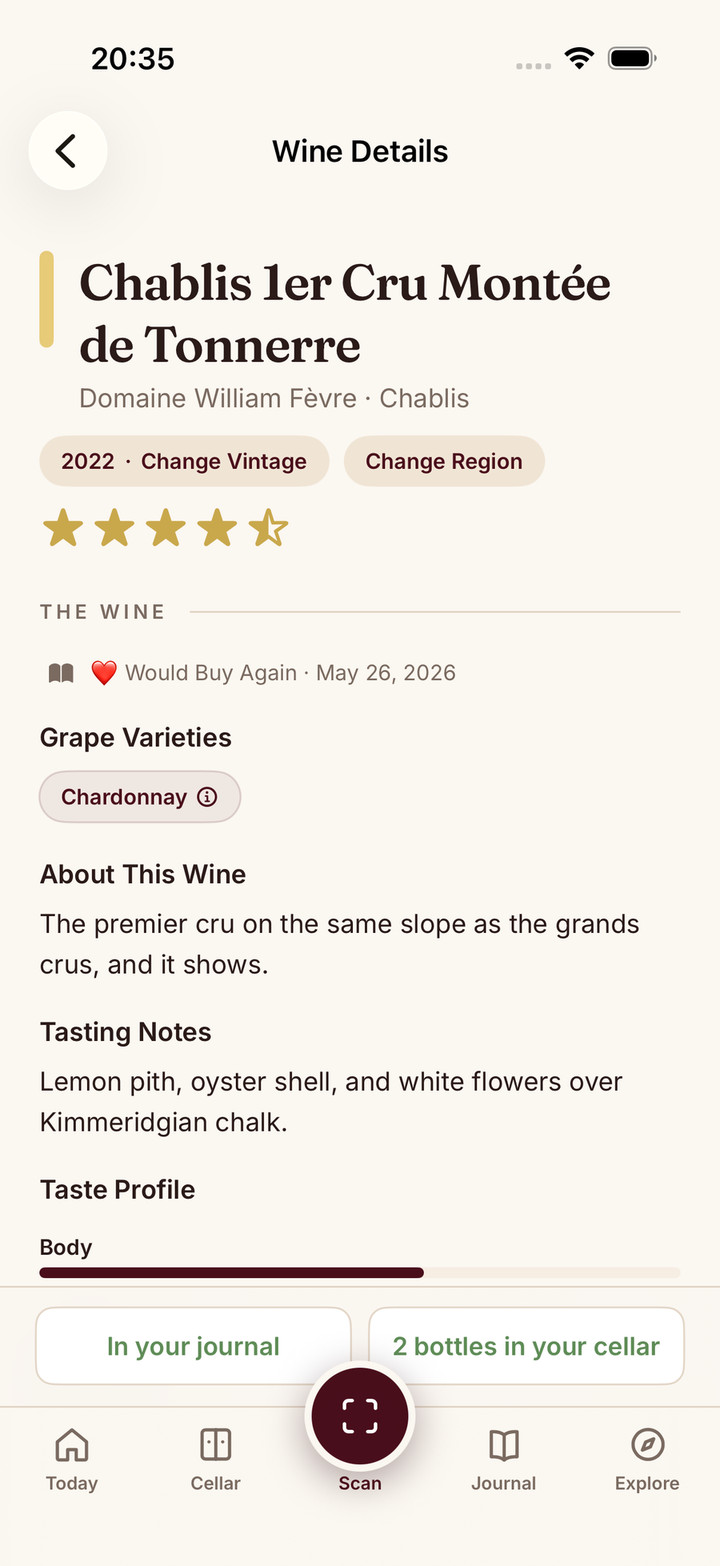
Choosing lighter is easier when you know exactly what is in the glass. Scan a bottle with Sommo to identify the grape and style in seconds, then check the alcohol on the label and log the lighter wines you enjoy. Over a summer you will build a personal list of go-to bottles that feel good the next morning too.
Download Sommo free and find the lighter wines that actually taste worth pouring.