Every serious wine list, every WSET exam and every conversation about fine red eventually arrives at the same fork: Left Bank or Right Bank? It sounds like insider code, but it is a geography lesson simple enough to draw on a napkin, and once you have it, every Bordeaux label starts making sense.
If the choice crosses the Atlantic, Bordeaux versus Napa Cabernet explains why the French bottle is usually more blended and savoury while Napa tastes riper and fuller.
One Estuary, Two Personalities
Bordeaux is split by water. The Garonne and Dordogne rivers meet north of the city to form the Gironde estuary, and the vineyards fall on either side:
- The Left Bank lies west and south: the Médoc running north of the city, and Graves with Pessac-Léognan below it.
- The Right Bank lies north-east of the Dordogne: Saint-Émilion, Pomerol and their satellites.
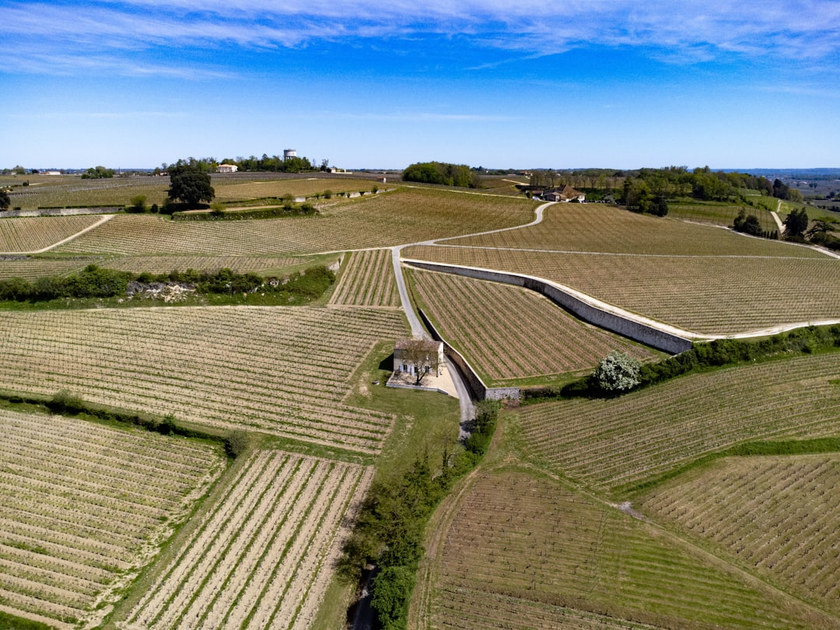
The rivers did more than draw the border; they laid the soils. Ancient gravels dumped on the Left Bank drain fast and hold the day’s heat, exactly what late-ripening Cabernet Sauvignon needs. The Right Bank’s cooler clay and limestone suit earlier-ripening Merlot and Cabernet Franc. Geology chose the grapes; the grapes set the styles.
Left Bank: Structure and Patience
A classic Left Bank red is Cabernet-led with Merlot in support: cassis, cedar, graphite, firm tannin, wines that ask for a decade and repay two. This is the world of the famous 1855 classification, the ranking of Médoc châteaux into five “growths” commissioned for Napoleon III’s Paris Exhibition, still printed on labels as Grand Cru Classé. The commune names function as style notes: perfume in Margaux, power in Pauillac, balance in Saint-Julien, sternness in Saint-Estèphe.
Right Bank: Plush and Sooner
Cross the Dordogne and Merlot takes the lead, often with a generous slice of Cabernet Franc. The wines are rounder and plummier, velvet where the Left Bank is tweed, approachable years earlier yet fully capable of greatness: Pomerol’s Pétrus, effectively pure Merlot, is among the most expensive wines on earth, a useful retort next time someone sneers at the grape (we made the fuller case in why Merlot deserves a second look). Saint-Émilion, with its medieval village and its own separate classification, is the Right Bank’s heart.
The grape contrast is the region’s whole argument in miniature; our Cabernet vs Merlot comparison tastes it head to head.
Reading the Fork at the Shelf
Practical uses for the napkin diagram:
- Buying for tonight? Lean Right Bank, or a softer vintage of the Left.
- Buying to cellar? The Left Bank’s structure is the safer long bet; our ageing cheat sheet has timelines.
- Reading a label? Commune equals bank equals blend: see Pauillac, expect Cabernet; see Pomerol, expect Merlot. No grape names required, the most Old World habit in all of Old World wine.
- Vintages split the banks. Merlot and Cabernet ripen weeks apart, so rain at the wrong moment can bless one bank and bruise the other in the same year; the free wine vintage checker gives a verdict on any specific year.
Once the banks feel learned rather than memorised, the free WSET Level 2 French wine regions quiz will confirm it in a few minutes.
Frequently Asked Questions
What is the difference between Left Bank and Right Bank Bordeaux?
The Left Bank, west of the Garonne and Gironde, has gravel soils and makes Cabernet Sauvignon-led blends: structured, tannic and built to age. The Right Bank, across the Dordogne, has clay and limestone and leads with Merlot: plusher, softer and earlier drinking.
Which appellations are Left Bank and which are Right Bank?
Left Bank: the Médoc communes of Margaux, Pauillac, Saint-Julien and Saint-Estèphe, plus Graves and Pessac-Léognan to the south. Right Bank: Saint-Émilion and Pomerol, with satellites like Fronsac and the Côtes around them.
Is Left Bank or Right Bank Bordeaux better?
Neither; they are two answers to the same landscape. Left Bank suits drinkers who love structure, cassis and long ageing, Right Bank those who prefer plummy softness sooner. Vintage conditions often favour one bank over the other in any given year.
Explore with Sommo
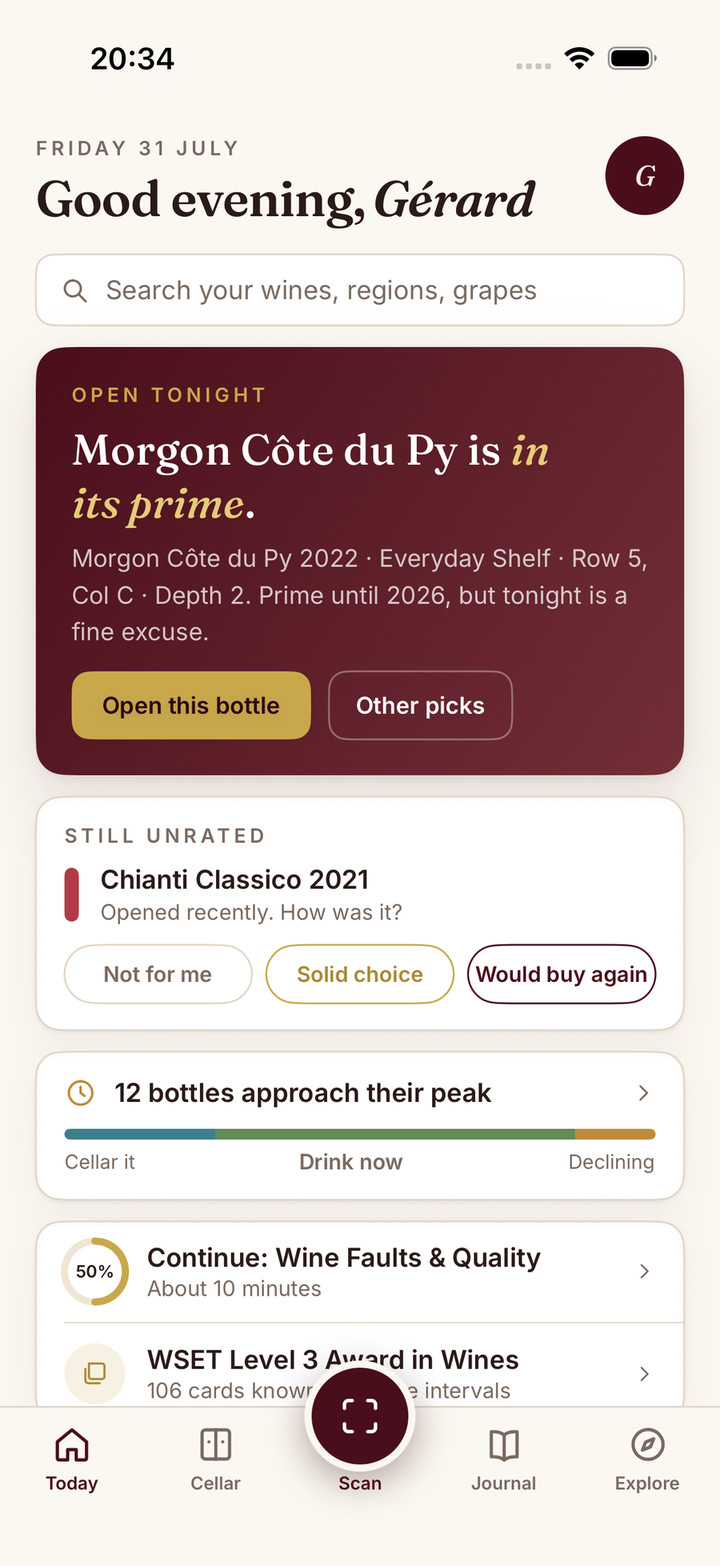
Bank, commune, classification: this is precisely the detail that separates a pass from a distinction in WSET exams, and Sommo’s flashcards drill it until the Médoc communes recite themselves. At the shop, scan any Bordeaux and see its bank, blend and drinking window instantly, then log the ones that convert you in your journal.
Download Sommo free and never be stumped by a Bordeaux list again.