Is WSET Worth It? Yes, Here's Why (and When It's Not)
WSET costs £300 to £3,000 depending on level. We break down exactly who benefits, what it does for your career, and the one case where it's a waste.
WSET (the Wine & Spirit Education Trust) is the world’s most recognized wine education body. Their qualifications are held by sommeliers, wine buyers, restaurateurs, and passionate enthusiasts across 70+ countries.
But is it worth your time and money? That depends on who you are and what you want from wine.
What Is WSET?
The Wine & Spirit Education Trust offers four levels of wine qualification:
- Level 1: Introduction to wine (1 day, ~$300-400)
- Level 2: Intermediate wine knowledge (3-5 days, ~$600-900)
- Level 3: Advanced wine knowledge (5-8 days, ~$800-1,400)
- Level 4: Diploma in Wines (2-3 years part-time, ~$5,000-8,000)
Each level builds on the previous one. Most people start at Level 2 (Level 1 is mainly for absolute beginners or hospitality staff with no wine exposure).
The Case FOR WSET
For Wine Industry Professionals
If you work in wine, as a sommelier, retailer, buyer, importer, marketer, or journalist, WSET is essentially required:
- It’s the industry standard. WSET Levels 2-3 appear in most sommelier and wine buyer job descriptions
- It proves competence to employers without them having to assess your knowledge themselves
- It provides a shared vocabulary with colleagues, suppliers, and clients worldwide
- Level 4 Diploma opens senior doors, head sommelier, wine director, buyer for major retailers
The career ROI for industry professionals is clear. A Level 3 certificate can command a salary premium of 10-20% in hospitality.
For Passionate Enthusiasts
WSET isn’t just for professionals. Many students are enthusiasts who want structured knowledge:
- It organizes what you know, turning scattered wine experiences into coherent expertise
- It teaches you HOW to taste, the SAT methodology transforms casual drinking into analytical tasting
- It fills gaps you didn’t know you had, systematic study covers regions, grapes, and concepts you’d never encounter through casual drinking alone
- It builds lasting confidence, at restaurants, wine shops, dinner parties, and wine tastings
- It connects you to a community, WSET alumni networks and study groups create lifelong connections
For Career Changers
Considering a move into wine? WSET qualifications are the fastest way to establish credibility:
- Level 2 gets you in the door for entry-level wine positions
- Level 3 makes you competitive for serious roles
- Level 4 Diploma puts you alongside industry veterans in terms of credential weight
The Case AGAINST WSET
The Cost Is Significant
Including course fees, study materials, tasting wines, and exam fees, expect to spend:
| Level | Total Cost (Approx.) |
|---|---|
| Level 1 | $300-500 |
| Level 2 | $600-1,000 |
| Level 3 | $1,000-1,800 |
| Level 4 | $5,000-10,000 |
| Levels 1-3 Total | $1,900-3,300 |
That’s real money, especially for a hobby.
The Time Commitment
- Level 2: 3-5 days of classes + 20-40 hours of self-study
- Level 3: 5-8 days of classes + 80-120 hours of self-study
- Level 4: 2-3 years of part-time study
For working professionals with families, this is a significant time investment.
It Doesn’t Teach You to Love Wine
WSET is academic. It teaches facts, frameworks, and analytical skills. It doesn’t teach passion, curiosity, or joy, those have to come from within. Some people find that the exam pressure makes wine feel like work rather than pleasure.
Alternatives Exist
You can learn a tremendous amount about wine without formal certification:
- Wine books (Jancis Robinson’s Wine Grapes, Karen MacNeil’s Wine Bible)
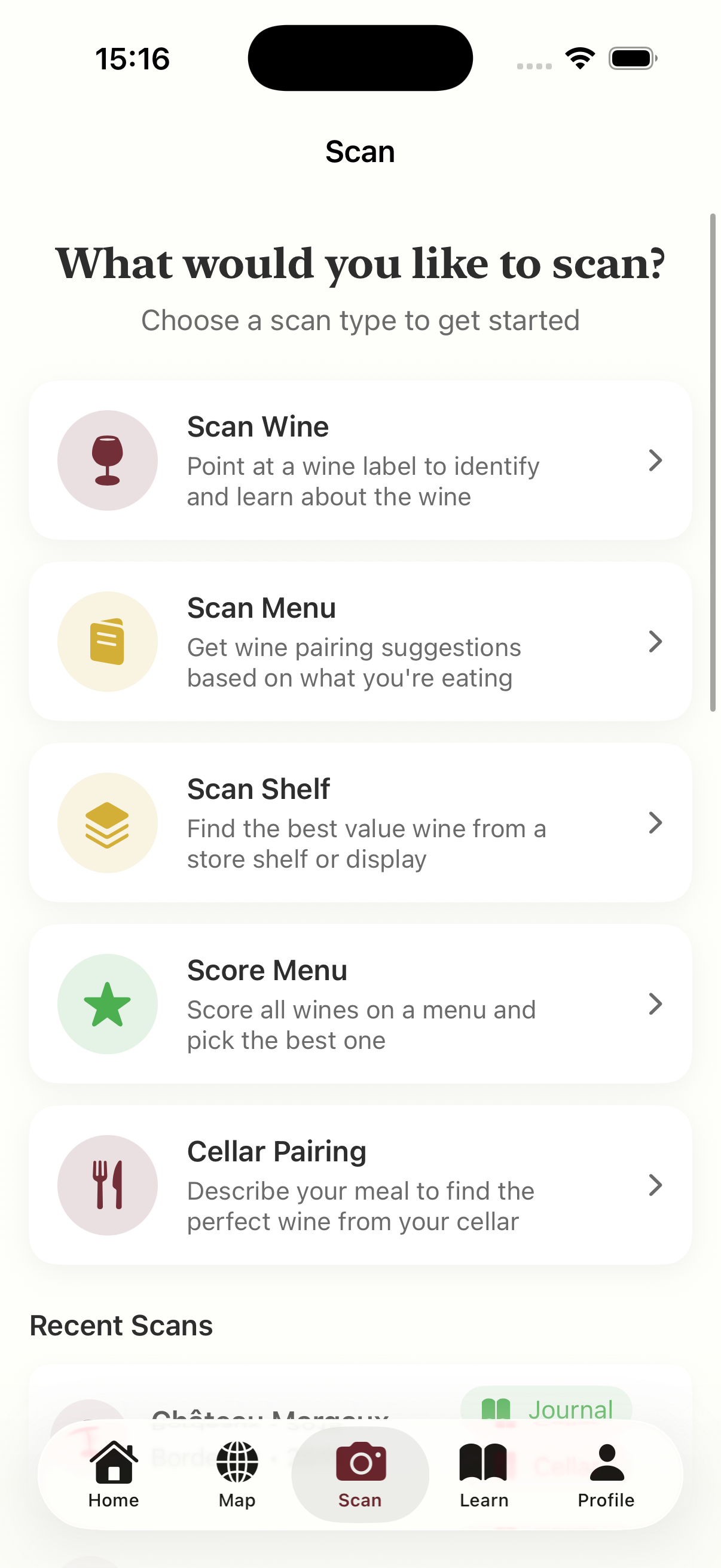
- Apps like Sommo with structured learning and WSET prep tools
- Tastings and wine events
- Apprenticing under knowledgeable mentors
- Self-guided exploration with a wine journal
Who Should Get WSET Certified?
Definitely Worth It
- Wine industry professionals (sommelier, retail, buying, marketing)
- Career changers targeting the wine industry
- Enthusiasts who learn best with structured curricula and exams
- People who enjoy the social aspect of wine classes
Probably Worth It
- Serious enthusiasts who spend $200+/month on wine anyway
- Anyone who wants to understand wine systematically, not randomly
- Travelers who want deeper engagement with wine regions they visit
Maybe Not Worth It
- Casual drinkers happy with their current knowledge level
- People who hate exams and find testing stressful
- Those who’d rather spend the money on actual wine
- Enthusiasts who prefer self-directed learning
How to Maximize WSET Value
If you decide to pursue WSET, here’s how to get the most from it:
Start at Level 2 unless you have zero wine knowledge. Level 1 covers ground that most interested drinkers already know.
Use supplementary study tools. The official WSET materials are dense. Sommo’s WSET prep features, flashcards with spaced repetition, practice quizzes, and mock exams, help you retain information more efficiently than re-reading notes alone.
Practice tasting systematically. The tasting component trips up many students. Use Sommo’s Tasting Note Wizard to practice the SAT method with AI feedback before the exam.
Build a study group. Sharing wines and studying together is more effective (and more fun) than solitary study. Many WSET providers facilitate this.
Don’t rush between levels. Give yourself time to internalize each level’s material before moving on. The knowledge compounds, Level 3 is dramatically easier when Level 2 content is truly mastered.
The Bottom Line
WSET certification is worth it if you’re pursuing a wine career or if you’re an enthusiast who values structured education and wants a recognized credential. The knowledge is genuinely transformative, it changes how you taste, buy, and enjoy wine forever.
But it’s not the only path to wine expertise. Self-directed learning through apps like Sommo, good books, tastings, and travel can build tremendous knowledge without the cost and pressure of formal exams.
The real question isn’t “is WSET worth it?”, it’s “what kind of learner am I, and what do I want from my wine education?” Answer that honestly, and the right path becomes clear.
Liked this read? Try the app.
Scan any wine label with AI, build your tasting journal, and learn wine your way.