You find a bottle at the back of a cupboard, or inherit a case, or spot a dusty label at the shop. The question is always the same: is this still good, or has the moment passed? The honest answer is that most wine is not built to last, a few bottles are, and there are quick ways to tell which you are holding.
Most wine is made to drink young
The great majority of wine sold today is meant to be opened within a year or two of release. Crisp whites, most rosé, easy-drinking reds and nearly all sparkling wine are at their best young and fresh. They do not “improve” in a cupboard; they slowly fade. If a bottle like that is several years past its vintage, it is probably tired rather than dangerous.
Age-worthy wines are the exception: structured reds, fine Riesling, top Champagne, Barolo, classed-growth Bordeaux and sweet wines with the acidity to carry them. These can gain complexity for a decade or more.
Signs a wine is past its best
Before you write a bottle off, look, smell and taste:
- Colour: a white turning deep gold or brown, or a red going brick and pale at the rim, suggests age. On a young wine, that is a warning.
- Smell: flat, nutty, sherry-like or vinegary aromas on a wine that should be fresh point to oxidation.
- Taste: if the fruit has gone and only sourness or bitterness remains, its window has closed.
None of this will make you ill. Old wine is not unsafe, it is just no longer enjoyable. The worst case is a faulty or corked bottle, which is a separate issue from age.
Storage decides almost everything
A bottle kept cool, dark and on its side will outlast the same wine left upright next to a warm oven. Heat and light are the enemies. If a wine has been stored badly, treat its age with suspicion no matter how promising the label. For the reverse case, our guide on how long wine lasts after opening covers bottles you have already pulled the cork on.
Check the window before you open
Rather than guess, you can check where a specific wine sits on its drinking curve. Our free drinking window checker takes the wine and its vintage and tells you whether it is too young, in its prime, or drink-soon territory. Include the year as you type (for example “Rioja 2015”) and it goes straight to the verdict.
If you want the reasoning behind those windows, we explain how Sommo estimates drinking windows, and there is a worked example in when Barolo is ready to drink.
When in doubt, open it
Here is the freeing part: the only real way to know is to pull the cork. A bottle sat waiting is doing no good to anyone. If it is past its best, you have lost a glass, not a fortune, and even a faded red can find a second life in the kitchen.
Explore with Sommo
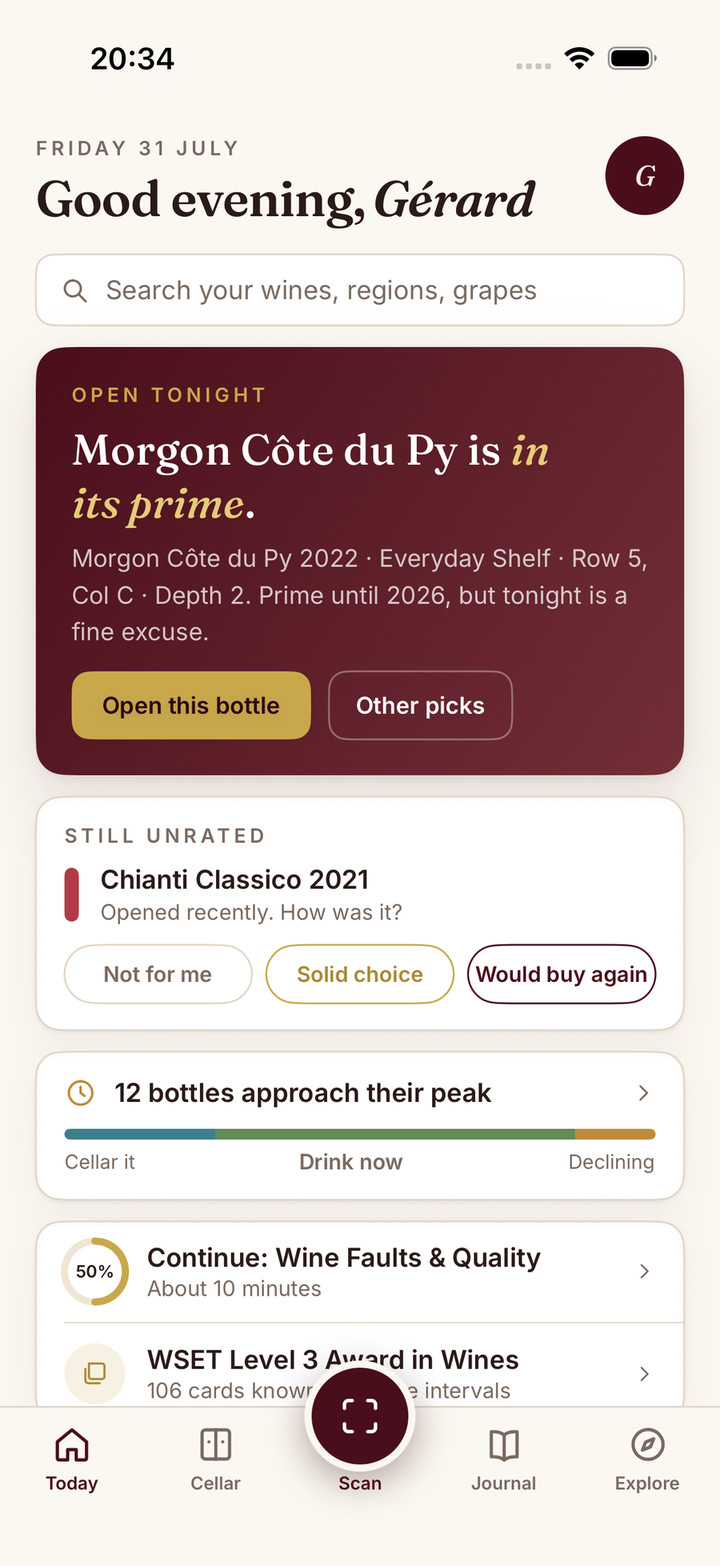
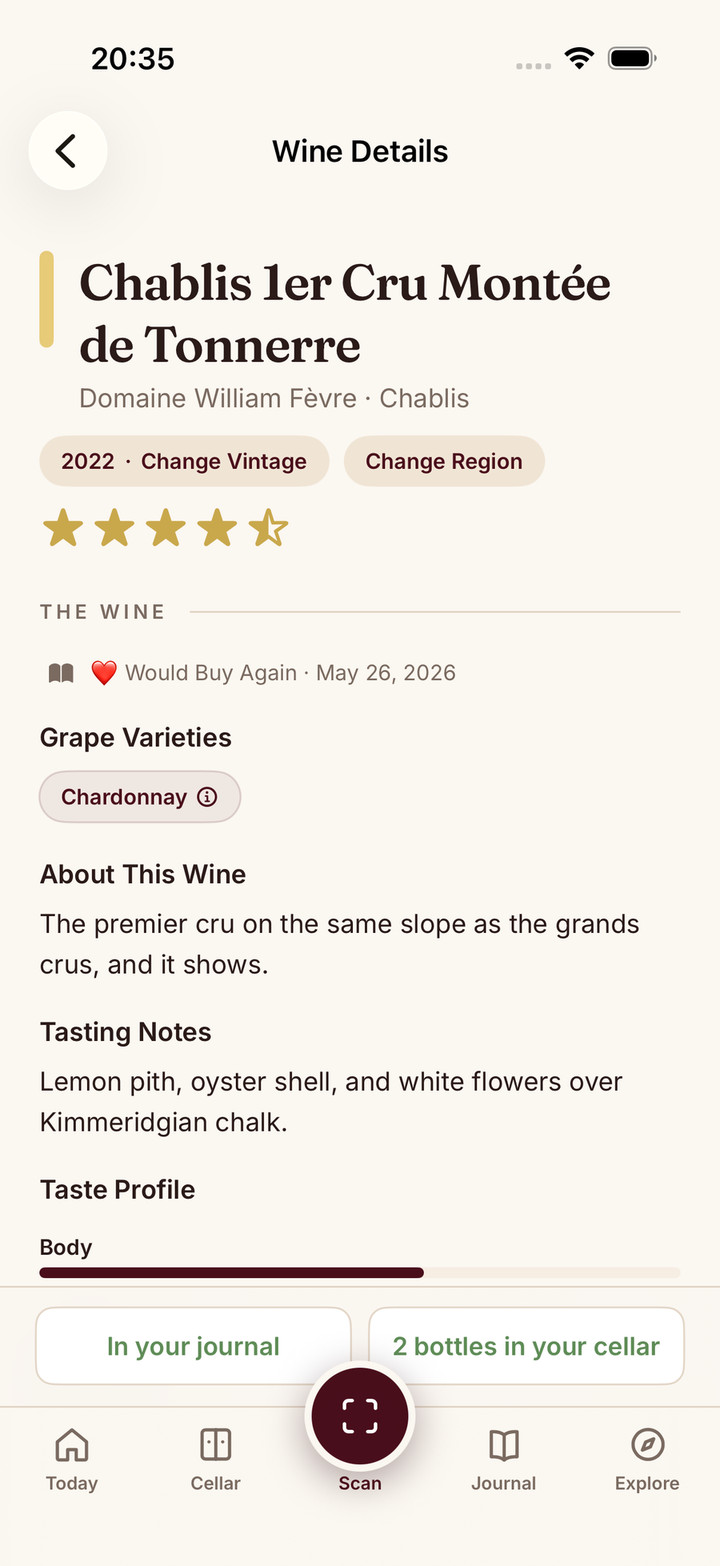
Sommo tracks the drinking window of every bottle you scan, so you never have to dig through a cupboard wondering again. It tells you which wine to open next, before the window closes.
Download Sommo free and let it watch your bottles for you. 🍷