The first job with an inherited wine collection is not to price every bottle or open the oldest one. Keep the storage stable, document what exists and establish who can make decisions about it. A careful first weekend can prevent accidental heat damage, duplicate handling and the loss of provenance that makes an unusual bottle harder to assess.
This is a triage plan for someone suddenly responsible for a cellar, not a guide to building a new one. If the collection forms part of an estate, follow the executor’s or owner’s instructions before removing, selling or distributing bottles. Rules differ by location, so seek local professional advice where ownership or sale rights are unclear.
Day one: leave the room as you found it
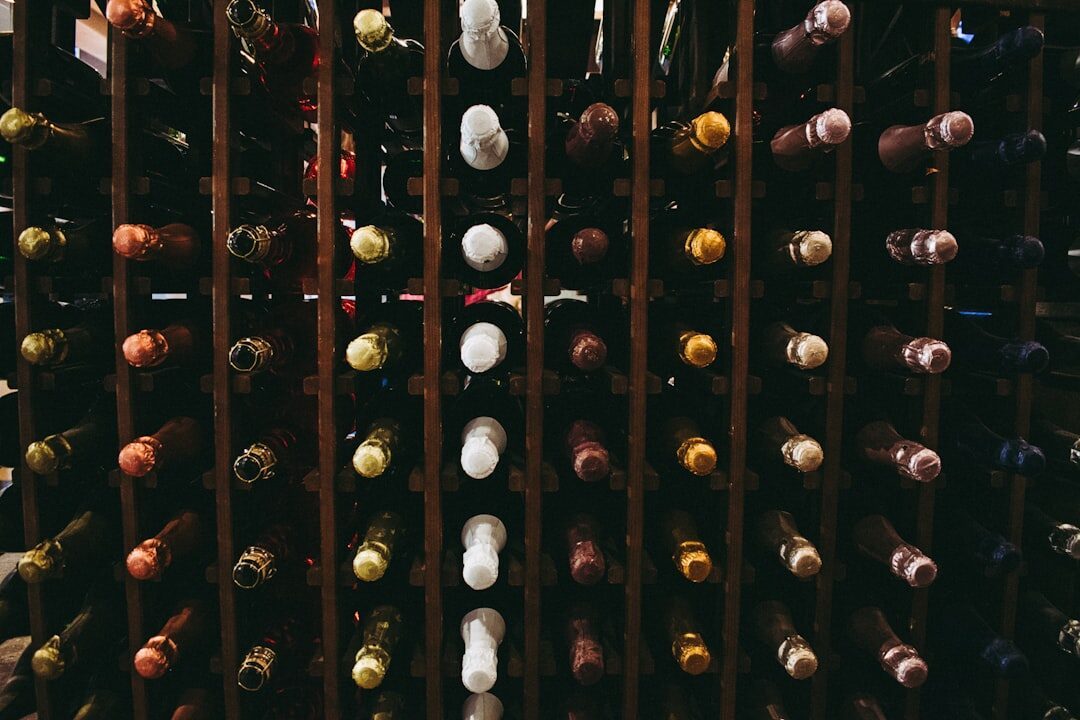
Photograph the shelves and any boxes before rearranging them. Record the room temperature if you can, whether cooling equipment works, and any signs of a leak, direct sunlight or prolonged heat. A stable, cool space usually gives you time to take stock. A hot garage or failed cooling unit needs quicker attention, ideally with help from someone who moves wine professionally.
Avoid scrubbing dusty labels or discarding original cases. An intact label, capsule, case and storage record may matter for identifying and assessing the bottle. Dust is not itself a wine fault. If you must move a bottle, note where it came from so you can put the collection back together.
Day two: make an inventory, not a valuation
Start shelf by shelf. For each bottle, capture producer, wine, vintage, bottle size, quantity and shelf position. Take a clear photograph of the front and back labels. Add notes about fill level, seepage, damaged capsules or a pushed cork, without assuming any single sign proves the wine is spoiled.
Separate the list into four working groups:
- Drink soon: everyday wines and bottles unlikely to benefit from further keeping.
- Research: wines that may be age-worthy but need identification or a drinking-window check.
- Potentially valuable: recognised producers, rare vintages or original cases that merit appraisal.
- Unclear condition: bottles with worrying storage history or visible damage.
Do not value a bottle from a search result showing another vintage or condition. Retail asking prices, auction estimates and completed sales answer different questions. The wine ageing cheat sheet can help with broad style expectations, but no chart can certify an individual bottle.
Decide what to open, hold or ask about
With a case of ordinary wine, opening one representative bottle can reveal more than debating the label. Pour it, smell and taste it, and decide whether the rest deserves attention. For a potentially valuable or irreplaceable bottle, do not use that experiment before speaking to a specialist. Storage history matters: a modest wine kept well may be more enjoyable than a famous bottle kept hot.
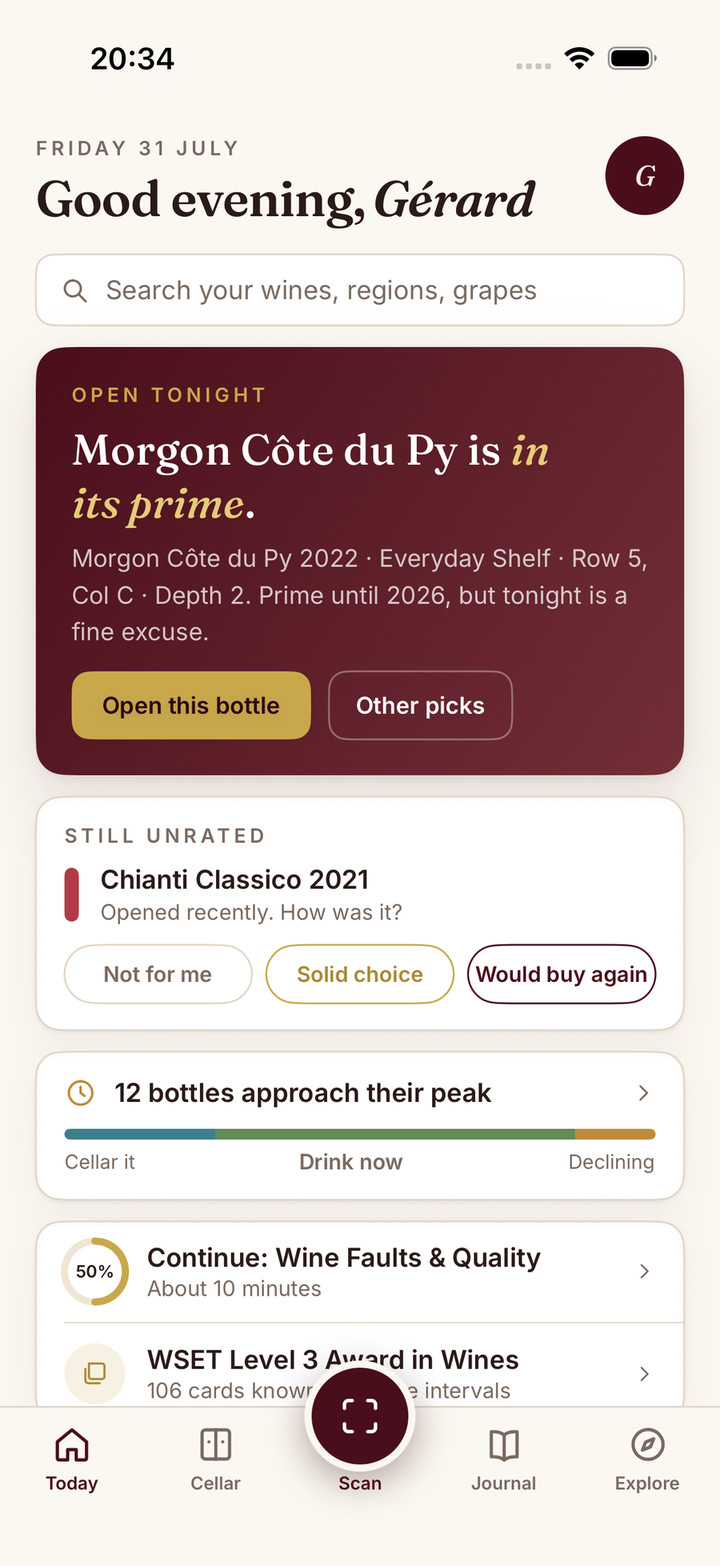
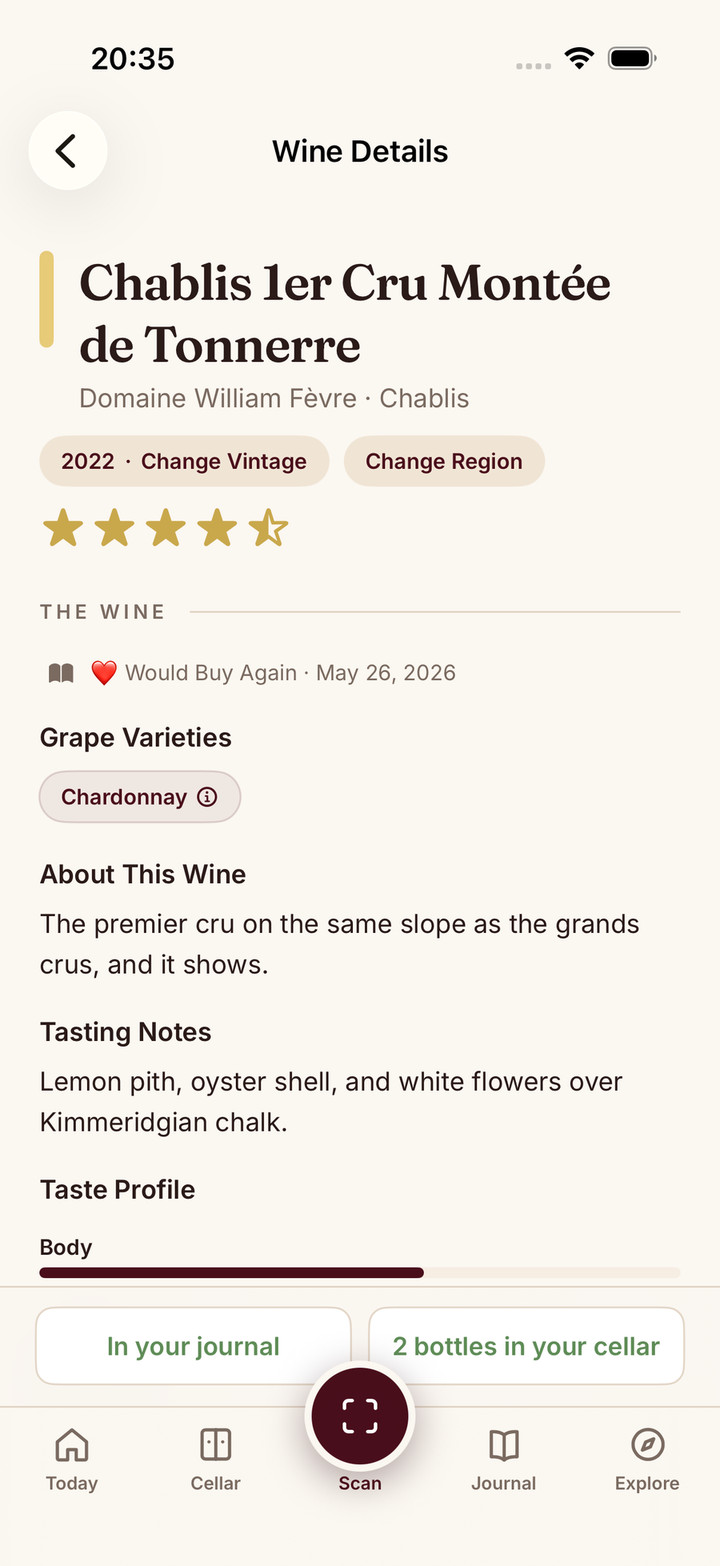
If you plan to retain the collection, arrange bottles so location and inventory agree. Our storage guide covers the practical conditions, while the cellar app versus spreadsheet guide helps choose a system you will actually maintain. Save the labels and locations in Sommo if you want the inventory and your tasting notes in one place.
The goal after one weekend is modest: know what you have, know what needs attention and know what is not yours to decide yet. You can enjoy the collection later without rushing the decisions that cannot be undone.