Opening a wine bottle is easy. Closing it again is the part nobody teaches you. You pour two glasses, set the bottle aside, and then look at the cork, which has somehow doubled in size and refuses to slide back in. Force it and you damage the cork. Leave the bottle open and the wine flattens within hours. There is a right way to recork a bottle, and there are several wrong ways. This guide covers all of them, plus what to use when the original cork is genuinely beyond saving.
We will walk through five practical methods for resealing a wine bottle after opening, explain why each one works, and show you which method to use in which situation. The goal is to keep the rest of the bottle drinkable for as long as possible, which for most wines means one to three days, and for some wines significantly longer.
Why the Cork Swells After Opening
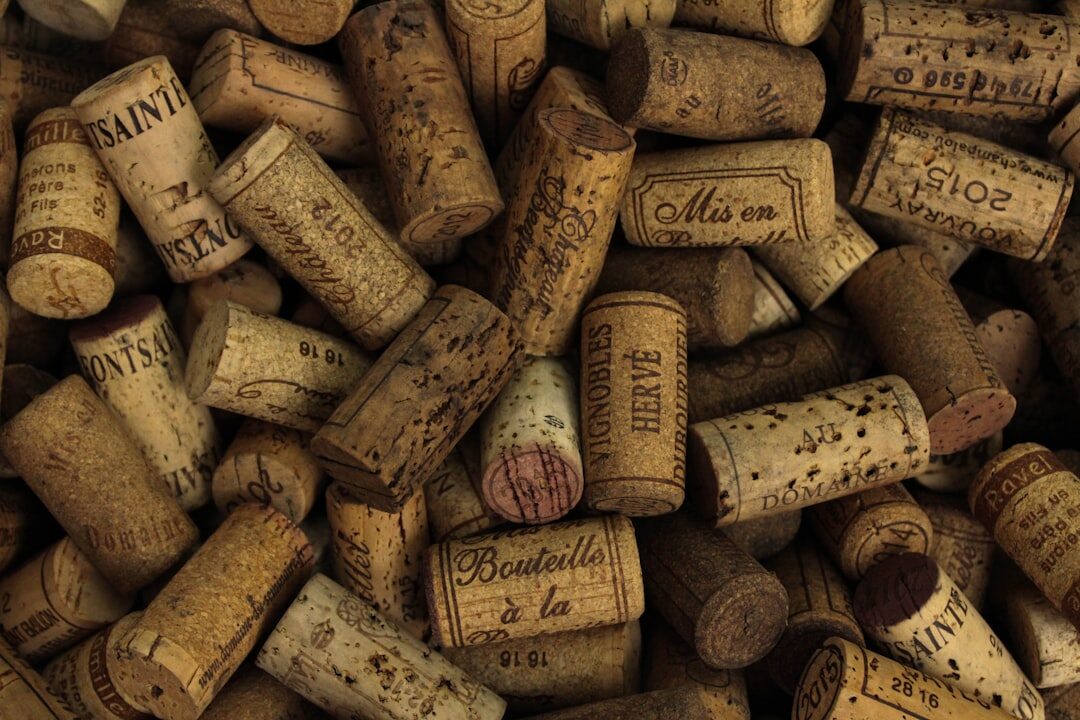
When wine is bottled at a winery, the cork is compressed and inserted under pressure. Once inserted, it slowly expands to fill the inside of the bottle neck, creating a tight seal. Over the years in the bottle, the cork stays in this expanded state, but the bottom of it (the part touching the wine) absorbs moisture and swells slightly more.
When you pull the cork out, two things happen. First, the cork is no longer constrained by the neck of the bottle, so it expands further. Second, the moist bottom of the cork dries out faster than the dry top, which causes uneven shrinking and warping. By the time you have poured your first glass, the cork is almost always a slightly different shape than when it left the bottle.
This is why brute force does not work. You cannot squeeze the original cork back to its original diameter without damaging it.
Method 1: Flip the Cork Upside Down
The simplest method, and the one most people use without thinking about it. Take the cork, flip it so the dry end (the end that was facing out of the bottle) now faces the wine, and gently push it back into the neck.
Why it works: The dry end is narrower than the wet, swollen end. It will slide back into the neck with reasonable force.
Why it works only sometimes: The dry end is also less compressible. If the bottle neck is narrow or the cork has warped significantly, it still will not fit.
Best for: Wines you plan to finish within 24 to 48 hours. The seal is imperfect and you will see oxidation start to set in by day three.
The technique: Wipe the wet end of the cork with a paper towel before flipping. Push the dry end in straight down. Do not twist; twisting damages the cork structure. Store the bottle upright in the fridge (yes, even reds) to minimise the surface area exposed to air.
Method 2: Use a Vacuum Pump
A wine vacuum pump is a small device with a rubber stopper and a hand-pump that pulls air out of the bottle, creating a partial vacuum. The most common consumer brand is Vacu Vin, which has been on the market since the 1980s and costs around $10 to $15.
How it works: Insert the rubber stopper. Pump the handle until you hear or feel resistance. The vacuum slows oxidation by reducing the oxygen in contact with the wine.
Why it works better than recorking: The vacuum addresses the root cause of post-open wine deterioration, which is oxidation, not just air exchange.
The limits: A vacuum is never perfect. Slow re-entry of air will eventually equalise pressure inside the bottle. The wine will still oxidise, just more slowly than with an exposed surface.
Best for: Wines you plan to finish within three to five days. A properly vacuumed bottle of medium-bodied red or full-bodied white can taste close to its original character for that whole window, especially if refrigerated.
Buying tip: Vacuum pump kits include reusable rubber stoppers. The stoppers can crack after a year or two of regular use, so buy refills as needed.
Method 3: Use an Inert Gas Spray
The professional solution. Devices like Coravin and Private Preserve introduce an inert gas (argon, nitrogen, or a blend) into the bottle, which sits on top of the wine and prevents oxygen contact altogether.
How it works: A small canister sprays a few seconds of gas into the bottle through the open neck. The gas, denser than air, settles over the wine and acts as a barrier. Reseal the bottle with any standard stopper (the original cork flipped, a vacuum stopper, or a glass stopper) and the inert gas does the preservation work.
Why it is the best preservation method: Wine deteriorates because of oxygen. Eliminate oxygen contact and the wine stays close to fresh for weeks, not days.
The limits: The canisters and Coravin device itself cost real money. A Coravin Pivot starts around $80; the more sophisticated Coravin Timeless system runs $300 to $600. The gas cartridges are about $10 each and last for 20 to 30 uses.
Best for: Serious wine drinkers, collectors who want to taste a single bottle across multiple evenings, or anyone who routinely opens a bottle and wants to drink one glass without committing to finishing it.
A note on Coravin specifically: The high-end Coravin systems use a thin needle that pierces the cork without removing it, then injects argon and extracts wine. The cork reseals itself afterwards. This is the most elegant preservation system in existence and changes how you can drink premium wine at home.
Method 4: Replace the Cork With a Glass or Synthetic Stopper
If the original cork is genuinely damaged (split, broken, or shedding cork particles into the wine), the right move is to replace it entirely. Glass stoppers, silicone stoppers, and reusable rubber stoppers are all widely available and inexpensive.
Glass stoppers create a tight, reliable seal. The premium-feeling option, though slightly more expensive ($5 to $10 each).
Silicone stoppers are cheaper ($3 to $5), seal reasonably well, and come in many colours so you can label different wines.
Champagne stoppers are specifically designed for sparkling wines and have a lever-locking mechanism that holds the bottle against internal pressure. A different product entirely from still-wine stoppers, but essential if you ever open sparkling wine without finishing it.
Best for: Any bottle where the original cork is damaged, where you plan to drink the wine over several days, or where you simply want a more reliable seal than a flipped cork.
Storage: Keep replacement stoppers in a drawer or wine cabinet. Wash and dry between uses.
Method 5: Decant Into a Smaller Bottle
The unexpected method that works dramatically well. If you have half a bottle of wine left and a clean smaller bottle (half-bottle, 375 ml format), pour the wine into the smaller bottle and seal it. The wine fills the smaller bottle completely, leaving almost no air space, and the lack of oxygen contact preserves the wine far better than any cork.
How it works: Oxidation depends on the surface area of wine exposed to oxygen. A half-empty 750 ml bottle has roughly 350 ml of air in contact with the wine. A full 375 ml bottle has almost none.
Why it is underrated: This works better than every method except inert gas. The cost is zero if you keep empty half-bottles, and it requires no specialised equipment.
Best for: Wines you want to keep for a week or more. Particularly useful for older, fragile wines that oxidise quickly.
The technique: Sterilise the empty smaller bottle with hot water (rinse well, dry inverted). Pour the wine in carefully, leaving as little headspace as possible. Cork or seal the smaller bottle. Store in the fridge or wine cabinet.
Where to source half-bottles: Save half-bottles from previous purchases (especially dessert wines, which often come in 375 ml). Some wine shops also sell empty half-bottles for cellar use. Restaurants and wine bars sometimes give them away.
Refrigeration: The Universal Boost
Regardless of which method you use, refrigerating the bottle after recorking extends its life by 30 to 50 percent. Cold temperatures slow every chemical reaction in the wine, including oxidation.
This applies to red wine too. The conventional wisdom that “red wine should be stored at room temperature” applies only to unopened bottles in a cellar. Once a bottle is open, refrigeration is genuinely better. Pull it out 30 minutes before serving to let it warm to serving temperature.
For more on serving temperatures, see our wine serving temperature guide.
How Long Each Method Keeps Wine Fresh
A rough guide. Actual freshness depends on the wine itself (which we will cover next).
| Method | Approximate freshness |
|---|---|
| Open bottle, no seal | 6 to 12 hours |
| Flipped cork at room temperature | 24 hours |
| Flipped cork, refrigerated | 48 hours |
| Vacuum pump, refrigerated | 3 to 5 days |
| Inert gas (Coravin or similar) | 1 to 3 weeks |
| Decanted into smaller bottle | 5 to 7 days |
| Inert gas plus smaller bottle | 3 to 6 weeks |
Wines That Survive Longer Open
Not every wine deteriorates at the same rate. Some wines actually improve slightly with a day or two of air contact. Others fade within hours.
Wines that hold up well open (3+ days with proper recorking):
- Full-bodied reds (Cabernet Sauvignon, Syrah, Bordeaux, Napa Cab)
- Heavily oaked Chardonnay
- Vintage Port (lasts weeks)
- Sherry (Fino lasts days, Oloroso lasts months)
- Madeira (essentially immortal once open)
Wines that fade fast (drink within 24 to 48 hours):
- Beaujolais and other light Gamay
- Pinot Noir, especially older bottles
- Sparkling wine (loses bubbles within 24 hours even with a Champagne stopper)
- Crisp whites (Sauvignon Blanc, basic Pinot Grigio)
- Most rosé
Wines that improve with air:
- Tightly structured young Bordeaux or Barolo (drinks better on day two)
- Tannic young Napa Cabernet
- Some serious natural wines that are reductive on opening
For more on how long different wines last, see our how long does wine last after opening guide.
A Note on Broken Corks
If the cork breaks during opening and a chunk falls into the wine, do not panic.
- Pour the wine through a fine mesh sieve into a decanter or jug.
- Discard the cork pieces.
- Use a glass or silicone stopper to seal the remaining bottle.
The wine itself is unaffected by cork fragments touching it briefly. The taint that ruins wine (“cork taint” or TCA) comes from a chemical compound in damaged corks, not from physical contact with cork bits.
Sparkling Wine: A Different Problem
Sparkling wine cannot be resealed with its original cork. The mushroom-shaped Champagne cork has expanded too much, and the internal pressure of the bottle pushes any standard stopper out within hours.
The right tool: A Champagne stopper. This is a metal or plastic device with a lever-locking mechanism that grips the lip of the bottle and holds against internal pressure. Costs around $10 to $20. Essential if you ever want to save half a bottle of bubbly.
Realistic expectations: Even with a proper Champagne stopper, sparkling wine loses noticeable carbonation within 24 hours. The flavour holds for 48 hours, but the texture changes. Plan to finish sparkling wines within a day of opening.
What to Avoid
A few methods that show up in old wine advice and are now considered unreliable.
Wrapping the cork in plastic wrap before reinserting. Adds friction, makes the seal worse not better. Skip.
Heating the cork briefly to soften it. Damages the cork structure and can affect the wine. Skip.
Using a wine charm or decorative stopper as the primary seal. Most decorative stoppers are aesthetic only and do not seal well. Use a real stopper.
Sticking the cork in mostly but not fully. Leaves a gap that admits air. Push the cork down until it is flush with the bottle’s rim.
The Best Setup at Home
For most casual wine drinkers, a $20 setup covers nearly every scenario:
- A vacuum pump kit ($10 to $15) with three or four rubber stoppers. Vacu Vin is the standard.
- A Champagne stopper ($10 to $15) for sparkling wines.
- A few glass or silicone stoppers as backup ($10 for a four-pack).
- A handful of clean empty half-bottles for the decant-into-smaller-bottle trick.
Total: under $30. Will save you dozens of bottles of wine over its lifetime.
For more on storage and serving, see our wine storage tips guide and the cellar building guide.
Explore with Sommo
Recording when you open a bottle is half of the preservation game. The other half is remembering to finish it. Sommo lets you log each bottle as opened, set a target drink-by date, and get a notification when you are approaching the end of the wine’s open-bottle window. You can also note tasting impressions on day one, day two, and day three to see how the wine evolves, which is a fascinating record over time.
Download Sommo free and stop wasting the second half of every good bottle.