How to Read a Wine Label (Without Feeling Lost)
Wine labels can look like a foreign language. Here's your friendly guide to decoding them and picking better bottles with confidence.
You’re standing in a wine shop, staring at a wall of bottles. Each one has a label covered in unfamiliar words, fancy crests, and what might be important information. If only you knew what any of it meant. Sound familiar?
Don’t worry. Wine labels aren’t designed to confuse you (even if it sometimes feels that way). Once you know what to look for, you’ll be picking bottles like a pro. Let’s break it down.
Anatomy of a Wine Label
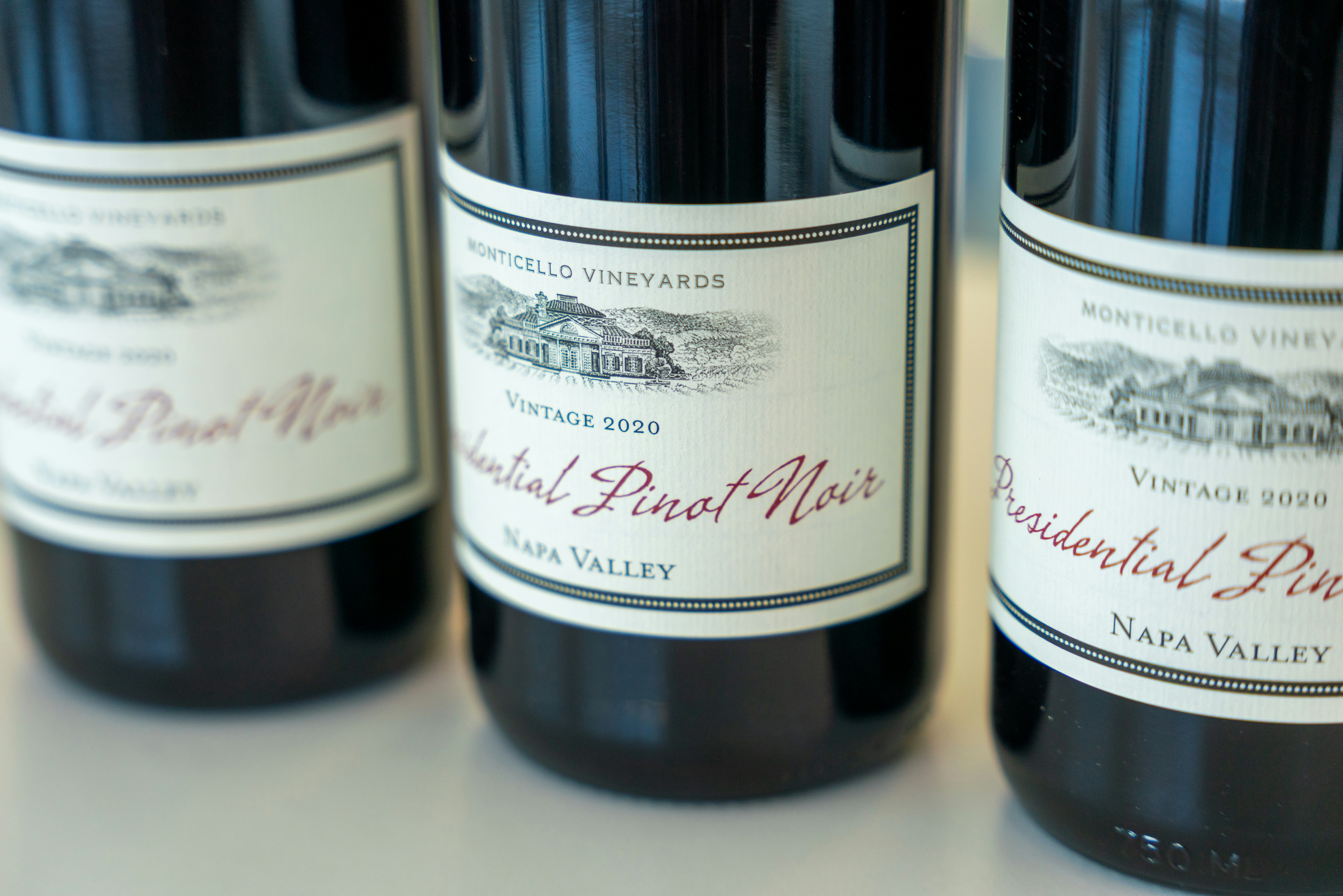
Before we dive into the details, here’s a visual guide to where you’ll typically find each element on a wine label:
┌─────────────────────────────────────┐
│                                     │
│         CHÂTEAU EXAMPLE             │  ← Producer/Winery Name
│           ~~~~~~~~~~~~              │
│             Est. 1892               │
│                                     │
│     ┌───────────────────────┐       │
│     │                       │       │
│     │    [Winery Crest]     │       │
│     │                       │       │
│     └───────────────────────┘       │
│                                     │
│            ~ 2021 ~                 │  ← Vintage Year
│                                     │
│        CABERNET SAUVIGNON           │  ← Grape Variety
│                                     │
│          NAPA VALLEY                │  ← Region/Appellation
│     Appellation Napa Valley         │
│                                     │
│   750ml          14.5% alc/vol      │  ← Alcohol Content
│                                     │
└─────────────────────────────────────┘
Now let’s explore what each element means.
The Essentials: What Every Label Tells You
No matter where a wine comes from, most labels share a few key pieces of information. Here’s your cheat sheet:
Producer or Winery Name
This is who made the wine. It’s usually the most prominent text on the label. Some producers have been making wine for centuries, while others are exciting newcomers. Over time, you’ll start recognizing names you trust.
Region or Appellation
Where the grapes were grown matters. A lot. Wine grapes absorb characteristics from their environment (soil, climate, altitude), which winemakers call terroir. A Chardonnay from Burgundy tastes different from one grown in California, even though it’s the same grape.
Look for place names like Napa Valley, Rioja, Chianti, or Marlborough. The more specific the region, the more tightly regulated the wine typically is.
Vintage Year
This is the year the grapes were harvested. It tells you how old the wine is and can indicate quality, since some years produce better grapes due to weather conditions. For everyday drinking, don’t stress too much about vintage. But if you’re buying something special, it’s worth a quick search.
Grape Variety
Many wines proudly display the grapes used: Cabernet Sauvignon, Pinot Grigio, Malbec, and so on. This is especially common on New World wines (think USA, Australia, Chile, Argentina). Knowing the grape gives you a good idea of what to expect in terms of flavor.
Alcohol Content
Usually tucked away in small print, this percentage tells you how strong the wine is. Most wines fall between 11% and 15%. Lighter wines (like many German Rieslings) hover around 8% to 11%, while bold reds can push 14% to 15% or higher.
Old World vs. New World: Two Different Approaches
Here’s where things get interesting. Wine labels vary depending on where the wine comes from.
Old World Labels (Europe)
European wines from France, Italy, Spain, and Germany tend to emphasize where the wine is from rather than what grape it’s made from. A bottle might say “Burgundy” without mentioning that it’s made from Pinot Noir. The assumption is that you know Burgundy means Pinot Noir.
This can feel intimidating at first, but it reflects a philosophy: the place matters more than the grape. Once you learn a few key regions and their signature grapes, Old World labels become much easier to navigate.
Quick cheat codes:
| Region | Country | Grape(s) |
|---|---|---|
| Burgundy | France | Pinot Noir (red) or Chardonnay (white) |
| Bordeaux | France | Cabernet Sauvignon and Merlot blends |
| Chianti | Italy | Sangiovese |
| Rioja | Spain | Tempranillo |
New World Labels (Everywhere Else)
Wines from the Americas, Australia, New Zealand, and South Africa typically put the grape variety front and center. You’ll see “Sauvignon Blanc” or “Shiraz” in big letters, making it straightforward to know what you’re getting.
Neither approach is better. They’re just different traditions. And many modern winemakers mix both styles.
Bonus Label Terms Worth Knowing
You might spot some of these terms on your next bottle:
| Term | What It Means |
|---|---|
| Reserve | Theoretically indicates higher quality or longer aging. In some countries (like Spain), it’s legally defined. In others, it’s more of a marketing term. |
| Estate Bottled | The winery grew the grapes and made the wine on their property. Generally a good sign of quality control. |
| Grand Cru / Premier Cru | French classifications indicating top tier vineyards. These wines are typically more expensive and, ideally, more exceptional. |
| Organic / Biodynamic | Refers to farming practices. Organic means no synthetic pesticides or fertilizers. Biodynamic takes it further with holistic farming methods. |
| Vieilles Vignes | French for “old vines.” Older vines often produce more concentrated, complex grapes. |
The Back Label: Your Secret Weapon
Don’t ignore the back of the bottle. Many wines include tasting notes, food pairing suggestions, and serving recommendations. It’s basically a mini guide written by the people who made the wine.
Put It Into Practice
Next time you’re browsing wines, try this: pick up a bottle and identify the producer, region, grape (if listed), and vintage. That’s four key facts in seconds. Do this a few times, and reading labels becomes second nature.
Or, if you want the instant route, just scan the label with Sommo. The AI will decode everything for you: grape varieties, tasting notes, food pairings, and even the story behind the wine. No memorization required.
The Bottom Line
Wine labels aren’t gatekeeping you from good wine. They’re actually trying to help. Once you understand the basics, that wall of bottles transforms from overwhelming to exciting. Every label is an invitation to try something new.
So go ahead, pick up that interesting looking bottle. You’ve got this.
Frequently Asked Questions
What does vintage year mean on a wine label?
The vintage year indicates when the grapes were harvested, not when the wine was bottled. It tells you the wine’s age and can indicate quality, since weather varies year to year. For everyday wines, vintage matters less than for premium bottles.
What does ‘Reserve’ mean on a wine label?
The meaning of ‘Reserve’ varies by country. In Spain and Italy, it indicates legally mandated longer aging. In the USA and many other countries, it has no legal definition and is often used as a marketing term for premium selections.
What’s the difference between Old World and New World wine labels?
Old World labels (Europe) emphasize the region where grapes were grown, assuming you know the region’s traditional grapes. New World labels (Americas, Australia) prominently display the grape variety, making it easier to know what you’re getting.
What does ‘Estate Bottled’ mean?
Estate Bottled means the winery grew the grapes and produced the wine on their own property. This indicates more control over quality from vineyard to bottle and is generally considered a positive sign.
Why don’t French wine labels show the grape variety?
French wine tradition emphasizes terroir (place) over grape variety. A label saying ‘Burgundy’ implies Pinot Noir or Chardonnay because those are the only grapes allowed in that appellation. The region’s strict rules make grape listing redundant.