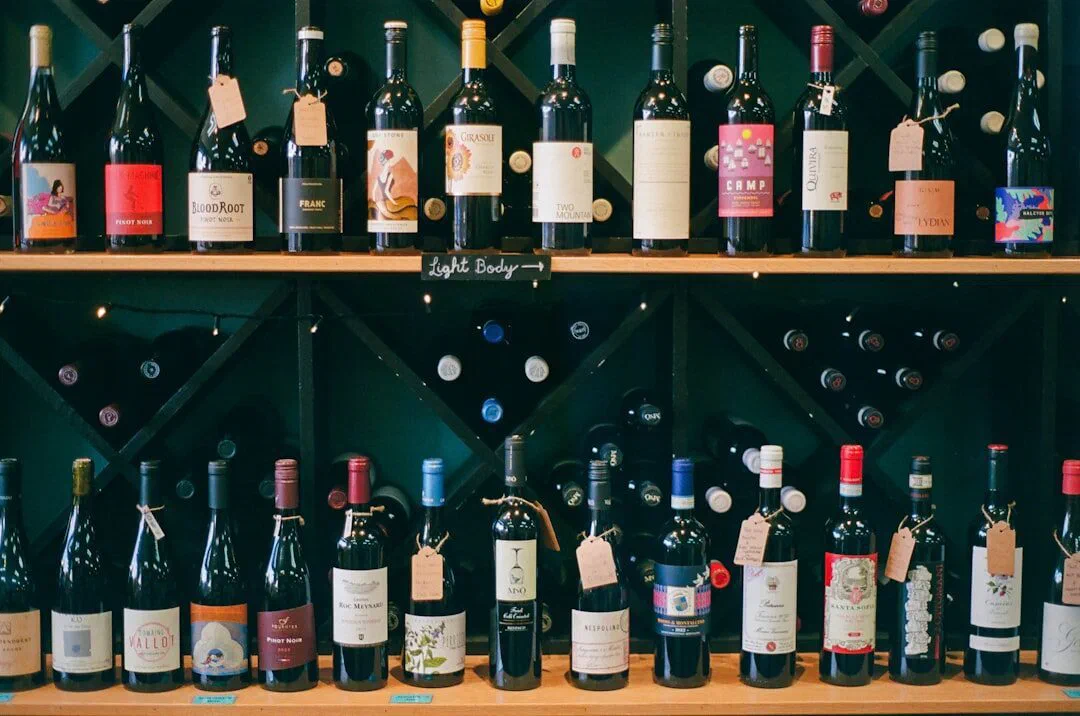
You are standing in the supermarket wine aisle. There are 200 bottles in front of you. You have about three minutes before the ice cream in your trolley turns to soup. You do not want to spend $25, you do not want to drink something that tastes like cleaning fluid, and you definitely do not want to ask the teenager restocking the shelf for a recommendation. This is the most common wine-buying scenario in the world, and almost nobody handles it well.
The good news is that you can dramatically improve your hit rate with a 30-second framework. It does not require knowing wine. It does not require reading every label. It requires three quick questions and one tool. Here is exactly how to do it.
The 30-Second Framework
Before you walk into the aisle, decide on three things. Each one takes about ten seconds.
- What are you drinking it with? Pizza tonight? A roast on Sunday? A glass on the sofa after work? The food (or absence of food) dictates the style.
- Who is drinking it? People who like bold reds? Friends who only drink white? A mixed group?
- What is your budget per bottle? Under $10, under $15, or under $25? Be honest with yourself before you walk in. The aisle will try to talk you up.
That is it. Three questions, 30 seconds. Now you walk the aisle with a plan instead of paralysis.
The Region Rule: Where Value Lives
Most supermarket wine pricing is irrational. A $12 California Chardonnay can taste mass-produced and oaky. A $12 Spanish Garnacha from the same shelf can be genuinely interesting. The difference is not random. Certain regions consistently overdeliver at the supermarket price tier because their land is cheaper, their winemaking traditions are older, and the wines have not yet caught on with the wider market.
These are the regions to target when you have under $20 to spend.
For Red Wine
- Southern Italy: Look for Primitivo from Puglia, Nero d’Avola from Sicily, or Aglianico from Campania. Big, juicy, food-friendly reds that punch well above their price.
- Spain: Garnacha from Aragón or Catalonia, Mencía from Bierzo, Monastrell from Jumilla. The country produces some of the best value reds in the world.
- Portugal: Anything from the Douro or Alentejo. Indigenous grape blends with structure and personality, often for $12 to $18.
- Argentina: Malbec from Mendoza is the obvious pick, but Bonarda is the under-the-radar bargain.
- Côtes du Rhône: French value that almost always delivers, particularly Villages bottlings.
- Chile: Carmenère and Cabernet Sauvignon from the Maipo or Colchagua valleys.
For White Wine
- Spain: Albariño from Rías Baixas, Verdejo from Rueda, or Godello from Galicia. Crisp, modern, food-friendly.
- Portugal: Vinho Verde for spritzy summer drinking. Often under $10.
- Italy: Pinot Grigio from Friuli (not Veneto), Vermentino from Sardinia, Soave Classico from Veneto.
- Loire Valley: Muscadet or basic Sancerre. The Loire is France’s value engine.
- Austria: Grüner Veltliner. The supermarket bottles are usually crisp, peppery, and excellent with food.
- South Africa: Chenin Blanc from Stellenbosch or Swartland. Often the best $12 white in the shop.
What to Be Careful With
Mass-market California Chardonnay, cheap Napa Cabernet, and supermarket Champagne are the three categories most likely to disappoint at the under-$20 price point. The big-name regions have premium production costs and brand markups that the budget tier cannot absorb. They tend to taste hollow, sweet, or generic.
The Label Rule: What to Read in 5 Seconds
You do not need to read the entire back label (reading a wine label in full is a separate skill). You need three pieces of information.
1. The Producer
The name in the largest, most stylised font on the front. You do not need to recognise it. You need to look for one signal: does it look like a real winery or like a marketing creation? Real producers tend to have place-based names (Château Something, Domaine Something, Bodega Something, Quinta Something) or family names. Marketing creations tend to have funny animal names, slogans, or aspirational phrases (think anything with the words “edge,” “selection,” “reserve” used loosely, or generic adjectives).
This rule is not absolute. Some great wines have whimsical names. Some boring wines have château labels. But as a quick filter, lean toward producer names that feel grounded in a place.
2. The Region
This should be a specific place, not a country. “Bordeaux” is better than “France.” “Rioja” is better than “Spain.” “Mendoza” is better than “Argentina.” Specific regions mean the wine has to meet that region’s rules and reflect its character. Generic country labels often mean the wine is a blend from anywhere.
If the label says something like “Wine of Spain” or “Product of Italy” without a more specific region, put it back. There is almost always a better option at the same price.
3. The Vintage
For wines under $20, fresher is usually better. White wines and rosés should be no more than two years old. Light reds (Beaujolais, Pinot Noir, Frappato) should be no more than three years old. Bigger reds can go four or five. If the label has no vintage or the vintage is suspiciously old for the style, the wine is probably mass-produced or has been sitting too long. If you are unsure whether a particular year was any good, the free wine vintage checker gives a quick read.
What You Can Safely Ignore
- “Reserve” or “Reserva”: In countries like Spain or Italy, “Reserva” is a legal term with meaning. In the US or Australia, it is marketing.
- Medals on the label: Wine competitions hand out medals like Halloween candy. They tell you nothing useful.
- Tasting notes on the back: The producer wrote them. They will not say “this wine is mediocre.”
- Critic scores: A 90-point score from a publication you have never heard of is usually a 90 they paid for. Stick to scores from Wine Spectator, Vinous, James Suckling, or Decanter if you must rely on them.
The 5-Minute Hack: Use Your Phone
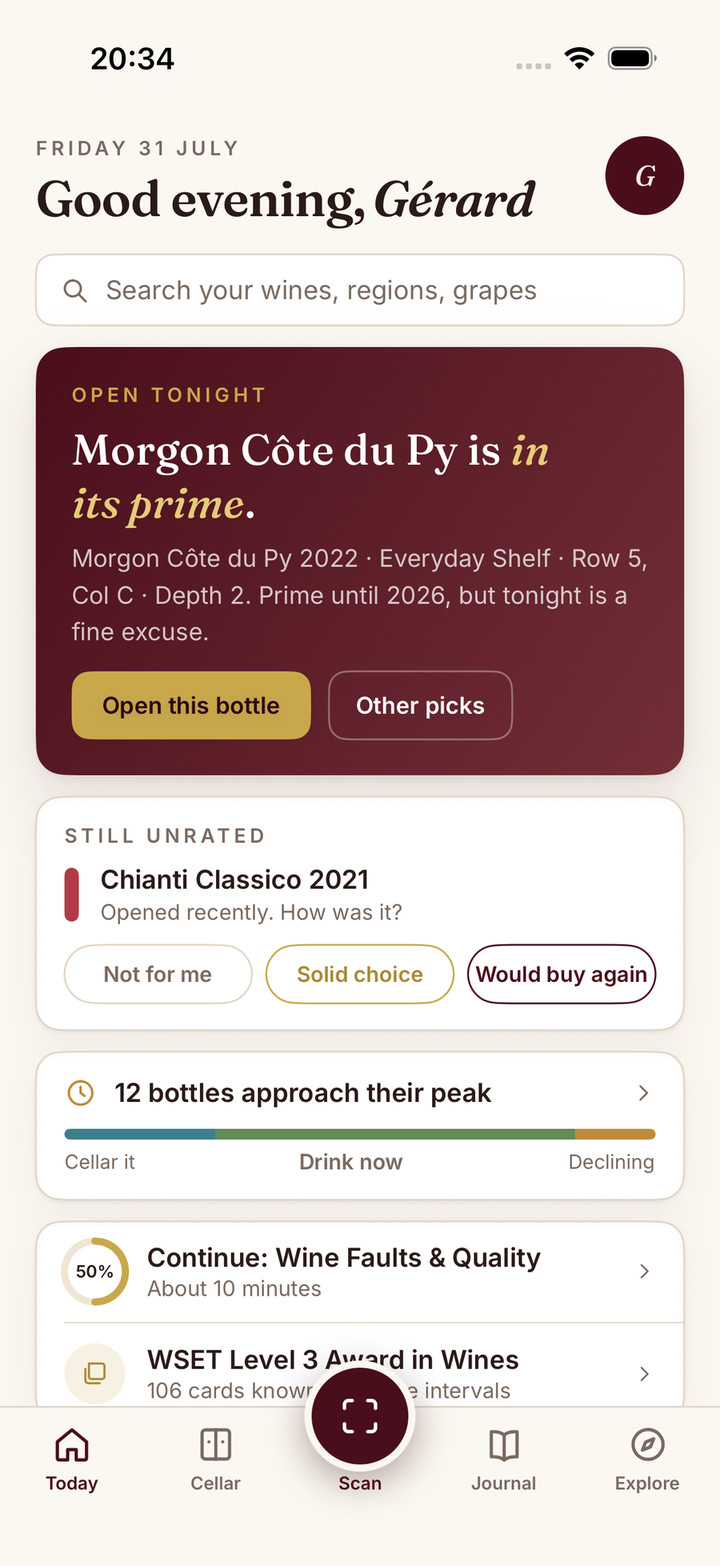
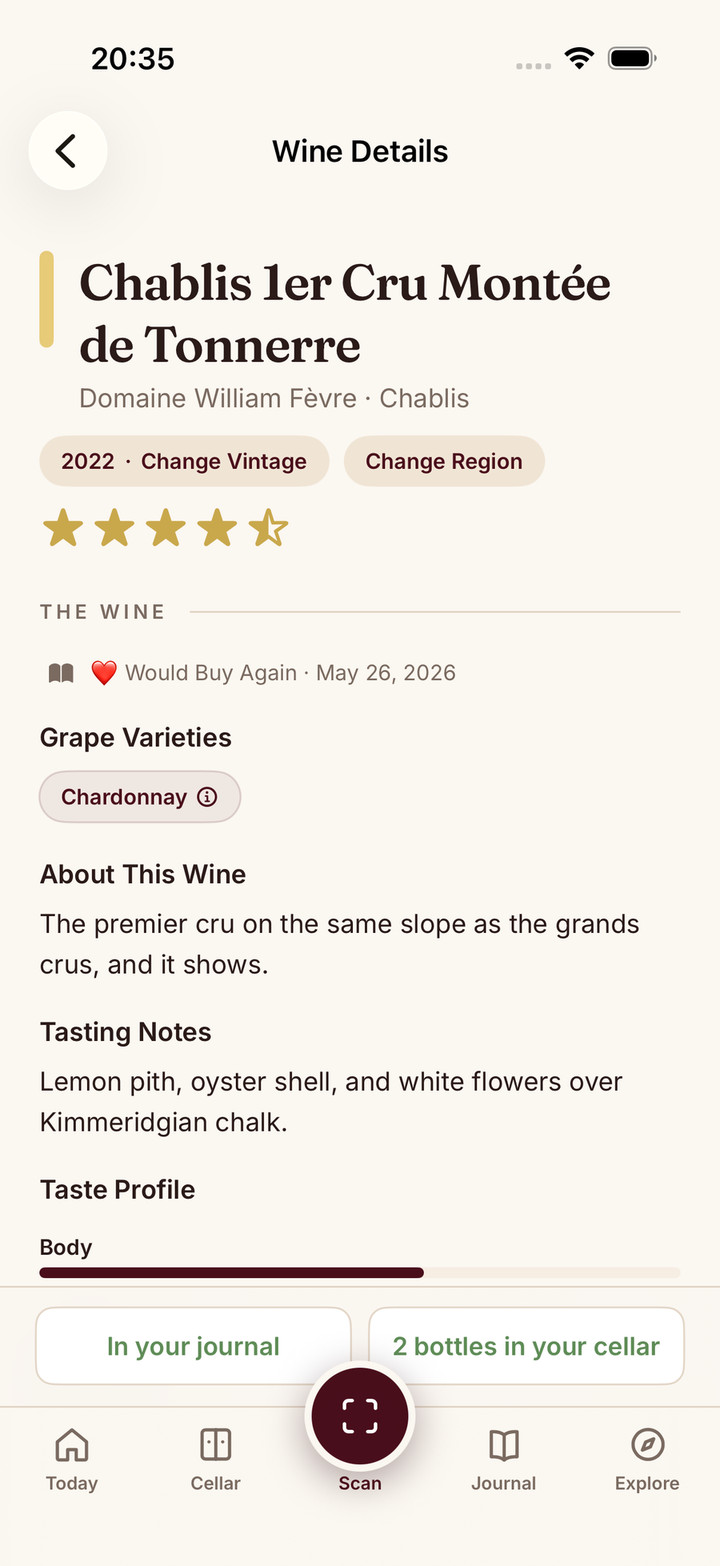
The single fastest way to improve your supermarket wine picking is to use an app. Scan the label, get a verdict in three seconds, decide. This is exactly what Sommo is built for. Point your camera at any bottle, and the AI tells you the grape, region, style, drinking window, food pairing suggestions, and how it compares to wines you have logged before. If you have rated similar wines previously, it surfaces patterns: “you tend to enjoy mineral whites with low oak, this one fits.”
The advantage over generic review apps is that Sommo learns your palate. A 4.0 average rating across thousands of strangers tells you nothing about whether you specifically will like the wine. Personal pattern matching, based on what you have actually enjoyed, is far more useful. For more on how this works, see our AI wine scanning guide.
Budget Strategies
Under $10
This is the hardest tier. Most wine at this price is mass-produced and forgettable. The four reliable bets:
- Vinho Verde (Portugal): Light, slightly fizzy, low alcohol, refreshing.
- Côtes du Rhône (France): The basic AC level produces honest, food-friendly reds.
- Chilean Cabernet Sauvignon or Carmenère: Particularly from large producers like Cono Sur or Santa Rita.
- Italian Pinot Grigio from Friuli: Look for “Friuli” or “Collio” on the label, not “Delle Venezie.”
Under $15
The sweet spot for supermarket wine. The region rule applies fully. Spanish Garnacha, southern Italian reds, Portuguese blends, Loire whites, Austrian Grüner Veltliner, and South African Chenin all deliver consistently at this price. You can also start to find decent Beaujolais-Villages, basic Burgundy whites (Mâcon-Villages), and entry-level Rioja.
Under $25
Now you can be more ambitious. Single-vineyard Cru Beaujolais, village-level Burgundy, Barbera d’Alba, Chianti Classico, decent Champagne (look at grower Champagnes if your store stocks them), and serious Riesling from Mosel or Alsace all live in this tier. A good $25 bottle from a careful region will outperform a $50 bottle from a famous region almost every time.
Walking the Aisle: A Quick Mental Script
Putting it together, here is what the 30-second decision actually looks like in the shop.
- What am I drinking it with? Pizza tonight, so a medium-bodied red.
- What region? Southern Italy or Spain. Walk to that section.
- What price? Under $15. Scan the shelf.
- What labels grab me? Pull two or three bottles that look producer-driven rather than marketing-driven.
- What is the vintage? Anything 2020 to 2023 works for this style.
- What does Sommo say? Scan, read the AI summary, decide.
- Done. Trolley. Ice cream still solid.
The whole thing takes about a minute the first time. After three or four trips, it takes 30 seconds.
A Final Word
The biggest mistake most people make in the supermarket wine aisle is overthinking. You are not buying a wine for a wedding. You are buying a bottle for a Tuesday evening. The downside risk is small (a $12 wine you do not love), the upside is real (a $12 wine that becomes your new everyday favourite), and the path to a higher hit rate is process, not knowledge.
Pick your region, scan your label, check your vintage, and trust your phone for the tiebreaker. The rest comes with practice. And if you do not yet know what style you actually like, the two-minute wine quiz is a decent place to start.
Explore with Sommo
Every supermarket bottle you scan teaches the app something about your palate. After 20 or 30 wines, Sommo will start recommending bottles that genuinely match your preferences, with reasoning you can read. Your wine journal becomes a personal map of the value zones in your local shops, and your hit rate climbs without you having to study.
Download Sommo free and turn the next supermarket trip into a smarter one.