How to Decant Wine: Does It Actually Make a Difference?
Decanting wine isn't just for show. Here's when it helps, when it doesn't, and how to do it properly -- with or without a fancy decanter.
You’ve probably seen someone pour wine into a glass decanter at a restaurant or dinner party and wondered whether it actually does anything, or whether it’s just performance. The short answer: decanting genuinely makes a difference – but not for every wine, and not always in the way people think.
What Decanting Actually Does
Decanting serves two distinct purposes, and they’re often confused:
1. Aeration (Exposing Wine to Air)
When wine sits in a sealed bottle, the volatile compounds that create aromas and flavours are compressed. Pouring wine into a decanter – or even just swirling it aggressively in a glass – exposes it to oxygen, which:
- Opens up aromas that were muted or closed
- Softens tannins by triggering oxidation reactions
- Blows off reductive notes (that slightly sulphurous smell some wines have when first opened)
- Allows fruit flavours to emerge from behind structural elements
This is the main reason most people decant. Young, tannic red wines benefit the most.
2. Separation (Removing Sediment)
Older red wines – typically 10+ years old – develop natural sediment as tannins and colour pigments polymerise and fall out of suspension. This sediment isn’t harmful, but it’s gritty and unpleasant to drink. Decanting carefully separates the clear wine from the sediment at the bottom of the bottle.
Ironically, these older wines need the least aeration. Too much air exposure can cause fragile aged wines to fade quickly. The technique here is the opposite: pour slowly and gently, stopping when you see sediment reaching the neck.
Which Wines Benefit from Decanting?
Definitely Decant
- Young, full-bodied reds: Cabernet Sauvignon, Barolo, Syrah/Shiraz, young Bordeaux blends. These wines are often tight and closed when first opened. Thirty minutes to an hour of decanting can make them taste like a completely different wine.
- Tannic reds under 5 years old: If a wine dries your mouth out aggressively, decanting will soften the edges.
- Wines with reductive aromas: If you open a bottle and get struck match, rubber, or hard-boiled egg smells, decanting will usually blow these off within 15-20 minutes.
Maybe Decant
- Medium-bodied reds: Merlot, Sangiovese, Tempranillo. These can benefit from 15-30 minutes of air, but it’s less dramatic.
- Rich white wines: Full-bodied, oak-aged Chardonnay or white Burgundy can open up with brief decanting. This surprises people, but try it – even 10 minutes in a decanter can reveal hidden complexity.
- Aged reds (10+ years): Decant gently for sediment removal, but don’t leave them sitting in the decanter for long. Serve within 20-30 minutes.
Don’t Bother
- Light, fruity reds: Pinot Noir (unless it’s a serious Burgundy), Beaujolais, Gamay. These wines are already expressive and delicate. Excessive air exposure can dull their charm.
- Crisp white wines: Sauvignon Blanc, Pinot Grigio, Albariño. These are all about freshness. Decanting warms them up and mutes their defining characteristic.
- Sparkling wines: You’ll lose the bubbles. Obviously.
How to Decant Properly
The Standard Method (For Young Wines)
- Stand the bottle upright for at least 30 minutes before opening (longer if it’s old)
- Open the bottle and pour the entire contents into a clean decanter in one steady stream
- Wait 30-60 minutes for full-bodied reds, 15-30 for medium-bodied
- Pour and enjoy
Don’t overthink it. The goal is surface area exposure to air. A wide-bottomed decanter works better than a narrow one for this reason.
The Gentle Method (For Older Wines with Sediment)
- Stand the bottle upright for 24 hours to let sediment settle to the bottom
- Open carefully and pour very slowly into the decanter
- Watch the neck of the bottle – stop pouring when you see cloudy sediment approaching
- Serve relatively quickly – aged wines are fragile and can fade with too much air exposure
A candle or phone flashlight held behind the bottle neck helps you see the sediment line.
The “No Decanter” Method
Don’t own a decanter? No problem.
- Double decanting: Pour the wine into any clean container (a measuring jug works), then pour it back into the rinsed bottle. The double pour provides aggressive aeration.
- Glass swirling: Pour a normal glass and swirl it vigorously for 30 seconds. This achieves most of what decanting does for a single serving.
- Hyper-decanting: Some people use a blender. This is controversial and slightly absurd, but blind taste tests have shown it can soften young, tannic wines effectively. Wine purists will be horrified. Your call.
How Long to Decant
| Wine Style | Decant Time | Notes |
|---|---|---|
| Young Cabernet, Barolo, Syrah | 1-2 hours | Can even benefit from longer |
| Young Merlot, Malbec, Tempranillo | 30-60 minutes | Check at 30 minutes |
| Aged reds (10+ years) | 15-30 minutes max | Watch for fading |
| Full-bodied white (oaked Chardonnay) | 10-15 minutes | Pour back to bottle if needed |
| Light reds | Not needed | Just swirl in the glass |
These are guidelines, not rules. The best approach is to pour a small taste before decanting, then taste again after 30 minutes. If the wine has improved, let it continue. If it’s already singing, pour immediately.
The Science Behind It
Decanting works because of two chemical processes:
Oxidation: Oxygen reacts with phenolic compounds in wine, softening harsh tannins and transforming them into less astringent forms. This is the same process that happens during ageing, just accelerated.
Evaporation: Volatile sulfur compounds (which cause reductive off-aromas) evaporate when exposed to air. So do some of the more volatile aromatic compounds, which is why over-decanting can strip a wine of its character.
This is also why older wines are more vulnerable – they’ve already undergone decades of slow oxidation in the bottle. Adding aggressive aeration to a wine that’s already delicate is like turning the volume up on something that was perfectly balanced.
Common Mistakes
Decanting everything: Not every wine benefits. Light wines can lose their freshness and aromatic intensity.
Decanting too long: A young Barolo might love two hours of air. A 20-year-old Burgundy could be dead after 30 minutes. Taste periodically.
Dirty decanters: Residual soap or old wine stains can taint the flavour. Rinse with clean water (no soap), and let it dry completely before use.
Forgetting about temperature: Decanting at room temperature warms the wine. If you’re decanting a white or a wine that should be served cool, keep the decanter somewhere cool or decant briefly.
The Bottom Line
Decanting isn’t pretentious – it’s practical. For young, tannic reds, it’s one of the simplest things you can do to dramatically improve a bottle. For older wines, it’s necessary for sediment but requires a gentler touch. And for everything else, a good swirl in the glass achieves most of the same effect.
The next time you open a bold red and it tastes tight or closed, give it 30 minutes in a decanter (or even a jug). The difference might surprise you.
Track your decanting experiments in your Sommo wine journal – note whether you decanted, for how long, and how the wine changed. Over time, you’ll develop an instinct for which bottles need air and which are ready to pour.
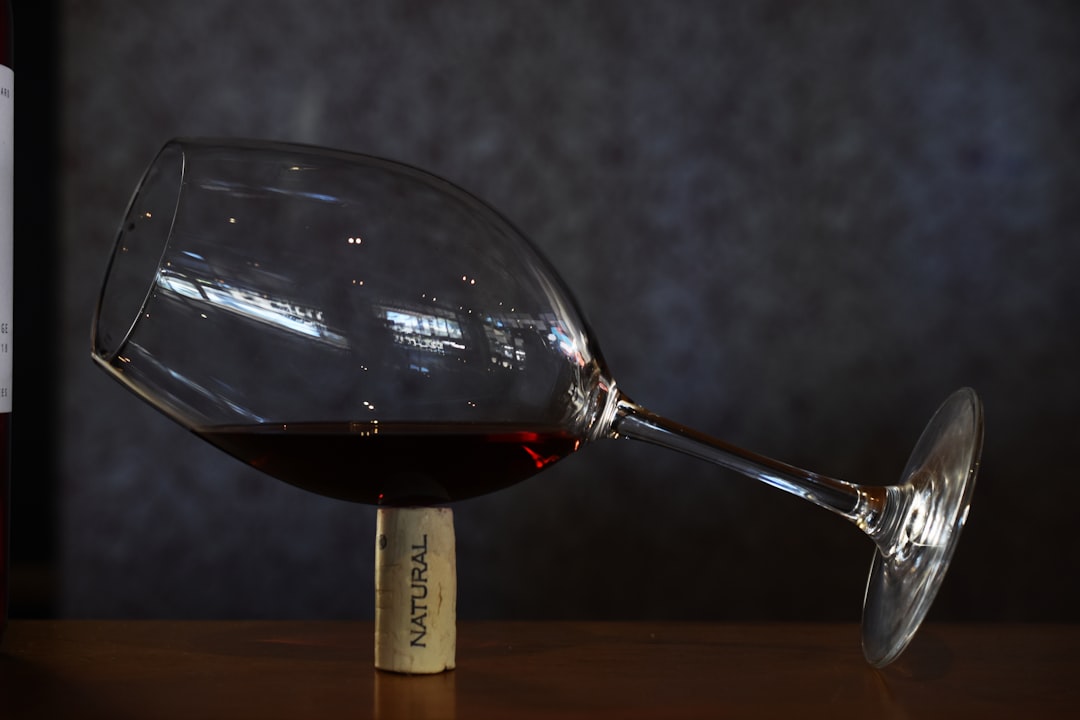
Photo by ISABEL PEREZ on Unsplash