The bottle you meant to chill is sitting on the counter at room temperature, and people arrive in twenty minutes. It happens to everyone. The fix is simple physics, and the fastest method gets a bottle properly cold in about ten minutes. Here are five that work, ranked by speed.
The Fastest Method: Ice, Water and Salt
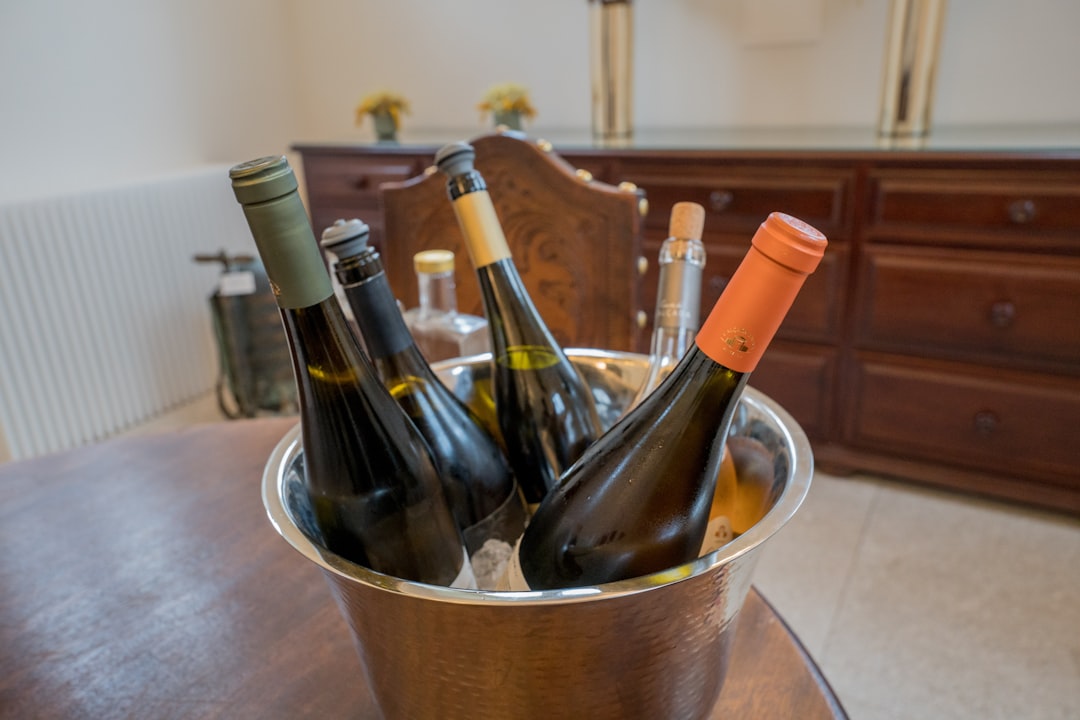
Fill a bucket or deep pot with ice, top it up with cold water until the bottle is submerged, then throw in a generous handful of salt. Water carries cold far better than air, and salt lowers the freezing point so the bath drops below zero. Give the bottle a spin every few minutes. A white or rosé is ready in ten to twelve minutes, a sparkling bottle in around fifteen. This single trick beats everything else in the kitchen.
The Wet Towel and Freezer
No ice? Wrap the bottle in a wet paper towel or tea towel and stand it in the freezer. The evaporating water pulls heat out faster than dry cold, so you will have a cold bottle in fifteen minutes, and you avoid handling a frosty bare bottle.
The Freezer, but Set a Timer
The freezer alone works in twenty to thirty minutes, and it is genuinely fine for a bottle in a hurry. The catch is memory: a forgotten bottle freezes, expands and can push the cork or crack the glass, and a frozen wine loses some flavour. Set a phone timer the moment it goes in.
The Classic Ice Bucket
An ice bucket with no water is slower, around twenty-five to thirty minutes, because only the ice touching the glass does any work. Add cold water and a handful of salt and you have simply rebuilt method one, which is rather the point.
Chill the Glass, Not Just the Bottle
If one glass is all you need, chill the glass in the freezer for a few minutes, or drop in a single large ice cube, swirl, and tip it out before pouring. A big cube melts slowly and barely dilutes. Canned wine is worth remembering here too, as a can chills in half the time of a bottle.
Get the Temperature Right
Cold is not a single setting. Aim for:
- Sparkling and sweet wines: 6 to 8°C, properly cold.
- Crisp whites and rosé: 7 to 10°C.
- Full-bodied whites: 10 to 13°C, so the flavour is not muted.
- Light reds like Gamay: 12 to 14°C, lightly chilled. See our chilled red guide.
- Full reds: 15 to 18°C, cooler than most rooms in summer.
Over-chilling hides aroma and flavour, so once a wine is cold, let a white sit for a few minutes and a red warm slightly in the glass. Our full serving temperature guide has the detail, and the free serving temperature tool gives exact fridge and ice bucket times for any style.
Frequently Asked Questions
What is the fastest way to chill wine?
Submerge the bottle in a bucket of ice and water with a generous handful of salt. Water carries cold far better than air, and salt lowers the freezing point, chilling a white or rosé in about ten to twelve minutes. Spin it occasionally.
How long does wine take to chill in the freezer?
A bottle takes about twenty to thirty minutes in the freezer. Set a timer, because a forgotten bottle can freeze, expand and push out the cork or crack, and freezing dulls the wine. Wrapping it in a wet towel speeds things up.
What temperature should wine be served at?
Serve sparkling and sweet wines at 6 to 8°C, crisp whites and rosé at 7 to 10°C, full whites at 10 to 13°C, light reds at 12 to 14°C and full reds at 15 to 18°C. Most rooms in summer are too warm for red.
Explore with Sommo
Not sure how cold a particular bottle should be? Scan it with Sommo to identify the style, and you will know whether you are dealing with a 7°C rosé or a 16°C red before it ever hits the ice. Log the ones you loved so next time you chill them right from the start. And if you are still working out which styles you reach for in summer, the free wine quiz will tell you in two minutes.
Download Sommo free and never serve a warm bottle again.