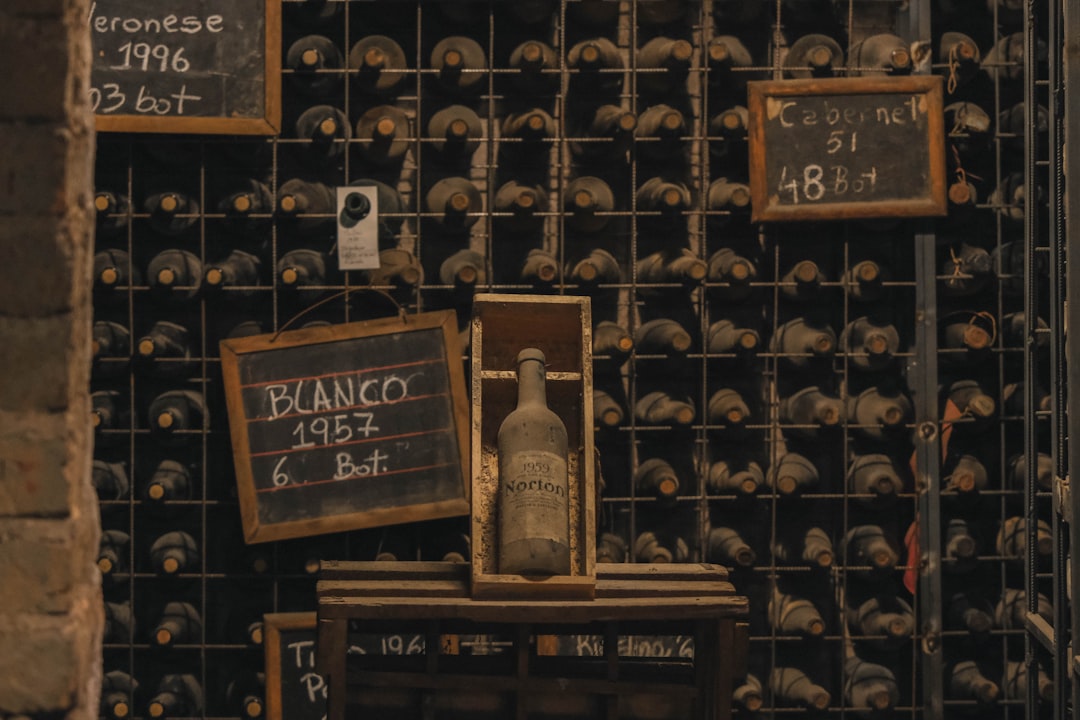
You don’t need a medieval château to store wine properly. With a bit of planning and the right kit, a functional home wine cellar is well within reach, whether your budget is £50 or £500. The key is understanding what wine actually needs, and then matching your solution to those needs without overspending.
Why Proper Storage Matters
Wine is a living product, and it’s surprisingly sensitive to its environment. Four factors make the biggest difference:
- Temperature: Ideally between 10°C and 15°C. Fluctuations cause expansion and contraction in the bottle, which can push the cork and let air in. Above 20°C, wine ages too fast and loses freshness.
- Light: UV light degrades wine over time, which is why most quality bottles are dark glass. Keep your collection away from direct sunlight and fluorescent strips.
- Humidity: Around 60 to 70 per cent is ideal. Too dry and corks shrink; too damp and labels rot (not a disaster for taste, but annoying).
- Vibration: Constant movement disturbs the sediment in older wines and can interfere with the slow chemical processes that develop complexity. Keep bottles away from washing machines or busy kitchen worktops.
If you can control these four things, you’re already doing better than most.
Budget Options: What You Can Actually Build
Under £50: The Wine Rack in a Cool Corner
A basic wooden or metal wine rack costs as little as £15 to £40 and holds 12 to 24 bottles. The trick is placement. Find the coolest, darkest spot in your home: under the stairs, in a north-facing cupboard, or in a utility room. Avoid the kitchen, which tends to be warm and bright.
This won’t be perfect, but for bottles you’re planning to drink within a year or two, it’s more than adequate. Check out our wine storage tips for more on making the most of limited space.
Around £150: A Countertop Wine Cooler
A compact thermoelectric wine cooler holds 8 to 18 bottles and maintains a consistent temperature, usually between 8°C and 18°C, without compressor vibration. Brands like Klarstein and Caso offer decent options in this range. They’re quiet, energy-efficient, and look good on a kitchen counter or in a dining room.
This is the sweet spot for most casual collectors. You get temperature control, some insulation from light, and a proper horizontal storage position for your bottles.
£300 and Above: A Dedicated Wine Fridge
At this level, you’re looking at freestanding units with 20 to 50 bottle capacity, dual-zone temperature control (perfect for storing reds and whites at different temperatures simultaneously), and UV-protected glass doors. Brands like Liebherr and Cavin manufacture reliable units that will serve you for a decade or more.
If your collection regularly exceeds 24 bottles and you’re buying wines meant to age, this investment pays for itself in bottles that actually reach their potential.
Which Wines Actually Need Cellaring?
This is where most people go wrong: not everything benefits from ageing.
Wines that reward patience:
- Structured reds: Barolo, Bordeaux, aged Rioja, quality Côtes du Rhône
- White Burgundy and aged Riesling
- Vintage port and fine Champagne
Wines to drink young (within 1 to 3 years):
- Most supermarket whites and rosés
- Light reds: Beaujolais, basic Pinot Noir
- Prosecco and non-vintage Champagne
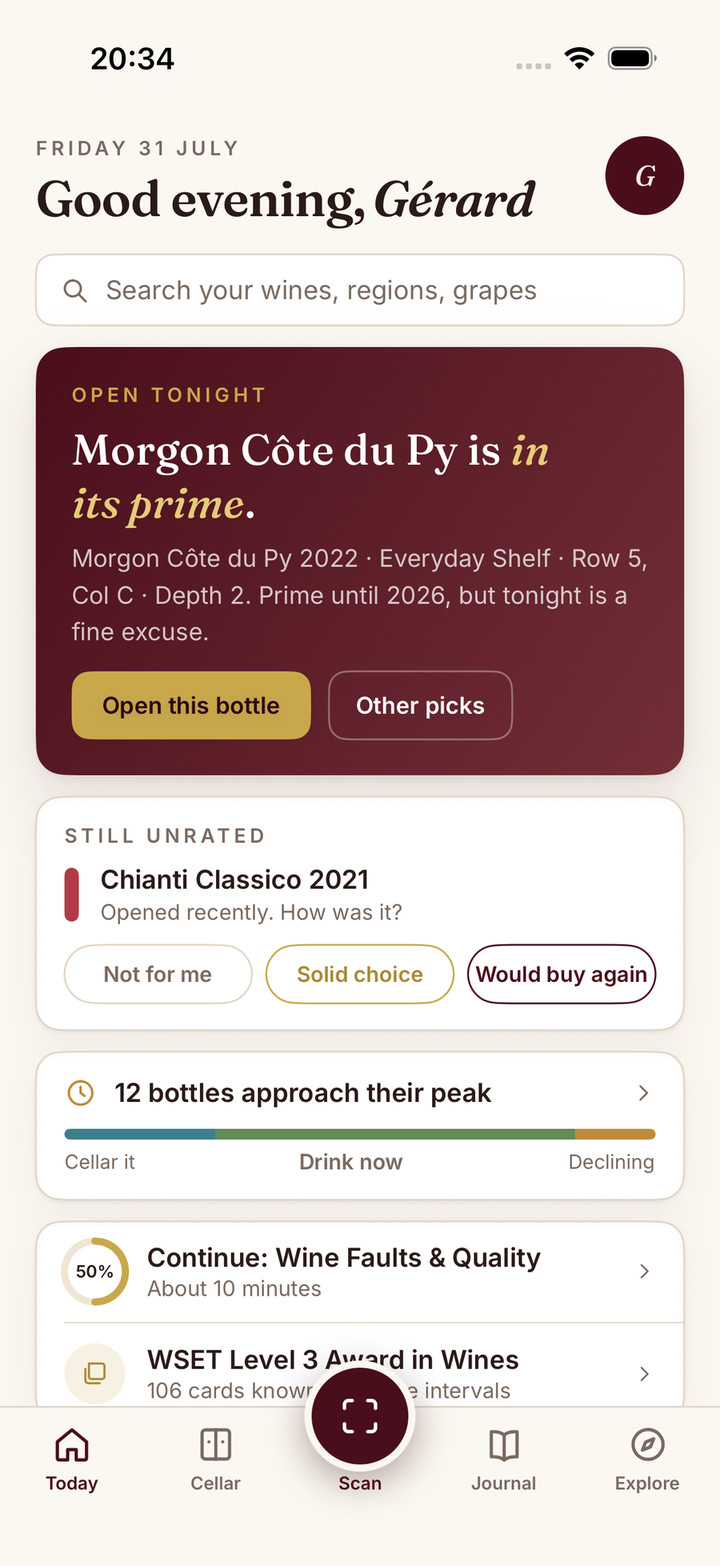
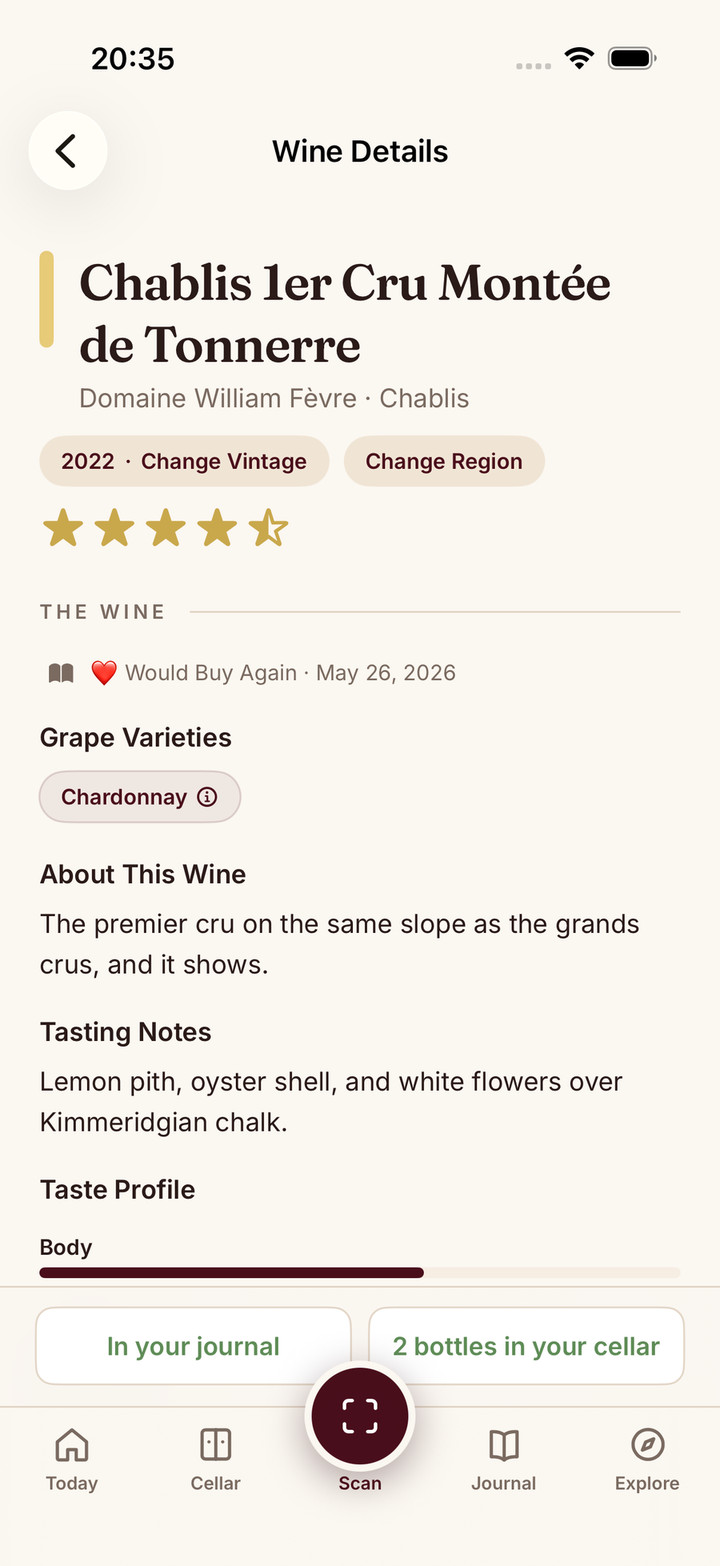
If you’re unsure whether a bottle is worth cellaring, scan it with Sommo, or run it through the free drinking window checker in your browser. The app tells you the ideal drinking window for any wine instantly, so you’re never guessing when to open something.
How Many Bottles to Start With
Start smaller than you think. A collection of 12 to 24 bottles is manageable, easy to track, and teaches you what you actually want to drink (the free wine quiz helps you sketch that before you buy a single case). The common mistake is buying cases of wines you’ve never tried, then finding them disappointing two years later.
A reasonable starting split for a 24-bottle collection:
- 10 bottles of red you enjoy now (for near-term drinking)
- 6 bottles of red with ageing potential (hold 3 to 5 years)
- 6 bottles of white or rosé (drink within 18 months)
- 2 bottles of sparkling for special occasions
Adjust as your palate develops. The point is to drink as you learn, not just hoard.
Tracking Your Collection
Once you have more than a dozen bottles, tracking becomes essential. Without records, you’ll forget what you bought, when, and why, and you’ll miss the ideal drinking windows.
Sommo’s cellar management feature lets you log every bottle, set drinking window reminders, and see your collection at a glance. It’s the difference between a pile of bottles and an actual curated collection. The app also notes tasting scores and food pairings, so when you open something special, you have all the context you need.
Explore with Sommo
Building a wine cellar on a budget is less about equipment and more about consistency: consistent temperature, consistent darkness, and consistent records. Start simple, buy intentionally, and track what you have.
Sommo makes the tracking part effortless. Log your bottles, discover drinking windows, and manage your collection from your phone.