How to Become a Sommelier: A Complete Career Guide
Everything you need to know about becoming a sommelier, from entry-level positions to Master Sommelier. Education paths, salary expectations, and practical steps.
The word “sommelier” conjures an image of someone in a crisp suit, effortlessly guiding diners through a wine list. Behind that polished surface is years of study, tasting, service, and hustle. It’s one of the most rewarding careers in hospitality, and one of the most demanding.
Here’s what it actually takes.
What Does a Sommelier Do?
A sommelier’s responsibilities go far beyond recommending wine at tableside:
- Curating the wine list: Selecting wines that complement the menu, satisfy diverse budgets, and reflect the restaurant’s identity
- Guest interaction: Reading preferences, making recommendations, telling stories about wines
- Wine service: Opening, decanting, pouring, and presenting wine with precision
- Staff education: Training servers to describe and sell the wine program
- Inventory management: Ordering, receiving, storing, and tracking wine inventory
- Vendor relationships: Working with distributors, visiting wineries, negotiating pricing
- Food pairing: Collaborating with chefs to match wines with dishes
- Financial management: Managing the wine program’s budget and profitability
It’s part educator, part performer, part buyer, and part businessperson.
The Career Ladder
Entry Level: Assistant Sommelier / Wine Server
Experience: 0-2 years | Salary: $35,000-45,000
Your first wine-focused role. You’ll work under a head sommelier, learning service standards, wine regions, and how a wine program operates. Expect to pour a lot of wine, study constantly, and taste everything you can.
Requirements: Restaurant service experience + WSET Level 2 or CMS Introductory.
Mid Level: Sommelier
Experience: 2-5 years | Salary: $45,000-65,000
Running sections independently, contributing to wine list decisions, and building your tasting palate. You’re trusted to make recommendations and handle wine service for VIP tables.
Requirements: Proven service skills + WSET Level 3 or CMS Certified Sommelier.
Senior Level: Head Sommelier
Experience: 5-10 years | Salary: $60,000-90,000
Managing the entire wine program, list curation, purchasing, pricing, staff training, and guest relations. You’re the wine authority for the restaurant.
Requirements: Deep wine knowledge + management skills + CMS Advanced or WSET Level 3 with Distinction.
Executive Level: Wine Director / Beverage Director
Experience: 10+ years | Salary: $80,000-150,000+
Overseeing wine programs across multiple outlets (restaurant groups, hotels, cruise lines). Strategic role with significant purchasing power and brand influence.
Requirements: Extensive track record + WSET Diploma or CMS Master Sommelier. These roles are rare and highly competitive.
Step-by-Step Path to Becoming a Sommelier
Step 1: Work in Restaurants (Year 1)
Before anything else, get restaurant experience. Start as a server, barback, or food runner. Learn:
- How restaurants operate during service
- How to read guests and anticipate needs
- The rhythm and pressure of busy service
- Basic wine service (opening bottles, pouring, clearing)
You don’t need wine expertise yet, you need hospitality instincts.
Step 2: Start Learning About Wine (Year 1-2)
While working in restaurants, begin formal wine education:
Take WSET Level 2: This gives you the foundational knowledge, major grape varieties, key wine regions, winemaking basics, and tasting methodology. It’s the most important single step in your wine education.
Study daily: Use tools like Sommo’s flashcards with spaced repetition to retain the enormous amount of information you’re absorbing.
Taste systematically: Start keeping a wine journal. Every wine you taste at work, at home, or at events gets logged with structured notes.
Step 3: Get Your First Wine Role (Year 2-3)
With restaurant experience and WSET Level 2, apply for assistant sommelier positions. Look for:
- Restaurants with serious wine programs and head sommeliers you can learn from
- Hotels with diverse beverage operations
- Wine bars with knowledgeable managers
The key at this stage is mentorship. Working under an experienced sommelier accelerates your development faster than any course.
Step 4: Deepen Your Expertise (Year 3-5)
Take WSET Level 3: This is the big step up, advanced theory, detailed regional knowledge, and analytical tasting. Use Sommo’s mock exams and cheatsheets to prepare.
Develop blind tasting skills: Practice identifying wines without seeing the label. This skill is crucial for CMS exams and invaluable for professional credibility.
Travel to wine regions: Visit vineyards, meet winemakers, walk through cellars. Nothing replaces seeing where wine comes from. Even a single trip to Burgundy, Tuscany, or Napa Valley deepens your understanding dramatically.
Build your network: Attend trade tastings, join sommelier associations, connect with winemakers and distributors. The wine industry runs on relationships.
Step 5: Advance Your Career (Year 5+)
With Level 3 certification and solid experience, you’re competitive for head sommelier roles. Continue growing by:
- Pursuing CMS Certified or Advanced Sommelier
- Considering WSET Level 4 Diploma for the deepest knowledge
- Exploring management and leadership skills
- Building your reputation through wine events, competitions, and mentoring others
Essential Skills Beyond Wine Knowledge
Wine knowledge alone doesn’t make a sommelier. You also need:
Empathy: Reading what a guest actually wants (not what they say they want). The nervous couple on a first date needs a different approach than the hedge fund manager showing off.
Salesmanship: Gently guiding guests toward wines they’ll enjoy while meeting the restaurant’s revenue goals. The best sommeliers sell by educating, not pushing.
Grace under pressure: Service is chaos. You’ll juggle 15 tables, a demanding chef, a late delivery, and a guest who insists their corked wine is “fine.” Composure is everything.
Physical stamina: Long hours on your feet, carrying cases of wine, early mornings for deliveries, late nights for service. It’s physically demanding work.
Business acumen: Understanding margins, pricing psychology, inventory turnover, and vendor negotiations. Wine programs need to be profitable.
Is It Worth It?
The sommelier path is not for everyone. The hours are long, the pay (especially early on) is modest, and the physical demands are real. But for people who are passionate about wine, hospitality, and human connection, there’s no career quite like it.
You get paid to learn about wine, taste incredible bottles, travel to beautiful places, and share your passion with people at the most memorable meals of their lives.
If that sounds like your kind of life, start today. Get a restaurant job, sign up for WSET Level 2, and download Sommo to start building your wine knowledge from the ground up.
The journey from Curious Sipper to Master Sommelier is long, but every step is worth it.
Liked this read? Try the app.
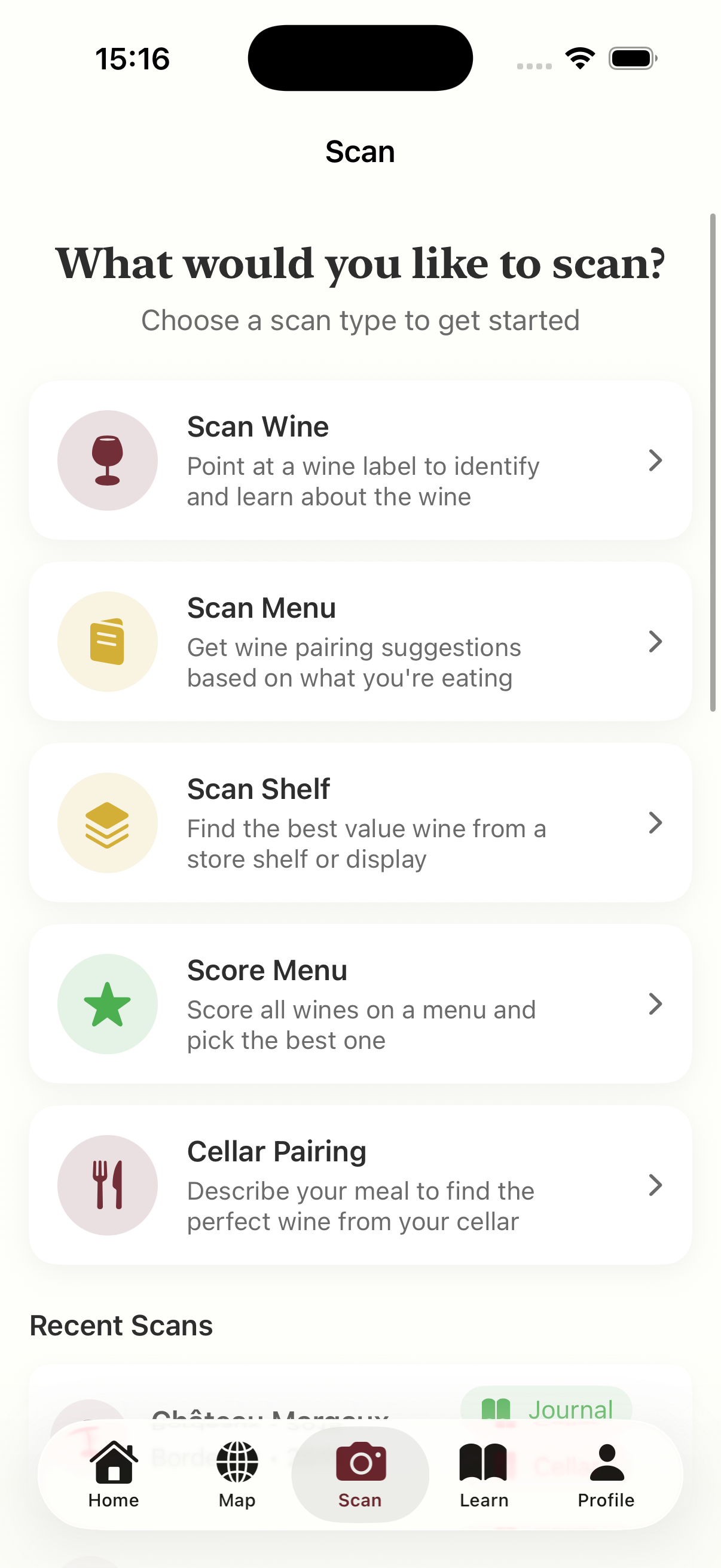
Scan any wine label with AI, build your tasting journal, and learn wine your way.