You open a bottle, pour a glass or two, recork it, and put it back in the fridge. Three days later, you wonder: is this still good? A week later, you are fairly sure it is not, but you take a tentative sip anyway.
This is one of the most common questions in wine, and the answer depends entirely on what type of wine you opened. Some wines will taste fine (or even better) the next day. Others start declining within hours. Fortified wines can last for months.
Here is a complete, practical guide to how long every type of wine lasts after opening, why it goes off, and what you can do to slow the process down.
Quick Reference Table
| Wine Type | Recorked and Refrigerated | Key Factor |
|---|---|---|
| Sparkling wine | 1 to 2 days | CO₂ escapes rapidly |
| Light white and rosé | 3 to 5 days | Low tannin, sensitive to oxidation |
| Full-bodied white | 3 to 5 days | Oak-aged whites last slightly longer |
| Light red (Pinot Noir, Gamay) | 2 to 3 days | Low tannin offers less protection |
| Medium to full red (Cabernet, Merlot) | 3 to 5 days | Tannin and structure slow oxidation |
| Dessert wine | 5 to 7 days | Sugar acts as a preservative |
| Fortified wine (Port, Sherry, Madeira) | 2 weeks to 3 months | High alcohol and (sometimes) oxidative ageing |
Keep this table as your baseline. The sections below explain why each category behaves differently and what you can do to push those timelines further.
The Science of Why Wine Goes Bad
Understanding oxidation is the key to understanding everything else in this article.
When wine is in a sealed bottle, it is protected from oxygen. The moment you pull the cork, air begins interacting with the wine. In small amounts, this is actually beneficial: it is why we swirl wine in the glass or decant young reds. A little oxygen opens up aromas and softens tannins.
The problem is that oxidation does not stop. Over hours and days, oxygen continues to react with the compounds in wine. Fruity aromas fade and are replaced by flat, bruised-apple, or vinegary notes. Fresh flavours turn dull. Eventually, acetic acid bacteria convert the alcohol into acetic acid (vinegar), and the wine becomes genuinely unpleasant.
Several factors affect how quickly this happens:
Tannin acts as a natural antioxidant. Wines with more tannin (full-bodied reds like Cabernet Sauvignon and Merlot) resist oxidation longer than low-tannin wines like Pinot Noir or Gamay.
Sugar also slows deterioration. Dessert wines and off-dry styles last longer than bone-dry wines.
Alcohol is a preservative. Fortified wines (Port, Sherry, Madeira) have been boosted with grape spirit, which is why they last for weeks or months after opening.
Volume remaining in the bottle matters enormously. A bottle that is three-quarters full has much less air exposure than one with a single glass left. More air in the bottle means faster oxidation.
Temperature accelerates chemical reactions. Wine stored at room temperature after opening will deteriorate faster than wine kept in the fridge.
Sparkling Wine: 1 to 2 Days
Sparkling wine faces a unique challenge: it is not just fighting oxidation, it is also losing its carbonation. The dissolved CO₂ that creates those bubbles escapes the moment you pop the cork, and it continues escaping even if you reseal the bottle.
Champagne and traditional method sparkling wines (Cava, Crémant, English sparkling) tend to hold their fizz slightly longer than tank-method wines like Prosecco, because the bubbles in traditional method wines are finer and more persistent.
Prosecco and other Charmat method wines lose their sparkle faster. Drink these within a day of opening for the best experience.
How to store: Use a proper Champagne stopper (the kind with a clamp that grips the bottle lip). A regular cork will not create enough of a seal. Refrigerate immediately. Do not believe the old trick about putting a spoon in the neck of the bottle: it does nothing.
The honest truth: Sparkling wine is best finished the day you open it. If you regularly have leftover sparkling wine, consider buying half bottles instead.
Light White Wine and Rosé: 3 to 5 Days
Light, crisp whites like Sauvignon Blanc, Pinot Grigio, Albariño, and Vermentino, along with most rosé wines, will stay fresh for three to five days if you recork them and keep them in the fridge.
These wines rely on their freshness and aromatic vibrancy for their appeal. As oxidation progresses, those qualities are the first to fade. A three-day-old Sauvignon Blanc will still be drinkable, but it will lack the zippy, aromatic character that made it enjoyable in the first place.
Day 1: Essentially identical to freshly opened. Day 2: Still very good. Most people would not notice a difference. Day 3: Slightly muted aromatics, but still enjoyable. Day 4 to 5: Noticeably flatter. Fine for cooking; less exciting for drinking.
Rosé follows a similar timeline. Pale, Provençal-style rosés are more fragile than darker, more structured rosés from regions like Tavel.
Full-Bodied White Wine: 3 to 5 Days
Oak-aged whites like barrel-fermented Chardonnay, White Burgundy, and oaked Viognier tend to last slightly longer than their unoaked counterparts. The reason is twofold: oak ageing introduces tannin-like compounds that provide some antioxidant protection, and these wines are generally less dependent on primary fruit aromas for their appeal.
A two-day-old barrel-fermented Chardonnay can actually taste better than when first opened, as the oak and butter notes integrate and the wine relaxes. By day four or five, however, even these wines start to lose their structure.
How to store: Recork tightly and refrigerate. If you plan to drink it the next day, you can pull it from the fridge twenty minutes before serving to bring it back to the right temperature.
Light Red Wine: 2 to 3 Days
This is the category where people are most often caught off guard. Light reds like Pinot Noir, Gamay (Beaujolais), and lighter-styled Grenache have low tannin levels, which means they have less natural protection against oxidation.
Day 1: Often tastes better than when first opened. Many Pinot Noirs benefit from a bit of air. Day 2: Still good, though the most delicate aromatics may have faded. Day 3: Noticeably diminished. The fruit starts tasting flat and the finish shortens. Day 4 and beyond: Not recommended for drinking, though still usable in cooking.
Important note: Refrigerate light reds after opening, even though you will serve them at a slightly warmer temperature. The cold slows oxidation significantly. Pull the bottle from the fridge fifteen to twenty minutes before pouring.
Medium to Full-Bodied Red Wine: 3 to 5 Days
Wines with substantial tannin and structure, including Cabernet Sauvignon, Merlot, Malbec, Syrah, and Nebbiolo, hold up the best among still wines.
The tannins in these wines act as a buffer against oxidation. A big Cabernet Sauvignon that tastes tight and unyielding on day one may actually be more approachable on day two, as the oxygen softens the tannins and allows the fruit to emerge.
Day 1: Often improves, especially for young, tannic wines. Day 2: Can be the sweet spot. Tannins are softer, fruit is expressive. Day 3: Still very drinkable for most full-bodied reds. Day 4 to 5: Starting to fade, but generally still acceptable. Day 6 and beyond: The wine will taste increasingly flat and may develop off-putting aromas.
How to store: Recork and store in a cool, dark place. Refrigeration is ideal but not strictly necessary for a day or two if your home is not excessively warm. If you refrigerate, allow the wine to come back to around 16°C to 18°C (61°F to 64°F) before serving.
Dessert Wine: 5 to 7 Days
Sweet wines like Sauternes, Tokaji, late-harvest Riesling, and Muscat de Beaumes-de-Venise last considerably longer than dry wines. The high residual sugar acts as a preservative, slowing the oxidation process.
Many dessert wines are also naturally high in acidity, which provides additional stability. A well-made Sauternes can taste excellent for a full week after opening.
How to store: Recork and refrigerate. The combination of sugar, acidity, and cold temperatures keeps these wines remarkably stable.
Practical tip: Since dessert wines are typically served in smaller pours (60ml to 90ml rather than 150ml), a single bottle can last across several occasions. This makes them excellent value despite their often higher price per bottle.
Fortified Wine: 2 Weeks to 3 Months
Fortified wines are the champions of longevity after opening. The added grape spirit raises the alcohol level, providing significant protection against spoilage.
Ruby Port and LBV Port: 2 to 3 weeks. These are fruity styles that gradually lose their vibrancy.
Tawny Port: 4 to 6 weeks. Tawny Port has already undergone controlled oxidation during its extended barrel ageing, so it is far less sensitive to additional air exposure.
Fino and Manzanilla Sherry: 1 week. These are the exception among fortified wines. They are biologically aged under a layer of flor yeast, which keeps them fresh and delicate. Once opened, they deteriorate relatively quickly. Treat them more like a white wine.
Oloroso and Amontillado Sherry: 4 to 8 weeks. These oxidatively aged styles are extremely robust.
Madeira: Up to 3 months, sometimes longer. Madeira has already been heated and oxidised during production. It is essentially indestructible by the standards of other wines.
Wines That Improve After a Day Open
This is a detail that surprises many people: some wines genuinely taste better on day two than the moment you pull the cork.
Young, tannic reds are the most common example. A youthful Barolo, a dense Napa Cabernet, or a structured Syrah from the Northern Rhône can taste tight and closed on first opening. A day of gentle oxidation softens the tannins and allows the fruit and secondary aromas to emerge.
Complex, oak-aged whites can also benefit. A rich White Burgundy sometimes needs time to show its full range of flavours.
If you open a wine and find it tastes a bit muted or overly tannic, try it again the next day before drawing conclusions. You might find a completely different wine in the glass.
The Vacuum Pump: Does It Actually Work?
Vacuum pumps (like the popular Vacu Vin) claim to remove oxygen from the bottle by creating a partial vacuum. They are inexpensive, widely available, and used by millions of people. But do they work?
The honest answer: they help a little, but they do not perform miracles. Vacuum pumps cannot create a true vacuum; they reduce the oxygen in the bottle but do not eliminate it. The oxygen already dissolved in the wine continues to cause oxidation regardless.
For an extra day of freshness, a vacuum pump is a reasonable investment. But do not expect it to keep wine fresh for a week when it would normally last three days. The most effective strategy remains simple: recork tightly and refrigerate.
Better alternatives for serious preservation:
- Inert gas sprays (Private Preserve, Coravin): These blanket the wine surface with argon or nitrogen, which are heavier than oxygen and create a protective layer. They are more effective than vacuum pumps.
- Coravin systems: These use a needle to pierce the cork without removing it, replacing the extracted wine with argon gas. The cork reseals naturally. It is the gold standard for preservation, but the cost is significant.
- Half bottles: If you routinely drink only a glass or two, decant the remainder into a clean half bottle (375ml), filling it as close to the top as possible to minimise air contact.
Signs Your Wine Has Gone Bad
Sometimes the timeline is irrelevant because you have simply forgotten how long ago you opened that bottle. Here are the telltale signs that a wine is past its prime:
Colour changes: White wines that have turned deep gold or amber have likely oxidised. Red wines that have turned brownish at the edges are showing age and oxidation.
Bruised apple or sherry-like aromas in a wine that should not have them. A slight nuttiness in a Chardonnay might be intentional. In a Sauvignon Blanc, it means the wine is oxidised.
Vinegar smell. This is acetic acid, and it means bacteria have taken hold. The wine is beyond saving.
Flat, lifeless taste. If the wine tastes dull and one-dimensional, with none of the fruit or freshness you remember, oxidation has done its work.
Fizz in a still wine. If a wine that should not be sparkling has tiny bubbles, it may have undergone refermentation in the bottle. This is a fault.
Important note: A wine that has gone off is not dangerous to drink. It will taste unpleasant, but it will not make you ill. If in doubt, take a small sip. Your palate will tell you immediately whether the wine is still enjoyable.
Practical Tips for Making Opened Wine Last Longer
Refrigerate everything. Red, white, rosé: it all goes in the fridge once opened. Cold temperatures dramatically slow oxidation. You can always warm a red up before serving.
Recork properly. Push the cork back in firmly. If the cork is damaged or expanded, use cling film secured with a rubber band, or invest in a set of reusable silicone bottle stoppers.
Store upright. Once opened, store bottles upright to minimise the surface area of wine exposed to air.
Finish smaller amounts quickly. If you have less than a third of the bottle left, either finish it or use it for cooking. The large air-to-wine ratio in a mostly empty bottle accelerates oxidation dramatically.
Keep a cooking bottle going. Wine that is past its drinking prime is usually still perfectly good for cooking. Keep a bottle of opened red and white in the fridge for deglazing pans, making sauces, and adding to risottos. For cooking purposes, wine lasts one to two weeks after opening.
Track what you open. It sounds simple, but noting the date you opened a bottle prevents the guessing game. A small piece of tape on the bottle with the date written on it takes three seconds and saves you from drinking wine that has been open for a week.
Using Sommo to Track Your Open Bottles
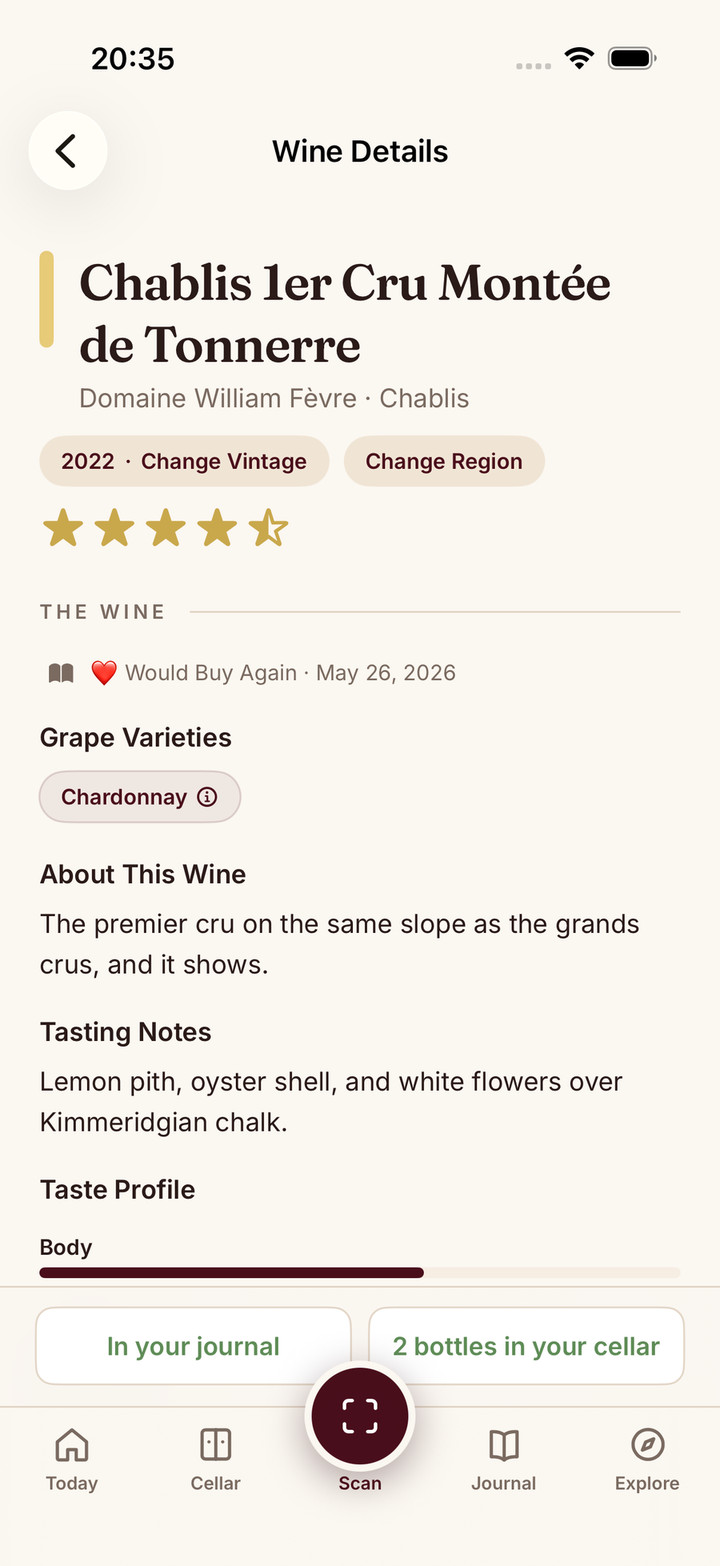
If you are building a wine cellar or simply want to keep track of what you have open, Sommo makes it easy. Scan a label to log the bottle, add it to your cellar, and track when you open it. No more guessing whether that Pinot Noir has been in the fridge for three days or seven.
Download Sommo free and take the guesswork out of your wine storage.
For the bottle already in the fridge, use the free opened wine shelf-life checker with its opening date, storage and stopper.