The simplest way to host drinkers and non-drinkers together is to build one dinner with two equally considered drinks paths. Nobody needs to explain their choice. A guest who wants a glass of wine can have one; a guest who does not should not be left with a warm soft drink while everyone else gets a carefully chosen pairing.
This is a hosting problem, not a search for one miraculous alcohol-free bottle. Set up choices before the doorbell rings, then let guests change lanes during the meal.
Ask About Preferences, Not Reasons
When confirming the menu, ask: “Would you prefer wine, something alcohol-free, or a bit of both?” If useful, also ask whether a guest wants to avoid even drinks with trace alcohol. You do not need to ask why. Pregnancy, medication, faith, recovery, driving and simple preference all deserve the same easy welcome.
Labels matter here. Some drinks sold as alcohol-free or dealcoholised can contain a small amount of alcohol. Our guide to non-alcoholic wine explains the styles; the particular bottle label and your guest’s preference decide whether it is suitable. Keep a separate clearly identified option, such as sparkling water with citrus, for anyone who wants no ambiguity.
Give Both Paths a Welcome Pour
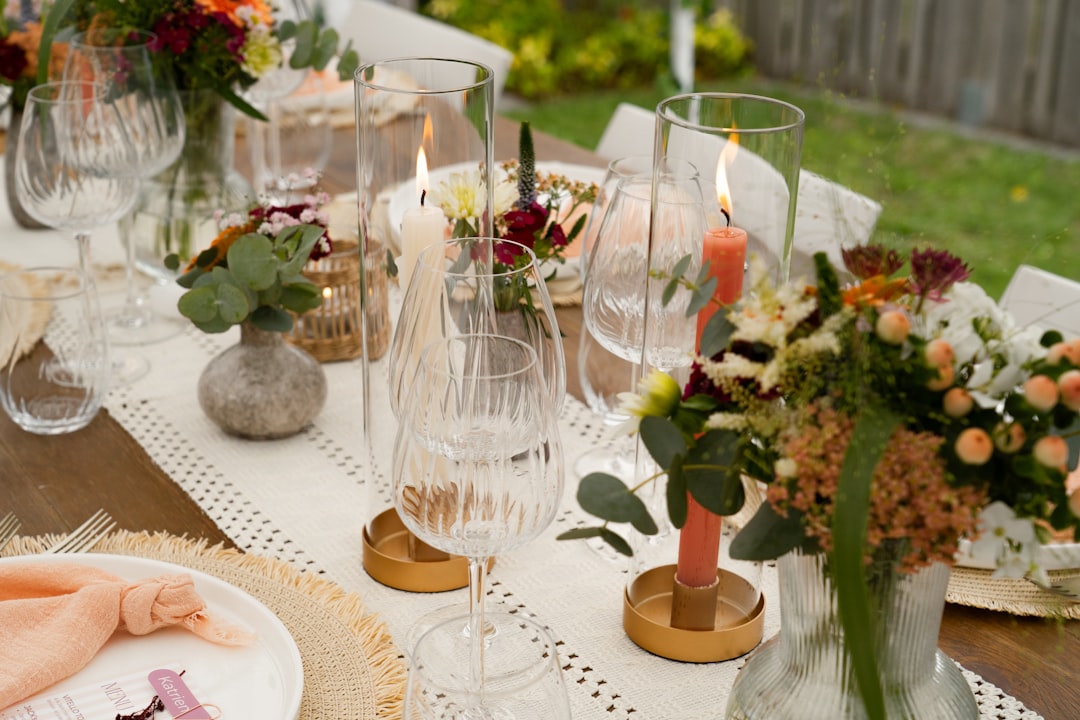
Put the opening drinks side by side. You might offer dry sparkling wine and chilled alcohol-free sparkling wine, or a simple citrus-and-herb spritz that does not pretend to be wine. Use the same clean glassware and garnish both with restraint. The point is a shared moment, not a conspicuous substitute.
Set water on the table from the start, rather than delivering it only after someone declines wine. A jug of still and a bottle of sparkling water usually serve the whole group. Keep the alcohol-free bottles away from the wine bottles if their labels look similar, and use different bottle stoppers or a small card so nobody receives an accidental pour.
Pair the Meal, Not the Label
For a rich starter, acidity helps whichever drink you choose. A dry sparkling wine and a sharp apple or verjus spritz can both refresh the palate. For spicy food, an off-dry Riesling or lightly sweetened ginger drink is more forgiving than a tannic red or a fiercely sour mocktail. With roasted vegetables, a light red and a savoury, unsweetened tea can each meet the food at its own intensity.
If the menu is still flexible, our dinner-party wine guide helps shape the wine sequence. Let the alcohol-free sequence echo its function, not its exact flavours: bright at arrival, fuller with the main, perhaps something small and sweet with dessert.
Do a quick trial pour before guests arrive. An alcohol-free drink that tastes balanced alone can become cloying with a sweet glaze, while a delicate one disappears beside chilli. Adjust with acidity, dilution or a different garnish rather than insisting on a match.
Buy for the People Actually Drinking
Do not count every guest when calculating wine. Start with the number who expect to drink it, the meal length and your likely serving sizes. The party wine guide gives a starting calculation, but a mixed table often pours less wine because guests switch between choices. Unopened wine can wait for another evening.
Buy enough alcohol-free drinks that wine drinkers can choose them as well. That prevents the awkward “special bottle” feeling and makes the choice genuinely open. Chill both sets, prepare enough glasses, and tell guests where the options are. If you are serving, ask “Which would you like?” each time, not “Still not drinking?”
Remember What Worked
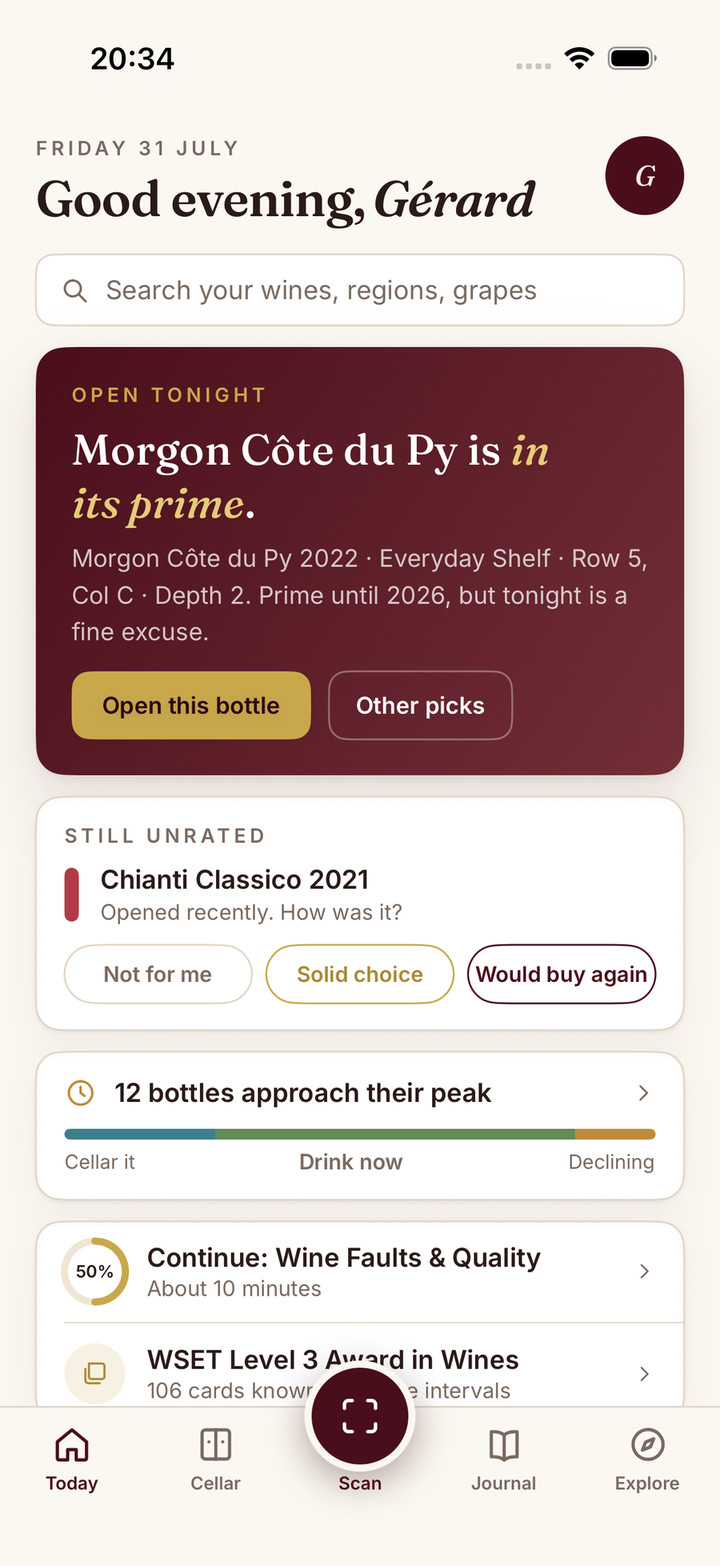
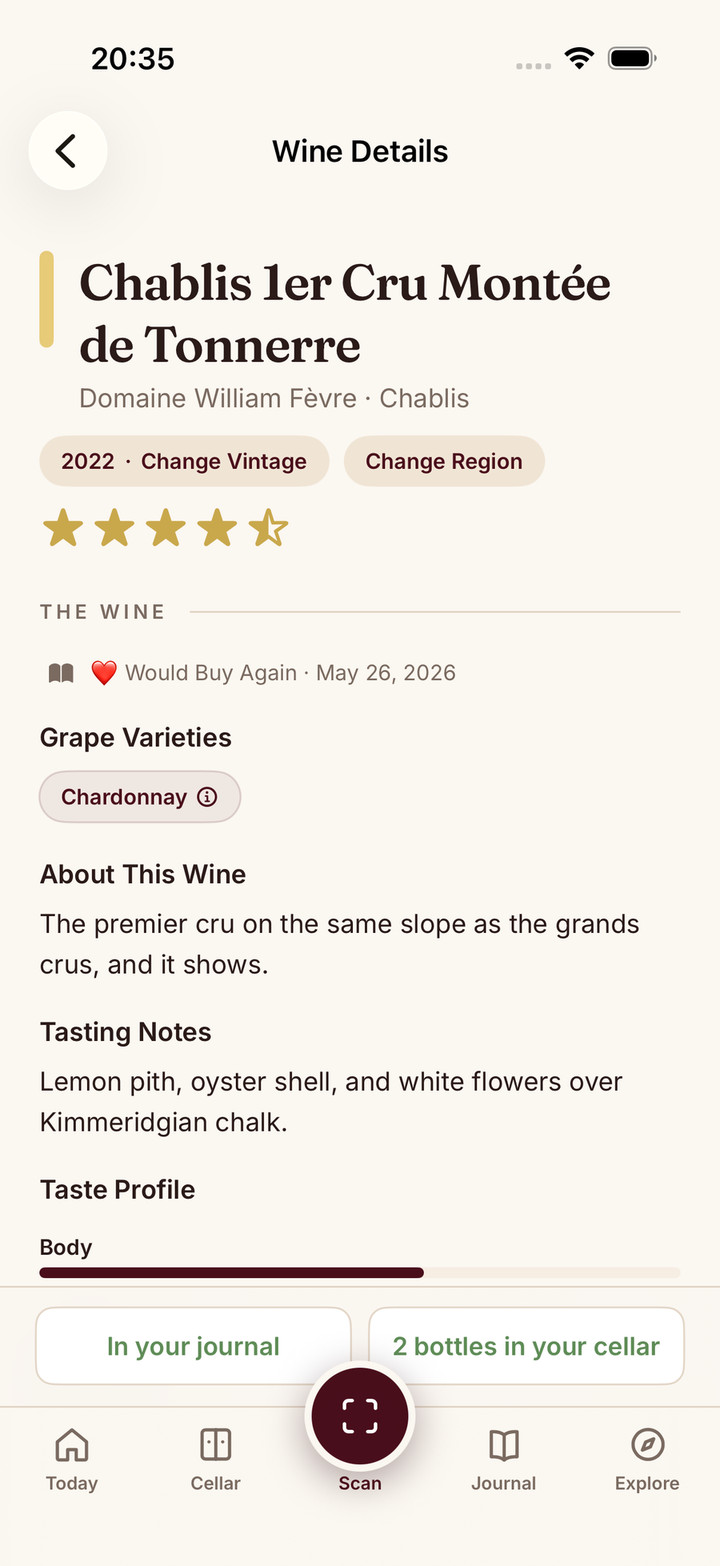
After dinner, note which wine actually suited the food and which alcohol-free pairing guests reached for again. A few honest observations beat a perfect-looking drinks menu nobody enjoyed. Sommo can help you keep the wine side organised in your journal, while a note about the meal makes the pairing useful next time.
Download Sommo to remember the bottles your guests loved, without making anyone’s drink choice the story of the evening.