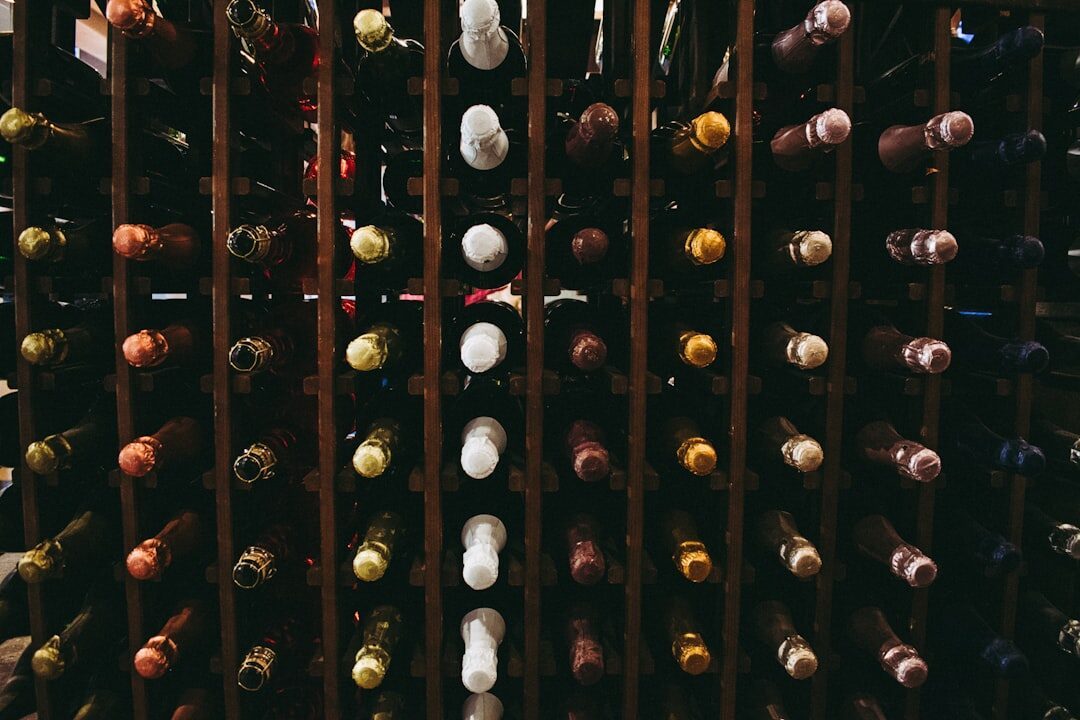
Before you buy wine for a holiday dinner, spend half an hour with the bottles you already own. A cellar audit is not a valuation exercise. It is a way to answer three useful questions: what is here, what is ready, and what is missing for this particular table?
The result should be a short serving plan, not a beautifully organised cellar that still leaves you shopping in a rush.
First, Match the Bottles to Reality
Take every loose bottle and case into account. Check the rack, wine fridge, kitchen cupboard and the gift bottle you put somewhere “safe” last winter. For each wine, note producer, wine, vintage, quantity and location. If the label is damaged, photograph what you can read and mark the entry uncertain instead of inventing details.
Then reconcile the list with the physical bottles. If your spreadsheet says you own six but there are four, correct the count now. An elegant inventory that disagrees with the shelf is worse than a plain list you trust. Our cellar app versus spreadsheet guide explains when a digital inventory starts saving time.
Sort into Four Hosting Piles
You do not need a perfect drinking window for every bottle. Put each in one practical group:
- Open this season. Wines that suit a planned dinner and appear ready now.
- Hold. Bottles you have a reason to keep and can store appropriately.
- Check before serving. Old, poorly documented or suspect bottles that might be interesting but should not be the only wine for guests.
- Not for this menu. Good bottles whose style simply does not fit the occasion.
Age alone is not a verdict. A young everyday white and a structured red do not follow the same timeline, and storage conditions can matter as much as vintage. Use the drinking-window guide to frame a cautious decision, then rely on the actual bottle when you open it.
Inspect obvious warning signs while you handle each bottle: a leaking closure, damaged capsule, very low fill compared with similar bottles, or evidence of prolonged heat. None proves the wine is ruined by itself. Move a questionable bottle out of the dinner’s essential lineup, and have a reliable backup.
Build a Menu-First Shortlist
Now look at the invitation list. Do you need welcome fizz, a white for a lighter starter, a soft red for the main, or a sweet wine for dessert? Pull candidates from the “open this season” group and set them beside the actual menu. The dinner-party wine guide can help you choose a sequence; do not buy its entire example lineup if your cellar already covers it.
Write a one-line job for each chosen bottle: “welcome”, “mushroom main”, “after dinner”. If two bottles do the same job and neither has a special reason to be opened, keep one for later. Check the number of expected wine drinkers before shopping, not just the total headcount.
Only then make a gap list. It may contain one versatile bottle, or nothing at all. That is a successful audit. It saves money and gives neglected wines a purpose without turning them into obligations.
Prepare the Bottles You Chose
Return the hold pile to suitable storage, with stable temperature and little light. Our wine storage tips cover the basics. Move dinner wines where you will remember them, but do not leave them beside a radiator or on a sunny windowsill for days.
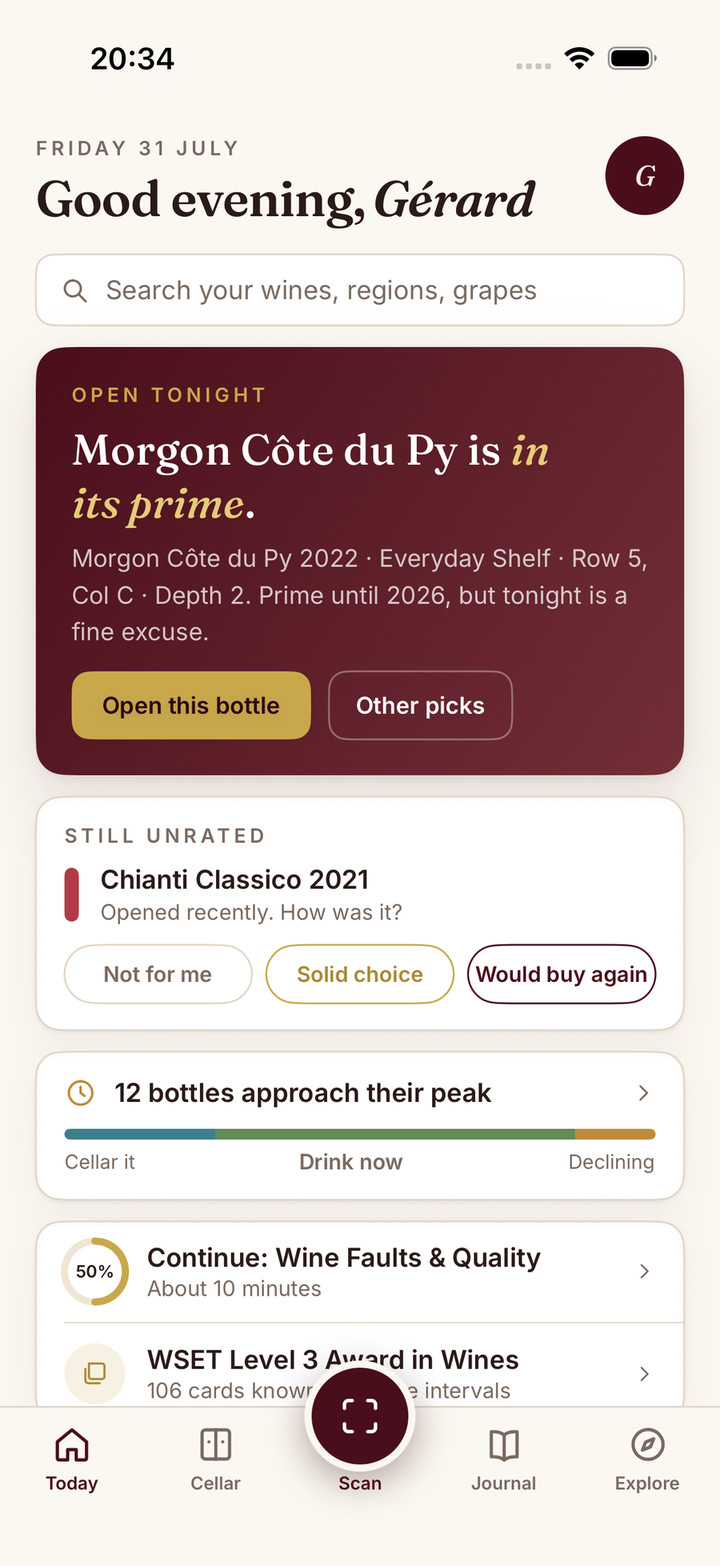
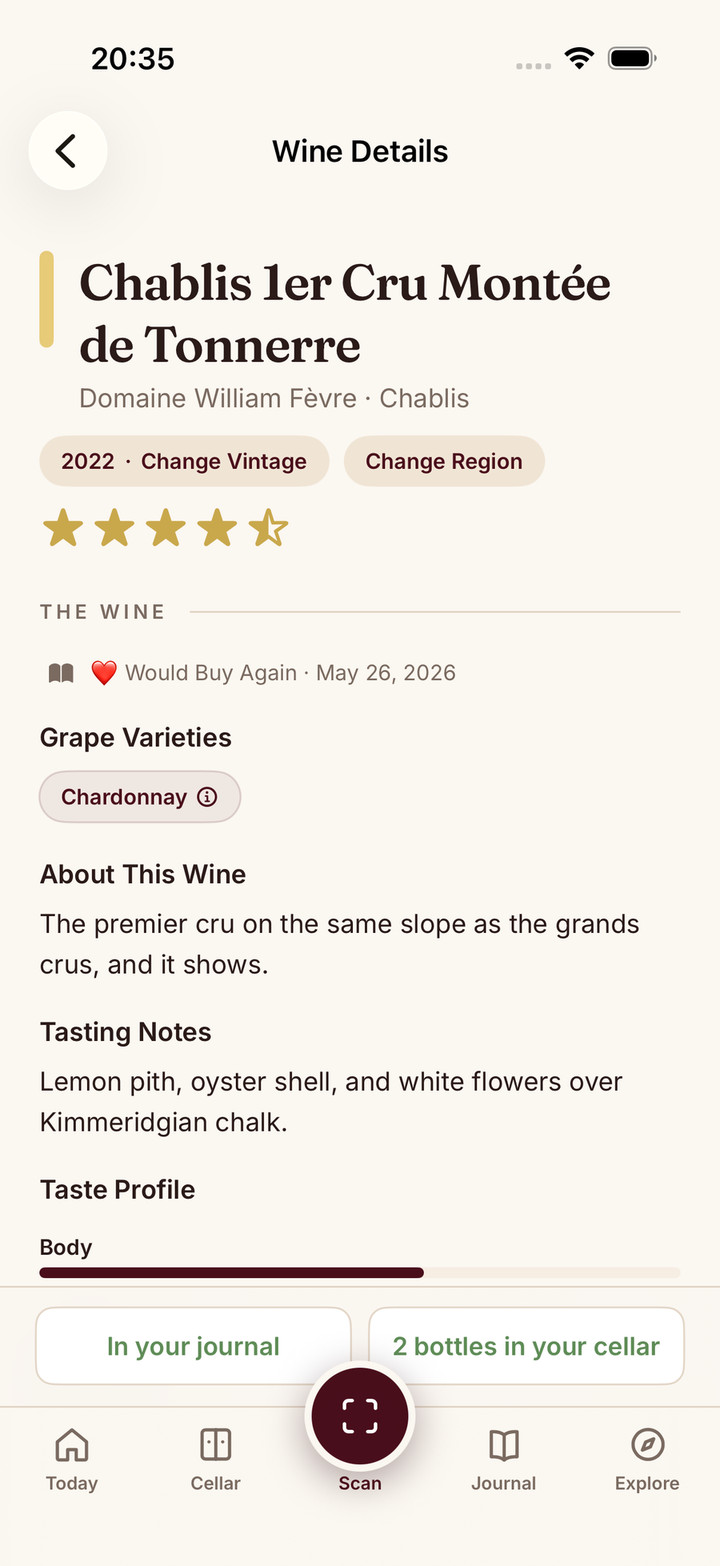
On the day, check serving temperature and have a backup for any uncertain bottle. After the meal, mark what you opened and whether it worked. Sommo’s cellar and journal can keep the inventory and the tasting in one place, so the next holiday audit begins with better information.
Download Sommo to make your cellar a source of good dinners, not a collection of forgotten bottles.