A wine parcel arrives warm after sitting in a van. Should you send it back? Warmth alone is not a diagnosis. The important questions are how much heat the wine experienced, for how long, and whether the bottle now shows physical or sensory signs of damage. You usually cannot reconstruct the journey precisely, but you can make a careful inspection and keep a useful record.
Our wine delivery guide covers choosing a seller and delivery window. This guide starts when the box is already at your door.
Inspect the bottle before opening it
Look for a cork pushed above the lip of the bottle, seepage around the closure, or wine staining under the capsule. Heat can expand the wine and increase pressure inside the bottle. A leaking bottle deserves particular attention because lost wine and a compromised seal can cause further deterioration.
None of these signs proves exactly what happened, and an intact-looking bottle is not proof that it stayed cool. Photograph any leakage, the closure, the outer box and the shipping label before discarding the packaging. If several bottles from one case look different, keep them together for comparison.
Do not judge the flavour while the bottle is still unusually warm. Let it return gradually to an appropriate temperature, then open one suspect bottle if the retailer’s policy permits it. Avoid putting a hot bottle straight into a freezer in an attempt to “undo” the journey. Cooling changes serving temperature; it cannot reverse chemical and flavour changes that have already occurred.
Taste for lost freshness, not just a dramatic “cooked” note
Prolonged heat can make wine seem flat or stale, with less of the fresh fruit you expected. A jammy or stewed impression can be another clue, but it is not conclusive: some ripe wine styles taste that way by design. Consider the wine’s grape, age and normal style before deciding it is faulty. A fresh young white with surprisingly muted fruit provides a different clue from a mature red that was never meant to taste bright.
The guide to telling whether wine has gone bad covers oxidation and other faults that may look similar in the glass. If you have bought the same wine before, a known-good bottle makes a helpful comparison. Record what you smelled and tasted rather than writing only “bad wine”.
Contact the retailer with observations
If the wine appears compromised, contact the seller promptly with the order number, delivery date, photographs and a concise description of the fault. Ask how they would like to assess or replace it. A retailer may have its own evidence and returns process, so do not pour away the bottle or throw out the packaging before hearing back.
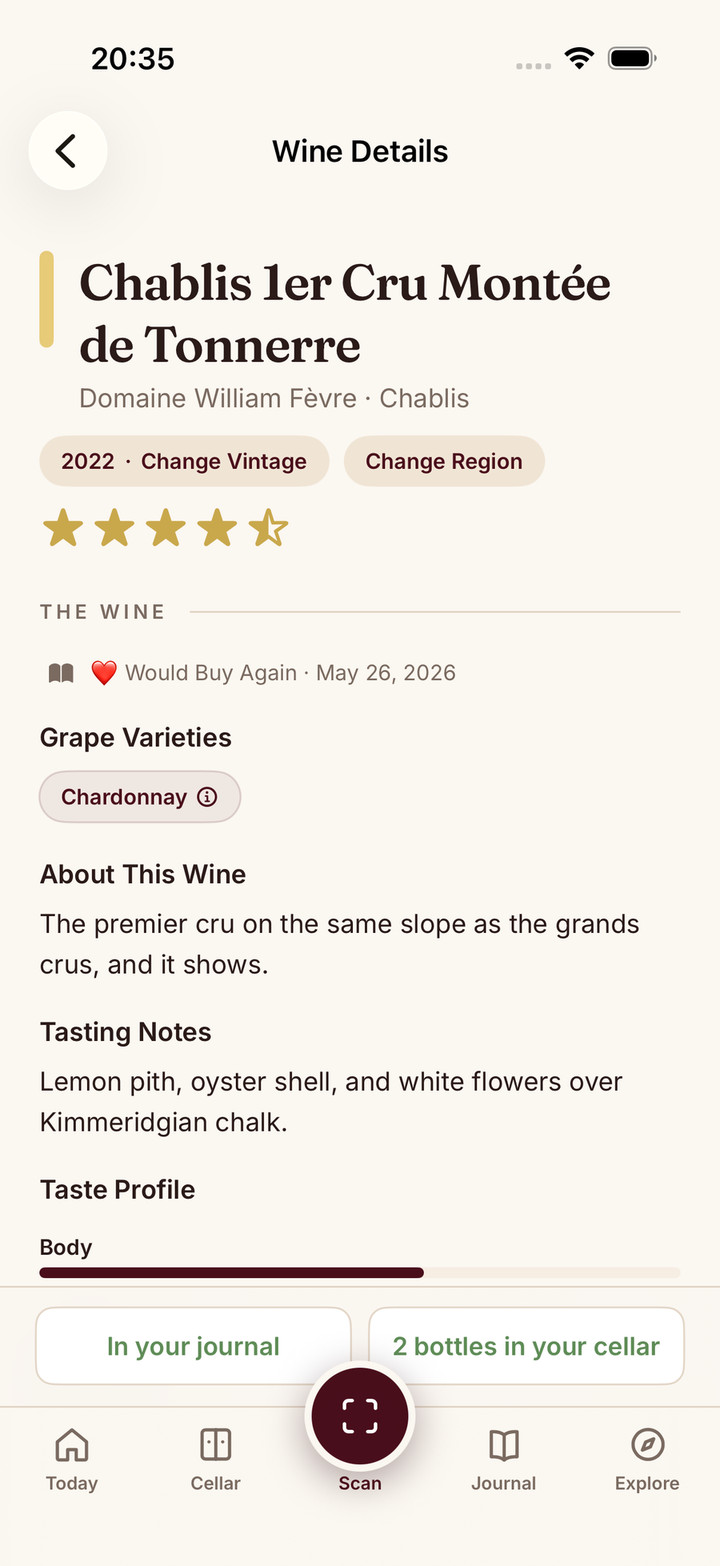
For future orders, ask about dispatch during very hot weather and choose a delivery time when someone can bring the parcel indoors. Once received, move sound bottles to stable wine storage away from sunlight and heat sources. Sommo’s cellar can keep the purchase, vintage and location together, while a journal note records any bottle that needs a second look.
Track the bottles you receive in Sommo.
WSET’s wine-fault guide describes heat exposure and pushed corks; the Australian Wine Research Institute discusses the effects of elevated storage temperature.