If you have ever enjoyed a glass of Châteauneuf-du-Pape, a Spanish Garnacha, or a rich GSM blend from Australia, you have already met Grenache. It is one of the world’s most widely planted red grape varieties, yet it rarely gets the name recognition it deserves. This guide covers everything you need to know: what it tastes like, where it thrives, and why it is worth seeking out.
What Does Grenache Taste Like?
Grenache is a medium to full-bodied red grape with a distinctive flavour profile:
- Fruit: Ripe red fruits dominate: strawberry, raspberry, and cherry. In warmer climates or riper vintages, you get dark plum and dried fruit notes.
- Spice: White pepper and subtle herbal notes, particularly in southern French expressions.
- Body and alcohol: Grenache ripens easily and tends to produce wines with higher alcohol (often 14 to 16%) and a round, soft texture.
- Tannins and acidity: Both are relatively low, which makes Grenache a classic low-tannin red, approachable and easy to enjoy young.
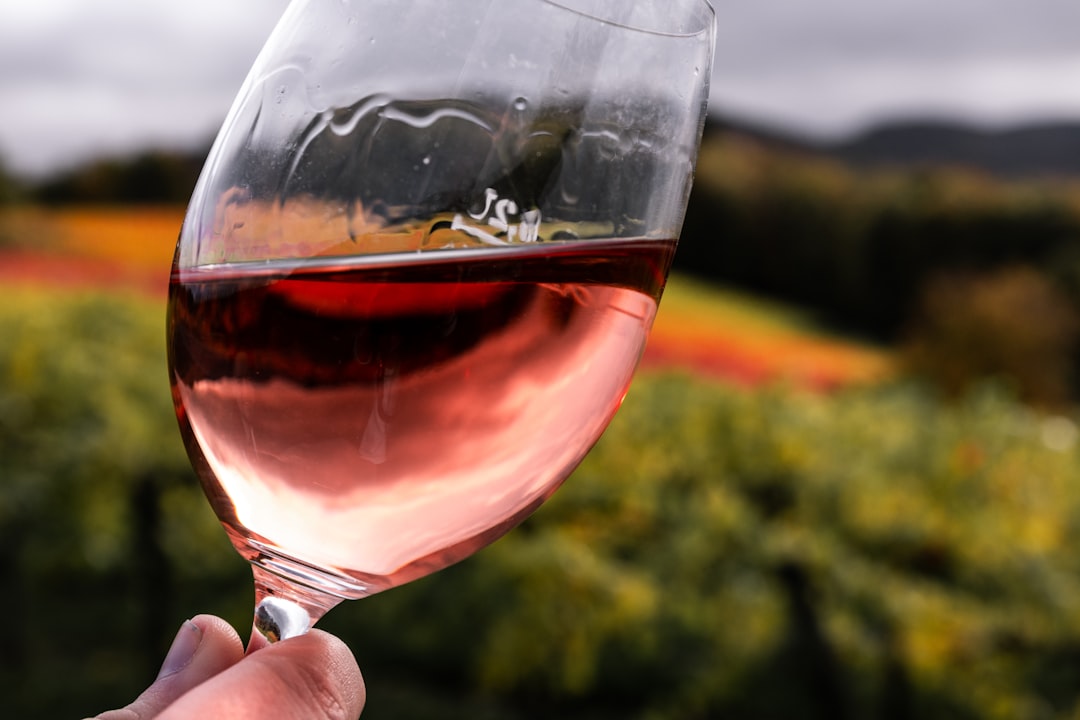
- Colour: Grenache has thin skins and produces lighter-coloured reds than grapes like Cabernet Sauvignon or Syrah.
Key Regions
Southern Rhône, France
The southern Rhône is Grenache’s spiritual home. In Châteauneuf-du-Pape, it forms the backbone of blends that can include up to 18 permitted grape varieties. These wines are rich, spicy, and long-lived, with a characteristic warmth and complexity. More affordable expressions come from Côtes du Rhône and Gigondas.
Priorat, Spain
In Catalonia’s dramatic Priorat region, old-vine Grenache (Garnacha) grows in steep, rocky llicorella soils. The wines here are concentrated and powerful with a mineral edge. Priorat is one of Spain’s two prestigious DOCa designations and produces some of the country’s most serious red wines.
Navarra, Spain
Navarra, just north of Rioja, was traditionally known for rosado (rosé) wines made from Garnacha. Today the region produces excellent, expressive red Garnachas at a fraction of Priorat’s prices. A great starting point if you are new to the grape.
Sardinia, Italy (Cannonau)
Grenache arrived in Sardinia centuries ago and is known locally as Cannonau. Sardinian Cannonau tends to be earthy, full-bodied, and savoury. The island has become famous not just for the wine but also because the population of Sardinia is notably long-lived, and some researchers have pointed to moderate Cannonau consumption as a possible factor.
Australia and Beyond
Grenache forms part of the classic GSM blend (Grenache, Syrah, Mourvèdre) widely produced in Australia’s Barossa Valley and McLaren Vale. Australian expressions tend to be riper and more fruit-forward than their European counterparts, with lush dark fruit and spice.
Grenache as the Backbone of GSM
The GSM blend (also called GSM or sometimes Shiraz-Grenache-Mourvèdre in Australia) is one of the most important red wine styles in the world. Grenache provides the fruit and approachability, Syrah (Shiraz) adds structure, colour, and peppery spice, and Mourvèdre contributes depth, earthiness, and ageing potential. Together they produce wines that are more complex and balanced than any single variety alone. Southern Rhône blends, Côtes du Rhône, and most Châteauneuf-du-Pape are built on this combination.
How Grenache Differs From Other Red Grapes
| Feature | Grenache | Cabernet Sauvignon | Pinot Noir |
|---|---|---|---|
| Body | Medium to full | Full | Light to medium |
| Tannins | Low to medium | High | Low |
| Acidity | Low to medium | Medium | High |
| Alcohol | High | Medium to high | Medium |
| Colour | Light to medium | Deep | Pale |
| Key flavours | Red fruit, spice, warmth | Blackcurrant, cedar, tobacco | Cherry, earth, silky |
To see how other grapes line up on the same axes, try the free tannin, acidity and body chart.
Food Pairings
Grenache’s soft tannins, ripe fruit, and warmth make it versatile at the table:
- Lamb: A natural partner, particularly southern Rhône blends with slow-roasted lamb.
- Pork and charcuterie: The spice and fruit work beautifully with cured meats, sausages, and roast pork.
- Mediterranean dishes: Ratatouille, slow-cooked tomato dishes, grilled vegetables with herbs.
- Pizza and pasta: Especially tomato-based sauces and dishes with olives and capers.
- Cheese: Aged manchego, gruyère, or mild blue cheese are all excellent companions.
Explore with Sommo
Grenache appears under many names and styles across the world, which can make it tricky to navigate in a wine shop. Sommo scans any label and instantly identifies the grape variety, region, and style, so you can spot a great Garnacha or Cannonau wherever you find it. Build your tasting notes in the app as you explore this endlessly varied grape. Grenache also turns up throughout the free WSET Level 2 grape varieties quiz if you fancy testing yourself against the classics.