The 5 S's of Wine Tasting: See, Swirl, Sniff, Sip, Savour
The 5 S's of wine tasting, See, Swirl, Sniff, Sip, Savour, is the exact method used by sommeliers and WSET students. Master all five steps tonight with this practical guide.
Next time you open a bottle of wine, try this: resist the urge to drink immediately. Instead, take thirty seconds to observe it properly before it touches your lips. What you notice in those thirty seconds will transform how you taste everything that follows.
Professional wine tasters, sommeliers, and WSET students all use the same systematic approach: the 5 S’s of wine tasting. See, Swirl, Sniff, Sip, Savour. It sounds simple because it is, but working through each step intentionally trains your palate faster than any amount of casual drinking.
See
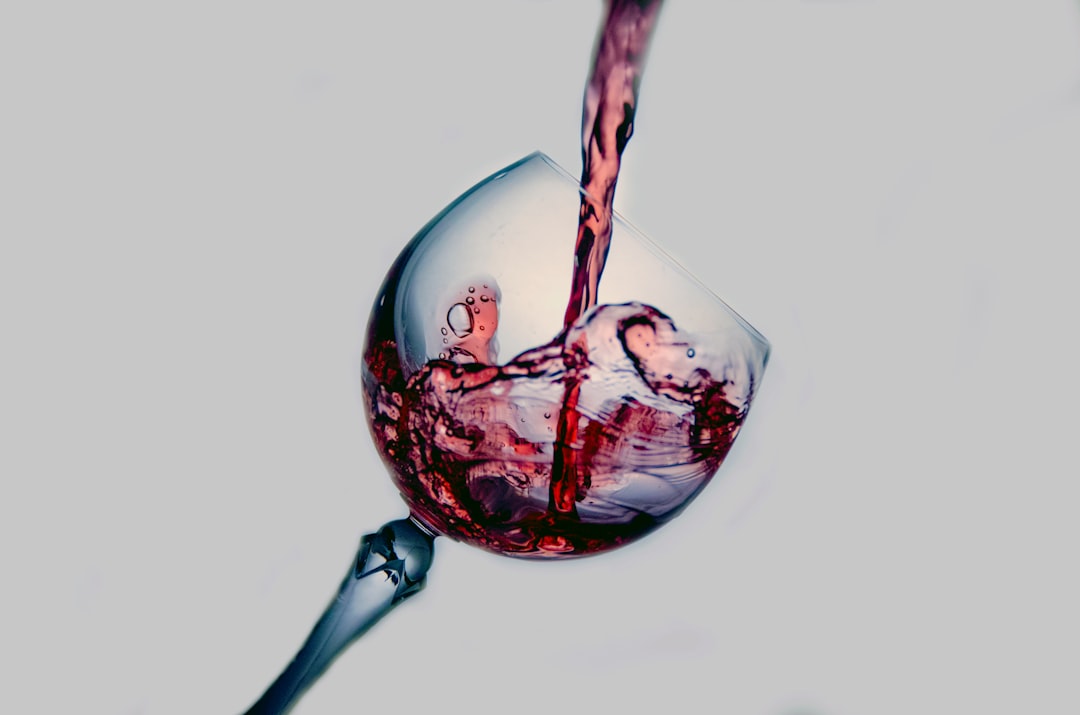
Pour about a third of a glass and hold it against a white background, a napkin, a piece of paper, or a white tablecloth works perfectly.
Colour tells you the grape and the age. Whites range from almost colourless (very young, neutral grapes like Pinot Grigio) through pale straw and gold to deep amber (oak-aged whites or very old wines). Reds span from bright ruby (young, light reds like Gamay) through garnet and purple to brick-orange at the rim (a sign of age or oxidation).
Clarity signals winemaking style. Most commercial wines are bright and clear. A slight haze in an unfiltered natural wine is intentional; cloudiness in a wine that should be clear is a fault.
Viscosity, those slow-moving drips called “legs” or “tears”, indicates alcohol and residual sugar. More legs generally mean more alcohol or sweetness, though legs alone tell you nothing about quality.
Swirl
Pick up the glass by the stem (not the bowl, your hand will warm the wine and smudge the glass). Place the base on a flat surface and rotate it in small circles for five to ten seconds.
Swirling does two things. First, it increases the wine’s surface area, allowing volatile aromatic compounds to evaporate more quickly. Second, it oxygenates the wine, opening up aromas that were compressed in the bottle. A wine that smells closed and dull before swirling can reveal completely different character afterwards.
If the wine spills, the circles are too big. Aim for tight, controlled rotations that keep the liquid moving but contained.
Sniff
Lower your nose into the glass and inhale gently. Do not breathe in forcefully, the alcohol vapour will overpower everything. Short, gentle sniffs are more effective.
Wine aromas fall into three categories:
Primary aromas come from the grape itself: fruit, flowers, and herbs. Sauvignon Blanc brings grapefruit, grass, and elderflower. Pinot Noir offers cherry, raspberry, and rose. Riesling contributes lime, peach, and sometimes petrol (a hallmark of quality).
Secondary aromas develop during fermentation: bread, brioche, yoghurt, and butter are common, particularly in wines that have undergone malolactic fermentation or extended lees contact.
Tertiary aromas (also called the “bouquet”) emerge from ageing in oak or bottle. Expect vanilla, cedar, and toast from oak; dried fruit, leather, tobacco, and earth from bottle age. These aromas are what make an aged wine so fascinating to smell.
Take a second sniff after a moment’s pause. Your nose adapts quickly, so giving it a break refreshes your perception.
Sip
Take a small sip, about a teaspoon, and let it coat your entire mouth. Draw in a little air over the wine (this is called “aspirating” and looks inelegant but dramatically enhances flavour perception).
Evaluate five elements in sequence:
Sweetness registers on the tip of the tongue. Bone-dry wines have none; off-dry wines have a soft, barely-perceptible sweetness; sweet wines are unmistakably so.
Acidity creates a mouthwatering, bright sensation on the sides of the tongue and triggers salivation. High-acid wines (Riesling, Champagne, Barbera) feel lively and fresh. Low-acid wines feel flat and short.
Tannin produces a drying, grippy sensation on the gums and the inside of the cheeks, like strong tea. Tannin comes from grape skins, seeds, and oak. It is only relevant in red and orange wines.
Body describes the wine’s weight and texture in the mouth: light (think skimmed milk), medium, or full (think double cream). Alcohol, sugar, and extract all contribute to body.
Alcohol creates a warming sensation in the throat and chest. Very high alcohol (above 14.5%) can feel hot or burning; well-balanced wines integrate it seamlessly.
Savour
Swallow (or spit, if you are tasting many wines) and pay attention to what happens next. This is the finish.
Length measures how long the flavours persist after swallowing. A short finish fades in seconds; a long finish lingers for thirty seconds or more. Length is one of the clearest indicators of wine quality, great wines have great length.
Complexity describes how many different flavour impressions you detect as the finish evolves. A complex finish shifts and changes; a simple one stays the same.
Balance is the overall verdict: do sweetness, acidity, tannin, alcohol, and fruit work together, or does one element dominate awkwardly?
Putting It All Together: A Worked Example
Open a village-level red Burgundy (a Pinot Noir from Burgundy). Work through each step.
See: Pale ruby with a translucent rim, nowhere near as deep as a Shiraz. Already tells you this is a lighter-bodied red.
Swirl: Watch the legs form slowly, moderate alcohol, probably 12.5 to 13%.
Sniff: Primary aromas of fresh cherry, raspberry, and a subtle violet note. After a second sniff: a whiff of earth and fallen leaves, classic Burgundian character.
Sip: Silky texture, bright acidity, very fine tannins that grip the gums gently, medium body. The fruit is restrained rather than jammy.
Savour: The finish is long. The cherry evolves into something more mineral and earthy. The wine leaves your mouth feeling clean and eager for the next sip.
From those five steps, you now know this wine is young (bright colour), elegant (pale, fine tannins), and authentic to its region (earth and cherry). You have tasted it analytically and experienced it emotionally.
Practice Makes the Palate
The 5 S’s are not a performance for dinner party guests. They are a private practice that sharpens your sensory memory with every bottle you open. Over time, you will notice smells and flavours you never consciously registered before. You will start to predict what a wine will taste like from its appearance. You will know when a wine is closed and needs decanting, and when it is past its peak.
The Sommo app’s structured tasting notes follow the same systematic approach, appearance, nose, palate, conclusions, so you can record your observations from every bottle and build a personal flavour map over time. The more deliberately you taste, the faster your palate develops.
Frequently Asked Questions
What are the 5 S’s of wine tasting? The 5 S’s are See, Swirl, Sniff, Sip, and Savour. Each step builds on the last: looking at the wine reveals age and grape variety; swirling releases aromatic compounds; sniffing identifies flavour profiles; sipping confirms what you smelled; savouring evaluates the finish, structure, and overall quality.
Is the 5 S method used in WSET exams? The 5 S’s are an informal teaching tool, not the official WSET method. WSET uses the Systematic Approach to Tasting (SAT), which evaluates appearance, nose, and palate in specific structured categories. The 5 S’s are a great introduction that flows naturally into learning the full SAT framework.
How long should you swirl wine before smelling it? Five to ten seconds of gentle circular swirling is sufficient to volatilise the aromatic compounds in wine. More vigorous or prolonged swirling can over-oxygenate delicate wines and make subtle aromas harder to detect. Place the base of the glass on a flat surface to keep the swirl controlled.
Liked this read? Try the app.
Scan any wine label with AI, build your tasting journal, and learn wine your way.