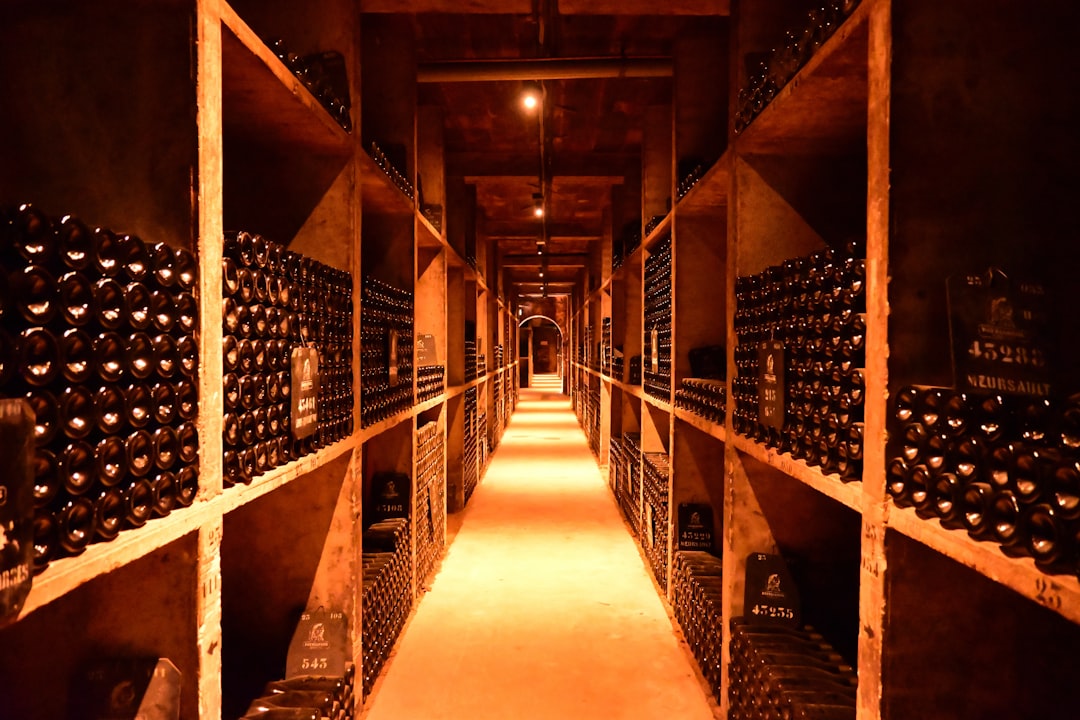
The vintage is the year the grapes were picked, printed on most bottles and quietly ignored by most drinkers. Sometimes that is fine. Sometimes it is the difference between a great bottle and a forgettable one. Here is how to tell which is which.
What a vintage actually tells you
A vintage records one growing season: the weather the grapes lived through from bud to harvest. A warm, even year tends to give ripe, generous wines. A cool or wet one can mean lighter, sharper wines, or in a bad year, dilution and underripeness. The same vineyard, the same winemaker, two different years, two different wines.
That variation is the whole reason vintage charts exist. It is also why the year matters far more in some places than others. Vintage, and every other word the label throws at you, is defined in the free WSET wine glossary.
When vintage matters most
Vintage swings hardest in regions with unpredictable weather and wines built to age:
- Cool, marginal climates: Bordeaux, Burgundy, Champagne, the Mosel and Piedmont can differ sharply from year to year.
- Age-worthy wines: if a wine is meant to last, the starting material matters, so the vintage is worth checking. Our note on when Barolo is ready to drink shows how much the year shapes the timeline.
- Expensive bottles: the more you spend, the more a weak vintage stings.
In these cases, a strong year can be worth seeking out and a weak one worth avoiding, or buying to drink early rather than to cellar.
When it barely matters
For a great deal of everyday wine, the vintage is close to irrelevant:
- Warm, reliable climates: much of California, Australia, Argentina and southern Spain sees steady sunshine, so years look alike.
- Wines made to drink young: most whites, rosé and easy reds are blended for consistency and meant to be opened fresh, so you simply want the most recent vintage on the shelf.
- Non-vintage wines: many Champagnes and fortified wines carry no year at all, blended deliberately for a house style that never changes.
If you are buying a cheerful midweek red to drink this month, the year on the label is one of the last things to worry about. Picking the right glass or serving it at the right temperature will change your evening far more.
How to check a year quickly
You do not need to memorise vintage charts. Our free vintage checker takes a wine and a year and tells you how that vintage was regarded, so you can judge a bottle before you buy or decide whether the one in your rack is worth keeping.
Pair it with the drinking window checker: one tells you whether the year was strong, the other tells you when to open the bottle. Together they answer the two questions that actually matter at the shelf.
The sensible rule of thumb
Spending under twenty on a wine to drink soon? Take the newest vintage and move on. Spending more on something to keep, or buying from a cool, variable region? Check the year first. That single habit will quietly improve what ends up in your glass.
Explore with Sommo
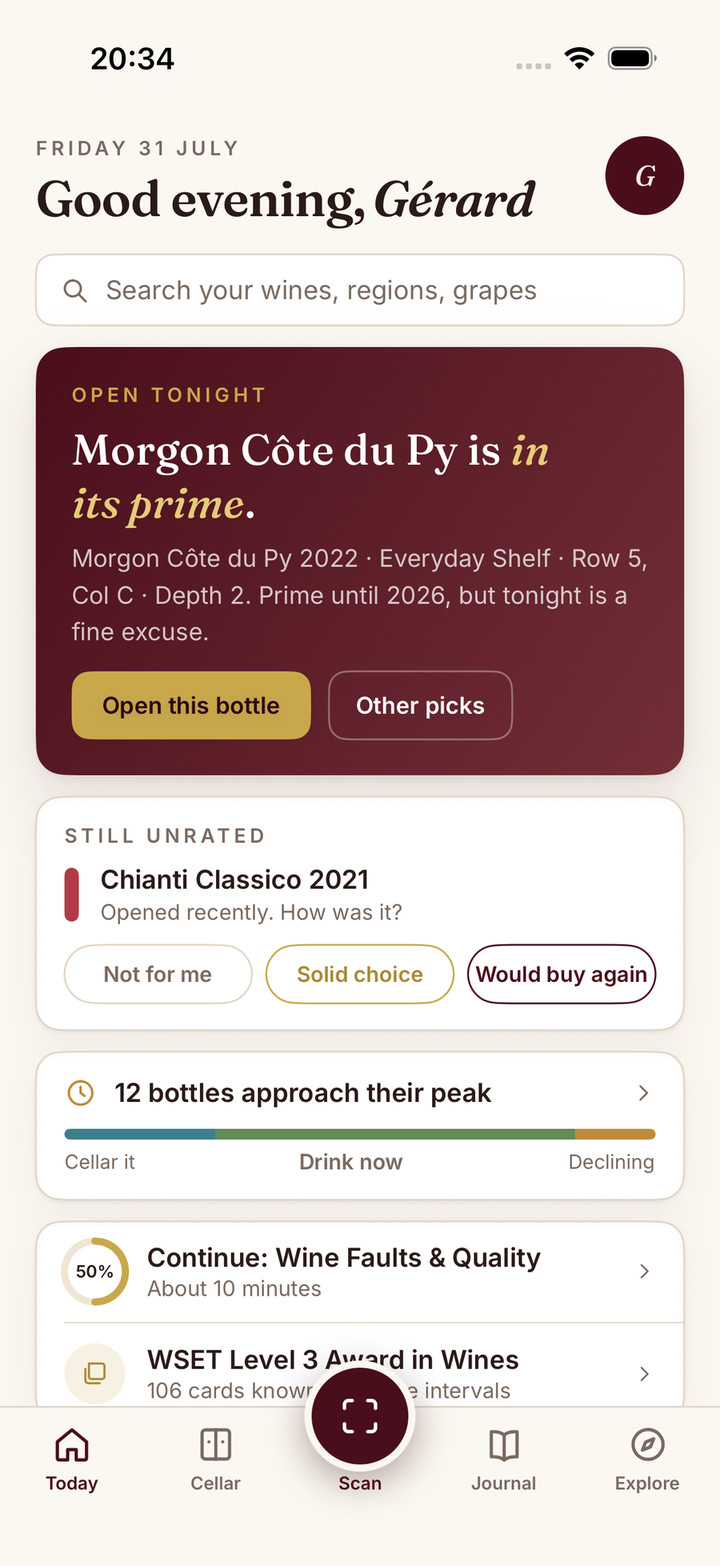
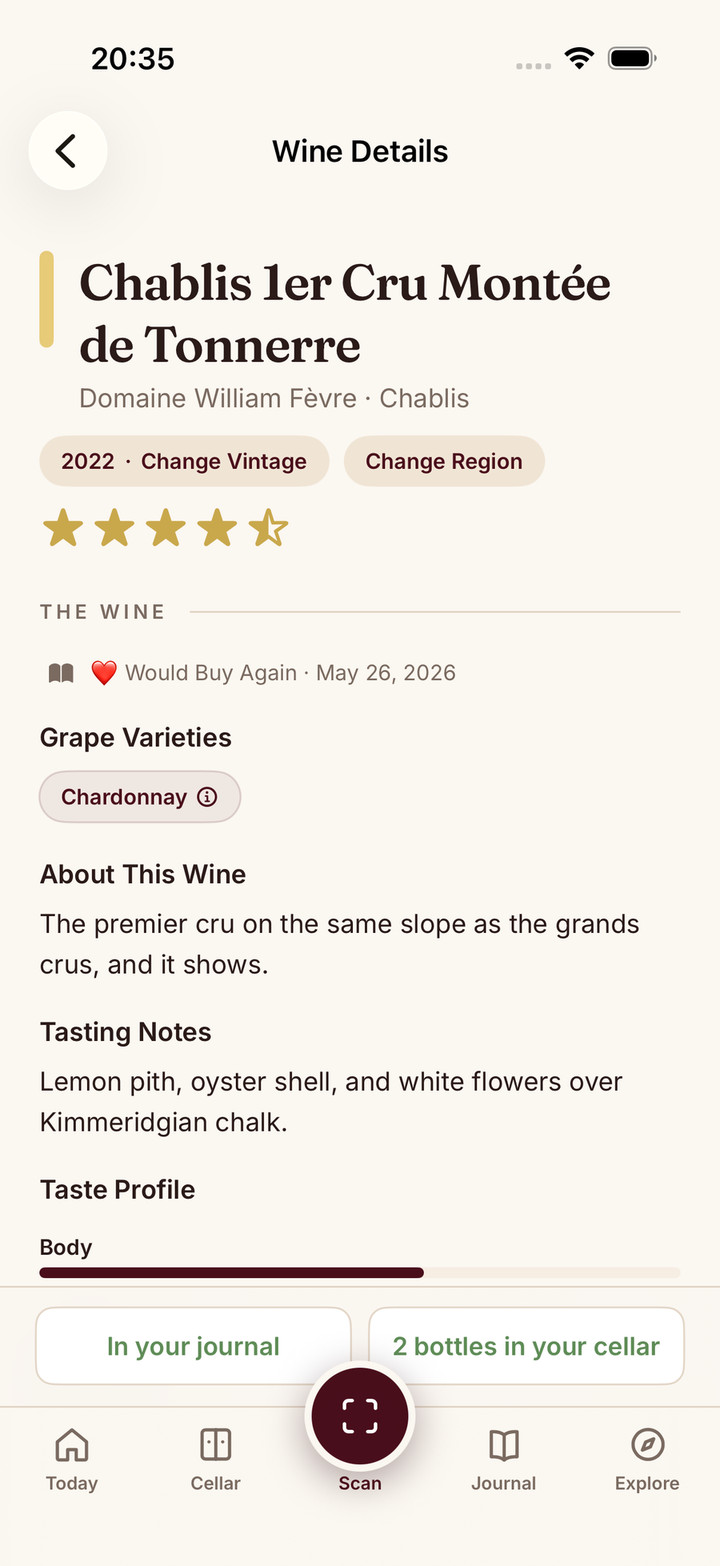
Scan a label and Sommo reads the vintage for you, then tells you whether the bottle is ready and how the year was judged, no chart required.
Download Sommo free and stop guessing at the year on the label. 🍷