If a newly opened wine seems wrong, start with the smell. Damp cardboard or a musty cellar points towards cork taint. Faded fruit, bruised apple or tired, nutty notes may point towards oxidation. Neither conclusion should come from one sniff alone. Give the wine a moment in the glass, consider its age and intended style, then decide whether to raise the issue.
This distinction matters because people often call any disappointing bottle “corked”. Our broader wine-faults guide covers more possibilities. Here is a narrower test for the two faults most easily confused at the table.
Cork taint: mustiness and missing fruit
Cork taint is often associated with TCA, a compound that can produce a damp-cardboard or mouldy-room impression. At high levels it is obvious; at lower levels the wine may simply seem strangely quiet, with little fruit where you expected plenty. It can affect wine under different closures, although a tainted natural cork is a common source.
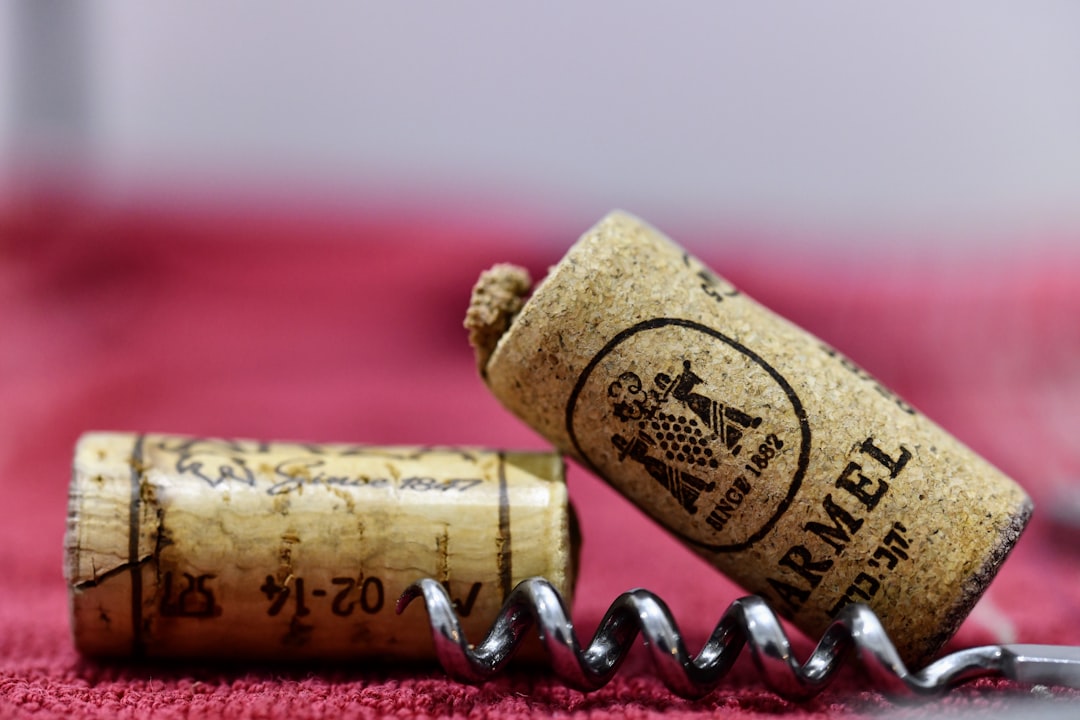
A cork that breaks while you open the bottle does not by itself mean the wine is corked. The fragments may be annoying, but they are not the same as the aroma fault. Remove them with a clean filter or strainer and assess the wine itself.
If you know the producer or have another bottle of the same wine, a comparison can help. One glass smells of fresh fruit and the other of a damp cupboard? That is stronger evidence than a vague sense that the wine tastes odd.
Oxidation: fruit that has faded
Too much oxygen can make a wine lose freshness. In a young white intended to taste of bright citrus or orchard fruit, you might notice a darker colour, bruised-apple notes and a flat finish. A red can lose vivid fruit and appear tired. A failed closure or an opened bottle kept too long are possible causes.
Context is essential. A mature wine changes naturally over time, and some styles are intentionally oxidative. A nutty Sherry is not faulty because it smells unlike a fresh Sauvignon Blanc. Ask what this wine is supposed to be. The guide to wine past its best helps when the bottle’s age or storage is uncertain.
Check without overreacting
Pour a small sample, swirl it, smell it and take a sip. Look for a pattern rather than a single dramatic word on a tasting wheel. Is the fruit absent? Is there a musty smell? Has the colour shifted in a way that makes sense for its age? Let a very cold wine warm slightly before judging it, since cold can hide aromas.
Decanting cannot remove cork taint. It may change how an oxidised wine presents, but it cannot reverse the damage. If the bottle is newly purchased, keep the wine and receipt and speak to the retailer. In a restaurant, describe what you notice and invite staff to check the bottle. The point of the initial taste is to catch a fault, not to prove your expertise.
For bottles you have already opened, good storage after opening helps slow deterioration next time. Record the bottle and your observation in Sommo’s journal so you remember whether this was an isolated fault or a style you simply did not enjoy.
Keep a useful record of your wines.
The sensory distinctions above follow WSET’s guide to common wine faults.