Chilean Wine Guide: Regions, Grapes, and What to Drink
A complete guide to Chilean wine. Explore key regions from Maipo to Casablanca, discover Carmenere, and find great bottles at every price point.
Chile is one of the most exciting wine countries in the world, yet it rarely gets the attention it deserves. Squeezed between the Andes mountains to the east, the Pacific Ocean to the west, the Atacama Desert to the north, and Patagonian ice fields to the south, Chile’s vineyards exist in a natural greenhouse, protected from pests, blessed with sunshine, and cooled by mountain air and ocean breezes.
The result is consistently ripe, clean fruit at prices that make equivalent quality from Europe or California look expensive. If you have not explored Chilean wine properly, you are missing one of the best value propositions in the wine world.
Why Chile Matters
Chile has several natural advantages that shape its wines:
- Phylloxera-free: The vine louse that devastated European vineyards in the 19th century never reached Chile, thanks to its natural barriers. Many Chilean vines grow on their own rootstock, ungrafted.
- Reliable sunshine: Most wine regions receive abundant sun during the growing season, ensuring consistent ripeness year after year.
- Cool Pacific influence: The Humboldt Current brings cold water up the coast, generating morning fogs and cool breezes that moderate temperatures and preserve acidity in the grapes.
- Altitude from the Andes: Vineyards planted at higher elevations benefit from cooler nights, wider diurnal temperature ranges, and more intense sunlight, all of which enhance flavour concentration and freshness.
These factors combine to produce wines that are reliably ripe, fruit-driven, and remarkably consistent across vintages.
Key Wine Regions
Maipo Valley
The heartland of Chilean wine and the country’s most established region, centred around Santiago. Maipo is to Chile what Napa is to the United States: the benchmark for premium Cabernet Sauvignon.
The valley divides into three zones. The warmer, lower areas near the coast produce softer, earlier-drinking reds. The central valley floor offers the classic Maipo Cabernet style: ripe cassis, eucalyptus, and firm but polished tannins. The upper Maipo, climbing into the Andes foothills (Alto Maipo), produces the most structured and age-worthy wines, with pronounced mineral character and cooler-climate elegance.
Colchagua Valley
South of Maipo, Colchagua has become one of Chile’s most dynamic regions. Red blends and Carmenere thrive here, producing deeply coloured wines with rich dark fruit, spice, and a characteristic herbal note. Colchagua is also home to several of Chile’s most acclaimed premium producers, who have invested heavily in hillside and coastal vineyards to push quality further.
Casablanca Valley
Chile’s answer to the cool-climate question. Positioned between Santiago and the port city of Valparaiso, Casablanca sits close enough to the Pacific to receive regular morning fog and cool breezes. This makes it ideal for white varieties: Sauvignon Blanc with racy acidity and tropical fruit, Chardonnay with citrus and mineral precision, and increasingly impressive Pinot Noir.
Elqui Valley
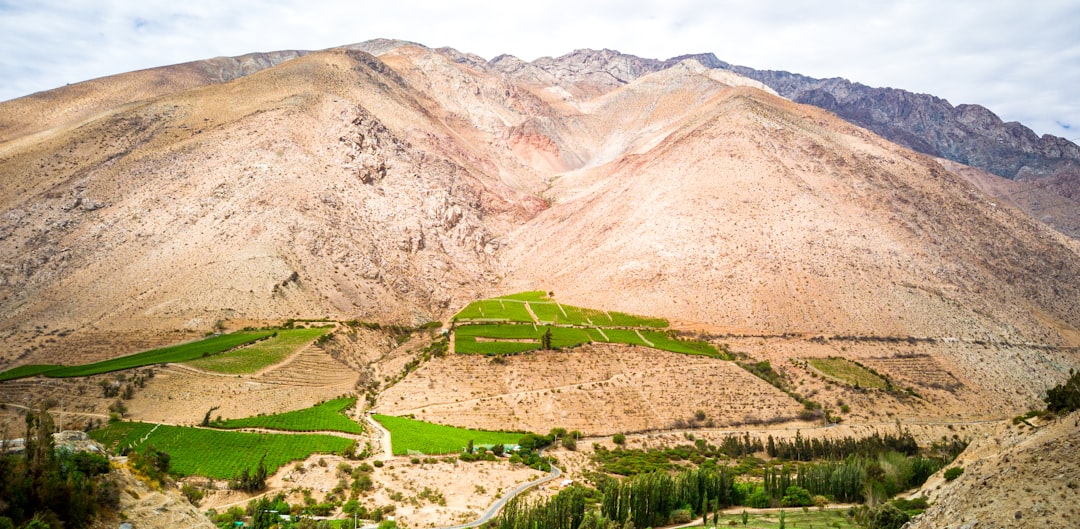
One of Chile’s most northern and highest-altitude wine regions, Elqui is still relatively unknown but producing remarkable wines. Vineyards here sit above 2,000 metres in some cases, yielding intensely concentrated Syrah and Pinot Noir with vivid fruit and bracing acidity. This is frontier winemaking, and the results are thrilling.
Other Regions Worth Exploring
- Leyda Valley: Cool and coastal, producing outstanding Sauvignon Blanc and Pinot Noir
- Aconcagua Valley: Warm and sheltered, excellent for Cabernet Sauvignon and Syrah
- Bio-Bio and Itata: Southern regions championing old-vine Pais and Cinsault, driving a movement toward Chile’s pre-industrial grape heritage
The Grapes of Chile
Cabernet Sauvignon
Chile’s most planted premium red grape and its most recognisable export. Chilean Cabernet tends to be riper and more approachable than Bordeaux equivalents, with ripe blackcurrant, dark cherry, and often a distinctive eucalyptus or mint note from the warm-to-moderate growing conditions. At the top end, Alto Maipo Cabernets can age for a decade or more.
Carmenere: Chile’s Identity Grape
Carmenere deserves its own section because no other country has made this grape its own the way Chile has.
Originally one of the six permitted Bordeaux varieties, Carmenere was virtually wiped out in France by phylloxera in the 1860s and never significantly replanted. For over a century, it was assumed to be extinct. Then, in 1994, DNA analysis revealed that many Chilean vineyards labelled as Merlot were actually Carmenere, which had been brought over from Bordeaux before the phylloxera crisis and quietly grown under the wrong name ever since.
Today, Chile produces more Carmenere than any other country. The grape produces medium to full-bodied wines with flavours of red and dark fruit, green pepper (when underripe), smoked paprika, dark chocolate, and a distinctive savoury spice. At its best, Carmenere offers a unique flavour profile that sits somewhere between Merlot’s plushness and Cabernet Franc’s herbal complexity.
Look for Carmenere from Colchagua, Rapel, and Peumo for the ripest, most concentrated examples.
Sauvignon Blanc
Chile’s best Sauvignon Blancs come from cool coastal regions like Casablanca and Leyda. The style sits between the herbaceous intensity of Marlborough and the mineral restraint of Sancerre: tropical fruit, citrus, and grassy notes balanced by refreshing acidity. These wines offer exceptional quality at prices that undercut both New Zealand and Loire equivalents.
Other Notable Varieties
- Syrah: Thriving in Elqui and San Antonio, producing both powerful warm-climate styles and elegant cool-climate expressions
- Chardonnay: Best from Casablanca and Limari, ranging from unoaked and crisp to barrel-fermented and creamy
- Pais: Chile’s heritage grape, increasingly championed by artisan producers from old vines in Itata and Bio-Bio
Chilean Wine at Every Price Point
Under 8 Pounds
Chile dominates this bracket. Varietal Cabernet Sauvignon, Merlot, and Sauvignon Blanc from large producers offer clean, fruit-forward wines that over-deliver for the money. Look for Reserva-level wines, which typically see some oak ageing and more careful fruit selection.
8 to 15 Pounds
This is the sweet spot for Chilean wine. Gran Reserva and single-vineyard wines from established producers offer genuine complexity, site expression, and varietally accurate character. Carmenere from Colchagua and Sauvignon Blanc from Casablanca are particularly strong in this range.
15 to 30 Pounds
Premium single-estate wines that compete with bottles costing twice as much from Bordeaux, Napa, or Burgundy. Alto Maipo Cabernet, top Colchagua blends, and cool-climate Pinot Noir from Leyda all deliver at this level.
Above 30 Pounds
Chile’s icon wines. These are the country’s statement bottles, often Cabernet-based blends from exceptional vineyard sites, aged in new French oak and built for long cellaring.
Explore Chilean Wine with Sommo
Chilean wine rewards curiosity. With such diversity of regions, grapes, and styles at accessible prices, it is the perfect country for systematic exploration. Scan your next Chilean bottle with Sommo to learn about the region and grape variety instantly. Log your tasting notes to track which Chilean styles and regions match your palate, and explore Chile on the interactive wine region map to see how the country’s geography shapes its wines.