Champagne is simultaneously the most familiar and least understood wine in the world. Almost everyone has raised a glass of it, but very few people can explain why it tastes different from Prosecco, what NV means on the label, or why a grower Champagne can be more interesting than a famous house. This guide fixes that.
What Makes Champagne Different?
Champagne comes from the Champagne region of northern France, around 150 kilometres east of Paris. The chalky soils, cool climate and the traditional method of secondary fermentation in the bottle combine to produce a sparkling wine with a character that Prosecco and Cava simply cannot replicate.
For a more detailed comparison, see Champagne vs Prosecco.
The key difference is the traditional method (méthode champenoise): bubbles are created by a second fermentation inside the bottle, with the wine then aged on the dead yeast cells (lees) for at least 15 months for non-vintage, three years for vintage. This lees ageing creates the brioche, biscuit and toasty complexity that defines great Champagne. The free WSET Level 2 sparkling wines quiz is a quick test of how well you know the method.
NV vs Vintage Champagne
Non-vintage (NV): The vast majority of Champagne is non-vintage. The winemaker blends wines from multiple years to create a consistent house style. NV Champagne is designed to taste the same from one bottle to the next, regardless of the vintage year. This is a skill, not a compromise.
Vintage Champagne: Made only in the best years, using grapes from that single harvest. Vintage Champagne is aged for at least three years on lees and develops greater complexity. It is more expensive and more individual, reflecting the specific character of that year.
Understanding the Label
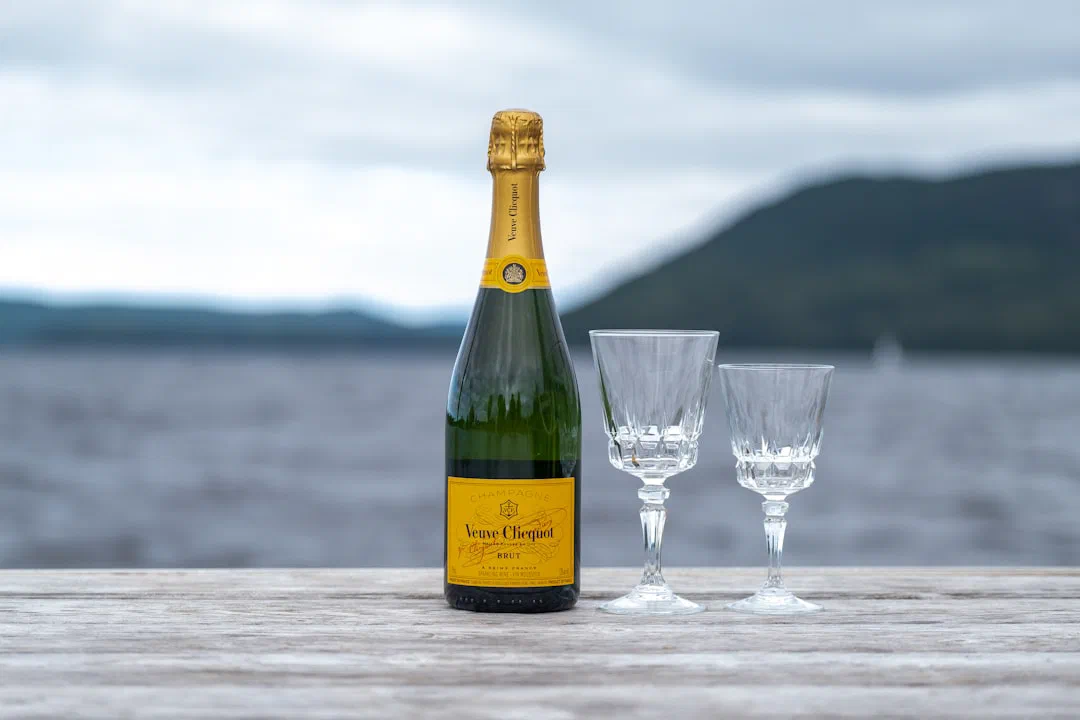
Champagne labels contain useful information once you know what to look for:
- Sweetness level: Brut Nature, Extra Brut, Brut, Extra Dry, Sec, Demi-Sec, Doux (driest to sweetest). Brut is by far the most common and a reliable default choice. The Brut vs Demi-Sec guide explains exactly how each level tastes.
- Blanc de Blancs: Made from 100% Chardonnay grapes. Expect elegance, citrus, chalk and a fine, persistent mousse.
- Blanc de Noirs: Made from red-skinned grapes (Pinot Noir and/or Pinot Meunier) with no skin contact, producing a white wine. Often fuller-bodied with red fruit character.
- Rosé Champagne: Either made by adding a small amount of still red wine to the blend, or by brief skin contact. Red fruit, strawberry and cream.
- Prestige Cuvée: A house’s top wine, often vintage and from their best vineyards. Cristal (Louis Roederer), Dom Pérignon (Moët) and Krug Grande Cuvée are the famous examples.
Grower Champagne vs Big Houses
The big houses (Moët, Veuve Clicquot, Pol Roger, Taittinger) source grapes from across the region and blend for consistency. They are reliable but rarely express a single terroir.
Grower Champagne (marked RM on the label) is made by the same farmer who grows the grapes. More individual, often more interesting, and increasingly sought after. Look for Egly-Ouriet, Ulysse Collin and Bereche et Fils for genuinely exciting small-production bottles.
Serving and Glassware
Serve Champagne at 8-10°C: cold enough to preserve the bubbles and freshness, not so cold that the aromas shut down. The free wine serving temperature guide has the right range for every style. A flute preserves the bubbles but restricts aromatics; a white wine glass or a tulip-shaped glass shows the wine better and is preferred by serious tasters.
Open the bottle by tilting it at 45 degrees, holding the cork firmly, and twisting the bottle slowly until the cork comes out with a gentle sigh. You lose less wine and keep more bubbles.
Food Pairings
Champagne’s acidity makes it one of the most food-friendly wines made. Brut NV works with fried food (fried chicken and Champagne is genuinely brilliant), oysters and canapés. Blanc de Blancs shines with shellfish and sushi. Rosé suits salmon and charcuterie. Vintage Champagne earns its place alongside serious fish or poultry dishes.
Finding Good Value
Great Champagne does not have to be expensive. Major UK supermarkets produce non-vintage Champagnes for £15-20 that deliver solid quality. If the budget will not stretch, the roundup of budget-friendly sparkling wines covers the best alternatives. Grower Champagne is often priced similarly to prestige NV house bottles but with more character. Among the smaller houses, Laurent-Perrier, Billecart-Salmon and Gosset consistently deliver outstanding quality with less of the premium attached to the biggest names.
Explore with Sommo
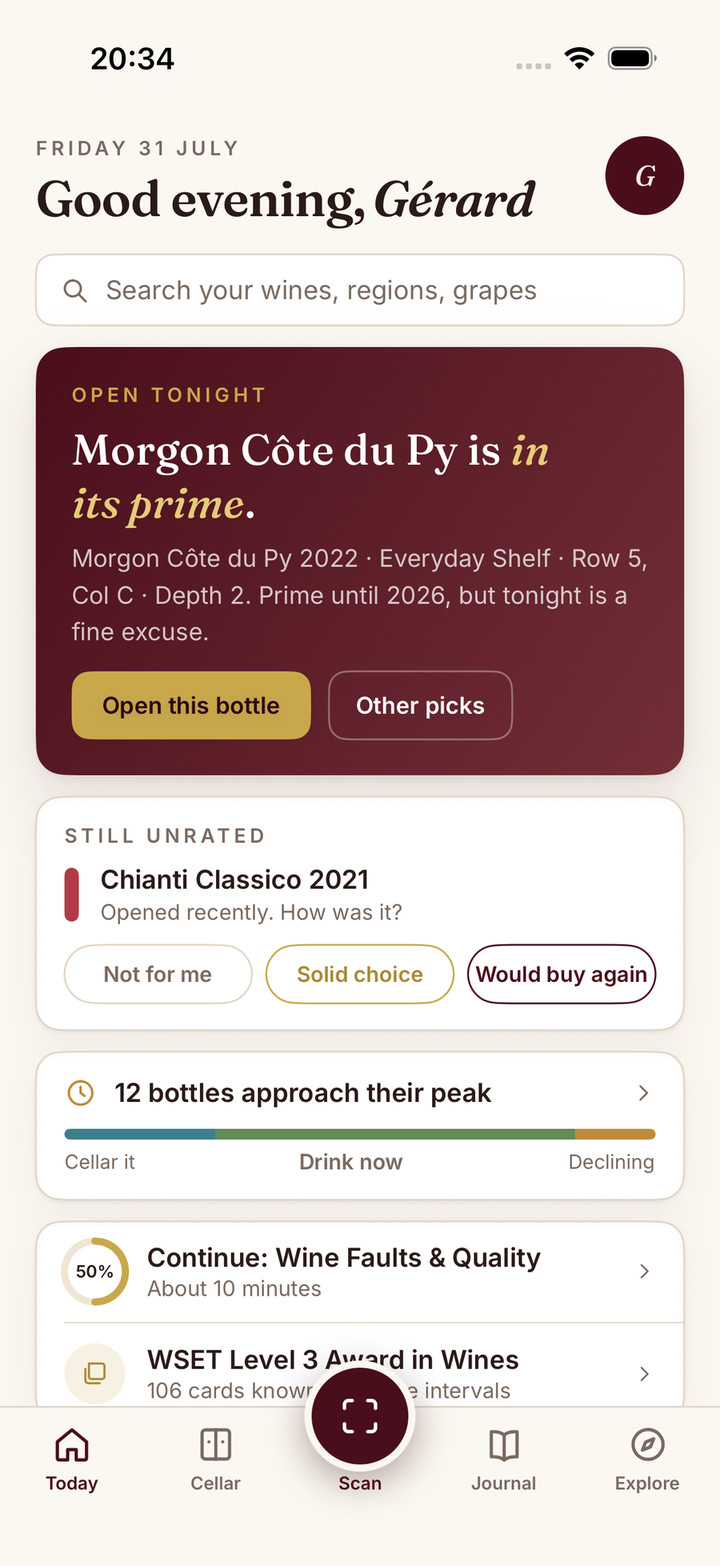
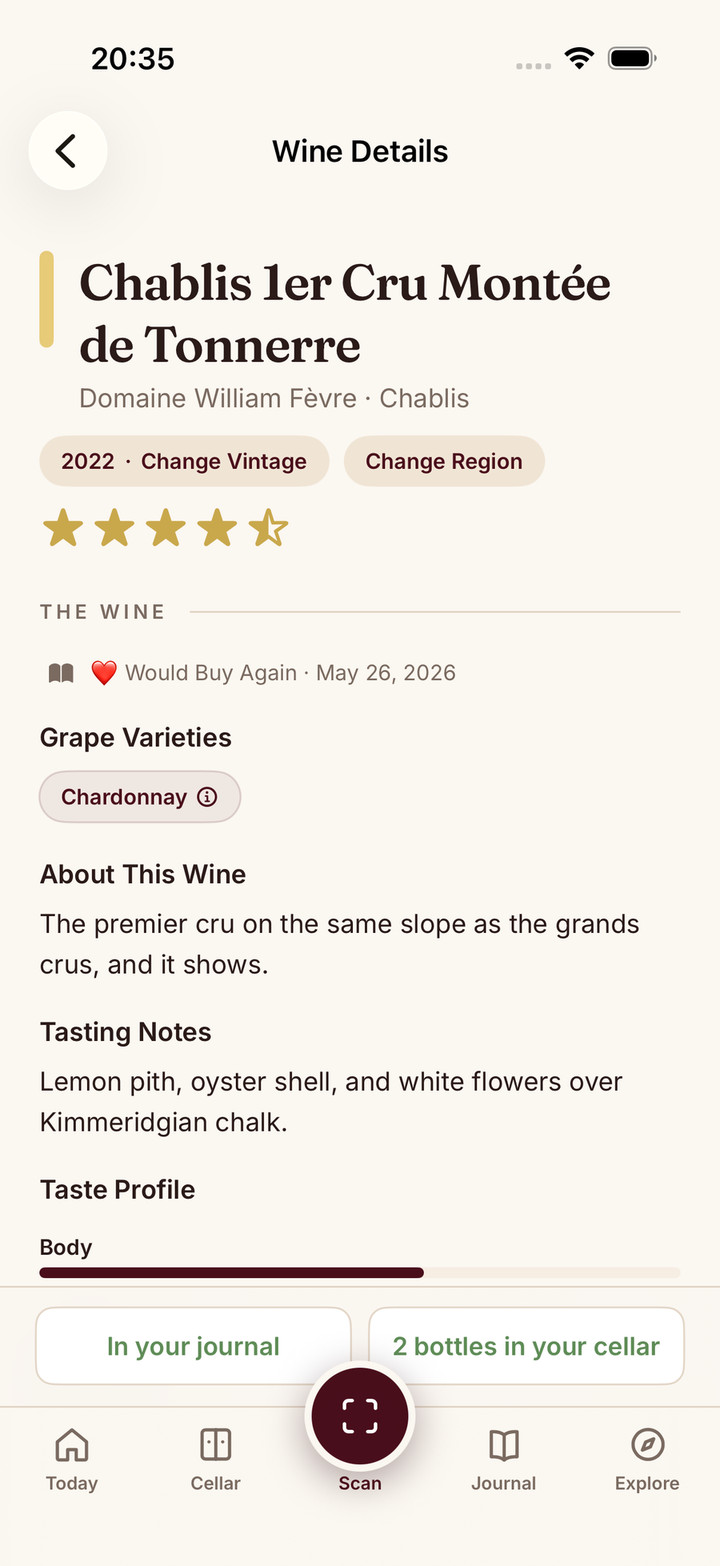
Champagne has more depth than most people realise. Use Sommo to scan bottles, compare notes across different houses and styles, and build your understanding of what makes each wine distinct. The app’s learning tools cover the Champagne region in detail for anyone working toward a wine qualification.
Download Sommo and take the mystery out of Champagne.
When the label names grape colour rather than dosage, Blanc de Blancs versus Blanc de Noirs explains the grapes, body, ageing and food trade-off.
Two bottles marked NV may represent different releases. The non-vintage edition-record guide shows how to preserve a cuvée edition, producer code and stated disgorgement date without inventing a vintage.