Wine feels like a light indulgence, so the calorie count often comes as a surprise. It is not junk food, but it is not free either, and the number moves more than most people expect depending on what and how much you pour. Here is how it actually works.
The rough numbers
As a general guide, a standard 175ml glass of wine holds somewhere around 120 to 170 calories, depending on the style. A large 250ml pour of a strong red can push past 200. Over an evening, that adds up quietly, because unlike a meal, nobody counts glasses.
Two things drive the figure: how strong the wine is, and how big the pour is.
Alcohol does most of the work
Alcohol carries roughly seven calories per gram, nearly as much as pure fat, and it is the main source of calories in most wine. That is why a bold 15% red has noticeably more calories than a delicate 11% white of the same size. The stronger the wine, the higher the count, almost regardless of colour.
Sugar adds the rest. A bone-dry wine has very little residual sugar, while an off-dry or dessert wine has considerably more, which is why sweet wines sit at the top of the range even in small measures.
Why the pour size matters so much
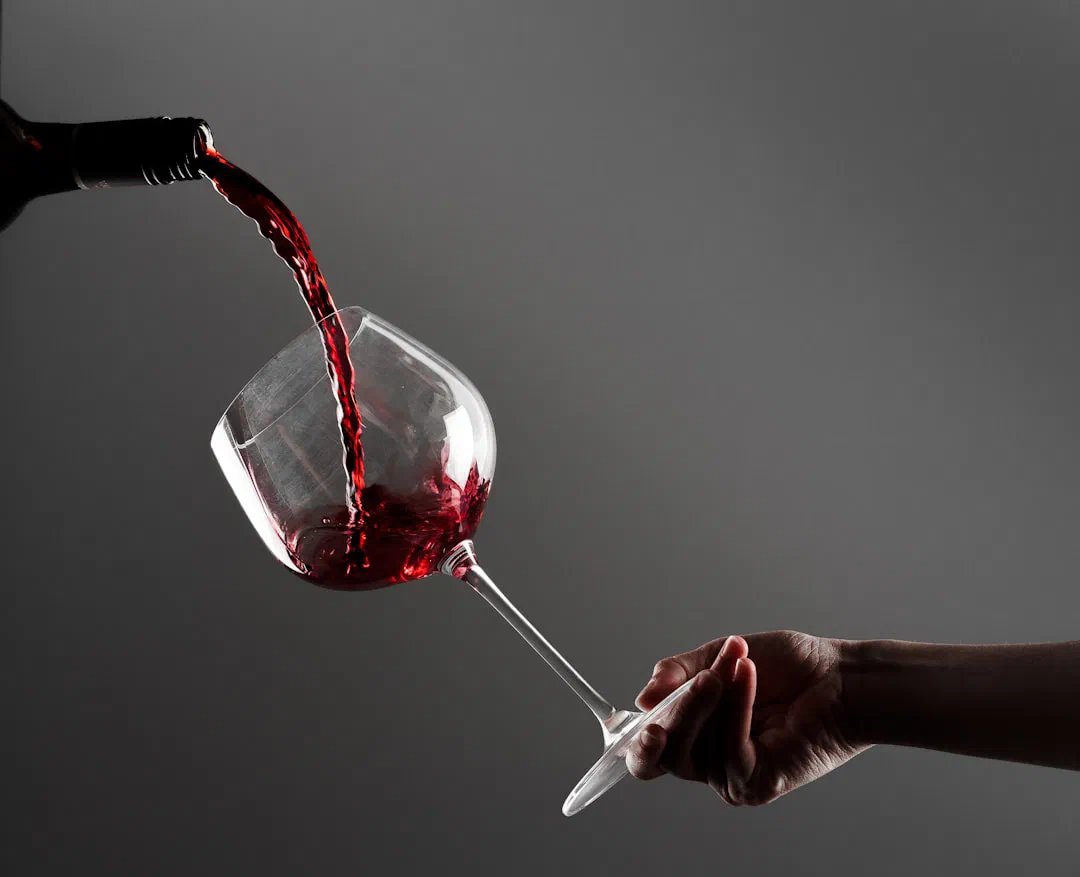
The other lever is entirely in your control. A restaurant “small” glass is often 175ml, a generous home pour can be 250ml, and a bottle holds 750ml. Move from a 125ml measure to a 250ml one and you have doubled the calories in a single decision, before the wine itself changes at all.
This is where good habits help more than choosing a “diet” label: a slightly smaller glass of something you love beats a large glass of something forgettable.
Lighter choices without the compromise
If you are watching the numbers, a few styles do the work for you. Crisp, lower-alcohol whites, dry sparkling wines and lighter reds tend to sit at the gentler end. If you are not sure which of those styles suits you, the free wine quiz points you in the right direction. Our roundup of low-calorie, low-alcohol wines has specific bottles worth trying, none of which taste like a sacrifice.
Work out your glass in seconds
Rather than estimate, our free calories and units calculator gives you both the calories and the alcohol units for any pour or whole bottle, based on the size and the strength on the label. It is the quickest way to see what a second glass really costs, or to keep an eye on units across a week.
A sensible way to think about it
None of this is a reason to stop enjoying wine. It is a reason to enjoy it deliberately: know roughly what a glass costs, pour a size you have chosen rather than defaulted to, and spend those calories on bottles that are worth it. Awareness, not abstinence, is the useful goal.
Explore with Sommo
Sommo remembers the wines you drink and the ones you loved, so you can lean towards the styles that suit both your palate and your week.
Download Sommo free and drink with a little more intent. 🍷