Burgundy Wine Guide for Beginners
Burgundy is the most revered (and confusing) wine region on earth. Here's a practical guide to understanding its villages, vineyards, and classifications.
Burgundy is wine’s most hallowed ground. It’s where Pinot Noir and Chardonnay reach their highest expression, where a single vineyard can produce wine worth thousands of pounds, and where the classification system is both brilliantly logical and maddeningly complex.
It’s also deeply intimidating for newcomers. The labels are in French, the hierarchy has four levels, there are hundreds of named vineyards, and the prices can be eye-watering. But once you understand the basic framework, Burgundy makes more sense than almost any other wine region. Here’s how to crack it.
The Two-Grape Region
Burgundy keeps things simple in one respect: it’s essentially a two-grape region.
- Pinot Noir for reds (and rosé, though it’s rare)
- Chardonnay for whites
There are minor exceptions – Gamay in Beaujolais (technically part of greater Burgundy), Aligoté for a crisp white alternative – but 95% of what you’ll encounter is Pinot Noir or Chardonnay.
This simplicity is the point. With variety held constant, everything comes down to where the grapes are grown. Burgundy is the purest expression of terroir in the wine world.
The Classification Hierarchy
Burgundy’s classification system is a quality pyramid with four levels. From bottom to top:
1. Regional (Régionale) – ~50% of Production
Labels say Bourgogne (the French name for Burgundy) plus the grape or colour:
- Bourgogne Rouge (red Pinot Noir)
- Bourgogne Blanc (white Chardonnay)
- Bourgogne Aligoté
Grapes can come from anywhere in the region. These are the entry-level wines: simple, pleasant, affordable ($12-25). Think of them as Burgundy’s house wine.
2. Village (Communale) – ~35% of Production
Labels show the village name: Gevrey-Chambertin, Meursault, Puligny-Montrachet, Volnay, etc.
Grapes come from vineyards within that specific village. Quality and character vary significantly by village. These wines cost $25-80 and are where Burgundy starts getting interesting.
3. Premier Cru (1er Cru) – ~10% of Production
Labels show the village name plus the specific vineyard: “Gevrey-Chambertin 1er Cru Les Cazetiers.”
There are about 640 Premier Cru vineyards across Burgundy. These are recognised as producing consistently superior wine due to their specific soil, aspect, and microclimate. Prices range from $40-200+.
4. Grand Cru – ~1% of Production
Labels show only the vineyard name – no village: “Chambertin,” “Montrachet,” “Clos de Vougeot.”
There are only 33 Grand Cru vineyards in Burgundy (plus 51 in Chablis). These are the pinnacle: the best sites producing the most concentrated, complex, age-worthy wines. Prices start around $80 and can exceed $20,000 for the most sought-after bottlings (Romanée-Conti, La Tâche, Musigny).
The Key Subregions
Burgundy stretches about 250km from Chablis in the north to Beaujolais in the south. The main subregions, from north to south:
Chablis
Grape: Chardonnay only Style: Lean, mineral, steely, with high acidity. The antithesis of buttery California Chardonnay Best for beginners: Chablis or Chablis Premier Cru. Clean, refreshing, and surprisingly affordable ($18-35)
Côte de Nuits
Grape: Predominantly Pinot Noir Famous villages: Gevrey-Chambertin, Chambolle-Musigny, Vosne-Romanée, Nuits-Saint-Georges Style: The most structured, powerful, and age-worthy red Burgundies Best for beginners: Village-level Gevrey-Chambertin or Nuits-Saint-Georges ($35-60)
Côte de Beaune
Grapes: Both Pinot Noir and Chardonnay, but best known for whites Famous villages: Pommard, Volnay (reds); Meursault, Puligny-Montrachet, Chassagne-Montrachet (whites) Style: Reds are softer and more approachable than Côte de Nuits. Whites range from rich and nutty (Meursault) to mineral and taut (Puligny) Best for beginners: Village Meursault for white ($35-55); Village Volnay for red ($30-50)
Côte Chalonnaise
Grapes: Both Key appellations: Mercurey, Givry, Rully, Montagny Style: Similar to Côte de Beaune but lighter and more accessible Best for beginners: Excellent value territory. Mercurey rouge ($18-30) or Rully blanc ($16-25) punch well above their price
Mâconnais
Grape: Predominantly Chardonnay Key appellations: Mâcon-Villages, Saint-Véran, Pouilly-Fuissé Style: Rounder, fruitier Chardonnay than Chablis, often with more body Best for beginners: Mâcon-Villages ($12-18) is arguably the best-value white Burgundy
How to Read a Burgundy Label
Burgundy labels follow a consistent logic:
- Just “Bourgogne” = Regional (entry level)
- Village name (e.g., “Meursault”) = Village level
- Village name + vineyard name (e.g., “Meursault 1er Cru Perrières”) = Premier Cru
- Vineyard name only (e.g., “Montrachet”) = Grand Cru
The producer (domaine or négociant) matters enormously. The same vineyard can produce wildly different wines depending on who farms it and makes the wine. Learning a few trusted producers at each price level is more valuable than memorising vineyard names.
Trusted Producers by Budget
Entry level (Bourgogne/Village): Louis Jadot, Joseph Drouhin, Bouchard Père & Fils, Maison Roche de Bellene
Mid-range (Village/Premier Cru): Domaine Faiveley, Domaine William Fèvre (Chablis), Domaine Chanson, Olivier Leflaive
Splurge (Premier Cru/Grand Cru): Domaine Dujac, Domaine Comte Georges de Vogüé, Domaine Leflaive, Domaine Roulot
Where to Start
If you’re new to Burgundy, here’s a practical starting path:
- Bourgogne Rouge from Louis Jadot (~$18) – understand basic red Burgundy
- Chablis from William Fèvre (~$22) – discover unoaked Chardonnay
- Mercurey from Faiveley (~$25) – taste village-level Pinot Noir at a fair price
- Meursault from Roulot or Jadot (~$45) – experience what great white Burgundy does differently
Don’t rush to Grand Cru. The magic of Burgundy is in the nuances between villages, vineyards, and producers. Take your time at each level, and the differences will reveal themselves.
The Vintage Question
Burgundy is more vintage-sensitive than most regions. In great years (2015, 2019, 2020), even basic Bourgogne can be exceptional. In difficult years, even good producers can struggle.
For current drinking, look for:
- Reds: 2019, 2020, 2022 (ripe, generous vintages)
- Whites: 2020, 2021, 2022 (good acidity and balance)
Burgundy is a lifetime journey – nobody “finishes” learning it. But that’s what makes it endlessly fascinating. Every bottle teaches you something new about what a single grape variety can do when grown in the right place by the right people.
Explore Burgundy’s subregions on the Sommo wine map and track your discoveries in your tasting journal.
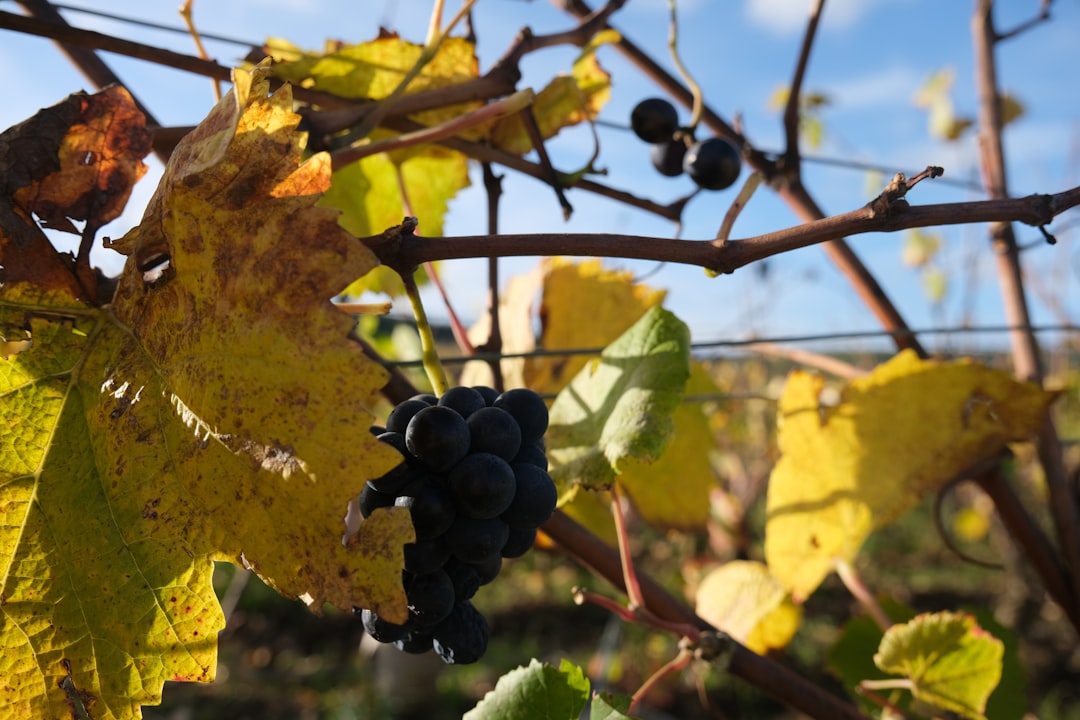
Photo by Ingeborg Korme on Unsplash