Biodynamic farming is either a profound philosophy for producing wines of exceptional terroir expression, or an elaborate collection of superstitions dressed up in agricultural language. Depending on who you ask, you will get a passionate defence from some of the world’s best winemakers, or an equally passionate dismissal from scientists. This guide cuts through both extremes with an honest look at what biodynamics actually involves and what it means for the wine in your glass.
What Is Biodynamic Farming?
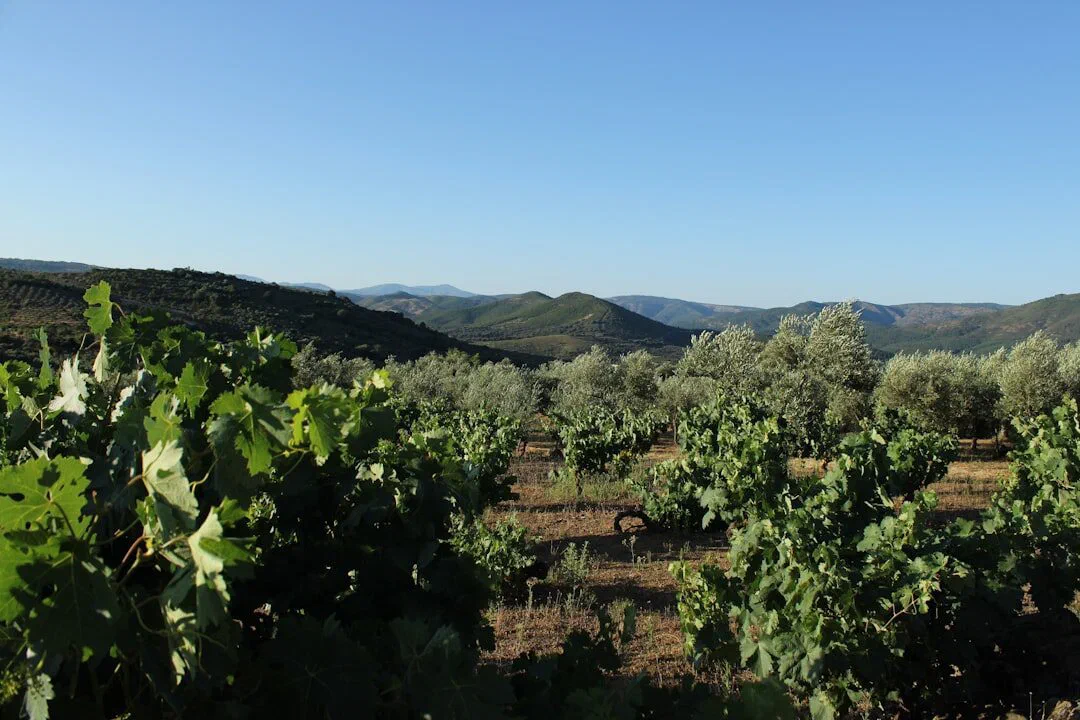
Biodynamic agriculture was developed in the 1920s by Austrian philosopher Rudolf Steiner. The core idea is that a farm should function as a self-sustaining, holistic ecosystem: the soil, plants, animals and humans all interconnected in a living system.
In practice, for a vineyard, this means:
- No synthetic pesticides, herbicides or fertilisers: The vine’s health comes from healthy soil biology, cover crops and composted preparations
- Self-contained inputs: Ideally, everything the vineyard needs comes from the farm itself. Compost is made on site; livestock provide manure
- Biodynamic preparations: A set of nine specific preparations (numbered 500-508) made from herbs, minerals and other natural materials, applied in homeopathic quantities
- The lunar calendar: Planting, harvesting and cellaring activities are timed according to a calendar based on the moon’s position relative to the zodiac
The lunar calendar is the part that draws the most scepticism. Proponents argue that cosmic rhythms genuinely affect plant growth and wine quality; critics point to a lack of controlled scientific evidence.
How Biodynamics Differs from Organic and Natural Wine
These three terms are often used interchangeably but they are distinct:
- Organic wine: No synthetic chemicals in the vineyard. In the EU, organic certification also limits permitted sulphur additions in the winery. This is the most straightforward of the three.
- Biodynamic wine: Organic farming plus the Steiner preparations, the lunar calendar and the holistic farm concept. More demanding than organic certification.
- Natural wine: No legal definition. Typically refers to minimal intervention in both vineyard and cellar: indigenous yeasts, no fining or filtering, very low or no added sulphur. Can be biodynamic, organic or neither.
Biodynamic wine can have sulphur added (within limits), can be filtered, and does not require spontaneous fermentation. It is a farming philosophy, not a winemaking philosophy.
Demeter Certification
Demeter is the main international certifying body for biodynamic agriculture. To carry the Demeter logo, a producer must meet strict standards covering both vineyard practice and winery additions. It is a meaningful third-party verification that the wine was genuinely produced according to biodynamic principles, not just marketed as such.
Does Biodynamic Wine Actually Taste Different?
Honest answer: the evidence is mixed. Blind tastings rarely produce results that cleanly separate biodynamic from conventional wines. If you want to test your own palate under the same conditions, the free blind tasting trainer is a good place to practise. What most serious biodynamic producers share is an obsessive attention to detail and a genuine belief that the land matters. Those qualities tend to show in the glass, but whether they are caused specifically by the preparations and lunar timing or simply by the greater care and engagement they require is genuinely unclear.
What is broadly agreed: biodynamic farms tend to have healthier soils, more biodiversity and more expressive terroir character over time. The best biodynamic wines often show a vibrancy and precision that is hard to quantify but easy to taste.
Producers Worth Knowing
Some of the world’s most celebrated winemakers farm biodynamically:
- Zind-Humbrecht (Alsace): One of the pioneers. Their Rieslings and Gewurztraminers are benchmarks for Alsatian terroir expression
- Domaine Leflaive (Burgundy): Converted to biodynamics in the 1990s. Their Puligny-Montrachets are among the finest white Burgundies made
- M. Chapoutier (Rhône): A large-scale producer demonstrating that biodynamics is viable beyond boutique estates
Why It Matters
Even if you remain sceptical about lunar calendars, the underlying principle is sound: healthier soils produce more interesting wines. Biodynamic farming takes organic agriculture further, creating farms that are genuinely self-sufficient and ecologically rich. Whether or not you believe in the metaphysics, that care for the land is worth supporting.
Explore with Sommo
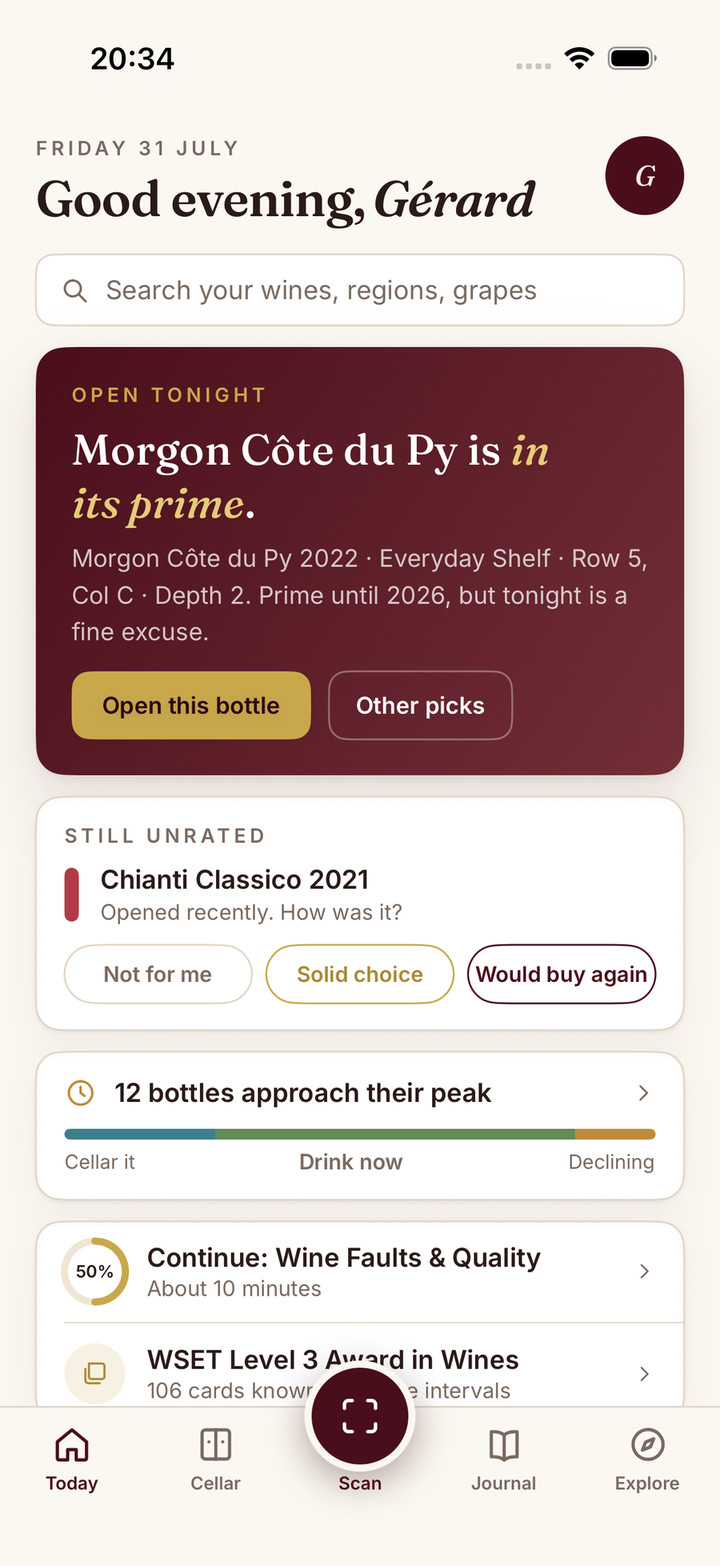
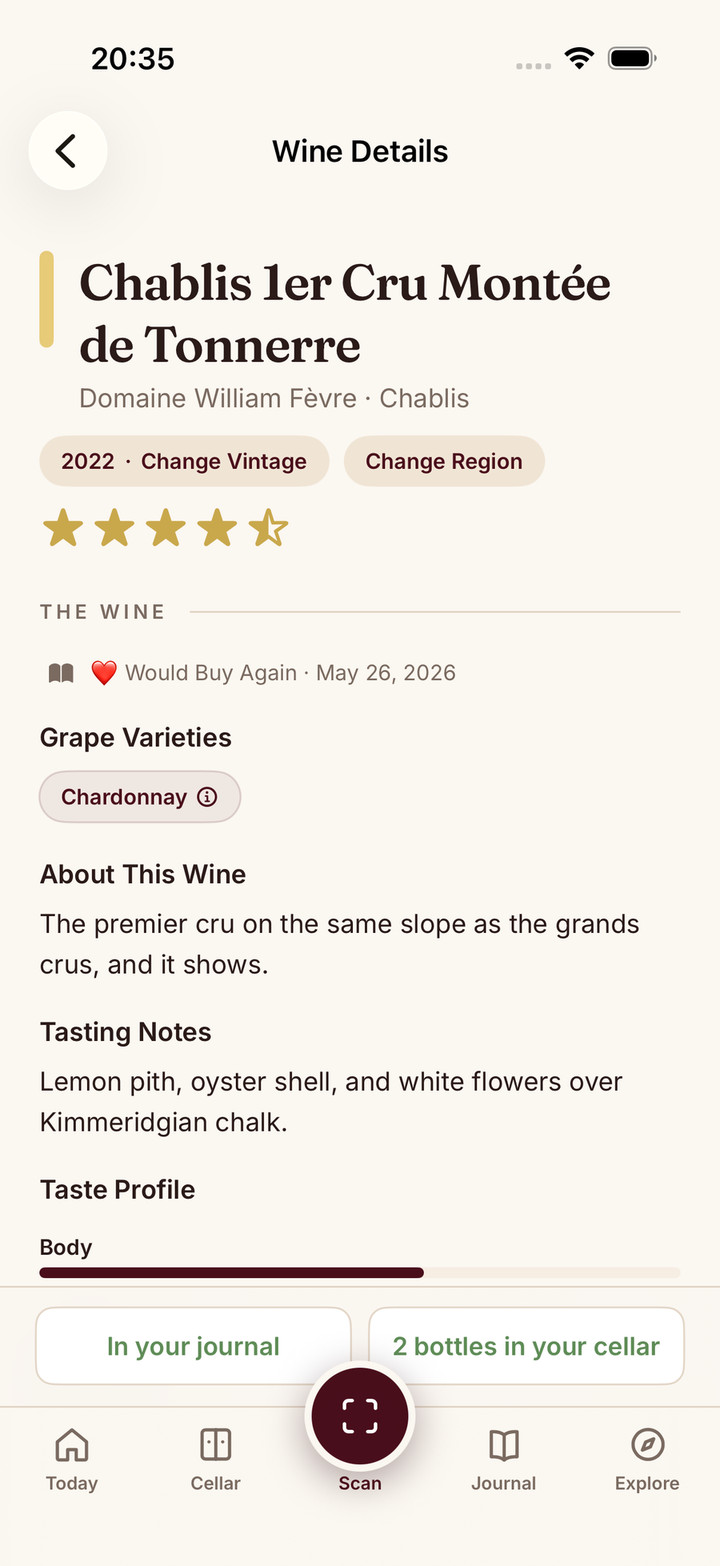
Use Sommo to scan biodynamic bottles and track which producers and farming philosophies resonate with your palate. The app’s tasting note feature lets you compare conventionally farmed wines with biodynamic ones side by side over time, the most reliable way to form your own honest opinion. Score both against the same WSET Level 2 tasting sheet and the comparison stays honest.
Download Sommo and start your biodynamic exploration.