The $30 wine bottle is the most interesting price tier in the world. It is high enough that producers can afford real winemaking choices (proper barrel ageing, single-vineyard fruit, longer lees ageing, gentle handling), and low enough that the bottles are still genuinely accessible. Spend $30 well and you can drink wines that compete with $80 bottles from more famous regions. Spend the same $30 carelessly and you get a slightly better version of supermarket wine.
This guide is built from professional and personal tasting across hundreds of bottles in this exact tier. The 12 picks below cover every major wine style, come from serious producers with verified track records, and consistently outperform their price. If you are tired of the $20 supermarket lottery and want a reliable stepping-up tier, $30 is where to live.
Why $30 Is the Sweet Spot
Three economic factors converge at this price.
Real producer-level wines become available. Below $20, you are mostly buying volume wines from cooperatives or large producers. At $30, you can start to find single-estate, single-vineyard, or producer-led wines that reflect specific winemaking decisions.
Famous-region brand premium drops. A $30 Bordeaux from a Cru Bourgeois is meaningfully better than a $20 generic Bordeaux. A $30 Burgundy village wine is dramatically better than $20 Bourgogne. The marginal dollars at this level deliver disproportionate returns.
Aging potential becomes real. Wines at $30+ have enough structure to improve over 3 to 10 years, depending on style. Wines below $20 are almost always built for immediate drinking.
The combined result: the price-to-quality curve steepens sharply between $20 and $30. Spending $35 instead of $25 often delivers a wine that drinks like a $60 bottle.
The 12 Picks
Reds (5 picks)
1. Cru Beaujolais From a Top Producer ($22 to $30)
Top Beaujolais Cru wines from serious producers (Jean Foillard, Yvon Métras, Marcel Lapierre) live at the upper end of this tier. The quality difference between basic Cru Beaujolais ($18) and top single-vineyard ($28) is substantial.
What to buy: Jean Foillard Morgon Côte du Py, Yvon Métras Fleurie, Marcel Lapierre Morgon.
Why it works: Burgundy-quality Gamay at a fraction of Burgundy prices. The Côte du Py vineyard in Morgon ages 10 to 15 years. See the Beaujolais wine guide.
2. Village-Level Burgundy ($25 to $40)
The accessible Burgundy. Marsannay, Mercurey, Givry, and basic Côte Chalonnaise wines from serious producers all live in this tier.
What to buy: Bruno Clair Marsannay, Faiveley Mercurey, Domaine Joblot Givry.
Why it works: Real Burgundy character (red cherry, earth, finesse) at the lowest serious-Burgundy price tier. Drinks now and ages 5 to 10 years.
3. Crus Bourgeois Bordeaux ($22 to $35)
The Cru Bourgeois classification covers serious Bordeaux estates that are not classified growths. Best-value Bordeaux for years.
What to buy: Château Greysac, Château Poujeaux, Château Chasse-Spleen, Château Sociando-Mallet.
Why it works: Real Bordeaux structure, ageable 10 to 20 years, dramatic value compared to classified growths at $80+. For more, see the Bordeaux wine guide.
4. Top Côtes du Rhône Villages or Single-Vineyard Châteauneuf-Adjacent ($22 to $35)
Producers who make Châteauneuf-du-Pape often make excellent Côtes du Rhône Villages from adjacent parcels, sold at a fraction of the Châteauneuf price.
What to buy: Domaine Santa Duc Côtes du Rhône Villages, Château de Beaucastel Coudoulet (the second wine), Domaine de Marcoux Vacqueyras.
Why it works: Châteauneuf-quality winemaking with simpler appellation labelling means the wine is sold at half the price of the famous label.
5. Single-Vineyard Spanish Reds (Rioja Reserva, Ribera del Duero) ($22 to $35)
Spanish wine at this price is one of the great values in serious red wine. Rioja Reserva and Ribera del Duero from quality estates deliver world-class character.
What to buy: López de Heredia Viña Cubillo (Rioja), Pesquera Reserva (Ribera del Duero), Marqués de Murrieta Reserva (Rioja).
Why it works: Spanish wine carries less brand premium than French or Italian at the same quality level. Both Rioja Reserva and Ribera del Duero age 10 to 25 years.
If reds are all you buy, the best red wines under $30 guide is the red-only step-up list. Several of the bottles at this level also reward a few years of patience, and the free drinking window checker tells you when each is ready; if you want to understand why these regions over-deliver, the WSET Level 2 wine regions quizzes are a painless way in.
Whites (4 picks)
6. Premier Cru Chablis ($25 to $40)
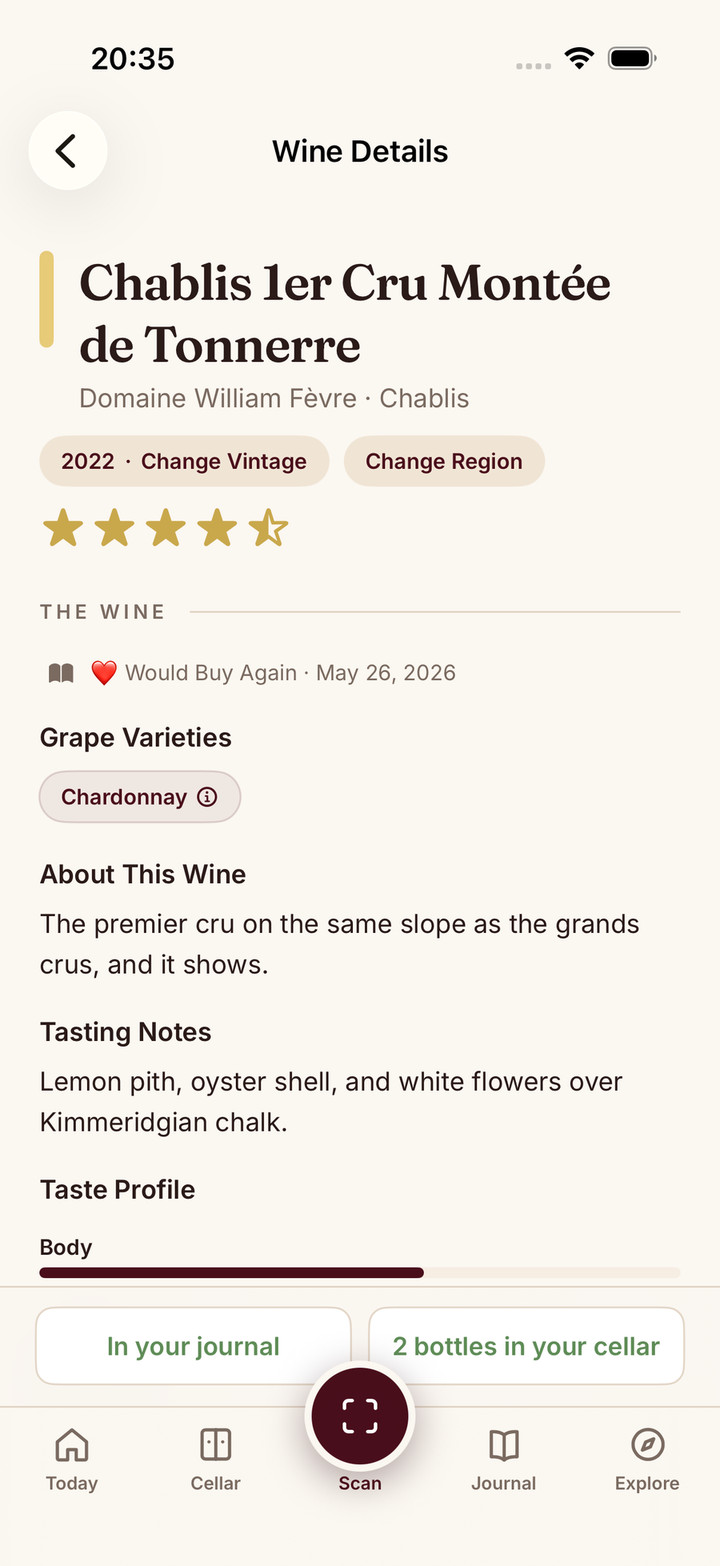
The mineral, lean, age-worthy Chardonnay. Premier Cru level (specific named vineyards) delivers serious complexity at half the price of Grand Cru.
What to buy: William Fèvre Vaillons, Domaine Long-Depaquit Vaillons, La Chablisienne Mont de Milieu (excellent value).
Why it works: No oak, all minerality. The best mineral white in France at the price. See the Chardonnay Without Apologies post and Chablis wine region guide.
7. German Spätlese or Trocken Riesling ($22 to $35)
Serious Riesling from Mosel, Rheingau, or Pfalz at the Spätlese (off-dry) or Trocken (dry) level. Some of the most distinctive and age-worthy white wines in the world.
What to buy: Joh. Jos. Prüm Spätlese, Selbach-Oster Riesling Spätlese, Dr. Loosen Riesling Spätlese.
Why it works: Riesling at this price ages 15 to 30 years from top producers and pairs with food more flexibly than almost any other white. See the Riesling wine guide and Mosel region guide.
8. Sancerre or Pouilly-Fumé From a Serious Producer ($25 to $40)
Loire Sauvignon Blanc at its mineral, focused best.
What to buy: Henri Bourgeois Les Baronnes Sancerre, Pascal Jolivet Sancerre, Domaine de la Renarde Pouilly-Fumé.
Why it works: Sancerre at this price competes with serious white Burgundy on food versatility and ageing. See the Sauvignon Blanc Decoded post.
9. Top Albariño From Rías Baixas ($22 to $30)
Single-vineyard Albariño from serious producers delivers structured, age-worthy white wine at remarkably accessible prices.
What to buy: Zárate Albariño, Forjas del Salnés Leirana, Pazo de Señorans Selección de Añada (at the higher end).
Why it works: The serious producers in Rías Baixas now make age-worthy Albariño that holds 10 to 15 years. Far beyond the typical “summer white” reputation. See the Rías Baixas wine region guide.
Rosé (1 pick)
10. Bandol Rosé ($28 to $40)
The serious French rosé. From Bandol on the Mediterranean coast, predominantly Mourvèdre-based. One of the few rosés in the world that ages 5 to 10 years.
What to buy: Domaine Tempier Rosé, Château Pradeaux Rosé, Domaine Ott Bandol.
Why it works: Structured, mineral, deeper than Provence rosé. Pairs with serious food (lamb, grilled fish, Mediterranean cuisine).
Sparkling (2 picks)
11. Grower Champagne ($45 to $80, sometimes under $50)
The serious lower tier of grower Champagne. Single-estate Champagnes from independent growers, often dramatically better than equivalent-priced big-house Champagne.
What to buy: Pierre Péters Cuvée de Réserve, Larmandier-Bernier Latitude, Marie-Courtin Resonance.
Why it works: The growers make wine from grapes they grow themselves, with the personality and specificity that big houses cannot match.
Note: Grower Champagne sometimes pushes $50+. Listed here because the value at $45-50 is unmatched in the broader sparkling category.
12. Cava Gran Reserva or Top Crémant ($22 to $35)
The serious tier of traditional-method sparkling outside Champagne. Aged 30+ months in bottle for Cava Gran Reserva.
What to buy: Recaredo Brut Nature Gran Reserva, Raventós i Blanc de Nit, Crémant de Bourgogne from Louis Bouillot.
Why it works: Champagne-level production methods at half the price. The Cava Gran Reservas in particular are dramatically under-recognised.
For more on sparkling wine, see the sparkling wine for beginners guide.
How to Build a $30 Wine Habit
Three practical strategies.
Build a Mixed Case Quarterly
Buy 12 bottles every three months, mixing styles across the picks above. A typical case might include:
- 2 Cru Beaujolais
- 2 village Burgundy (1 red, 1 white)
- 2 Crus Bourgeois Bordeaux
- 1 Spanish Rioja Reserva
- 2 German Riesling Spätlese
- 1 Premier Cru Chablis
- 2 grower Champagne or Cava Gran Reserva
Total: roughly $360 to $400. Lasts 6 to 12 weeks of regular drinking.
Buy by the Producer, Not by the Bottle
Find 5 to 8 producers you trust in this tier and follow their releases. Most serious producers make wines across multiple price tiers; once you know the producer, you can pre-order with confidence.
Use a Serious Online Retailer
K&L Wine Merchants, Wine.com, Berry Bros & Rudd, and similar serious retailers have the deepest selection at this price point. See the best wine delivery services 2026 guide.
When to Step Up to $50+
The $30 tier handles 90 percent of drinking situations. The cases for stepping up:
- Milestone occasions. Birthday, anniversary, the night that matters.
- Specific producers worth following. Famous producers (Williams Selyem, Hirsch, top Burgundy producers) often start at $50+. The premium is worth it when you know the producer.
- Building a cellar. Wines for 10+ years of ageing often live at $40 to $80.
- Single-bottle gifts where the bottle itself is the message.
For most everyday drinking, $30 is plenty.
What to Avoid at $30
A few categories that consistently disappoint even at this price.
Heavily marketed Napa Cabernet at $25 to $35. The famous-region brand premium eats most of the dollar. Spend the same money on Crus Bourgeois Bordeaux, Spanish Ribera del Duero, or Washington State Cabernet for dramatically better wine.
Generic Pinot Noir from large California producers at $25 to $30. The serious cool-climate Pinot starts higher. Go Oregon at this tier, or step up to village Burgundy.
Sparkling wine labelled “Champagne style” outside Champagne. Either real Champagne or real Cava/Crémant. Avoid the in-between marketing.
Wines with celebrity branding. The bottle pays for the brand, not the wine. Even at $30, this is true.
A Tasting Plan
Six wines tasted thoughtfully will tell you more about this price tier than reading 50 reviews. A working tasting plan:
Week 1: A Cru Beaujolais (Morgon) and a village Burgundy (Marsannay). The two grapes most similar in character but different in winemaking style.
Week 2: A Cru Bourgeois Bordeaux and a Rioja Reserva. The two classic structured reds at this price.
Week 3: A Premier Cru Chablis and a German Riesling Spätlese. Two completely different mineral whites.
Week 4: A grower Champagne and a Cava Gran Reserva side by side. The two best-value traditional-method sparklings.
Take notes. After four weeks, you will have a personal map of where $30 delivers the most pleasure for your specific palate.
Explore with Sommo
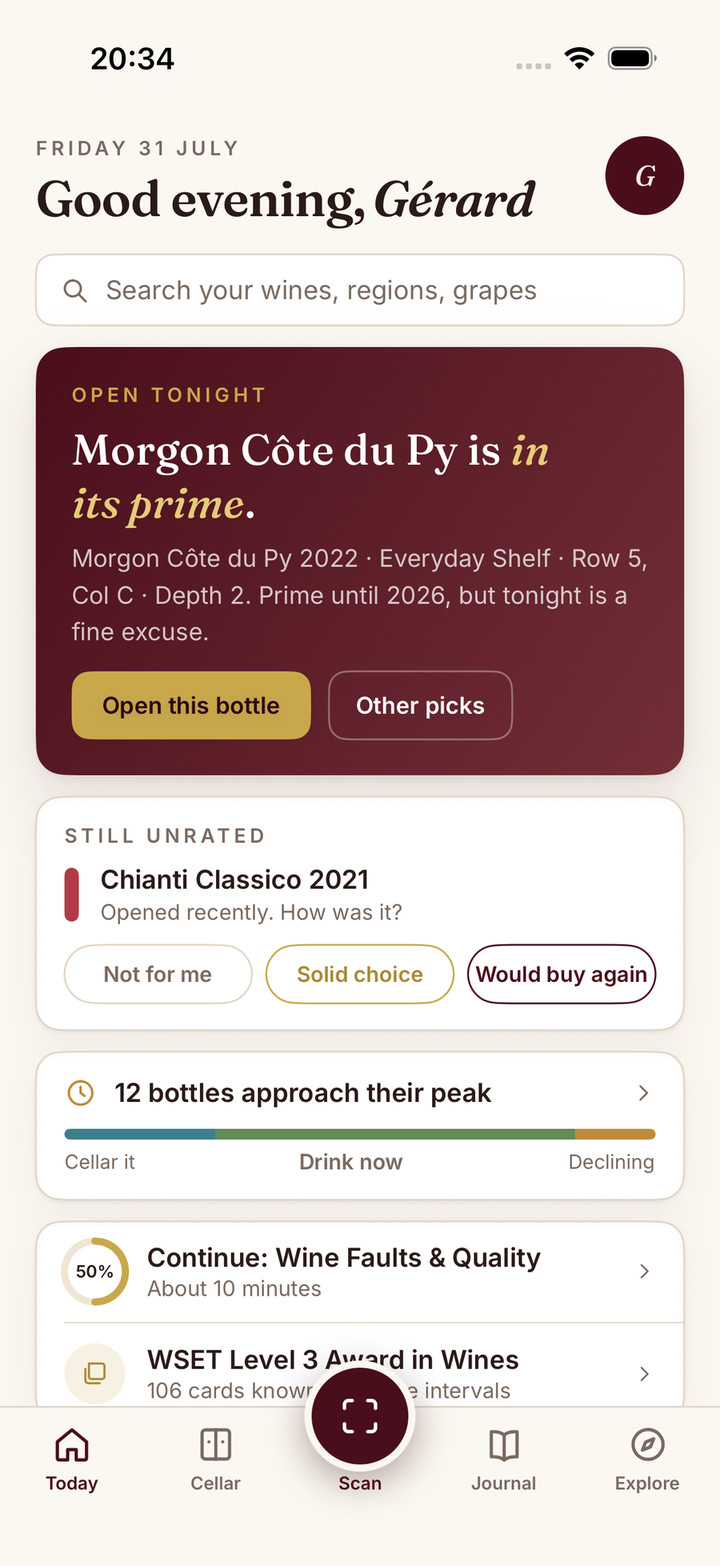
The $30 tier is exactly where structured wine tracking pays off most. Below this price, the differences are smaller and easier to forget. Above it, the bottles are special enough to remember anyway. At $30, you are tasting genuinely interesting wines often enough that without notes you will forget which producers worked. Sommo lets you scan each bottle, save tasting notes through the WSET framework, and track your personal hit rate at this price tier. Over six months, the data sharpens your buying dramatically.
Download Sommo free and build a wine record at the price tier that matters most.
Which $30 bottle should I open tonight?