There is no shame in drinking wine under $10. Some of the most satisfying bottles you will open live here, because the wine has nothing to hide behind: no prestige label, no critic score markup, no auction-house mystique.
But this price band works differently from every other. Above $15, the question is which bottle. Under $10, the question is which regions still deliver anything at all. Get the geography right and you will drink well. Get it wrong and you will get sugar, oak chips, and a hangover.
Start with the table.
The 9 picks at a glance
| Wine | Style | Price band | Best for |
|---|---|---|---|
| Vinho Verde (Portugal) | Light, citrus, faintly fizzy | $6 to $9 | Warm weather and aperitifs |
| Douro red (Portugal) | Medium, savory, structured | $7 to $10 | The best all-rounder here |
| Alentejo red (Portugal) | Ripe, warm, herb-scented | $6 to $10 | Weeknight roasts and stews |
| Garnacha (Calatayud, Spain) | Ripe berry, warm spice | $6 to $10 | Feeding a crowd |
| Verdejo (Rueda, Spain) | Herbal, citrus, crisp | $7 to $10 | Tapas and salads |
| Malbec (Mendoza, Argentina) | Plummy, soft, velvety | $6 to $9 | Burgers and grilled meat |
| Torrontés (Argentina) | Floral, aromatic, dry | $6 to $9 | Spicy food |
| Cabernet Sauvignon (Chile) | Blackcurrant, firm, clean | $6 to $9 | Cheap wine that tastes serious |
| Languedoc red blend (France) | Herbal, dark fruit, rustic | $7 to $10 | Sausages and hard cheese |
How I picked these
None of these are single bottles from single vintages. At this price, named wines change producer, importer, and blend without warning, and last year’s bargain is this year’s disappointment. What holds steady is the region and the grape, so that is what this list tracks.
Take it into the shop as a filter. If a label matches one of these nine rows, it is a defensible buy. I recheck the price bands monthly; the last pass was 24 July 2026.
Why the advice changes at this price
Above $15, most of what you pay for is choice: which producer, which vineyard, which style within a region. The floor is high enough that ordinary competence is a given.
Under $10, the floor drops out. There is no margin for expensive fruit, careful sorting, oak barrels, or a year of aging in a warehouse. The only way to make something worth drinking at this price is to start with a place where sunshine does most of the ripening, land is cheap, yields are generous but not absurd, and nobody has yet made the region famous.
That is why this list is organized around geography. At $8, the region on the label tells you more than the producer does.
The regions that still deliver
Portugal: the undisputed value champion
Portugal produces the best wine at the lowest prices anywhere. Ancient indigenous grape varieties, genuinely skilled winemaking, modest land costs, and no name premium: nobody pays extra for Trincadeira the way they pay extra for Cabernet.
What to look for:
- Vinho Verde ($6 to $9), light, fresh whites with a hint of spritz. See the Vinho Verde guide
- Douro blends ($7 to $10), savory reds from the same terraces that make Port
- Alentejo reds ($6 to $10), warm and generous, with dark fruit and dried herbs
- Dão whites ($7 to $10), crisp and mineral, and consistently underpriced
Spain: old vines, quiet regions
Spain has more land planted to vines than any other country, much of it hot, inland, and sparsely populated. Those zones hold old bush vines that yield very little fruit per plant, which produces concentration that anywhere fashionable would sell at a luxury price. See the Spanish wine guide for the full map.
What to look for:
- Garnacha from Calatayud or Campo de Borja ($6 to $10), ripe berry fruit and warm spice
- Tempranillo from La Mancha or Valdepeñas ($5 to $9), Spain’s signature grape at its most straightforward
- Monastrell from Jumilla ($6 to $10), bold, dark, surprisingly soft
- Verdejo from Rueda ($7 to $10), herbal, citrus-driven whites
Argentina: the altitude advantage
High-altitude vineyards in Mendoza and San Juan get intense sunlight and cool nights, which builds flavor and keeps acidity without any intervention in the cellar. Malbec dominates, but it is not the only story.
What to look for:
- Entry-level Malbec ($6 to $9), plum, cocoa, and velvety tannins
- Bonarda ($6 to $9), Argentina’s second most planted red, juicy and easy-drinking
- Torrontés ($6 to $9), explosively aromatic white with rose petal and citrus
Southern France: sun, scale, and appellation rules
Languedoc-Roussillon makes enormous volumes from Grenache, Syrah, Mourvèdre, and Carignan, still under appellation rules that cap yields. The best of it is startling for the money.
What to look for:
- Pays d’Oc varietals ($6 to $10), labeled by grape, so you know what you are getting
- Corbières and Minervois ($7 to $10), rich, herb-scented red blends
- Picpoul de Pinet ($8 to $10), crisp coastal white built for shellfish
Chile: cool coast, efficient scale
Chile’s narrow strip between the Andes and the Pacific gives a range of climates and a very efficient wine industry. Central Valley bottlings are the strongest value, and the Chilean wine guide has the regional detail.
What to look for:
- Cabernet Sauvignon ($6 to $9), Chile does cheap Cabernet better than anyone
- Sauvignon Blanc ($6 to $9), bright and citrusy from the cool coastal valleys
- Carménère ($7 to $10), herbal and smoky, and found almost nowhere else
What to avoid under $10
Not everything down here is worth buying. Skip:
- Mass-market brands with big advertising budgets. At $8 a bottle, every dollar of marketing comes out of the wine
- Wines that taste sweet without saying so. Residual sugar is the cheapest way to cover thin fruit
- Anything selling itself on the word “smooth.” That usually means a wine designed to offend nobody and please nobody
- Old vintages. If an unoaked white is four years old and still on the shelf, the shop is clearing stock
How this list fits with the others
This page is the survival guide: the regions that still make honest wine at the bottom of the market.
Best white wines under $15 is where crisp whites reach their quality ceiling. Adding $5 to your budget changes the hit rate dramatically, more than any other jump on the shelf. Not sure which of these styles suits you? The 60-second palate quiz narrows it down, and the wine pairing finder matches any of them to tonight’s dinner.
Best red wines under $20 is where reds get reliably good, because tannin needs time in barrel and bottle, and time costs money.
If you are buying for a dinner you care about, start with one of those two. If you are stocking a party or learning what you like, stay here.
How to find your own $10 winners
The best thing about cheap wine is that experimenting is cheap too. A disappointing $8 bottle costs you $8 and a lesson. A disappointing $40 bottle costs you $40 and a grudge.
Buy across regions. One bottle each from Portugal, Spain, Argentina, and Chile, opened over a week, teaches you more about your palate than any article.
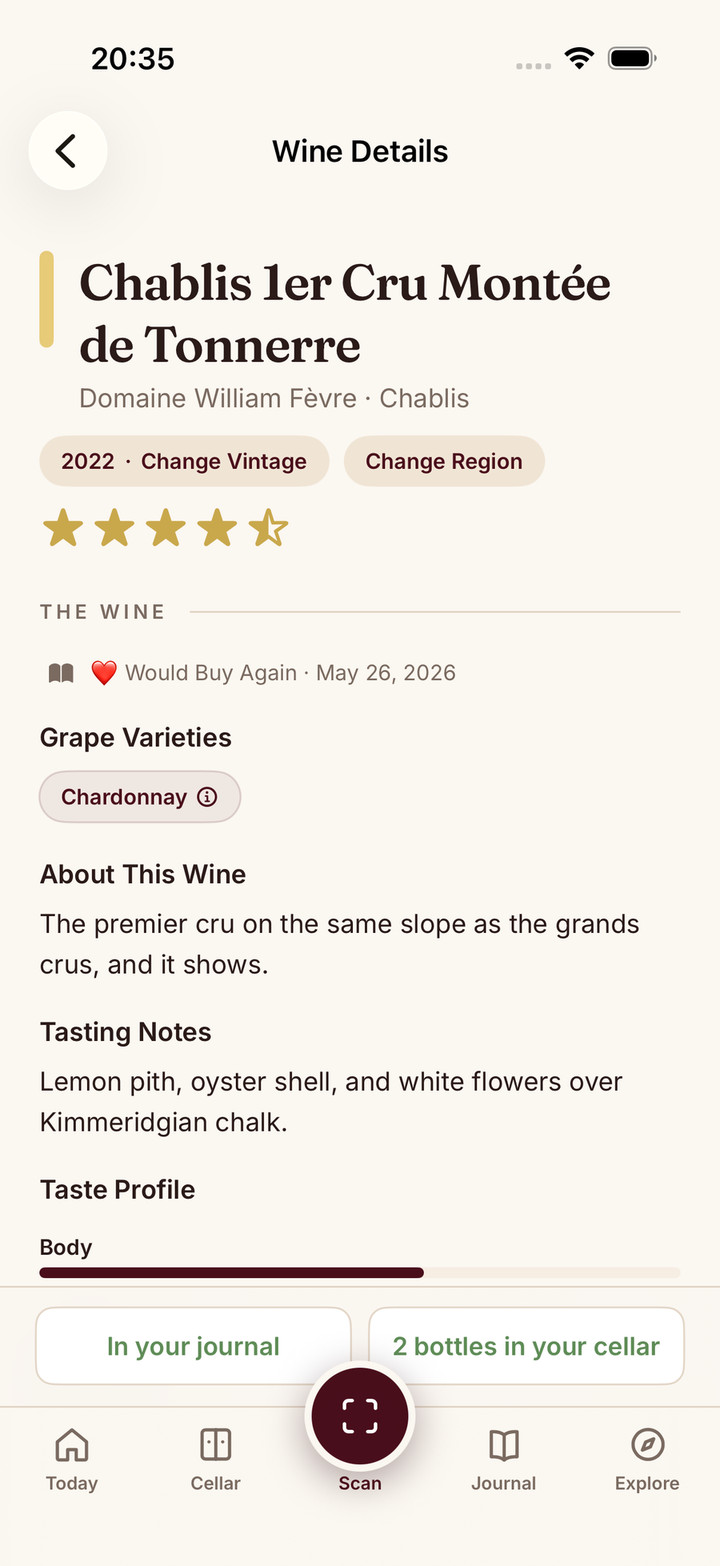
Keep notes. Log each one in a wine journal with a rating and a few words. Over a couple of months you build a personal map of value.
Scan before you buy. When an unfamiliar label catches your eye at a great price, scan it with Sommo and see the grape, region, and expected flavor profile before you commit.
Trust your own palate. Critics rarely review sub-$10 wine, and you do not need a score to know whether you enjoyed the glass.
The best wine is the one you actually want to finish. At under $10, you can afford to keep looking until you find it.
Which bottle under $10 should I grab?