Best Wines Under $10 That Taste Expensive (2026)
Skip the plonk. These affordable bottles from Portugal, Spain, and Argentina deliver real quality at under $10, no sommelier required.
Let’s settle this upfront: there is absolutely no shame in drinking wine under $10. In fact, some of the most satisfying wine experiences happen at this price point, because the wine itself has nothing to hide behind.
No prestige label. No critic score markup. No auction-house mystique. Just honest, well-made wine that tastes good in the glass.
Here’s where to find it.
The Best Regions for Sub-$10 Wine
Portugal: The Undisputed Value Champion
Portugal consistently produces the best wines at the lowest prices on earth. The combination of ancient grape varieties, skilled winemakers, and modest land costs creates a sweet spot that no other country matches.
What to look for:
- Vinho Verde ($6-9), Light, fizzy whites perfect for warm weather
- Douro blends ($7-10), Robust reds from the same valley that produces Port
- Alentejo reds ($6-10), Warm, generous reds with dark fruit and herbs
- Dão whites ($7-10), Crisp, mineral whites that rival wines at twice the price
Spain: Old Vines, New Values
Spain has more land under vine than any other country, and much of it is planted with old, low-yielding vines that produce concentrated fruit. The cost of living keeps prices remarkably low.
What to look for:
- Garnacha from Calatayud or Campo de Borja ($6-10), Ripe berry fruit with warm spice
- Tempranillo from La Mancha or Valdepeñas ($5-9), Spain’s signature grape at its most accessible
- Monastrell from Jumilla ($6-10), Bold, dark-fruited reds with surprising depth
- Verdejo from Rueda ($7-10), Crisp, herbaceous whites
Argentina: Altitude Advantage
High-altitude vineyards in Mendoza and San Juan produce intensely flavored grapes at low cost. Malbec dominates, but there’s more to explore.
What to look for:
- Entry-level Malbec ($6-9), Plum, chocolate, and velvety tannins
- Bonarda ($6-9), Argentina’s second-most-planted red, juicy and easy-drinking
- Torrontés ($6-9), Explosively aromatic white with rose petals and citrus
Southern France: Sun-Drenched Quality
The Languedoc-Roussillon region produces enormous volumes of wine from Grenache, Syrah, Mourvèdre, and other Mediterranean varieties. The best of it is shockingly good for the price.
What to look for:
- Pays d’Oc varietals ($6-10), Labeled by grape variety for easy identification
- Corbières and Minervois ($7-10), Rich, herb-scented red blends
- Picpoul de Pinet ($8-10), Crisp white from the Mediterranean coast
Chile: Pacific Cool
Chile’s long, narrow geography creates diverse climates that produce excellent wines efficiently. Central Valley wines are particularly good value.
What to look for:
- Cabernet Sauvignon ($6-9), Chile does inexpensive Cabernet better than almost anyone
- Sauvignon Blanc ($6-9), Bright and citrusy from cool coastal valleys
- Carménère ($7-10), Chile’s unique grape with herbal, smoky character
What to Avoid Under $10
Not everything in this price range is worth buying. Skip:
- Mass-market brands with huge advertising budgets, You’re paying for the marketing, not the wine
- Wines that taste sweet but don’t say so, Residual sugar is a cheap trick to mask low quality
- Anything labeled “Smooth” or “Silky” as the primary selling point, These are often bland wines designed to offend no one and please no one
- Old vintage wines under $10, If an unoaked white from 2022 is still on the shelf, it’s past its best
How to Discover Your $10 Winners
The beautiful thing about cheap wine is that experimentation is cheap too. A bad $8 bottle costs you $8 and a lesson. A bad $40 bottle costs you $40 and regret.
Try widely: Buy one bottle each from Portugal, Spain, Argentina, and Chile. Compare them over a week. You’ll quickly discover which regions and styles appeal to your palate.
Keep notes: Use Sommo’s wine journal to log what you try. A quick rating and a few words about each bottle builds a personal database of value discoveries.
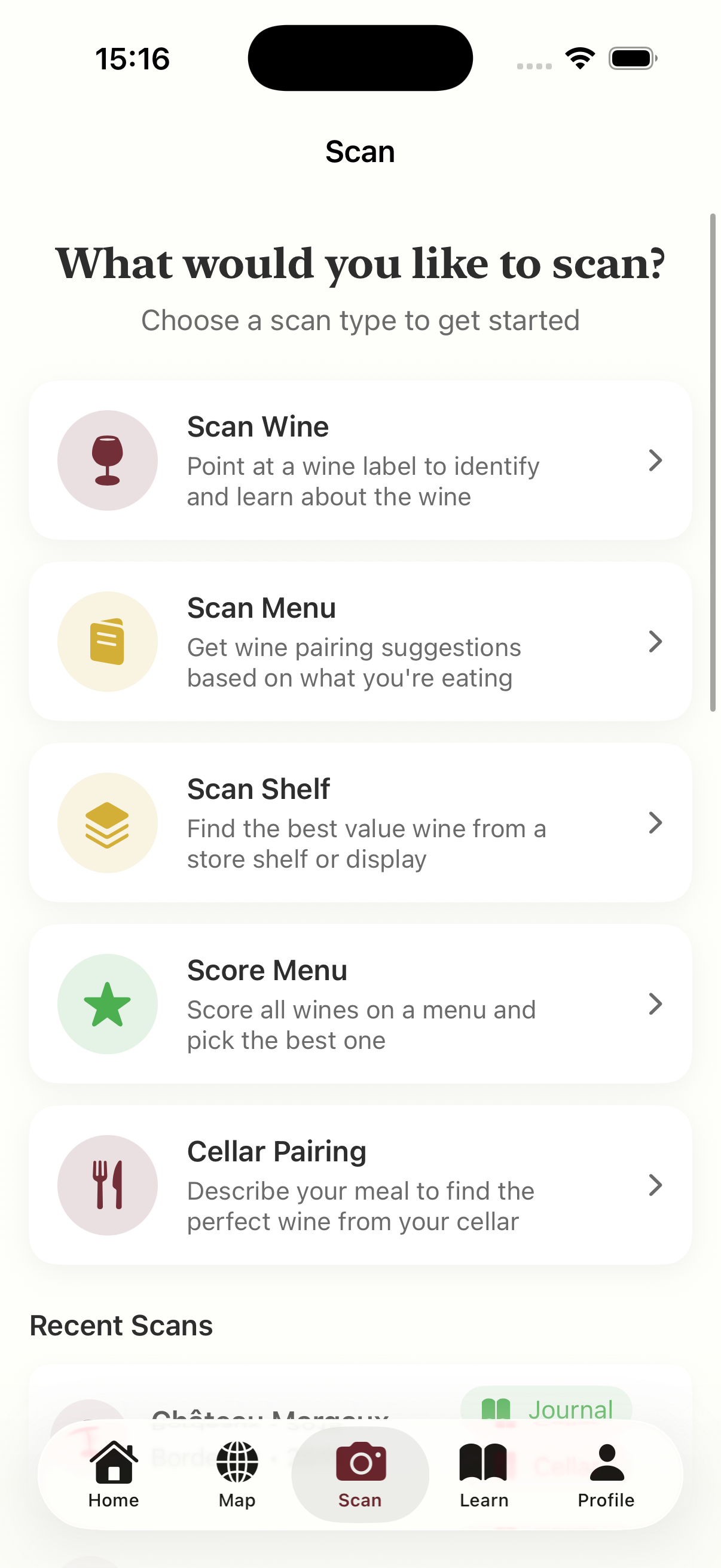
Scan before you buy: When you spot an unfamiliar label at a great price, scan it with Sommo. The AI explains what’s in the bottle so you can make an informed decision instead of gambling.
Trust your own palate: Wine critics rarely review sub-$10 wines. That’s fine, you don’t need a score to know if you enjoy something. Your palate is the only critic that matters at your dinner table.
The best wine is the one you enjoy drinking. And at under $10, you can enjoy a lot of exploring.
Liked this read? Try the app.
Scan any wine label with AI, build your tasting journal, and learn wine your way.