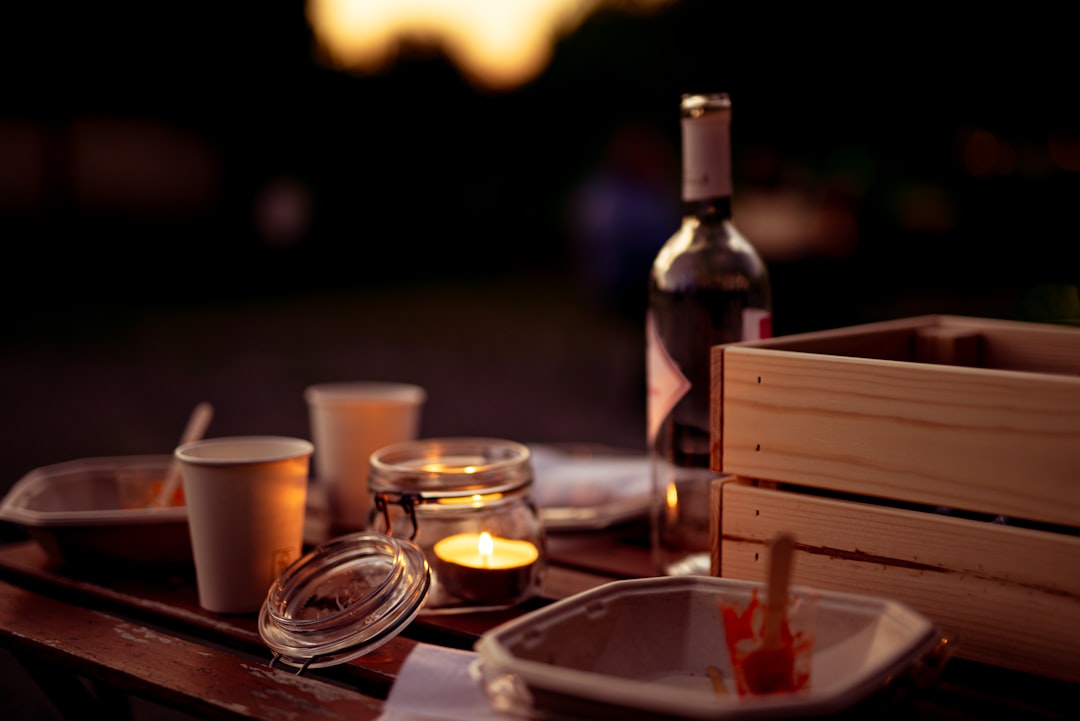
The summer solstice on 21 June 2026 marks the longest day of the year in the Northern Hemisphere. Sixteen hours of daylight in London, fifteen in New York, more than seventeen in Stockholm. The sun rises before five and sets close to ten. The light has a quality that does not exist for the rest of the year: warm, generous, slightly unbelievable. It deserves a bottle that meets it.
This guide is built around the rhythm of a solstice day. Wine for the slow start, wine for the long afternoon, wine for the meal that runs past sunset, and wine for the late hours when the sky still glows. Ten bottles across the major styles, with practical service notes for outdoor drinking and a suggested order for a day that should be paced for hours, not minutes.
Why the Solstice Deserves Its Own Wine
Most wine writing treats summer as one undifferentiated season. The solstice is different. The longest day has a specific character: it is genuinely warm but not yet at the brutal heat of late July. The evenings stretch endlessly. Most cultures historically marked the day with feasts, fires, and rituals that ran late. The wine should match that pace.
Three principles shape the picks below.
Lighter than late-summer wines. July and August reward chillable reds, full rosés, and wines that handle heat. The solstice can hold slightly more body, slightly more structure. The evenings are cooler than peak summer.
Built for slow drinking. A solstice day should be paced across hours. Low to moderate alcohol levels make this possible without anyone collapsing at sunset.
Aromatic and floral. The light, the smell of evening gardens, the heat releasing from sun-warmed stone: the day rewards wines that have their own aromatic character to match.
The Morning and Afternoon (Light, Slow, Aromatic)
1. Dry Riesling From Alsace or Wachau
Start the day with a wine that has both freshness and aromatic complexity. Dry Riesling at the Alsatian or Austrian level delivers floral lift, stone fruit, and the kind of mineral precision that drinks easily across a long lunch.
What to drink: Trimbach Riesling Cuvée Frédéric Émile (Alsace) or Hirtzberger Smaragd from Wachau if you want to splurge. Trimbach Réserve at the entry level, or Domaine Schoffit, for everyday solstice drinking.
Why it works: Bone-dry, high acidity, low to moderate alcohol (12 to 13 percent), and aromatic enough to be interesting without being heavy. Drinks beautifully across two or three hours.
2. Albariño From Rías Baixas
The Spanish white that is built for warm coastal days. Bright, slightly saline, with peach and citrus character and a refreshing finish. Pair with anything from olives to grilled fish, or simply drink it on its own with a bowl of marcona almonds.
What to drink: Pazo de Señorans, Forjas del Salnés Cos Pés, or Zárate at the more serious end. Mar de Frades or Martín Códax for everyday.
Why it works: Low alcohol (12 to 12.5 percent), excellent acidity, and an inherent salinity that pairs with summer food. Solstice-perfect.
3. Chablis Premier Cru
If you want a slightly more serious midday wine, a Premier Cru Chablis brings mineral precision, structured fruit, and the kind of depth that drinks well alongside a serious lunch. Unoaked or lightly oaked styles only: heavy oak does not suit summer drinking.
What to drink: William Fèvre, Vincent Dauvissat, or Raveneau if you can find or afford them. Domaine Long-Depaquit, La Chablisienne for accessible quality.
Why it works: All the structural precision of Burgundy whites, none of the heaviness of warmer-climate Chardonnay. The wine has enough complexity to engage seriously without weighing down the afternoon.
The Evening Meal (Generous, Food-Friendly, Joyful)
4. Provence Rosé From a Real Producer
The solstice dinner is the moment for a serious rosé. Skip the celebrity-marketed pale pink wines and look for actual producers with vineyard heritage. The wine should be dry, mineral, and built to drink across an entire meal.
What to drink: Domaine Tempier Bandol Rosé (if you can find it), Château Sainte Marguerite, Château Minuty Prestige. Tavel Rosé from Domaine de la Mordorée or Château d’Aquéria for something with more body.
Why it works: Versatile across a multi-course meal, drinks well chilled, and has the right summer aesthetic for outdoor table service.
5. Cru Beaujolais Served Slightly Chilled
A medium-bodied red is essential for the meal, and Cru Beaujolais is the textbook answer. Light enough to chill, structured enough to drink with grilled lamb or roast chicken, refreshing enough to last for hours at a long table.
What to drink: Morgon Côte du Py from Jean Foillard, Fleurie from Yvon Métras, or Brouilly from Château Thivin. Serve at around 13 to 14 degrees.
Why it works: Gamay on granite is one of the most food-friendly wines in the world, and the slightly chilled service style is built for late-evening summer drinking. See our Beaujolais guide for the full case, and the chilled red wines guide for more options.
6. Etna Rosso
If you want a red with slightly more weight and complexity, an Etna Rosso from the slopes of Mount Etna in Sicily is one of the most exciting picks. Bright cherry, volcanic minerality, and just enough structure to handle serious food without being heavy.
What to drink: Pietradolce Archineri, Tenuta delle Terre Nere, or Passopisciaro. Frank Cornelissen for the natural-wine adjacent.
Why it works: A red that drinks more like Pinot Noir than like Sicilian wine. Cool, mineral, beautifully aromatic. Pairs with grilled lamb, roasted vegetables, fresh pasta.
The Late Hours (Refreshing, Festive, Slow)
7. Aged Grower Champagne
The solstice evening calls for sparkling wine, and a serious grower Champagne with five to ten years of bottle age is the most rewarding category. The toasty, brioche-rich complexity of aged Champagne plays beautifully against the cool evening air.
What to drink: Pierre Péters Cuvée de Réserve, Egly-Ouriet Brut Tradition, Larmandier-Bernier Latitude. For prestige cuvées, Krug or Bollinger La Grande Année.
Why it works: Both celebratory and serious. The acidity stays bright, the toasted notes provide warmth, the bubbles refresh the palate after a long meal.
8. Demi-Sec Vouvray From Loire
For something slightly off-dry that handles the late evening beautifully, an off-dry Chenin Blanc from Vouvray is one of the most underrated summer wines. The honeyed fruit and bright acidity drink beautifully alongside cheese plates or fruit-based desserts.
What to drink: Domaine Huet Le Mont Demi-Sec, Vincent Carême Vouvray Sec. Both producers handle every style in Vouvray with precision.
Why it works: A wine that bridges dinner and dessert. The off-dry sweetness pairs with summer fruit (peaches, apricots, berries) without being cloying. Excellent at slightly cooler service temperatures.
9. Vermentino From Gallura, Sardinia
For an after-dinner white that still pairs with cheese, a serious Vermentino from Sardinia delivers salinity, herbs, and a sun-baked Mediterranean character. The grape is built for warm-climate drinking and the Sardinian expression is among the best in Europe.
What to drink: Capichera Vermentino di Gallura Vendemmia Tardiva, Argiolas Costamolino, or Sella & Mosca.
Why it works: A different aromatic register from Riesling or Albariño. Saline, slightly bitter on the finish, with the kind of austerity that pulls the day to a slow close.
The Festive Surprise
10. Sparkling Riesling From Mosel or Alsace
The wild-card pick. Sparkling Riesling is rare even within Germany and Alsace, but it is one of the most distinctive sparkling wines in the world. High acidity, low to moderate alcohol, with the floral and stone-fruit character of Riesling combined with the festive lift of bubbles.
What to drink: Schloss Vollrads Riesling Sekt, Reichsgraf von Kesselstatt, or Domaine Albert Mann Cremant d’Alsace.
Why it works: A surprise for guests who do not know the category exists. Pairs with appetisers, with cheese, with fruit. The acidity carries across hours.
Service Tips for a Solstice Outdoor Day
The longest day rewards careful pacing. A few practical notes.
Pre-chill everything. All ten wines above need proper chilling. Get the whites and rosés into the fridge the night before. For the reds, refrigerate for 30 to 45 minutes before service.
Use proper glassware. A universal red wine glass works for everything. Avoid plastic at all costs: it strips aromatics and cheapens the experience. If you are outdoors, polycarbonate stemless wine glasses are an acceptable compromise. Riedel makes a serviceable shatterproof line.
Stagger the openings. Open one wine per hour, not three at once. The pacing matters. Solstice drinking is endurance, not consumption.
Have a serious water plan. Sparkling water, still water, both with ice. The combination of long sun exposure and continuous drinking demands hydration support. Sparkling water also refreshes the palate between wines.
Keep one bottle for sunset. Solstice sunset is a moment worth marking. Save your best Champagne or the most special bottle for the actual sunset.
A Sample Solstice Day Order
For a Saturday solstice with friends, six to eight people across a 14-hour outdoor day:
- Late morning (11am to 1pm): Albariño with charcuterie and olives on the terrace.
- Lunch (1pm to 3pm): Dry Riesling with grilled fish or seafood, salads, light starters.
- Afternoon (3pm to 6pm): Premier Cru Chablis or Provence rosé while reading, swimming, lingering.
- Aperitivo (6pm to 7:30pm): Grower Champagne with cheese plates as the heat softens.
- Dinner (7:30pm to 10pm): Cru Beaujolais or Etna Rosso with grilled lamb or duck, slow vegetables.
- Sunset to late (10pm to midnight): Vouvray Demi-Sec with fruit and cheese, or sparkling Riesling as a digestif.
The whole day at this pace requires roughly one bottle per person across the 12 hours. Plan accordingly.
Pairings for the Solstice Meal
If you are cooking the dinner itself, the ideal solstice menu is unhurried, seasonal, and built for grilling or wood-fire cooking. Suggested matches:
- Grilled lamb shoulder with rosemary: Cru Beaujolais, Etna Rosso, or a serious Provence rosé.
- Whole grilled fish: Albariño, Premier Cru Chablis, or aged Riesling.
- Heirloom tomato salad with burrata: Provence rosé, Vermentino, or dry Riesling.
- Roasted vegetables with herbs: Cru Beaujolais (chilled), Vermentino, or rosé.
- Stone fruit tarts: Demi-Sec Vouvray, sparkling Riesling, or grower Champagne.
For more pairing ideas, see how to pair wine with food and our picnic wine guide.
What to Avoid
Three categories that disappoint on the solstice.
Heavy oaked Chardonnay. Too rich for warm weather and long days. Save for autumn dinners.
Big tannic reds. Cabernet, Napa, young Bordeaux, Australian Shiraz. The combination of high tannin and warm temperatures is brutal.
High-alcohol reds. Anything over 14.5 percent will feel hot on a sun-warmed terrace. Lower-alcohol wines pace better.
Explore with Sommo
The solstice is a date that recurs every year, and the wines you remember from one solstice become candidates for the next. Sommo lets you log every bottle from the day, save notes about how each pairing performed, and find similar wines for future solstices. The Wine Character Analysis will also show how your summer preferences differ from your winter preferences, which often surprises drinkers who think their palate is more constant than it is.
Download Sommo free and mark the longest day with a record that lasts the year.