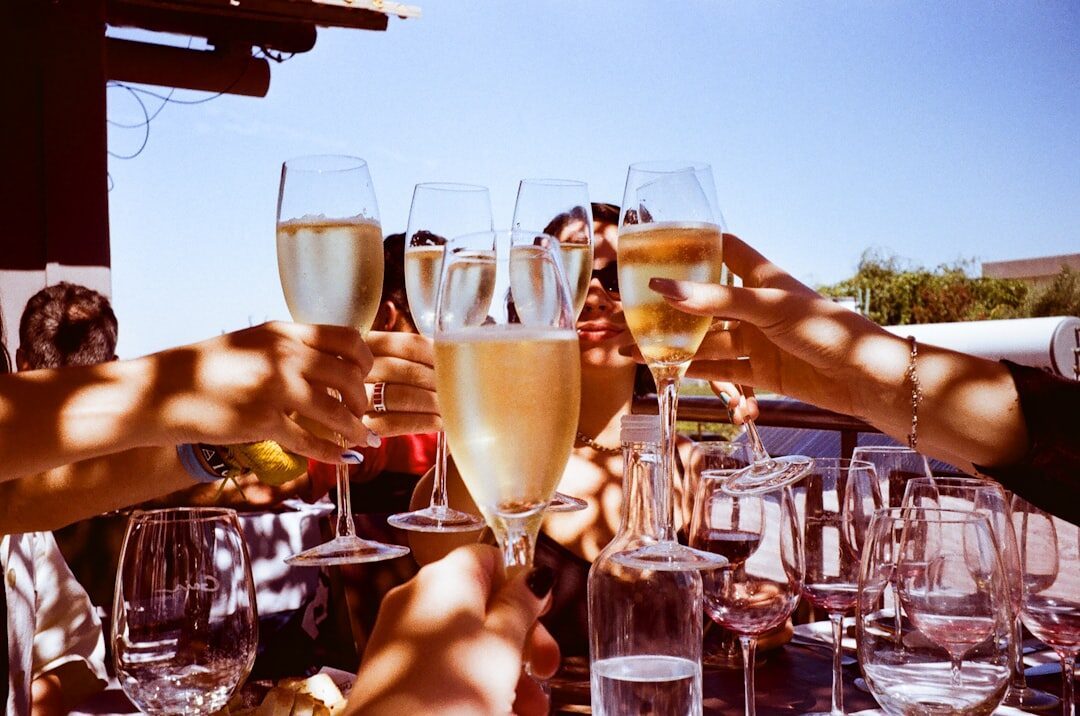
Graduation parties are wine’s hardest assignment. The crowd is mixed: parents, grandparents, aunts and uncles who only drink one specific thing, the graduate’s friends who range from “I love wine” to “I have never bought a bottle in my life,” and a few cousins who are technically old enough but very obviously do not drink. The food is mixed too: a buffet table where someone’s mother brought a pasta salad, someone’s father is grilling, and there are three different desserts. The wine has to work across all of this without becoming a project.
This guide is built for the parent, the graduate, or the friend who has been put in charge of party wine. We will cover quantity math for a typical 20 to 50 guest event, the styles that genuinely please a multigenerational crowd, ten specific bottles under $25 that consistently deliver, and a few tips that make the wine table look thoughtful without requiring a sommelier.
Quantity Math for a Graduation Party
Graduation parties skew shorter than weddings and lighter on drinking. A typical event runs three to four hours and includes a meal. Plan on the following per-guest formulas.
Wine-only or wine-led bar: 0.5 to 0.7 bottles per drinking guest, plus 20 percent buffer.
Mixed bar with beer and a few cocktails: 0.3 to 0.5 bottles per drinking guest, plus 20 percent buffer.
For a 30-guest party with mixed bar (say 20 drinking guests):
- Roughly 8 to 12 bottles total
- Split: 4 sparkling, 3 white, 3 red, 1 rosé (or 4 sparkling, 4 white, 3 red, 1 rosé to be safe)
For a 50-guest party with mixed bar (say 35 drinking guests):
- Roughly 15 to 20 bottles total
- Split: 6 sparkling, 6 white, 5 red, 3 rosé
Buy by the case when possible. Most wine shops will give 5 to 15 percent off on 12 or more bottles. Many also accept returns of unopened bottles, which is the best insurance against overbuying.
What a Mixed Crowd Actually Drinks
Three rules cut through the complexity of mixed-age, mixed-experience parties.
Sparkling sells the celebration. Even guests who do not normally drink wine will accept a small flute for the toast. Plan more sparkling than you think you need. It also moves fastest in the first hour, before the food fills people up.
Whites and rosés outperform reds in summer. A graduation party in late May or June usually means warm weather. Lighter, chilled wines drink more easily than reds at warm temperatures.
Stick to approachable, food-friendly styles. This is not the time for natural orange wine, heavily oaked Chardonnay, or rustic Italian Aglianico. Stay in the middle of the road. Crowd-pleasers exist for a reason.
For a wider take on the principles of crowd-pleasing wine, see our best wines for a dinner party guide and the house party wine principles in the BBQ guide.
The 10 Picks
Sparkling (Cocktail Hour and Toast)
1. Prosecco DOCG from Conegliano-Valdobbiadene
The DOCG designation (the highest-quality Prosecco classification) is the easy filter for finding genuinely good Prosecco. Look for producers like Bisol, Nino Franco, or Adami. Expect to pay $16 to $22.
Why it works: Easy-drinking, lower alcohol than Champagne, universally familiar, and a step up from supermarket Prosecco without being intimidating.
2. Cava Reserva from Spain
Spanish sparkling at its best. Made in the traditional method (same as Champagne), aged in bottle, and at half the price. Look for Llopart Brut Reserva, Recaredo, or Raventós i Blanc.
Why it works: More body than Prosecco, real complexity, and the producers above are genuinely serious. Expect to pay $14 to $22.
Whites (Main Pour)
3. Albariño from Rías Baixas
Crisp, slightly saline, refreshingly low alcohol (12 to 12.5 percent), and almost universally liked once people taste it. Look for Pazo de Señorans, Martín Códax, or Mar de Frades.
Why it works: Light enough for grandma, interesting enough for the wine-curious friend, food-friendly with everything from cheese to seafood. $14 to $20.
4. Sauvignon Blanc from Marlborough, New Zealand
The most recognisable style of Sauvignon Blanc in the world. Bright, zesty, almost tropical. Look for Cloudy Bay (the famous one, around $30 retail but often $25 on sale), Greywacke, or Saint Clair.
Why it works: Recognised by name, easy to pair with party food, and almost universally liked. $14 to $22.
5. Picpoul de Pinet from France
The underrated alternative to Pinot Grigio. From the southern French coast, made for seafood and warm weather, dry and brisk and built to drink in quantity. Look for Domaine Felines Jourdan or Hugues Beaulieu.
Why it works: A genuine value, easy to find, and pairs effortlessly with most party food. $12 to $16.
Reds (For the Red Drinkers)
6. Beaujolais Cru (Fleurie or Brouilly)
If you have read our Beaujolais wine guide, you know the case. Light to medium-bodied, low tannin, food-friendly, and excellent slightly chilled. Look for producers like Château Thivin (Brouilly), Domaine de la Madone (Fleurie), or Yvon Métras.
Why it works: The red that the most palates can handle on a warm day. Pour slightly chilled. $16 to $22.
7. Pinot Noir from Oregon or Burgundy
Approachable, food-friendly, the favourite “I do not drink red but I will drink this” red. Look for entry-level Willamette Valley bottlings (Erath, A to Z Wineworks, Domaine Drouhin’s Cloudline) or basic Bourgogne Pinot Noir from a serious producer.
Why it works: Universally respected, never too heavy, and ages a few years if leftover. $18 to $25.
8. Côtes du Rhône Villages
The reliable medium-bodied red that handles burgers, grilled chicken, and pasta. Look for producers like Domaine de la Janasse, Domaine Santa Duc, or Château de Saint Cosme’s village bottling.
Why it works: Generous, food-friendly, hits the centre of the red wine palate. $14 to $20.
Rosé (For Warm Weather)
9. Côtes de Provence from a Real Producer
Pale, dry, Provence-style. Look for Domaines Ott, Château Sainte Marguerite, or Château Minuty. Avoid the heavily marketed celebrity rosés (they are usually inferior versions of the same regional style).
Why it works: Looks beautiful on the table, drinks easily across hours, and pairs with everything on a buffet. $18 to $25.
Wild Card
10. Vinho Verde from Portugal
The wild card pick. Slightly fizzy, low alcohol (around 10 to 11 percent), and astonishingly cheap. Look for Quinta da Aveleda, Soalheiro, or Anselmo Mendes’ single-grape bottlings.
Why it works: A surprise for guests who have never tried it, a genuine value, and a wine you can pour in quantity without anyone getting too drunk. $8 to $14.
Setting Up the Wine Table
Three small details that make a party wine table look thoughtful.
Ice the sparkling and the white in advance. A big tub of ice with bottles half-buried looks generous and keeps everything at the right temperature. Add bottles as guests open them so nothing sits in warm bowls.
Label by style, not by bottle. A small handwritten card next to each style (“Crisp white,” “Bold red,” “Light red, chilled,” “Rosé”) helps guests pick without picking up every bottle to read the label. It also subtly signals you put thought into the selection.
Pre-open one or two bottles of each style. Many guests are hesitant to be the first to open a bottle. Having one of each style already poured into a few glasses at the start signals it is fine to drink.
Food Pairings for the Typical Buffet
Graduation parties are buffet-driven. Most buffets include some combination of grilled meats, pasta or salad, cheese and crackers, and dessert. Quick pairings that work.
- Grilled chicken and burgers: Beaujolais Cru, Côtes du Rhône Villages, basic Pinot Noir.
- Salads, vegetable dishes, light pasta: Albariño, Picpoul de Pinet, Sauvignon Blanc, rosé.
- Cheese and charcuterie: Beaujolais, Cava, Vinho Verde, Provence rosé.
- Desserts (cake, fruit tarts): Half a glass of slightly chilled Prosecco or Cava. Avoid heavy reds at this point.
For more pairing ideas, see how to pair wine with food and our wine pairing guides.
The Gift Bottle for the Graduate
If you want a separate gift bottle for the graduate themselves (not for the party table), three thoughtful options.
For a graduate starting a job: A wine from their birth year, if you can find one. Vintage Port (1998, 2000, 2003, 2007 are all good candidates depending on age) is the most reliable category for finding age-worthy birth-year wine.
For a graduate moving abroad: A bottle from the country or region they are moving to. A wine they can open with their first dinner in the new place becomes a small ritual.
For a graduate continuing to study: A bottle to cellar for their next graduation. A Brunello, top Burgundy, or top Bordeaux from a recent strong vintage will be ready for the next milestone.
See our wider wine gift guide for more.
What to Skip
A few categories that look tempting and disappoint in practice.
Boxed wine: It has improved, but the perception still drags. For a party celebrating a major milestone, the visual matters.
Celebrity-branded wine: The wine is almost always inferior to a real producer at the same price. Save it for casual home drinking.
Mass-market sparkling under $10: It will get drunk, but the morning-after headaches will be memorable. Spend the extra few dollars per bottle on real Cava or DOCG Prosecco.
Highly tannic reds: Big Cabernet, young Barolo, Australian Shiraz at the bigger end. They overwhelm casual drinkers and clash with most buffet food.
Leftover Wine Strategy
Buying with a return policy is the easiest. Many shops accept returns of unopened bottles within a week. Confirm this before you buy.
For opened bottles:
- Sparkling: Reseal with a Champagne stopper, refrigerate, drink within 24 hours.
- Whites and rosés: Re-cork or use a vacuum stopper, refrigerate, drink within 48 hours.
- Reds: Re-cork or use a vacuum stopper, store cool, drink within 48 hours.
For unopened bottles, you have weeks or months to find a use. Brunches, anniversary dinners, or hostess gifts at upcoming summer events all work.
Explore with Sommo
The wine you serve at a milestone party often becomes part of how the day is remembered. Sommo lets you scan each bottle, save which ones worked well with the crowd, and build a record that helps you plan the next event. The cellar feature also keeps track of any bottles you set aside as gifts, so you do not forget the bottle of Port in the closet five years from now when the same graduate finishes another degree.
Download Sommo free and build a wine memory across every milestone.