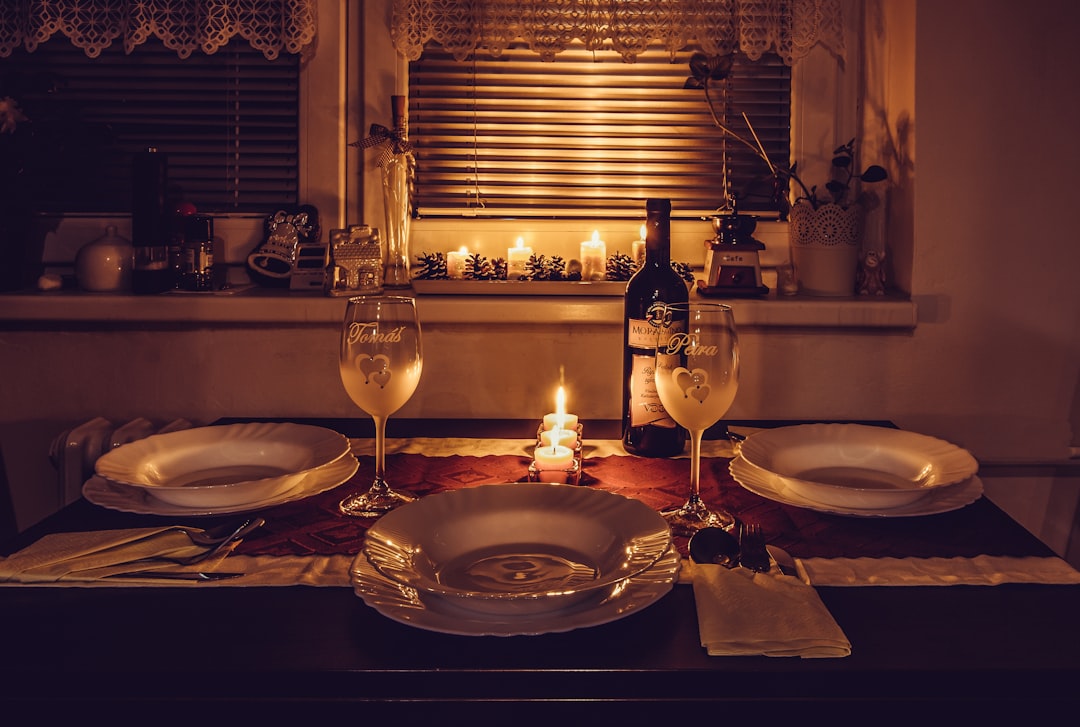
Date night wine is more strategic than it looks. A first date calls for a wine that does not demand attention. An anniversary calls for one that becomes the centrepiece. A Tuesday-night dinner at home with a long-term partner calls for something familiar and easy. Get the wine right and the evening compounds. Get it wrong and the conversation revolves around how strange the bottle tastes.
This guide breaks date night down by stage and intent. Ten bottles across price tiers and styles, with notes on which moment each wine fits, what food it handles, and what kind of conversation it implies. Whether you are planning a first date, a long-term partner’s birthday, or the night that probably involves a ring, there is a bottle on this list calibrated for the moment.
The Date Night Wine Framework
Three questions to answer before you pick.
What stage is the relationship in? First date, early dating, established couple, milestone occasion. Each calls for a different level of risk and statement.
Cooking at home or going out? At-home dinners reward versatile wines that handle whatever you cook. Restaurants benefit from a more deliberate pick that complements the menu.
What is the partner’s wine comfort level? A wine novice will not appreciate a serious Burgundy; a wine enthusiast will be quietly disappointed by a generic supermarket bottle. Match the wine to the person. If you are unsure of your own baseline, the free wine quiz is a two-minute way to find out.
For the broader take on romantic wine experiences, see our top 10 wine regions for a romantic getaway.
The 10 Picks by Stage
First Date (Low-Stakes, Crowd-Pleasing)
1. Cava Reserva ($14 to $20)
Sparkling wine is the universal first-date answer. It signals occasion without overcommitting. Cava Reserva (the Spanish traditional-method sparkling, aged for at least 18 months) delivers real complexity at Prosecco prices.
Why it works: Festive without being precious. Easy to order at almost any restaurant. Pairs with everything from oysters to fried chicken.
Producers: Llopart, Recaredo, Raventós i Blanc.
2. Albariño from Rías Baixas ($14 to $20)
The slightly saline, peach-and-citrus white from northwest Spain. Universally liked once people taste it, with enough character to start a conversation.
Why it works: Light alcohol (12 percent), excellent acidity, easy to drink across two hours. Sophisticated without being intimidating.
Producers: Pazo de Señorans, Martín Códax, Mar de Frades.
Early Dating (Two to Six Months In, Some Signal Required)
3. Cru Beaujolais (Brouilly or Fleurie) ($16 to $22)
The smarter version of the “I drink red wine but not big red wine” pour. Light to medium body, low tannin, food-friendly, can be served slightly chilled in warm weather.
Why it works: Shows you know wine without lecturing. Pairs with almost any restaurant food. The conversation around “this is Gamay, not Cabernet, and that matters” is interesting without being long. See the Beaujolais wine guide.
Producers: Jean Foillard, Yvon Métras, Château Thivin.
4. Sancerre or Pouilly-Fumé ($22 to $30)
If your date is sophisticated about white wine, real Loire Sauvignon Blanc lands differently than the Marlborough version. Mineral, restrained, classic.
Why it works: Restaurant-recognisable, refined, pairs with goat cheese (the iconic match), oysters, sole, light pasta. See Sauvignon Blanc Decoded for context.
Producers: Henri Bourgeois, Pascal Jolivet, Domaine Vacheron.
Established Couple (Tuesday Night to Casual Birthday)
5. Provence Rosé from a Real Producer ($16 to $25)
The home-dinner workhorse. Light enough for a casual evening, beautiful on the table, food-flexible across whatever you cook.
Why it works: No commitment to a specific cuisine. Drinks across hours. Looks great in the glass.
Producers: Château Sainte Marguerite, Château Minuty, Domaines Ott.
6. Côtes du Rhône Villages or Chianti Classico ($14 to $22)
The reliable, casual red. Generous, food-friendly, never a wrong move. Better than a $40 Napa Cab at this level.
Why it works: Pairs with home-cooked Italian, French, or American food. Drinks well over a long evening.
Producers (Rhône): Domaine Santa Duc, Château de Saint Cosme. (Chianti): Felsina, Fontodi, Isole e Olena.
Milestone Occasion (Birthday, Anniversary, the Night That Matters)
7. Vintage Champagne or Grower Champagne ($60 to $120)
The moment when sparkling wine should be real Champagne. Grower Champagne (small-production estates rather than the big houses) delivers more personality at the same price as basic Veuve Clicquot.
Why it works: Genuine occasion-wine without the corporate-luxury feel. The story behind a grower Champagne is itself a conversation.
Producers: Pierre Péters, Larmandier-Bernier, Egly-Ouriet, Marie-Courtin.
8. Village-Level Burgundy ($35 to $80)
For the wine-serious partner, a serious village-level Burgundy (red or white) lands as a deliberate choice rather than a default. Marsannay or Mercurey on the red side; Mâcon-Villages or Saint-Véran at the lower end of white.
Why it works: Demonstrates intent and care. Pairs beautifully with restaurant food and reads as adult.
Producers: Bruno Clair (Marsannay), Faiveley (Mercurey), Joseph Drouhin.
Anniversary or Birthday Night (Real Spend, Long-Term Memory)
9. Top Bordeaux or Brunello di Montalcino ($80 to $200)
A serious bottle from a famous region. The kind of wine that pairs with a multi-course restaurant meal and becomes part of the memory of the night.
Why it works: Recognisable prestige without being ostentatious. Ages well if the bottle is from a recent vintage and the dinner is the start of a longer cellar story.
Producers (Bordeaux): Château Léoville Barton, Château Lynch-Bages, Château Pichon-Longueville Comtesse de Lalande. (Brunello): Biondi-Santi, Casanova di Neri, Il Poggione.
The Night That Probably Involves a Ring
10. Vintage Champagne From a Prestige House ($150 to $400)
For the proposal or the matching milestone. Krug, Bollinger La Grande Année, Dom Pérignon, or Pol Roger Sir Winston Churchill.
Why it works: Some wines deserve gravity. A vintage prestige cuvée from a serious house carries the weight of the moment without saying anything explicit.
Pairing With the Meal
Match the wine to the food, not the other way around. A few reliable combinations.
Romantic at-home cooking:
- Pasta with red sauce → Chianti Classico or Côtes du Rhône Villages
- Roast chicken → Cru Beaujolais, Pinot Noir, or village white Burgundy
- Seared salmon → Pinot Noir or rich white Burgundy
- Cheese plate → Cava or sparkling at the start; Provence rosé or Cru Beaujolais during
Restaurant dinner:
- Steakhouse → Top Bordeaux or Brunello di Montalcino
- French bistro → Burgundy (red or white depending on the meal)
- Italian fine dining → Brunello, Barolo, or premium Chianti Classico
- Japanese omakase → Grower Champagne or Riesling Spätlese
Brunch or daytime date:
- Provence rosé or Cava
For broader pairing guidance, see how to pair wine with food.
Restaurant Strategy
Three habits that improve restaurant wine choice on a date.
Read the wine list before the menu. A two-minute glance lets you pick a wine direction and shape your order around it, rather than panicking after the food arrives.
Talk to the sommelier or knowledgeable server. Brief them with a budget and one preference (“under $80, we want something interesting with the lamb”). A good sommelier will surface options you would not have found on your own.
Avoid the second-cheapest wine on the list. Restaurants often mark this bottle up most aggressively because they know it is the default safe pick. Either go cheaper (the house wine or the actual cheapest) or one tier up.
At-Home Date Night: The Setup
A few practical tips that elevate a home dinner.
Pre-chill the wine. Whites and rosés need 60 to 90 minutes in the fridge. Reds benefit from 20 to 30 minutes in the fridge before serving (most “room temperature” rooms are too warm for red wine). The free wine serving temperature guide has exact ranges for every style.
Use real glassware. A universal red wine glass works for everything. Avoid stemless glasses for date night; the stem is part of the ritual.
Decant if appropriate. A serious red from a young vintage often benefits from 30 minutes of air before drinking. Use a decanter, or simply pour into a wide-bowled glass and let it sit.
Have a backup. Open the primary wine. Have a second bottle of something easy (Cava, Provence rosé) on standby in case the first does not work for some reason.
What to Avoid
Three categories that consistently disappoint on date night.
Wines that need a project. Funky natural wines, intensely tannic young Barolo, super-aromatic Gewurztraminer. Save the educational wines for nights when you are both committed to learning, not the first date.
Mass-market labels with celebrity names. Almost always inferior to the equivalent-priced real producer. The brand pays for the marketing, not the wine.
Anything you have not tasted before for the highest-stakes nights. The proposal night is not the night to discover that your partner does not like the wine you picked. Open the bottle once before the moment.
Explore with Sommo
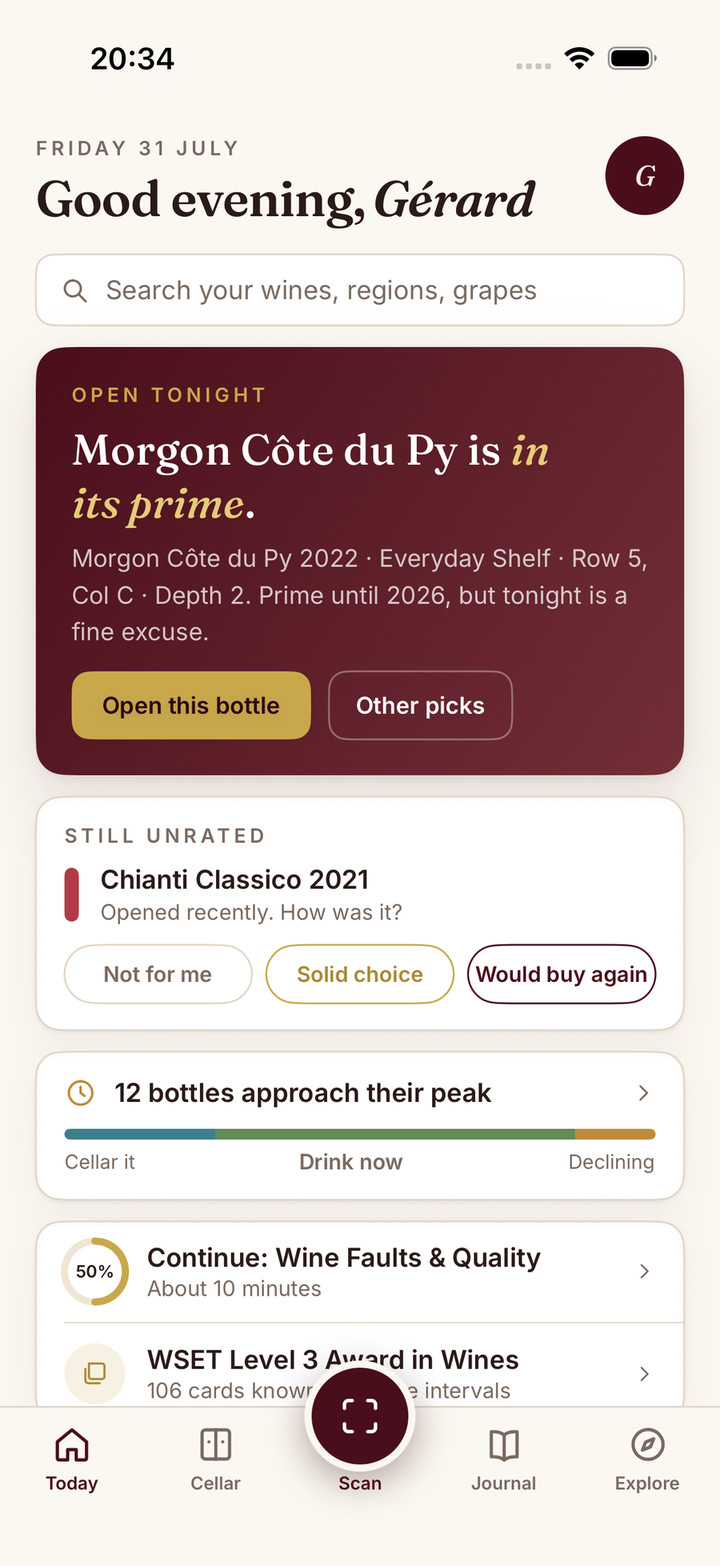
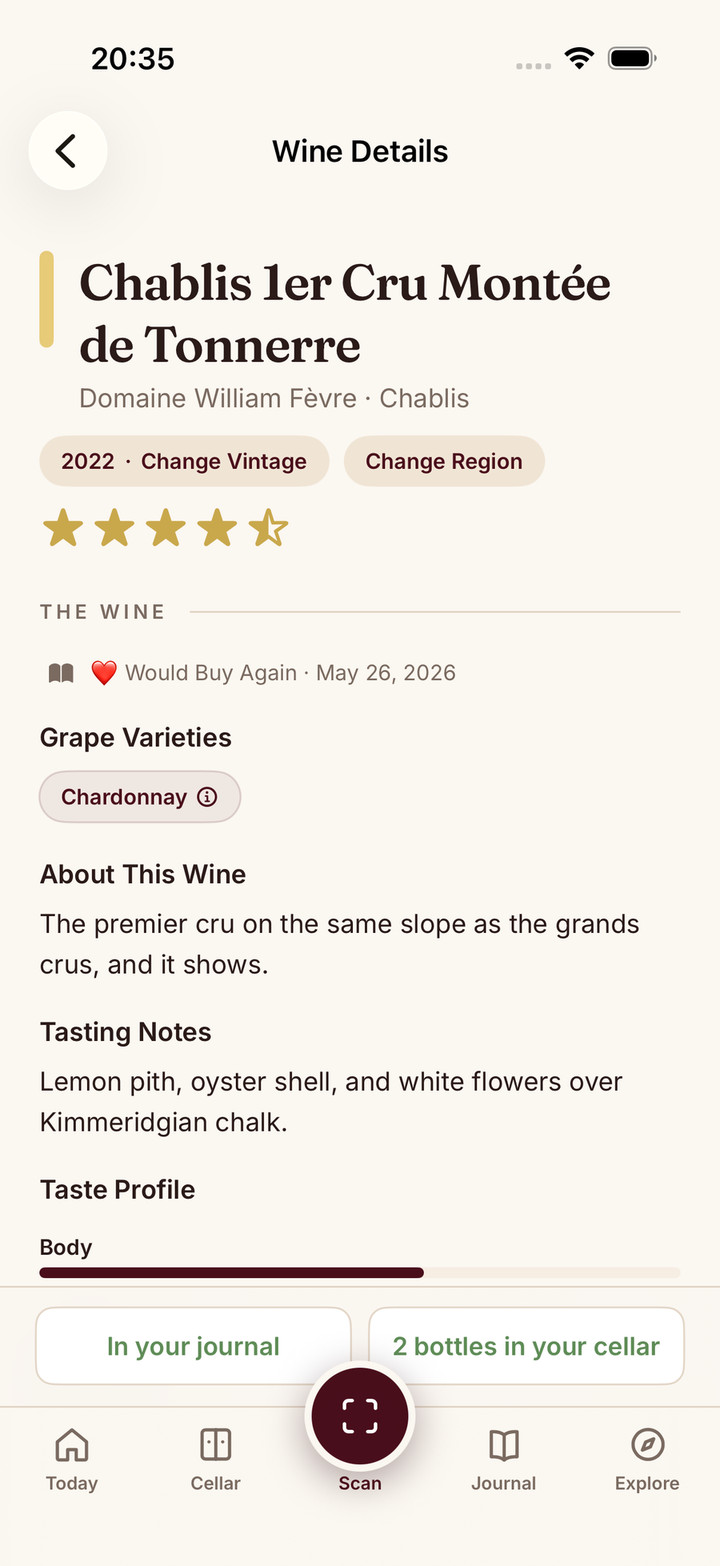
The wines you drink on important nights together become part of the memory of those nights. Sommo lets you log each bottle with a date, location, and note about the moment. Years later, when you want to recreate the wine from a specific dinner, the record is there. The journal builds across anniversaries, birthdays, and milestones into a private map of your relationship’s wine moments.
Download Sommo free and start a record that compounds across every important night.