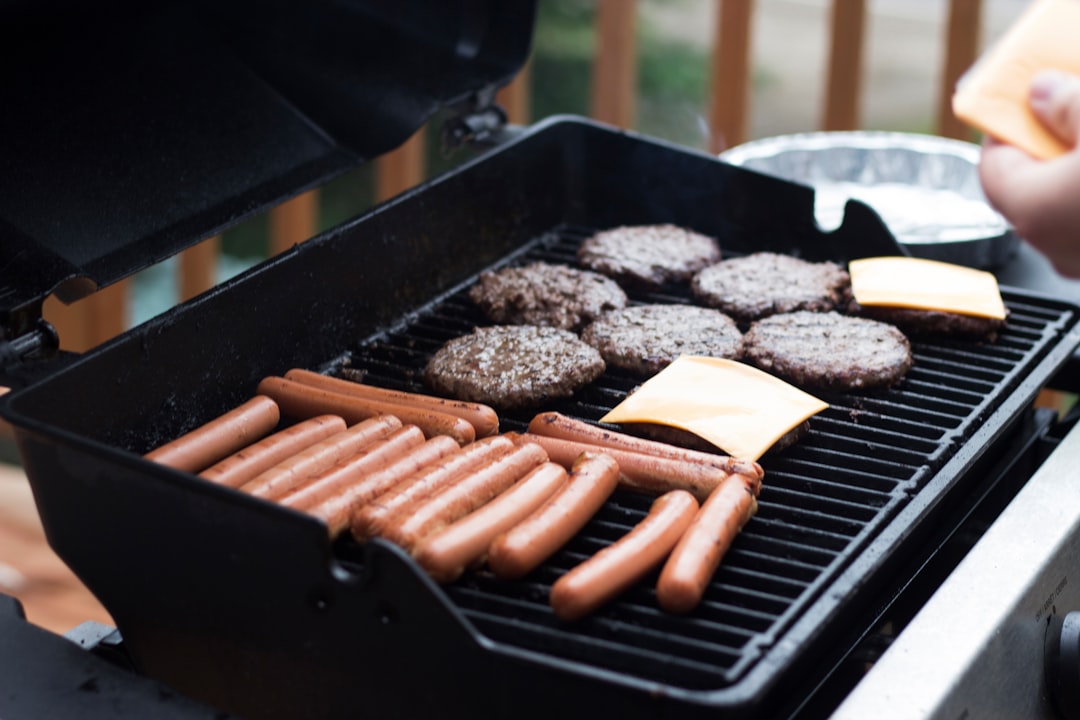
The 4th of July is the wine industry’s most consistent test case. A backyard, a grill, a hot day, a crowd that includes serious wine drinkers and casual beer drinkers and people who barely drink. The food is going to be smoky, fatty, often spicy, and varied. The wines that work in this environment are not the wines that win restaurant lists. They are summer-friendly, food-flexible, and unintimidating, with enough character that the wine drinkers feel satisfied and enough approachability that everyone else does too.
This guide is built for the host who wants their 4th of July wine choice to actually land. We cover ten specific picks across red, white, rosé, and sparkling, all under $30, all tested across multiple summer parties for how they handle American-style grilling and a multigenerational crowd. The schedule and quantity math follow at the end.
Why 4th of July Wine Is Different
Three factors shape the right answers.
Temperature. Most 4th of July gatherings happen in genuine heat. Wines that work well in air-conditioned restaurants do not always work on a sun-warmed patio. Lower alcohol, brighter acidity, and chillable styles outperform big-shouldered reds.
Food intensity. American grilling means smoky char, often a sweet glaze (BBQ sauce, bourbon-spiked rubs), and rich proteins. The wines need acidity to cut the fat and enough fruit to handle sweet sauces without clashing.
Mixed crowd. Some guests will want wine to feel celebratory. Others will want it to be invisible. The right wine has to register without being a project.
The 10 Picks
Sparkling (Open First, Open More)
1. American Sparkling Wine: Schramsberg Blanc de Blancs
The 4th of July begs for an American sparkling wine, and the best in the country is California’s Schramsberg. Their Blanc de Blancs (100 percent Chardonnay, methode traditionnelle, North Coast California) is a serious sparkling wine that drinks like a quality Champagne for half the price.
Why it works: American provenance, real quality, celebratory bubbles. Pour as guests arrive. Open another bottle midway through the day.
Price: $35 to $45.
2. Cava Reserva from Spain
If you want sparkling at a lower price, Spanish Cava Reserva (made in the traditional method, aged in bottle for at least 18 months) delivers real quality for $14 to $22. Look for Llopart, Raventós i Blanc, or Codorníu Reserva.
Why it works: Pours easily in quantity, real complexity, summer-appropriate.
Whites (The Workhorses)
3. Sauvignon Blanc from Marlborough or California
Crisp Sauvignon Blanc handles American summer food beautifully. The bright acidity cuts through fatty grilled meats, the green herbal notes match fresh tomato and corn dishes, and the wine drinks easily in heat. Look for Marlborough names like Greywacke, Saint Clair, or Dog Point. For California, try Honig or Robert Mondavi To-Kalon.
Why it works: Universally liked, food-friendly, summer-appropriate. See our Sauvignon Blanc deep dive.
Price: $14 to $25.
4. Albariño from Rías Baixas
The slightly salty, peach-and-citrus white from northwest Spain. Albariño handles seafood, grilled corn, salads, and any chicken or pork dish from the grill. One of the best summer whites in any category.
Why it works: Lower alcohol (12 percent), excellent acidity, light body. Drinks well across an entire afternoon without filling anyone up.
Price: $14 to $20.
Rosé (The Centrepiece)
5. Provence Rosé from a Real Producer
A pale dry Provence rosé is one of the most visually appropriate wines for a 4th of July table. The colour is light, the wine drinks across hours, and it pairs effortlessly with almost everything coming off the grill. Look for Château Sainte Marguerite, Château Minuty, Domaines Ott, or Whispering Angel for the famous name.
Why it works: The centrepiece bottle. Open three or four across the day; it disappears fast.
Price: $18 to $30.
6. American Rosé from Oregon or California
The patriotic alternative. Excellent American rosé is now made in Oregon (Cristom, Antica Terra) and in California (Bedrock Wine Co., Liquid Farm, Donelan). These wines often have more body and complexity than Provence but the same fundamental drinkability.
Why it works: Domestic provenance suits the day. Often a touch more body, which handles BBQ sauce better than the lighter Provence wines.
Price: $20 to $35.
Reds (Chilled, Always)
7. Cru Beaujolais (Served Slightly Chilled)
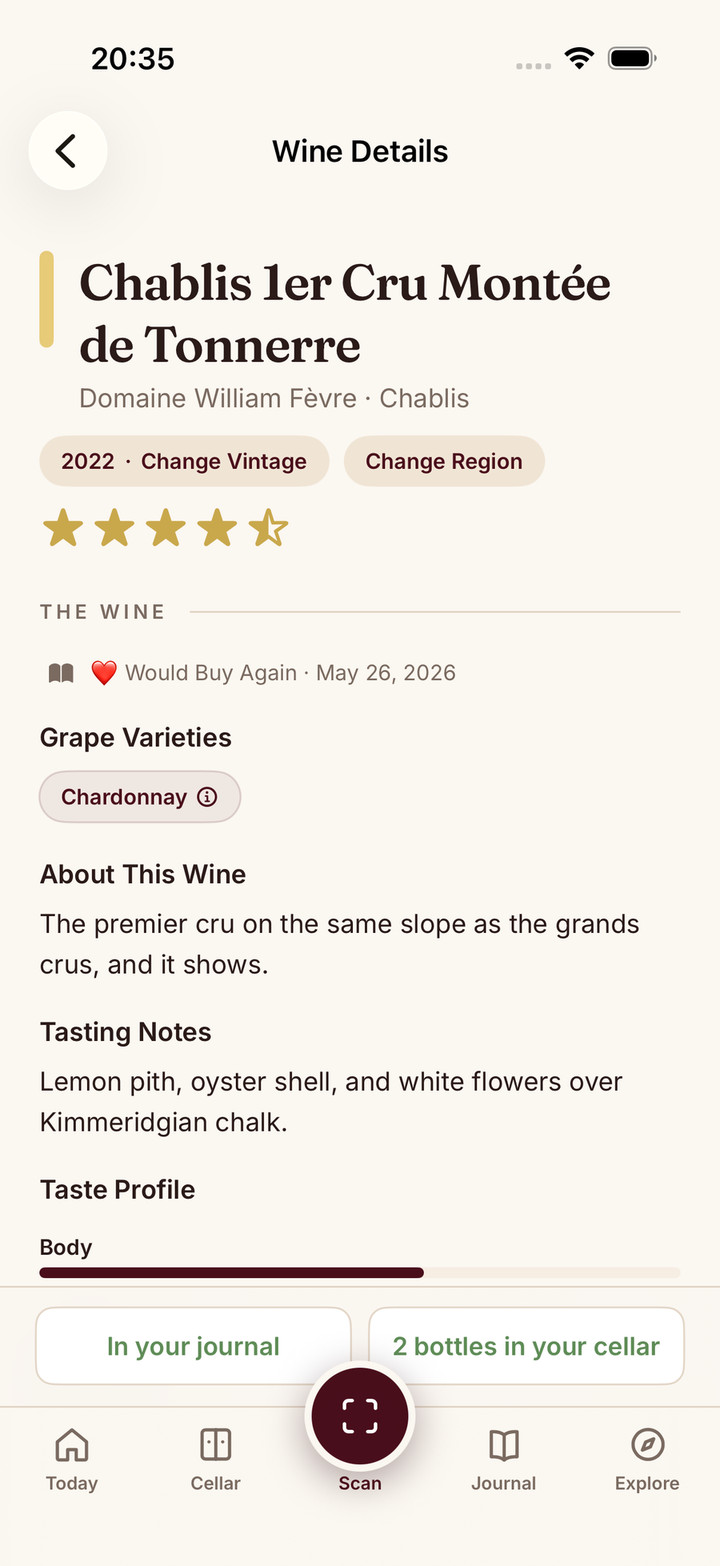
The single best red wine for 4th of July. Cru Beaujolais (Morgon, Fleurie, Brouilly, Chiroubles) is light-to-medium-bodied, low in tannin, food-friendly, and drinks beautifully at 13 to 14 degrees Celsius. Pour it slightly chilled and even guests who think they “do not drink red” will accept a glass.
Why it works: Handles burgers, ribs, chicken, and corn. The chill keeps it refreshing even in heat. See our Beaujolais guide and chilled red wines guide for more.
Price: $16 to $25.
8. Pinot Noir from Oregon or California
The American answer. Light to medium-bodied Pinot Noir from cool-climate Oregon or coastal California handles BBQ beautifully. The wine has enough fruit to match sweet sauces and enough acidity to cut through the richness. Look for Cristom (Oregon), Bedrock Wine Co. (California), or any Willamette Valley producer at the under-$30 mark.
Why it works: American-grown, food-flexible, popular with red drinkers who do not want heavy tannin. Pour at 14 to 16 degrees.
Price: $20 to $30.
Bold Reds (For the Steak Eaters)
9. Zinfandel from Old Vines (Lodi or Dry Creek Valley)
The classic American red for serious grilling. Old-vine Zinfandel (from Lodi, Dry Creek Valley, or Sonoma) brings the bold, spicy, brambly character that handles ribs, brisket, and bold BBQ sauces. Look for Bedrock, Ridge, Carlisle, or Turley.
Why it works: The wine that genuinely matches American grilling at its boldest. Particularly good with smoked meats.
Price: $20 to $35.
The Surprise
10. Lambrusco (Yes, Lambrusco)
The dark horse of summer wines. Real Lambrusco (dry, sparkling, lightly red) from Emilia-Romagna is one of the most food-friendly summer wines in existence. Forget the sweet supermarket Lambrusco of the 1980s. The serious version from producers like Cleto Chiarli, Lini 910, or Cantina della Volta is dramatically different: dry, refreshingly fizzy, slightly bitter on the finish, and built for pizza, charcuterie, and grilled meats.
Why it works: A genuine surprise that almost no one expects. Bridges the gap between rosé and red. Pour slightly chilled.
Price: $14 to $25.
Quantity Math for a 4th of July Party
For a typical backyard party, planning works out like this. For a different guest count or timeline, the free wine party calculator runs the same math in seconds.
For 12 to 20 drinking guests across 4 to 6 hours:
- 4 to 6 bottles sparkling (open more if attendees are wine drinkers)
- 4 to 6 bottles white (split between Sauvignon Blanc and Albariño)
- 3 to 4 bottles rosé
- 2 to 4 bottles red (chilled Beaujolais and Pinot Noir)
- 1 to 2 bottles Zinfandel (for the serious grilling moment)
Total: 14 to 22 bottles. Buy by the case at a wine shop that gives you a discount (5 to 15 percent off on 12 or more bottles). Most shops accept returns of unopened bottles within a week if you overbuy.
For 30 to 50 guests across 6 to 8 hours:
- 10 to 15 bottles sparkling
- 12 to 18 bottles white
- 8 to 12 bottles rosé
- 8 to 12 bottles red (mix of chilled and bolder)
- 4 to 6 bottles Zinfandel or other bold red
Total: 42 to 63 bottles. Definitely buy by the case.
Service Tips That Actually Matter
A few details that elevate a backyard party from “fine” to “memorable.”
Pre-chill the reds. Refrigerate red wines for 30 to 45 minutes before serving. Pinot Noir at 14 to 16 degrees, Beaujolais at 13 to 14, Zinfandel at 15 to 16. The wine will warm in the glass as you drink, so start cool.
Use an ice bucket, not the fridge. Once a party starts, the fridge gets opened constantly and bottles do not stay cold. A big tub of ice with bottles half-buried looks generous and keeps everything at temperature.
Skip the plastic glassware. Real glass (or polycarbonate stemless wine glasses) genuinely improves the wine. Plastic strips aromatics. If you must use disposables, get the heavier polycarbonate types from a serious wine accessory retailer.
Open bottles as needed, not all at once. A bottle opened and left in the heat for two hours is a damaged bottle. Open one, finish it, open the next.
Hydrate aggressively. Sparkling water on the table, ice in glasses, water within reach for every guest. Heat plus continuous drinking is dangerous; the right water plan keeps everyone enjoying themselves all day.
Food Pairings From the Grill
The most common American 4th of July foods and the wines that work.
- Hamburgers: Cru Beaujolais, Pinot Noir, dry Provence rosé.
- Hot dogs: Sparkling wine (Cava), Lambrusco, Cru Beaujolais.
- Ribs (with BBQ sauce): Zinfandel, Cru Beaujolais.
- Brisket: Zinfandel, bigger Pinot Noir, Côtes du Rhône.
- Grilled chicken: Sauvignon Blanc, Pinot Noir, dry rosé.
- Pulled pork: Off-dry Riesling, Cru Beaujolais, Albariño.
- Corn on the cob: Albariño, Sauvignon Blanc.
- Coleslaw: Albariño, Sauvignon Blanc, dry rosé.
- Watermelon: Pale Provence rosé, sparkling wine.
- Apple pie: Off-dry Riesling, demi-sec Vouvray.
For more pairing ideas, see our BBQ wine guide and picnic wine guide. If you want to test your pairing instincts, the free WSET Level 2 food pairing quiz is a fun five-minute check.
What to Avoid
Three categories that disappoint on the 4th of July.
Heavy oaked Chardonnay: The buttery, oak-heavy style clashes with grilled food and feels too rich for summer heat.
Big, tannic Cabernet: The most common 4th of July wine mistake. A 14.5 percent Napa Cab on a 32-degree afternoon feels punishing. Save Cabernet for a winter steak dinner.
Heavily marketed celebrity rosés: The wine is almost always inferior to real Provence producers at the same price. The label sells the bottle; the bottle disappoints.
Cheap sparkling wine that gives morning-after headaches: Avoid the under-$10 supermarket sparkling. The few extra dollars for real Cava or Crémant is worth it.
Leftover Strategy
Buy with a return policy if possible. Most wine shops accept returns of unopened bottles within a week.
For opened bottles:
- Sparkling: Reseal with a Champagne stopper, refrigerate, finish within 24 hours.
- Whites and rosés: Re-cork or vacuum-seal, refrigerate, drink within 48 hours.
- Reds: Re-cork or vacuum-seal, refrigerate, drink within 48 hours.
For more, see our how to keep wine fresh after opening guide.
Explore with Sommo
The wines you serve at a 4th of July party often become your summer defaults for years. Sommo lets you scan each bottle, save notes about which wines actually worked with the crowd, and build a record of your summer wine playbook. Year over year, the data sharpens and you stop guessing each Independence Day what to buy.
Download Sommo free and start a wine record that compounds across every summer celebration.