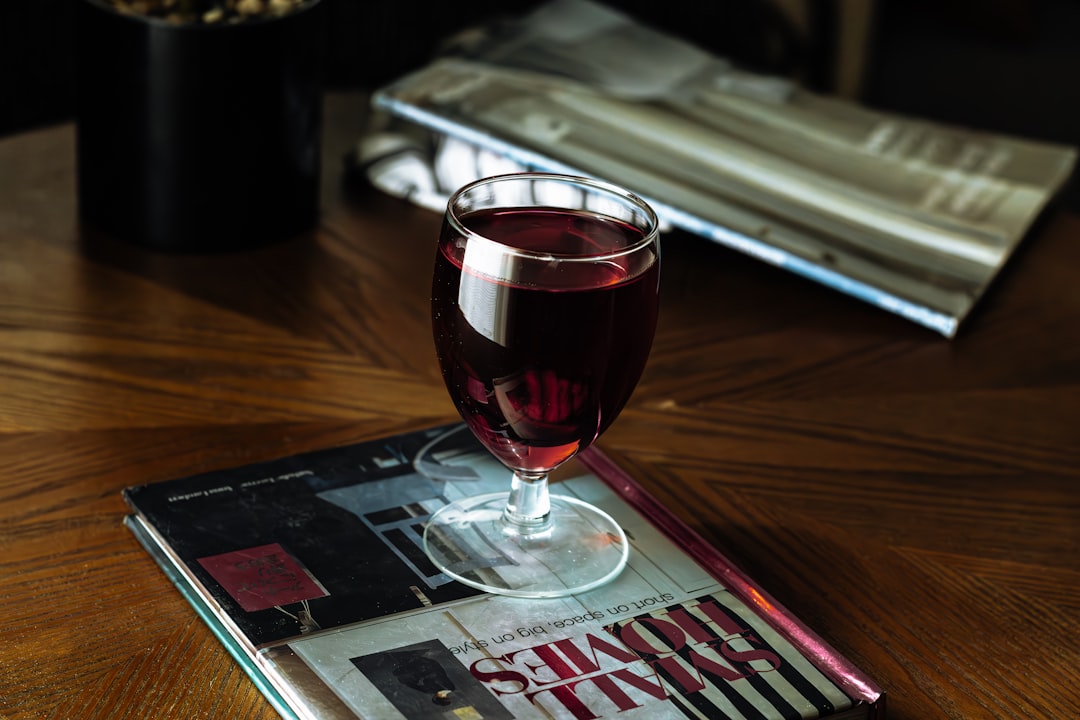
What is the best wine tasting book?
For a visual beginner, start with Wine Folly: Magnum Edition. For a compact first principles guide, choose The 24-Hour Wine Expert. For serious regional context, buy The World Atlas of Wine. WSET students should keep the current provider-issued study guide as the exam source and use books to add maps, explanation or tasting practice, not duplicate notes.
The best wine tasting book changes what you do with the next glass. It gives you a repeatable method, a useful map or a sharper way to describe structure. A book that merely adds more producer names to remember belongs later.
This list is organised by job, not prestige.
The shortlist
| Book | Best for | Buy it when |
|---|---|---|
| Wine Folly: Magnum Edition | Visual beginners | You want grapes, regions and tasting on one spread |
| The 24-Hour Wine Expert | A fast foundation | You want the essentials without a textbook |
| The World Atlas of Wine, 8th ed. | Geography and serious study | Place has started to explain style |
| The Oxford Companion to Wine, 5th ed. | Reference | You need a reliable answer to one precise question |
| How to Taste | Developing a method | You want tasting explained in approachable prose |
| Beyond Flavour | Advanced sensory thinking | You can describe fruit but struggle with structure |
| Essential Winetasting | Comparative practice | You want exercises and a course-like sequence |
| Official WSET study guide | Passing a WSET exam | You are enrolled and need the examinable source |
1. Wine Folly: Magnum Edition
This is the easiest book to keep open during a tasting. Its grape profiles, flavour diagrams, maps and pairing frameworks turn abstract differences into something visible. Wine Folly’s current product description covers 100 wine profiles and 35 regional maps, which is why it works as a broad first reference rather than a narrative read.
Weakness: it compresses. That is a strength for a beginner and a limit for advanced regional study. Use the grape index to continue from a profile into deeper regional links.
2. The 24-Hour Wine Expert by Jancis Robinson
At 112 pages, this is the cleanest answer for somebody who wants to feel less lost before the weekend. It covers tasting, labels, storage, food and the relationship between price and quality without pretending a short book can make anyone an expert.
Weakness: it is a foundation, not a tasting course. Pair it with a notebook and the five-step tasting method so each chapter reaches a real glass.
3. The World Atlas of Wine, 8th Edition
Hugh Johnson and Jancis Robinson’s Atlas is where geography stops being a list. The publisher’s eighth-edition page lists 416 pages and 22 new maps. Rivers, mountains, latitude and vineyard orientation become explanations for ripeness, acidity and style.
Weakness: it is large, expensive and not designed for quick tasting vocabulary. Buy it once place begins to matter, especially for WSET Level 3, and use the online wine atlas when you need a fast linked reference.
4. The Oxford Companion to Wine, 5th Edition
This is an encyclopaedia, not a book to read in order. It earns shelf space when a study guide names a process, grape or region without giving enough explanation. The latest edition matters because technical knowledge, laws and regions move.
Weakness: lookup can feel like study while producing no recall. Search only when a real question appears, then close it and explain the answer in your own words.
5. How to Taste by Jancis Robinson
How to Taste treats tasting as a skill built through attention and comparison rather than a performance full of exotic adjectives. It remains valuable because noses have not changed with publication cycles.
Weakness: some examples and market references show their age. Use it for method, then use current regional sources for facts.
6. Beyond Flavour by Nick Jackson MW
Many learners can list aromas but cannot explain why two wines with similar fruit feel completely different. Beyond Flavour shifts attention towards acidity, tannin, alcohol, body and texture. It is especially useful for blind tasting once basic aroma families are familiar.
Weakness: it is not a beginner’s first book. The free tannin, acidity and body chart is a simpler starting point.
7. Essential Winetasting by Michael Schuster
This feels most like a home course. Comparative exercises connect what you read to flights, which is exactly how a palate learns differences. It suits a small tasting group willing to buy deliberately rather than open random bottles.
Weakness: sourcing every suggested style can become expensive. Substitute by structure and region, and share bottles across the group.
8. The current official WSET study guide
For a WSET candidate, the provider-issued guide is the only book on this list written to the current exam specification. It may not be the most beautiful, but it defines priority. The free Level 3 study-pack guide shows how to combine it with maps, a wine list and timed practice.
Weakness: it is not sold as an ordinary retail title and should not be bought second-hand without checking the specification edition. Copied packs and leaked papers are both unreliable and inappropriate.
How to turn reading into tasting
Use one page, two wines and four questions. What differs in body, acidity, aroma and finish? Which difference comes from grape, place or winemaking? Which wine do you prefer? What food would change the answer?
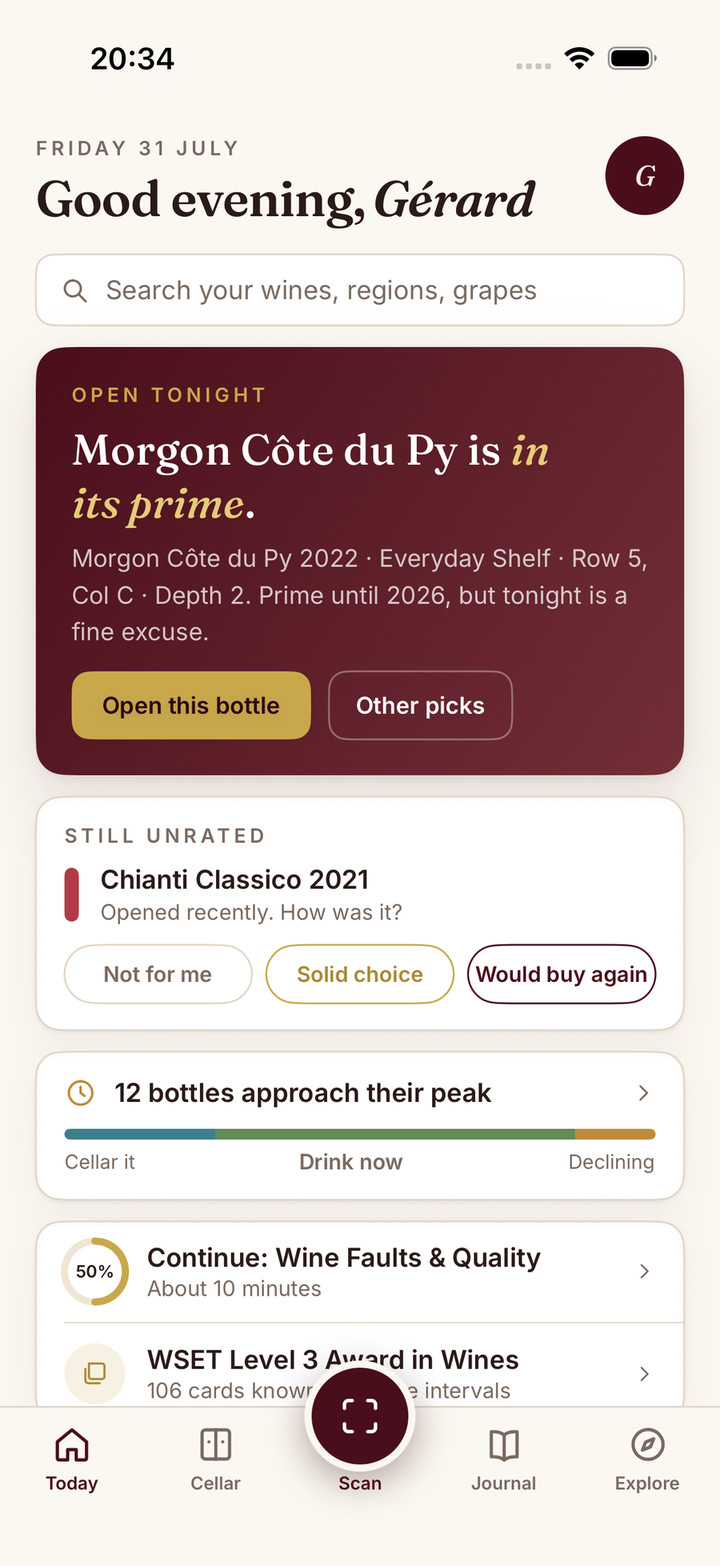
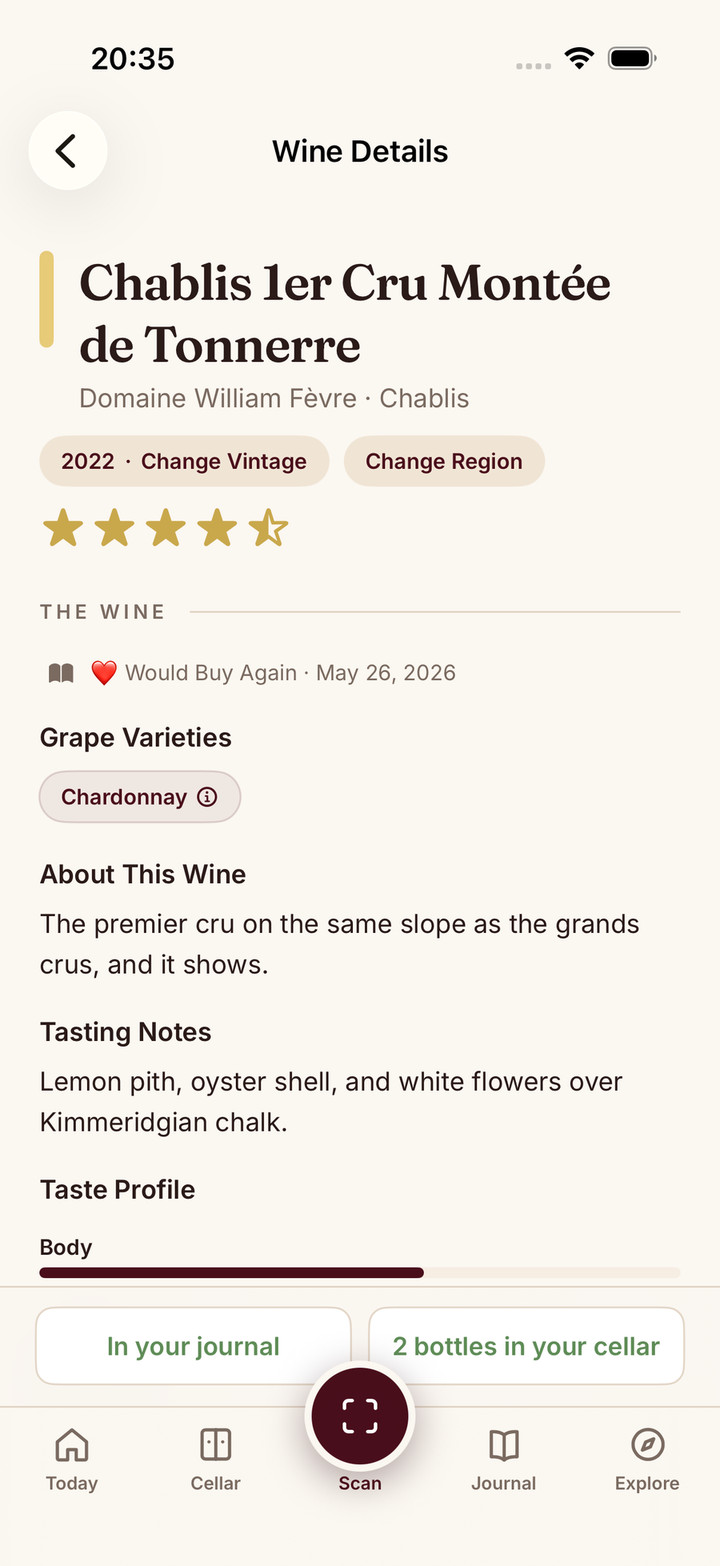
Record the comparison with the wine tasting-notes guide or in Sommo’s journal. The book supplies a hypothesis; the glass supplies evidence.
If you only buy two
Buy Wine Folly for quick visual reference and the World Atlas for place. If you dislike illustrated guides, replace Wine Folly with The 24-Hour Wine Expert. WSET candidates should count the official guide as book one and choose only the missing job as book two.
The best WSET books guide ranks by qualification level, while the wine glossary handles the word you need now.
Keep the shelf honest
A highlighted page is not a trained palate. Open two contrasting bottles, hide the labels and write a conclusion before checking the price or region. Download Sommo free to keep those comparisons in one searchable journal.
Which book should you open first?