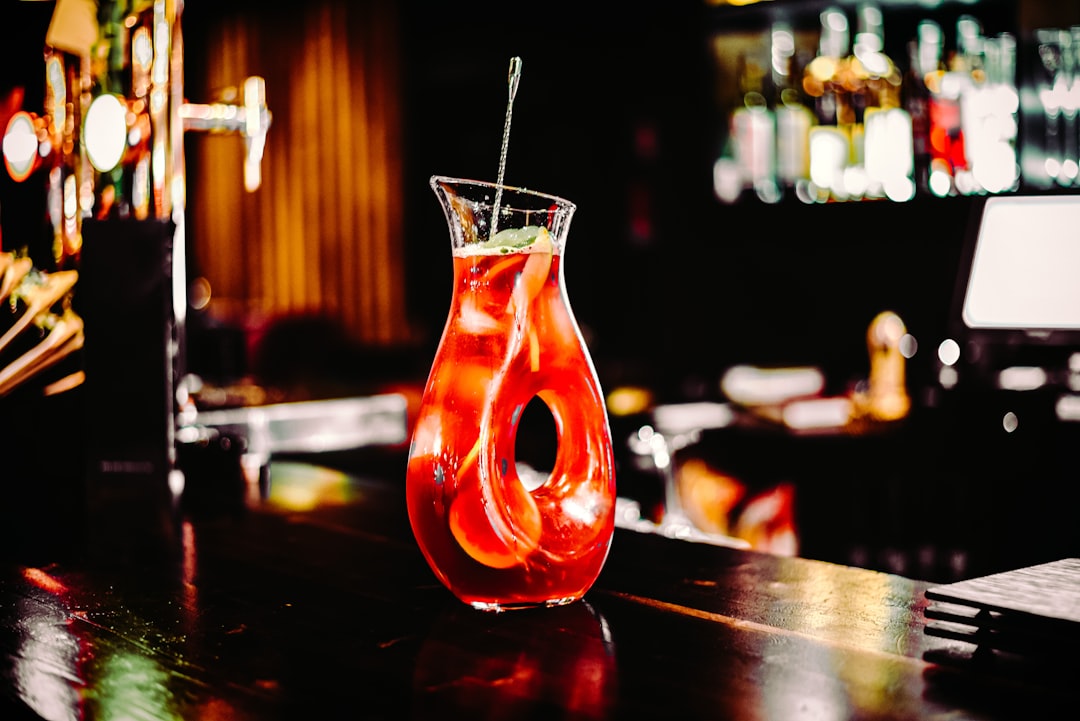
Sangria is the most forgiving drink in the summer repertoire, but forgiving is not the same as foolproof. The fruit, the chill and the time do a lot of work, yet the base wine still decides whether the jug tastes fresh and moreish or thin and sad. Here is what to pour in, by colour, with a simple method for each.
The Golden Rule
Use a wine that is cheap but cheerful, dry, and easy-drinking. You are not showing off the wine, you are building a long drink, so keep your good bottles for the glass. Equally, do not tip in the absolute cheapest plonk, because the fruit cannot rescue a genuinely faulty wine. Avoid anything heavily oaked or grippy with tannin, as both turn harsh once chilled and sugared.
Best Wine for Red Sangria
Spain wrote the rulebook, so think Spanish and juicy. A young, fruit-forward red with low tannin is perfect: Garnacha (Grenache), Tempranillo, or an inexpensive young Rioja. The aim is bright red-fruit flavour, not structure.
Best Wine for White Sangria
Reach for something crisp and aromatic. Sauvignon Blanc, Pinot Grigio, dry Riesling or a Spanish Verdejo all give the acidity and citrus lift white sangria needs.
Best Wine for Rosé Sangria
A dry, Grenache-based rosé is ideal, sitting between the two in body and taking beautifully to peaches and berries.
Add Sparkle at the End
For a celebratory jug, top each glass with a splash of Cava or other dry sparkling at the moment of serving. Stir it through earlier and the bubbles vanish.
A Simple Method for Any Colour
- Pour one bottle of wine into a jug.
- Add a chopped orange plus one more fruit that suits the colour: berries or stone fruit for rosé and white, apple and citrus for red.
- Stir in a single measure of brandy or orange liqueur, and only a little sugar. Taste first, the fruit adds sweetness of its own.
- Chill for two to four hours, not overnight, or the fruit goes mushy.
- Add ice and a splash of soda or sparkling when you serve.
What to Avoid
Skip oaky Chardonnay, big tannic Cabernet Sauvignon, and anything sweet straight from the bottle. If you would not happily sip it on its own, the fruit will not fix it.
Frequently Asked Questions
What is the best wine for sangria?
Use an inexpensive, dry, fruit-forward wine with low tannin. For red sangria, a young Spanish Garnacha or Tempranillo is ideal; for white, a crisp Sauvignon Blanc, Verdejo or Pinot Grigio works well. Avoid oaky or heavily tannic wines.
Should sangria be made with cheap or expensive wine?
Cheap but cheerful is the rule. The fruit, citrus and a splash of spirit do much of the work, so an expensive bottle is wasted. Just avoid the very cheapest faulty wine, since the fruit cannot rescue a wine that tastes bad on its own.
How far in advance should you make sangria?
Make sangria two to four hours ahead so the flavours meld, but not overnight, or the fruit turns mushy. Chill it in the fridge, then add ice and a splash of soda or sparkling wine just before serving.
Explore with Sommo
The secret to great sangria is finding inexpensive bottles with that juicy, low-tannin profile, and that is exactly the kind of pattern Sommo learns. Scan a few budget reds and whites with Sommo, note which had the soft, fruity character sangria loves, and you will know precisely what to grab next time. And since Spain wrote the rulebook, the free WSET Level 2 quiz on Spanish and Italian wine regions is a fun next step. Fancy a frozen twist instead? See our frosé guide.
Download Sommo free and find your house sangria base.