What is the best wine delivery service in 2026?
The best service depends on how you buy. Wine.com or K&L Wine Merchants in the US, and Berry Bros. & Rudd in the UK, are the strongest all-round retailers; curated clubs are better for surprise and variety, while auction houses suit rare bottles. Use on-demand apps for speed, not cellar building.
Wine delivery has gone from a luxury to a default. In 2026, most serious wine drinkers buy more bottles online than in shops. The reasons are obvious: better selection, cellar-quality storage at the warehouse, prices that match or beat retail, and the convenience of bottles arriving at your door. The harder question is which delivery service is actually worth your money. The category has fragmented into curated clubs, fast-delivery apps, online retailers, and producer direct shipping, each with different strengths.
This guide breaks down the major wine delivery services in 2026 across the US and UK, scored on speed, selection, price, customer experience, and whether they actually deliver wine you will enjoy. The focus is the services that stock a cellar: the subscription clubs, the serious online retailers, the direct-from-producer lists, and the auction houses for rare bottles. If you just need a bottle at the door within the hour, that is a different job: the 6 best wine delivery apps are the apps for tonight, and this guide is the services for the cellar. The goal is to help you pick the right service for your specific drinking pattern, not to crown a single winner.
How Wine Delivery Has Changed
Five years ago, most wine delivery options fell into two categories. You either ordered from a wine subscription club (which sent you bottles you mostly did not choose) or you ordered from a national online retailer (which shipped in five to seven days). The 2026 landscape includes:
- Same-day on-demand: Uber Eats (which absorbed Drizly), Saucey, Minibar, and grocery-delivery apps with alcohol options. Wine in your hand within an hour.
- Curated subscriptions: Winc, Firstleaf, Naked Wines, Vinebox. Monthly shipments of wines chosen for you.
- Marketplace online retailers: Wine.com, Total Wine, K&L, Wally’s, Berry Bros & Rudd. The traditional bottle shop model online.
- Direct from producer: Winery clubs and direct-shipping subscriptions from estates you trust.
- Auction and rare wine: WineBid, Acker, Sotheby’s, Christie’s. The collector market.
Each model serves a different need. The smart move is to use two or three, not one. Below is how to choose.
The On-Demand Services (Uber Eats, Saucey, Minibar)
The convenience tier. Order through an app and a delivery driver brings wine from a local liquor store within 30 to 90 minutes. Uber Eats has the deepest retailer network here since it absorbed Drizly, which shut down as a standalone app in 2024. Saucey, Minibar, and Gopuff overlap.
Strengths:
- True same-day delivery.
- Selection mirrors the local shops the app partners with.
- Easy to use, low barrier to first order.
- Most apps allow you to compare prices across nearby shops in real time.
Weaknesses:
- Selection is limited to what the shops near you stock. Obscure producers and serious wines are usually absent.
- Delivery fees and markups can add 15 to 30 percent on top of shelf price.
- The wines available are mostly mass-market.
- Quality of wine handling depends on the partner shop. A wine that has been sitting in a hot store will arrive in poor condition.
Best for: Hosting an unplanned dinner, restocking before a party, or grabbing a bottle when you genuinely cannot leave the house.
Worst for: Serious wine drinkers looking for specific producers. The on-demand category is built for speed, not selection.
For the ranked review of the apps themselves, see the best wine delivery apps 2026 review.
The Curated Subscription Services
Monthly clubs that select wines for you based on a taste quiz, deliver them on a schedule, and let you skip or swap as needed.
Naked Wines
The dominant model in this category in 2026. Members (“Angels”) pay a monthly subscription credit ($40 to $80 depending on tier) that accumulates and can be spent on wines from independent producers Naked Wines supports directly.
Strengths:
- Genuinely interesting wines, often from independent producers without other distribution.
- Strong member ratings on every bottle. The rating system actually means something because members are spending their own money.
- Frequent promotions and member-only pricing.
- The producer-direct model means cheaper wine for the quality.
Weaknesses:
- The subscription credit system can feel like a commitment. Cancelling is straightforward but the company encourages you to keep the credit accumulating.
- Quality varies. Some producers are excellent. Some are pleasant but unmemorable.
- The selection skews toward New World wines (California, Australia, Argentina, South Africa) over European producers.
Best for: Casual to enthusiast wine drinkers who want variety and are willing to spend $60 to $100 per month on wine.
Winc
A more design-led, beginner-friendly subscription. Takes a taste quiz and delivers four bottles per month tailored to your preferences. Strong on California wines and lighter, more approachable styles.
Strengths:
- Excellent onboarding experience. The taste quiz is more sophisticated than competitors.
- Lighter, more drinkable wines that suit casual drinkers.
- Easy to skip months.
- Bottles are reasonably priced ($13 to $25 each).
Weaknesses:
- Selection skews toward Winc’s own labels (the company makes wine under proprietary brands).
- Less variety than Naked Wines.
- Most wines are designed for immediate drinking, with limited age-worthy options.
Best for: New wine drinkers or casual enthusiasts who want a low-commitment monthly subscription.
Firstleaf
A budget-oriented subscription with a focus on lower-priced bottles. Six wines per month for around $80 to $100. Aggressive welcome offers ($40 to $50 for the first shipment).
Strengths:
- Great introductory pricing.
- Decent algorithm that learns from your ratings.
- Larger initial shipments than competitors.
Weaknesses:
- Quality is variable at the lower end. Many wines are mass-produced labels.
- Less differentiation between months than Naked Wines or Winc.
Best for: Drinkers on a tight wine budget who want to try a wider variety of styles.
Vinebox
The most distinctive subscription. Vinebox ships individual servings (glass-sized portions) of wine in elegant test-tube-style packaging, designed for tasting rather than drinking full bottles.
Strengths:
- Brilliant for trying new wines without committing to full bottles.
- Excellent for solo drinkers who do not want to open a whole bottle for one glass.
- Quality of wines included is genuinely interesting.
Weaknesses:
- Cost per serving is high. You pay for the packaging and convenience.
- Not a primary subscription for regular wine consumption.
Best for: Solo drinkers or as a complement to a primary wine buying habit.
The Marketplace Online Retailers
The traditional wine shop, online. These are the services I use most regularly for buying real wine.
Wine.com (US)
The largest online wine retailer in the US. Carries over 18,000 wines, ships nationally, and offers same-day delivery in some metro areas. Membership program (StewardShip) gives you free shipping for $59 per year.
Strengths:
- Enormous selection, including serious wines.
- Reasonable prices, often matching local retail.
- Excellent search and filter tools.
- StewardShip pays for itself if you buy more than four cases per year.
- Customer service handles damaged bottles well.
Weaknesses:
- Some lots are sold quickly, particularly in collector categories.
- Storage at the warehouse is good but not exceptional.
Best for: Most serious US wine buyers most of the time.
Total Wine & More (US)
A massive brick-and-mortar retailer with strong online infrastructure. Selection is broader than most competitors and prices are competitive.
Strengths:
- Very large selection across price points.
- In-store pickup option for orders.
- Frequent sales and member pricing.
Weaknesses:
- The shopping experience is overwhelming. Discovery is hard.
- Service quality varies dramatically by location.
Best for: Bulk shopping for casual drinkers, especially before a big event.
K&L Wine Merchants (US)
A serious independent retailer with deep buying relationships, particularly in Burgundy, Bordeaux, and German wines.
Strengths:
- Best-in-class buying. The team includes some of the most experienced importers in the US.
- Honest reviews of every wine.
- Excellent prices on classic-region wines.
- Strong futures (en primeur) program.
Weaknesses:
- Selection is curated, not exhaustive.
- Shipping is California-based, which limits speed to East Coast customers.
Best for: Serious wine drinkers looking for European wines and collector bottles.
Berry Bros & Rudd (UK)
The dominant serious wine retailer in the UK. Founded in 1698, ships globally with a particular strength in Bordeaux, Burgundy, and en primeur.
Strengths:
- World-class selection, particularly at the high end.
- Excellent online cellar management tools.
- Strong relationships with top producers.
- Will store your purchases in their bonded warehouse.
Weaknesses:
- Prices reflect the curation and history. Not a budget option.
- Selection at the casual price point is thinner than competitors.
Best for: UK and international serious wine drinkers building collections.
Justerini & Brooks (UK)
A direct competitor to Berry Bros with similar strengths. Strong on Burgundy and Italian wines.
Best for: UK collectors who want an alternative to Berry Bros.
Vivino Marketplace
The shopping side of the popular wine identification app. Allows you to buy wines you have scanned in the app from third-party retailers.
Strengths:
- Integration with the app is seamless. Scan a wine, find a price, order.
- Wide selection across price points.
Weaknesses:
- Quality of fulfillment varies by retailer.
- Wines you find in the app may not actually be available where you live.
Best for: Casual buyers who use Vivino as their primary wine tool.
Direct From Producer
Some of the best wines you will buy come directly from the producer, especially in regions with strong direct-shipping cultures (California, Oregon, Australia, parts of Europe).
How it works: Join a winery’s mailing list or wine club. Receive twice-yearly shipments of wines, often before the general public has access. Many top producers operate this way because it lets them maintain price discipline and reach drinkers who genuinely care.
Strengths:
- Access to wines you cannot find anywhere else.
- Allocations of limited bottlings reserved for club members.
- Direct relationship with the producer.
Weaknesses:
- You commit to whatever the producer chooses to send, with limited swapping.
- The club shipping fees add up.
- Wineries close their lists when demand exceeds supply. Top producers have waiting lists of months or years.
Best for: Serious wine drinkers who have identified specific producers they want to follow.
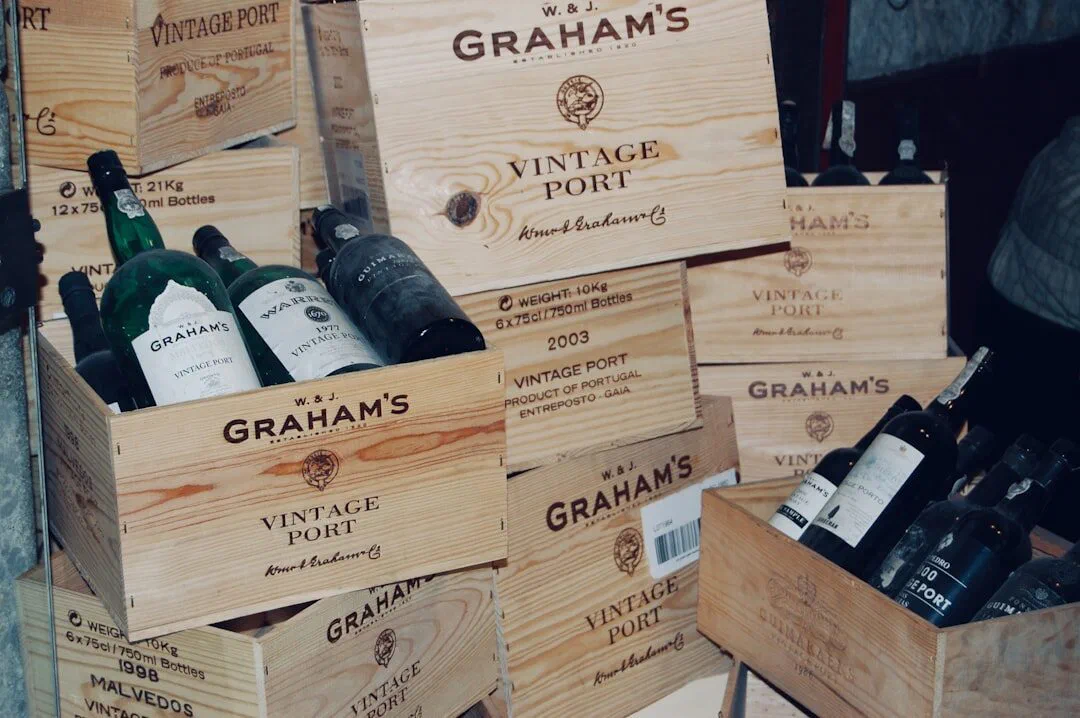
Worth getting on: Producer-direct lists for California (Williams Selyem, Bedrock, Failla, Littorai), Oregon (Eyrie, Bethel Heights), French boutique producers via their UK importers, and any small Italian or Spanish producer you discover through travel.
The Auction and Rare Wine Services
For serious collectors.
WineBid (US)
The dominant online wine auction site. Holds weekly auctions of rare and aged wines.
Best for: Collectors looking for older vintages, hard-to-find bottles, or back-vintage Champagne.
Acker Merrall & Condit (US and Hong Kong)
Live auction house with strong relationships with top collectors.
Best for: High-end collectors building serious cellars.
Sotheby’s and Christie’s
The legacy auction houses, particularly strong on Burgundy and Bordeaux.
Best for: The very high end, often for collectors looking at investment-grade bottles.
What to Look For When Buying Online
A few practical principles for any wine delivery decision.
Check storage conditions. A serious online retailer publishes their storage practices (climate controlled, humidity managed, away from light). Generic delivery apps usually pass through warehouses that are not wine-appropriate. For premium bottles, storage matters.
Check shipping season. Wine should not ship in extreme heat or extreme cold. Most reputable retailers pause shipping during heat waves and cold snaps. Generic apps usually do not.
Check return policy. A serious retailer accepts returns for corked or damaged bottles. Generic apps often do not.
Understand alcohol licensing. Wine shipping in the US is regulated state by state. Some states have strict limits on out-of-state wine shipments. Check before you fall in love with a wine that cannot reach you legally.
Match the service to the wine. Same-day apps for casual bottles. Curated subscriptions for variety. Serious online retailers for cellar wines. Direct from producer for the bottles that matter most.
For more on building a serious wine buying habit, see the wine cellar guide and how to pick wine at the grocery store for the in-store side.
A Working Wine Delivery Stack
For a typical serious US wine drinker, a working approach combines three services.
Primary retailer (most regular purchases): Wine.com or K&L Wine Merchants. The bulk of your buying.
One curated subscription (variety): Naked Wines or Winc. Adds variety and surfaces wines you would not otherwise find.
One on-demand app (emergencies): Uber Eats or similar. For nights when you forgot to plan.
Direct from producer (favourites): Mailing lists for two or three producers whose wines you genuinely love.
This combination covers all the practical scenarios at reasonable cost.
Service Comparison at a Glance
| Service | Speed | Selection | Price | Best for |
|---|---|---|---|---|
| Uber Eats / Saucey | Same day | Limited | High (markup) | Emergencies |
| Wine.com | 2 to 5 days | Excellent | Competitive | Most regular buying |
| K&L Wine Merchants | 3 to 7 days | Curated, serious | Excellent | European focus |
| Total Wine | 2 to 5 days | Very broad | Competitive | Bulk shopping |
| Naked Wines | Monthly | Producer-direct | Good value | Variety subscription |
| Winc | Monthly | Casual focus | Reasonable | New wine drinkers |
| Berry Bros & Rudd | 3 to 10 days | World-class | Premium | UK serious collectors |
| Producer-direct | Twice yearly | Exclusive | Best for specific producers | Loyalty buying |
| WineBid | 1 to 2 weeks | Rare/aged | Market | Collectors |
Explore with Sommo
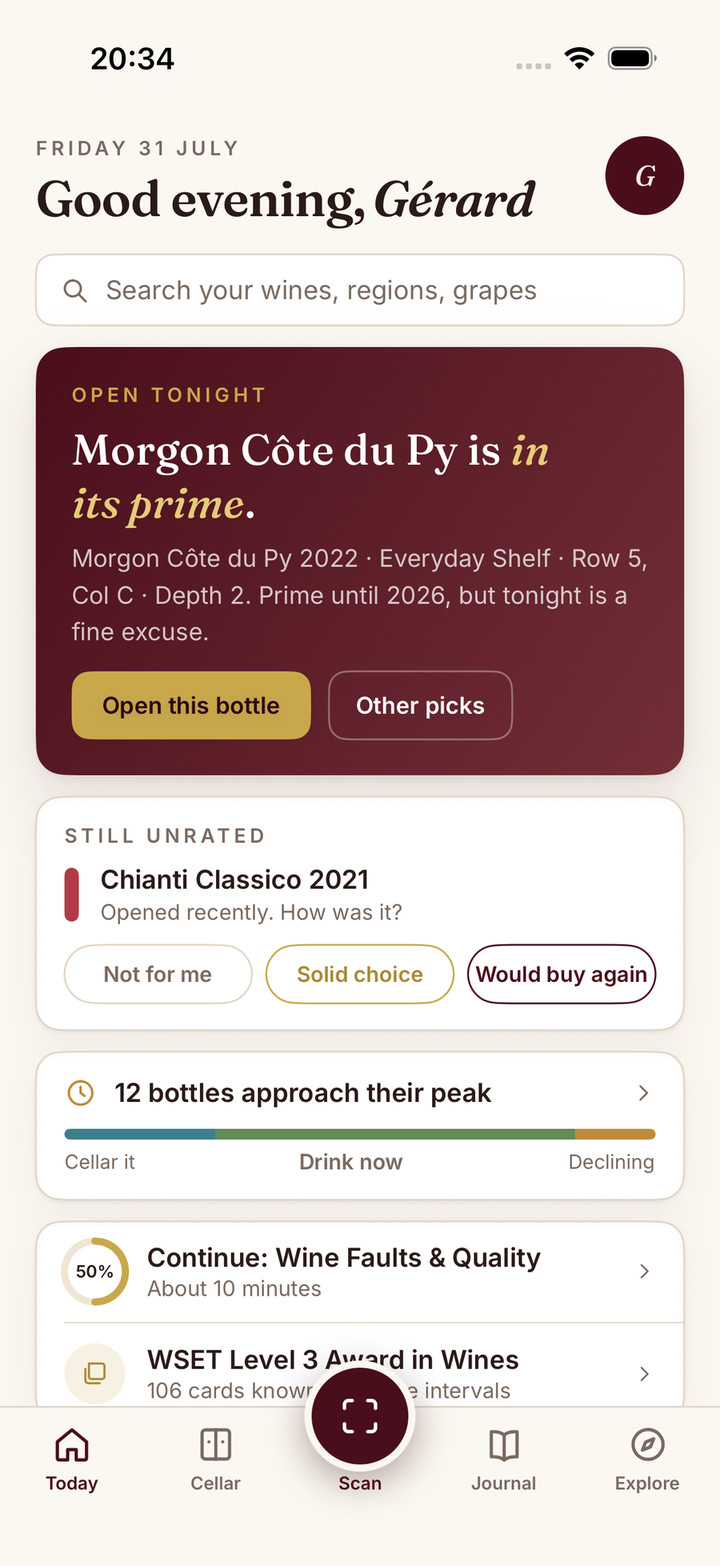
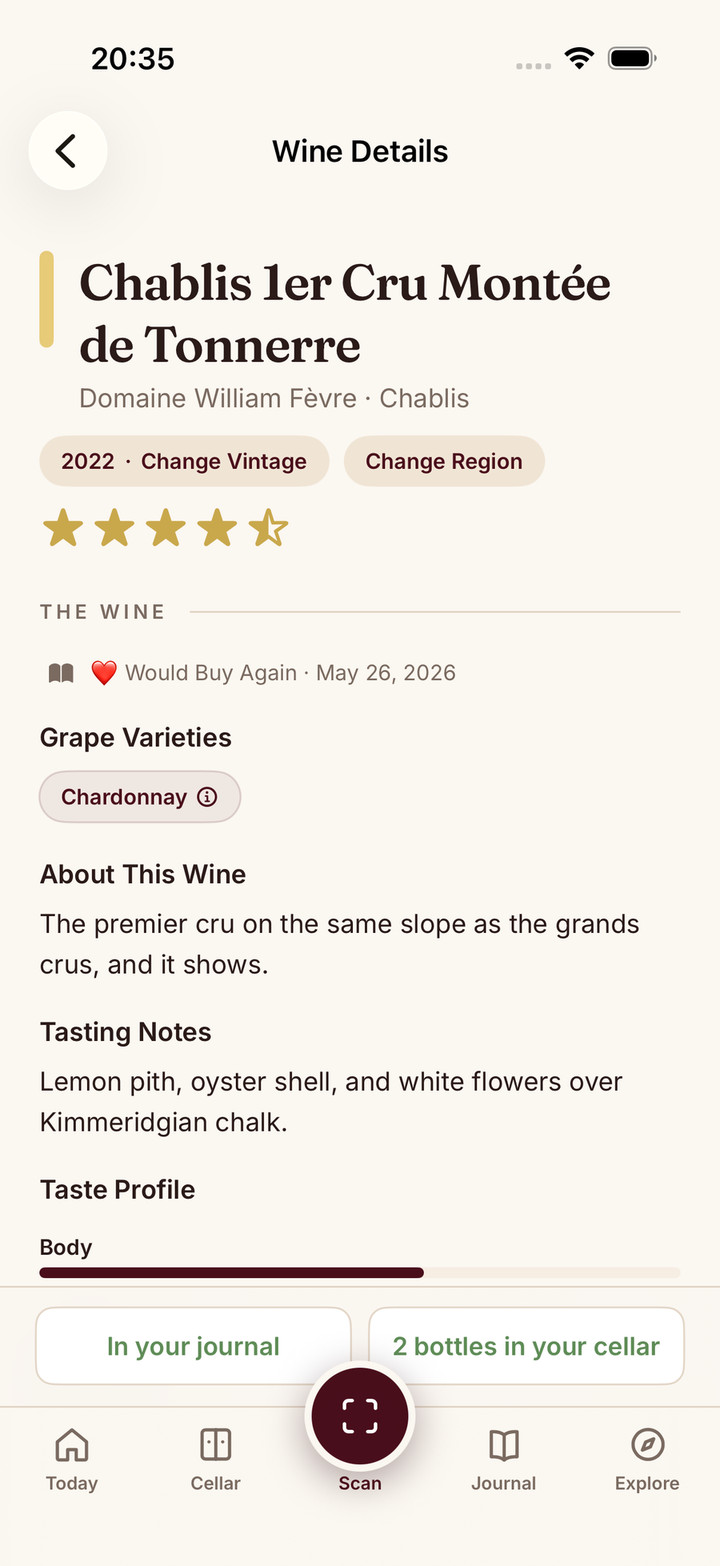
Every bottle delivered is an opportunity to log a wine into your personal record. Sommo lets you scan each new bottle as it arrives, save it to your cellar with full inventory tracking, and get drinking-window notifications when wines are ready. Over a year of online wine shopping, this builds a record that helps you remember which services delivered wines you actually loved and which were forgettable. The data sharpens your buying. Not sure what to order first? The free wine quiz maps your taste to styles before you commit to a case.
Download Sommo free and start tracking every bottle that arrives at your door.