Best White Wines for Beginners (2026): 7 Easy Bottles You'll Actually Love
New to white wine? These 7 beginner-friendly bottles are crisp, fruit-forward, and all under $25. Sauvignon Blanc, Pinot Grigio, Riesling, Albariño, with tips on what to buy first.
White wine is often the gateway into wine for a reason. No tannins, no bitterness, just fresh fruit, crisp acidity, and an enormous range of styles to explore.
But “white wine” covers everything from bone-dry and mineral to rich, buttery, and oaky. As a beginner, that variety can feel overwhelming. The wrong bottle can put you off the entire category.
Here’s the good news: there are white wines that almost everyone enjoys on the first try, bright, fruit-forward, and refreshingly easy to drink. These are the seven I recommend to every newcomer, all under $25.
For reds, see our companion guide: best red wines for beginners. Also exploring sparkling or rosé? We’ve got those covered too.
What Makes a White Wine Beginner-Friendly?
Before we get into the list, here’s what we’re looking for:
No oak (or very light oak): Heavy oak ageing gives wine a buttery, vanilla character that divides opinion. Start with unoaked or lightly oaked styles.
Prominent fruit: Wines that taste of recognisable fruit, citrus, green apple, stone fruit, rather than petrol, wax, or yeast.
Fresh acidity: Acidity keeps white wine lively and refreshing. A wine with good acidity finishes clean rather than flat.
Reasonable price: All seven wines here have excellent examples under $25.
1. Sauvignon Blanc
Why beginners love it: Sauvignon Blanc is arguably the most instantly likeable white wine in the world. It’s bright, aromatic, and unmistakably fruity, nothing ambiguous about it.
What it tastes like: Freshly cut grass, grapefruit, lime zest, and gooseberry. Some versions add tropical notes of passionfruit and melon.
Where to look:
- Marlborough, New Zealand: The gold standard, intensely fruity and widely available
- Loire Valley, France (Sancerre, Pouilly-Fumé): More mineral and elegant, though pricier
- Chile and South Africa: Great value, consistent quality
Food pairings: Goat’s cheese, salads, fish and chips, asparagus, light seafood
Price range: $12 to $22 for quality bottles
Try this: A Marlborough Sauvignon Blanc in the $14 to $18 range. It’s nearly impossible to go wrong.
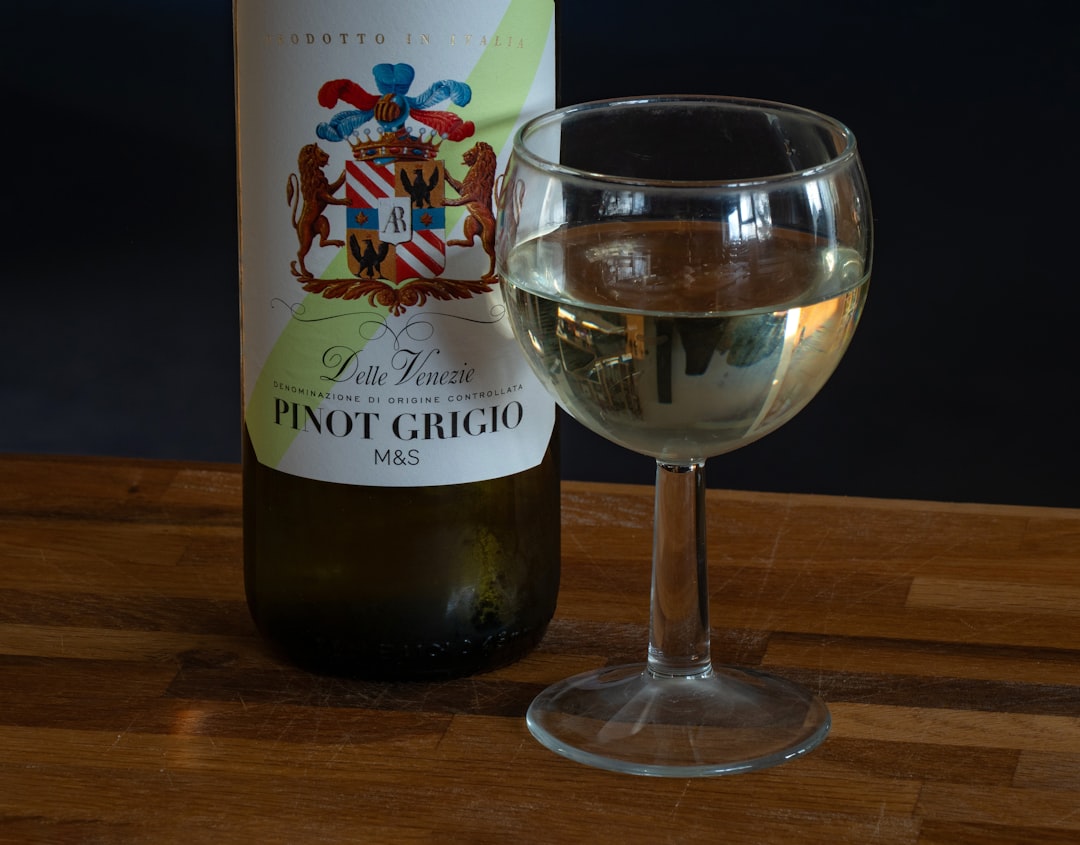
2. Pinot Grigio / Pinot Gris
Why beginners love it: Pinot Grigio is light, clean, and utterly inoffensive, in the best possible way. It’s the wine you can drink without thinking too hard about it.
What it tastes like: Green apple, pear, lemon, and a subtle almond finish. Italian versions lean lean and crisp; Alsatian versions (labelled Pinot Gris) are richer with more stone fruit.
Where to look:
- Northern Italy (Alto Adige, Friuli): The benchmark, precise, fresh, and elegant
- Alsace, France (as Pinot Gris): Richer, more aromatic style
- Oregon: Fruit-forward with good acidity
Food pairings: Grilled fish, prosciutto, mild cheeses, risotto, light pasta
Price range: $10 to $20 for solid bottles
Try this: An Alto Adige or Friuli Pinot Grigio, noticeably better than the mass-market Italian brands at only a small price premium.
3. Riesling
Why beginners love it: Riesling has a reputation for being sweet, which puts some people off. But dry Riesling is one of the most elegant white wines in the world, and off-dry Riesling is one of the most food-friendly.
What it tastes like: Lime, green apple, peach, and a distinctive floral note. Great examples develop a petrol or mineral character over time, unusual but addictive.
Where to look:
- Mosel, Germany: Light, low alcohol, off-dry to sweet styles
- Alsace, France: Dry and intensely aromatic
- Clare Valley and Eden Valley, Australia: Bone-dry with vibrant lime
Food pairings: Spicy food, sushi, pork, duck, Thai and Chinese cuisine
Price range: $12 to $22 for excellent bottles
Try this: A German Mosel Kabinett (off-dry, low alcohol, beautifully balanced) in the $15 to $20 range.
4. Albariño
Why beginners love it: Albariño from Spain is the best white wine discovery most people haven’t made yet. It’s vibrant, saline, and refreshingly different from the usual suspects.
What it tastes like: Lemon, peach, apricot, and a distinctive saline, almost briny edge. High acidity with a zesty finish.
Where to look:
- Rias Baixas, Spain: The definitive region, coastal, mineral, food-friendly
- Vinho Verde, Portugal (as Alvarinho): Even lighter, with a gentle spritz
Food pairings: Seafood of all kinds, grilled fish, paella, light tapas
Price range: $14 to $22 for quality bottles
Try this: Any Rias Baixas Albariño. The region produces consistently excellent wines at fair prices.
5. Chardonnay (Unoaked)
Why beginners love it: Chardonnay has suffered from a backlash, but that’s because of heavily oaked versions. Unoaked Chardonnay, or lightly oaked styles from cooler regions, is completely different: clean, mineral, and beautiful.
What it tastes like: Green apple, pear, lemon, and sometimes a creamy texture if lightly oaked. Cooler-climate versions are more citrus-driven; warmer versions lean tropical.
Where to look:
- Chablis, France: The purest expression, steely, mineral, zero oak
- Burgundy, France: Various price points, mostly excellent
- Marlborough, New Zealand: Crisp and fruit-forward
- Chilean Casablanca Valley: Great value unoaked style
Food pairings: Chicken, pork, seafood pasta, mild fish, soft cheeses
Price range: $14 to $25 for unoaked or lightly oaked examples
Try this: A Chablis from a decent producer. It’s the cleanest, most honest expression of Chardonnay, and a revelation if you thought you didn’t like it.
6. Viognier
Why beginners love it: Viognier is exotic and perfumed without being overwhelming. If you’ve ever been drawn to aromatic wines, jasmine tea, stone fruit, exotic spice, this is your grape.
What it tastes like: Peach, apricot, orange blossom, and a lush, almost oily texture. Dry but gives an impression of richness.
Where to look:
- Rhône Valley, France (Condrieu): The classic, expensive but extraordinary
- Southern France (IGP): Excellent value, same grape
- California and Australia: Ripe, full-bodied versions
Food pairings: Spiced dishes, lobster, chicken in cream sauce, mild curries
Price range: $12 to $22 for southern French and New World versions
Try this: A southern French Viognier (labelled IGP Pays d’Oc) in the $14 range. Same grape as Condrieu, a fraction of the price.
7. Gewürztraminer
Why beginners love it: Gewürztraminer is the most distinctive white wine on this list, immediately recognisable by its heady, spicy, rose-petal aroma. There is nothing else like it.
What it tastes like: Lychee, rose petals, ginger, and exotic spice. Can be off-dry or dry depending on the producer. Always intensely aromatic.
Where to look:
- Alsace, France: The definitive source, aromatic and full-bodied
- Germany: Slightly lighter, more delicate style
- New Zealand and California: Fruit-forward, aromatic
Food pairings: Spicy Asian food, duck, foie gras, strong washed-rind cheeses
Price range: $14 to $22 for quality bottles
Try this: An Alsatian Gewürztraminer. It’s a unique experience, either you’ll be obsessed immediately or you’ll appreciate it more with time.
Quick Reference Chart
| Wine | Body | Oak? | Key Flavours | Best Value Region |
|---|---|---|---|---|
| Sauvignon Blanc | Light | No | Grapefruit, grass | New Zealand |
| Pinot Grigio | Light | No | Apple, pear, lemon | Northern Italy |
| Riesling | Light to Medium | No | Lime, peach, floral | Mosel, Germany |
| Albariño | Light to Medium | No | Peach, lemon, saline | Rias Baixas, Spain |
| Chardonnay (unoaked) | Medium | No/Light | Apple, citrus, mineral | Chablis, France |
| Viognier | Medium to Full | Light | Peach, apricot, blossom | Southern France |
| Gewürztraminer | Medium to Full | No | Lychee, rose, spice | Alsace, France |
How to Pick Your First Bottle
Still not sure where to start? Use this:
Want something safe and crowd-pleasing? Sauvignon Blanc or Pinot Grigio
Enjoy fragrant, aromatic drinks? Riesling or Viognier
Looking for something unique? Albariño or Gewürztraminer
Think you don’t like Chardonnay? Try a Chablis, it might change your mind
Budget under $15? Pinot Grigio, Vinho Verde, or southern French Viognier
The Most Important Advice
White wine’s biggest advantage for beginners: it’s almost always served chilled, which makes any imperfections less noticeable, and the absence of tannins means almost nobody finds it harsh.
Start with the wine that sounds most appealing. Don’t let anyone tell you that you should be drinking something more serious.
Your Next Step
Pick one bottle from this list on your next visit to a wine shop. Take it home with a good meal, and pay attention to what you enjoy.
Scan the label with Sommo first, you’ll get instant details on the region, grape, and tasting profile, plus you can log it to your wine journal so you don’t forget what you liked.
Explore Other Styles
- Best red wines for beginners, smooth, low-tannin reds that won’t bite
- Best sparkling wines for beginners, beyond Champagne, there’s a world of great fizz under $20
- Best rosé wines for beginners, dry, elegant, and nothing like the sugary stuff you’re imagining
Frequently Asked Questions
What is the easiest white wine to drink for beginners?
Pinot Grigio and Sauvignon Blanc are the easiest white wines for beginners. Both are light, crisp, and refreshing with clean fruit flavours rather than the heavy, oaky richness that can put newcomers off. New Zealand Sauvignon Blanc and Italian Pinot Grigio are the most approachable starting points.
What white wine is not too dry and not too sweet?
Off-dry Riesling from Germany (look for “Kabinett” or “Spätlese” on the label) strikes the perfect balance, it has a touch of residual sweetness that balances its natural acidity, making it neither austere nor cloying. Gewürztraminer and Viognier are also great semi-aromatic choices.
Is white wine easier to drink than red wine for beginners?
Many beginners find white wine easier to start with because whites have no tannins. Tannins are the compounds in red wine responsible for that dry, astringent sensation. White wine is generally lighter, crisper, and less likely to feel harsh on a first try.
What is a good cheap white wine for beginners?
Spanish Albariño, Portuguese Vinho Verde, and Italian Pinot Grigio offer excellent quality under $15. These regions consistently produce bright, food-friendly whites that are both affordable and genuinely delicious.
Should white wine be chilled?
Yes. Most white wines are best served between 45 to 55°F (7 to 13°C). Fuller whites like oaked Chardonnay are fine at the warmer end; lighter styles like Sauvignon Blanc and Pinot Grigio are best well-chilled. Avoid serving whites straight from room temperature, always refrigerate for at least two hours before opening.
Liked this read? Try the app.
Scan any wine label with AI, build your tasting journal, and learn wine your way.