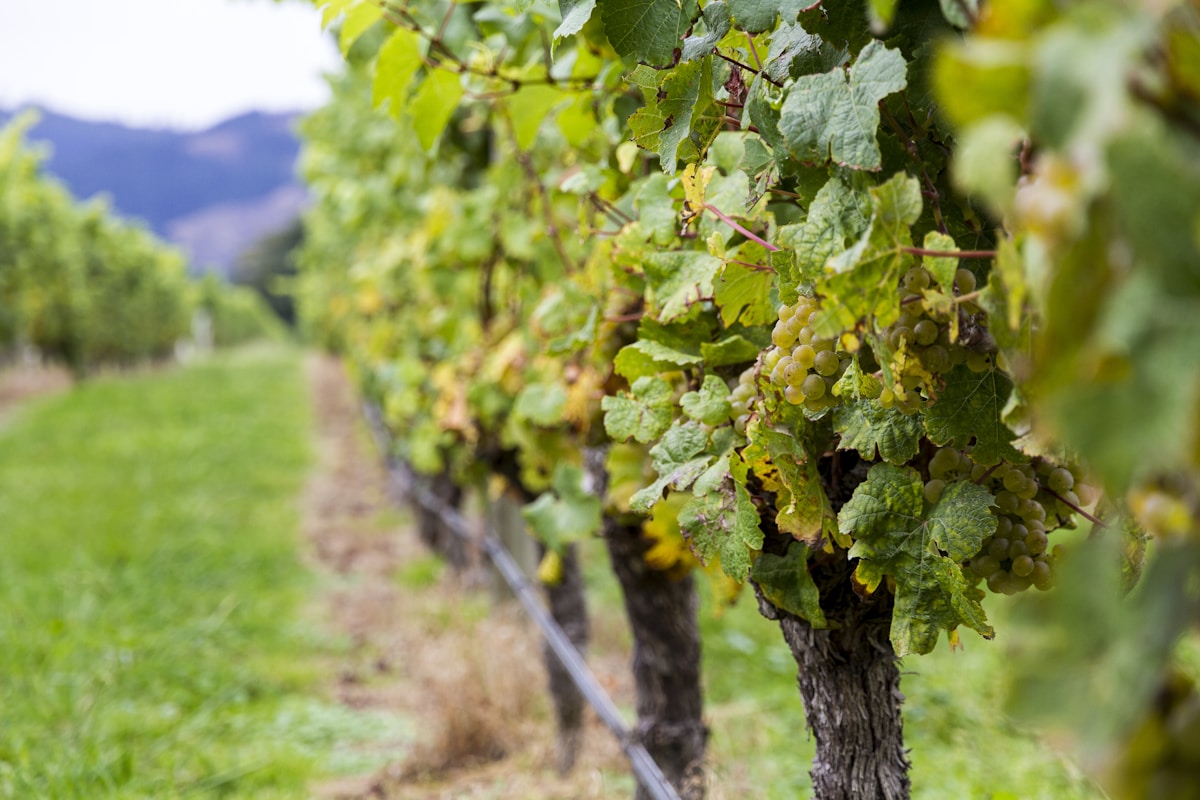
Few grapes divide wine lovers quite like Sauvignon Blanc. Pour a glass from Marlborough and you get an explosion of passionfruit, cut grass, and electric acidity. Pour one from the Loire Valley and you find yourself in a different world entirely: flinty, restrained, almost austere. Both are Sauvignon Blanc, and both are brilliant in their own way.
That range is exactly what makes this grape so rewarding to explore. Whether you want a crisp weeknight sipper or a serious bottle for a dinner party, Sauvignon Blanc delivers. The challenge is sorting through the sheer volume of options on shop shelves and restaurant lists.
I have tasted widely and narrowed the field to eight bottles that represent the best of Sauvignon Blanc in 2026. They span three price tiers, six countries, and the full spectrum of styles this grape can offer.
The 8 picks at a glance
| Wine | Style | Price band | Best for |
|---|---|---|---|
| Cono Sur Bicicleta (Chile) | Crisp, citrus, grassy | $8 to $10 | Everyday value |
| Brancott Estate (New Zealand) | Punchy, tropical Marlborough | $12 to $14 | Barbecues, crowds |
| Durbanville Hills (South Africa) | Restrained New World | $10 to $13 | Value with complexity |
| Cloudy Bay (New Zealand) | Refined Marlborough | $22 to $28 | The famous benchmark |
| Pascal Jolivet Sancerre (France) | Mineral, saline Loire | $24 to $30 | Oysters, first Sancerre |
| Château Bonnet (France) | Rounded Bordeaux blend | $14 to $18 | Versatility at the table |
| Didier Dagueneau Silex (France) | Profound Pouilly-Fumé | $80 to $110 | The once-a-year splurge |
| Greywacke Wild Sauvignon (New Zealand) | Wild-ferment, textured | $30 to $40 | Serious drinkers |
What Makes a Great Sauvignon Blanc?
Before diving into specific bottles, it helps to know what separates a good Sauvignon Blanc from a forgettable one.
Acidity is everything. Sauvignon Blanc without bright acidity is like a joke without a punchline. The best examples have a crisp, mouthwatering quality that makes you reach for another sip. Flat, flabby versions are the most common disappointment.
Aromatic intensity matters. This is one of the most aromatic white grapes in the world. Great bottles announce themselves the moment you bring the glass to your nose. You should get clear, defined aromas rather than a vague, watery impression.
Balance keeps it interesting. The finest Sauvignon Blancs balance fruit, acidity, and texture so that no single element dominates. In cooler climates, that means enough fruit to offset the racy acidity. In warmer regions, it means enough freshness to prevent the tropical fruit from becoming cloying.
Old World vs New World: Two Philosophies
Understanding this split is the single most useful thing you can learn about Sauvignon Blanc.
Old World (France, primarily the Loire Valley): Think restraint, minerality, and savoury character. Loire Sauvignon Blanc tends toward citrus, white flowers, crushed stone, and a chalky texture. Oak is rare. The wines whisper rather than shout, and they pair beautifully with food.
New World (New Zealand, South Africa, Chile): Think bold aromatics, tropical fruit, and a punchy, immediate style. Marlborough Sauvignon Blanc in particular leans into passionfruit, gooseberry, jalapeño, and grapefruit. These wines are crowd-pleasers, designed to impress on the first sip.
Neither style is superior. They simply serve different moods and occasions. A Sancerre with oysters is transcendent. A Marlborough Sauvignon Blanc on a hot afternoon is pure joy. The trick is matching the style to the moment.
Best Sauvignon Blanc Under $15
1. Cono Sur Bicicleta Sauvignon Blanc (Chile)
Region: Central Valley, Chile Price: $8 to $10
Chile’s Central Valley delivers some of the best value in the wine world, and Cono Sur’s Bicicleta range is a prime example. This bottle gives you ripe citrus, green apple, and a hint of herbaceousness with clean, refreshing acidity.
Tasting notes: Lime zest, green apple, fresh-cut grass, with a clean, crisp finish. Nothing complicated, nothing to criticise.
Food pairing: Fish tacos, ceviche, or a simple green salad with goat’s cheese.
Why it is worth buying: At under $10, this is arguably the best value Sauvignon Blanc on the market. It is consistent vintage after vintage, widely available, and tastes like a wine that costs twice the price.
2. Brancott Estate Marlborough Sauvignon Blanc (New Zealand)
Region: Marlborough, New Zealand Price: $12 to $14
Brancott Estate (formerly Montana) has a legitimate claim to fame: it was the winery that put Marlborough Sauvignon Blanc on the map. The entry-level bottling remains a benchmark for the region’s style at this price point.
Tasting notes: Passionfruit, grapefruit, a flash of green capsicum, and that signature Marlborough zing. The acidity is bright without being aggressive.
Food pairing: Thai green curry, Vietnamese spring rolls, or sushi. The tropical fruit and acidity love Southeast Asian flavours.
Why it is worth buying: It delivers the quintessential Marlborough experience without requiring you to spend $20 or more. A reliable crowd-pleaser for barbecues and casual dinners.
3. Durbanville Hills Sauvignon Blanc (South Africa)
Region: Durbanville, South Africa Price: $10 to $13
South Africa is producing increasingly exciting Sauvignon Blanc, and Durbanville Hills offers a compelling introduction. Cooled by Atlantic breezes, the Durbanville ward produces wines with more restraint than you might expect from a warm climate country.
Tasting notes: Green fig, grapefruit, a touch of fynbos herbaceousness, and a mineral edge that sets it apart from many entry-level options. Lively acidity with a clean, dry finish.
Food pairing: Grilled prawns with lemon, asparagus risotto, or a Cape Malay-spiced fish dish.
Why it is worth buying: It bridges the gap between New World fruit and Old World restraint, offering complexity that punches above its price. A great introduction to South African wines.
Best Sauvignon Blanc Under $30
4. Cloudy Bay Sauvignon Blanc (New Zealand)
Region: Marlborough, New Zealand Price: $22 to $28
Cloudy Bay is the bottle that launched a thousand Marlborough imitators. While some argue it no longer stands alone at the top of the region, it remains a beautifully crafted wine with a deserved reputation. Recent vintages have shown a move toward slightly more restraint, which suits the wine well.
Tasting notes: Lime, passionfruit, kaffir lime leaf, white peach, and a subtle minerality that adds depth. The palate is textured and layered rather than simply fruity.
Food pairing: Pan-seared sea bass with a herb salad, goat’s cheese tart, or scallop ceviche.
Why it is worth buying: Cloudy Bay remains one of the most recognisable Sauvignon Blanc brands in the world for good reason. It delivers consistency, elegance, and that unmistakable Marlborough character with a touch more sophistication than the entry-level competition.
5. Pascal Jolivet Sancerre (France)
Region: Sancerre, Loire Valley, France Price: $24 to $30
If you have never tried a Loire Valley Sauvignon Blanc, Pascal Jolivet’s Sancerre is the perfect starting point. It captures everything that makes this appellation special: minerality, precision, and a savoury quality that food-focused drinkers adore.
Tasting notes: White grapefruit, crushed limestone, white flowers, a hint of smoke, and bracing acidity. The finish is long and chalky, with a saline quality that practically demands seafood.
Food pairing: Oysters (a classic pairing for good reason), grilled Dover sole, or a simple chèvre salad. This wine was built for the table.
Why it is worth buying: Sancerre can be inconsistent and overpriced, but Jolivet’s bottling reliably delivers the appellation’s character without cutting corners. It is also widely distributed, so you can actually find it.
6. Château Bonnet Bordeaux Blanc (France)
Region: Entre-Deux-Mers, Bordeaux, France Price: $14 to $18
Bordeaux Blanc is one of the most underappreciated categories in wine. While the region is famous for its reds, the white wines from Entre-Deux-Mers offer remarkable value. André Lurton’s Château Bonnet blends Sauvignon Blanc with a touch of Sémillon, adding body and texture.
Tasting notes: Lemon, green apple, a floral lift, and a subtle waxy texture from the Sémillon component. The acidity is crisp but not cutting, making it exceptionally food-friendly.
Food pairing: Moules-frites, roast chicken with tarragon, or a plateau de fruits de mer.
Why it is worth buying: At this price, you are getting a wine from one of the world’s great wine regions, made by a family with generations of experience. It offers a different expression of Sauvignon Blanc: rounder, more textured, and supremely versatile at the table.
Best Sauvignon Blanc: Splurge-Worthy
7. Didier Dagueneau Silex Pouilly-Fumé (France)
Region: Pouilly-Fumé, Loire Valley, France Price: $80 to $110
Didier Dagueneau was a maverick winemaker who transformed expectations for Loire Sauvignon Blanc before his untimely death in 2008. His son Benjamin continues the legacy, and the Silex bottling remains one of the greatest white wines in the world. Named after the flint (silex) soils of the vineyard, this wine has a depth and complexity that most Sauvignon Blancs never approach.
Tasting notes: Smoke, gunflint, white peach, lemon curd, dried herbs, and a stony minerality that evolves for minutes after each sip. The palate combines richness with razor-sharp precision. It can age for a decade or more.
Food pairing: Lobster with drawn butter, turbot with beurre blanc, or aged Comté cheese. This is a wine for occasions that deserve something extraordinary.
Why it is worth buying: If you think Sauvignon Blanc is a simple, drink-young grape, Silex will change your mind permanently. It is a once-in-a-lifetime wine experience for serious white wine lovers.
8. Greywacke Wild Sauvignon Blanc (New Zealand)
Region: Marlborough, New Zealand Price: $30 to $40
Kevin Judd, the founding winemaker at Cloudy Bay, created Greywacke to push Marlborough Sauvignon Blanc in new directions. The Wild Sauvignon is fermented with indigenous yeasts and aged on lees, giving it a texture and complexity that redefines what the region can achieve.
Tasting notes: Stone fruit, beeswax, lemon curd, a hint of sourdough from the wild yeast fermentation, and layers of herbs and citrus that unfold slowly. This is not your typical punchy Marlborough style.
Food pairing: Roast pork belly with apple, rich fish dishes like turbot or John Dory, or creamy pasta with wild mushrooms.
Why it is worth buying: It proves that Marlborough is capable of producing wines with the depth and ageability of the finest Loire whites. A bridge between Old World complexity and New World generosity.
How to Serve Sauvignon Blanc
Getting the temperature right makes a surprising difference with this grape.
Temperature: Serve between 8°C and 10°C (46°F to 50°F). Straight from the fridge is usually too cold, which mutes the aromatics. Pull the bottle out ten minutes before serving, or pour and let it warm slightly in the glass.
Glassware: A standard white wine glass works well. Avoid very narrow glasses, as Sauvignon Blanc’s aromatics need a bit of room to develop. You do not need anything oversized either.
Decanting: Generally unnecessary. Most Sauvignon Blanc is designed to be enjoyed young and fresh. The exception is a wine like the Dagueneau Silex, which can benefit from thirty minutes in a decanter to open up.
Storage after opening: Recork and refrigerate. Most Sauvignon Blancs will stay fresh for two to three days. If you want to learn more about keeping opened wine fresh, the guide on how long wine lasts after opening covers every wine type in detail.
Pairing beyond the classics: goat’s cheese and oysters are the famous matches, but the grape’s acidity flatters far more than seafood. For a specific dish, the wine pairing finder gives an answer in seconds.
How to Spot Good Sauvignon Blanc on a Restaurant Menu
Navigating a wine list can feel intimidating, but a few pointers will help you find a Sauvignon Blanc you will enjoy.
Look for specific regions, not just the grape name. A menu that says “Sancerre” or “Marlborough Sauvignon Blanc” is telling you something useful about the style. A menu that simply says “Sauvignon Blanc, France” is less helpful.
Vintage matters less than you think. Unlike Pinot Noir or Nebbiolo, most Sauvignon Blanc is meant to be drunk within two to three years of the vintage. Do not agonise over the year, but avoid bottles that are more than four years old unless it is a premium Loire producer.
Ask about the style. If the menu does not specify a region, ask your server whether the wine is more “tropical and fruity” (New World style) or “mineral and citrusy” (Old World style). Most decent restaurants will know the answer.
Bordeaux Blanc is often underpriced on lists. Because it lacks the name recognition of Sancerre or Marlborough, Bordeaux Blanc tends to carry a lower markup. Look for it as a value pick, especially at French restaurants.
By-the-glass pours can be risky. Sauvignon Blanc deteriorates faster than many whites once opened. If the restaurant is not busy, that glass of Sauvignon Blanc might have been open since yesterday. Ordering a bottle (or a half bottle, if available) guarantees freshness.
Building Your Sauvignon Blanc Education
The eight bottles in this guide cover a wide range of styles, and tasting them side by side is one of the fastest ways to develop your palate. Try a Marlborough bottle next to a Sancerre and you will immediately understand the Old World vs New World divide. Add a Bordeaux Blanc and you discover what Sémillon does to Sauvignon Blanc’s texture. The deeper breakdown of the grape’s three main styles lives in Sauvignon Blanc decoded, and if you are weighing this grape against its great aromatic rival, the Sauvignon Blanc vs Riesling comparison settles the differences bottle by bottle.
Keeping notes as you taste is the key to building lasting knowledge. Even a few words about each wine will help you remember what you liked and why. If you enjoy testing that knowledge, the WSET Level 2 grape varieties quiz includes Sauvignon Blanc’s key facts among its questions.
Track Your Sauvignon Blanc Journey with Sommo
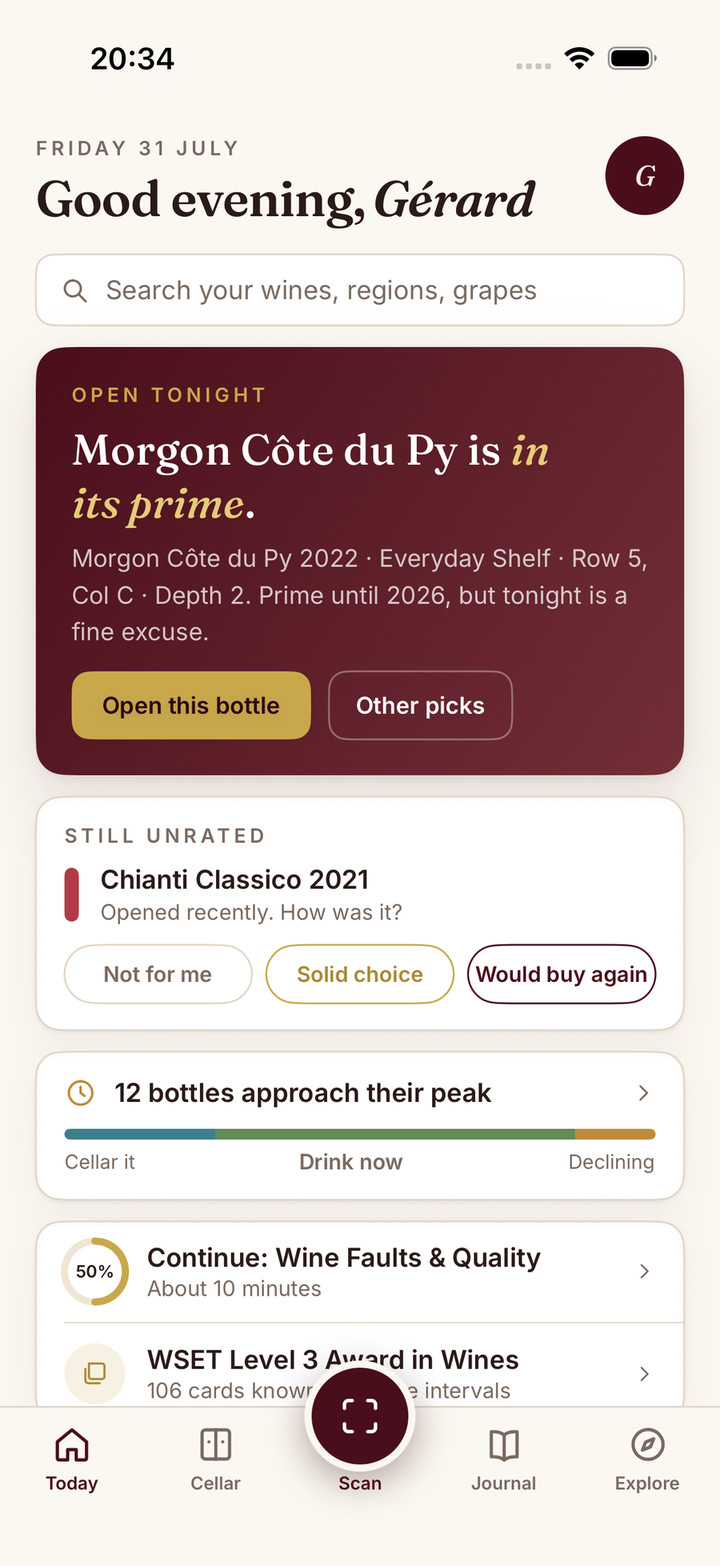
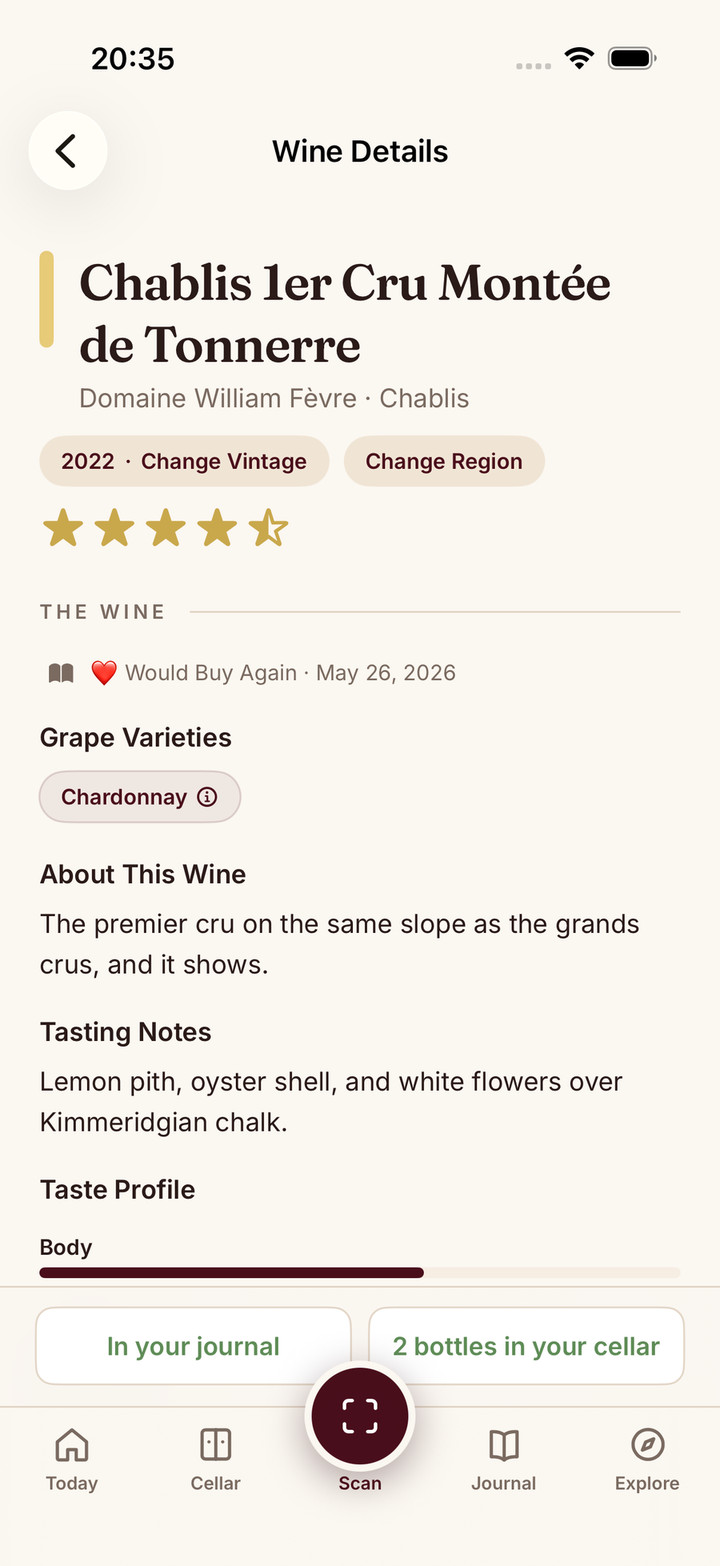
Sommo makes it easy to record tasting notes, scan wine labels for instant information, and build a personal wine journal that tracks your preferences over time. Whether you are working through this list or exploring Sauvignon Blanc on your own, Sommo helps you remember every bottle and discover what you love.
Download Sommo free and start building your wine knowledge today.
Which bottle fits tonight?