Rosé is the most misunderstood category in the wine aisle. Half the shelf is bone dry and serious, half of it is sweet and pink, and nothing on the label tells a beginner which is which.
The color does not help either. A pale bottle can be sweet and a dark one can be austere. So instead of a list of producers you may not find locally, here is the map: six styles, what each one costs, what each one tastes like, and how to tell them apart in the shop.
The Six Rosé Styles at a Glance
| Style | Color | Sweetness | Typical price | Best for |
|---|---|---|---|---|
| Provence (France) | Pale salmon | Bone dry | $14 to $22 | The safe first bottle, and warm weather drinking |
| Spanish rosado | Medium pink | Dry | $10 to $18 | Red wine drinkers, and food with some spice |
| Tavel (France) | Deep pink | Dry | $16 to $25 | A rosé that stands up to lamb and grilled meat |
| Italian rosato | Pale to deep | Dry | $12 to $20 | Dinner, especially tomato and herb dishes |
| Off dry blush | Pale pink | Off dry to sweet | $6 to $12 | Sweeter palates, and drinkers new to wine entirely |
| Sparkling rosé | Pale to salmon | Brut to dry | $12 to $25 | Aperitifs, celebrations, and hard to pair menus |
Champagne rosé sits above that top band. Cava rosado and Prosecco rosé do the same job for a quarter of the money.
How Rosé Is Made, and Why It Changes the Taste
Almost all rosé is made from red grapes. The pink color comes from limited contact between the juice and the skins, and the method used decides both the shade and the weight of the wine.
Direct press. The grapes are pressed straight away, exactly like white wine, and the juice takes only a light stain of color on the way through. This is the Provence model. It produces pale, delicate, low tannin wines with high acidity and citrus, strawberry, and herb notes. Producers who work this way are making rosé on purpose, from fruit picked specifically for it.
Short maceration. The juice rests with the skins for a few hours before being drained off. More hours means more color, more flavor, more body, and a trace of grip. Most Spanish rosado and much Italian rosato is made this way, and it is why those wines feel rounder than Provence.
Saignée. French for bleeding. A winemaker draws off part of the juice early in a red wine fermentation, which concentrates the red left behind and produces a deeply colored rosé as a second product. Saignée wines are the fullest of the three, and quality varies with intent: when the rosé is an afterthought, it tastes like one.
None of the three is better. Direct press gives you an aperitif, saignée gives you something you can put next to lamb.
What Dry Actually Means on a Rosé Label
There is no legal requirement to print sweetness on a still rosé label, so you learn to read the proxies.
- Region does most of the work. Côtes de Provence, Tavel, Navarra, Rioja rosado, Bardolino Chiaretto, and Cerasuolo d’Abruzzo are dry by tradition and by appellation rule.
- Words for dry. Sec in French, seco in Spanish, secco in Italian, trocken in German. These are more common on export labels than on domestic ones.
- Sparkling uses its own scale. Brut nature is the driest, then extra brut, brut, extra dry, and dry. Confusingly, extra dry is sweeter than brut and dry is sweeter still.
- Blush means sweet, usually. White Zinfandel and wines labeled simply blush are made in an off dry style, and there is nothing wrong with that if it is what you want.
- Alcohol is a weak hint. A rosé at 11 percent or below has often kept some residual sugar. At 12.5 to 13.5 percent it is almost certainly dry.
The Six Styles in Detail
Provence. The benchmark, and the style that rebuilt rosé’s reputation. Pale salmon, high acidity, strawberry and white peach with a dried herb and mineral finish. Côtes de Provence is the main appellation, and Coteaux d’Aix-en-Provence often delivers the same style for a couple of dollars less. Perfect with grilled fish, salads, goat cheese, and charcuterie.
Spanish rosado. Deeper, fruitier, a little fuller, usually Garnacha, and usually excellent value. Navarra is the classic source and Rioja rosado is slightly richer. Both handle food that would flatten a Provence bottle: paella, chorizo, grilled lamb, anything with paprika.
Tavel. The only French appellation that makes nothing but rosé, and it takes the job seriously. Deep pink, full bodied, dry, with wild strawberry, thyme, and spice. This is the rosé to buy when you want a pink wine that behaves like a light red, and it is the one style here that rewards a year or two in the rack.
Italian rosato. A category rather than a style, because every region makes its own. Bardolino Chiaretto and Lake Garda versions are pale and delicate. Cerasuolo d’Abruzzo, made from Montepulciano, is cherry red and substantial. All of them are built to be drunk with dinner, which is exactly why they work with pasta and pizza.
Off dry blush. White Zinfandel is the archetype: pale, soft, sweet, low in alcohol, and popular for a reason. If sweetness is what you enjoy, buy it without apology. If it is not, this is the category that gave rosé its bad name, and skipping it will change your opinion of pink wine.
Sparkling rosé. Prosecco rosé and Cava rosado deliver the most reliable value, both usually dry despite the pink color. Crémant rosé is a step up in structure. All of them do the same job: an aperitif that suits guests whose taste you do not know.
When to Drink It
Temperature. 45 to 55°F for most rosé, which is around two hours in the fridge or 30 minutes in an ice bucket. Serve Tavel and darker rosado a touch warmer, closer to 57°F, or you flatten the body that makes them worth buying.
Vintage. Buy the youngest bottle on the shelf. Rosé is made to be drunk fresh, and a three year old Provence will taste tired and coppery even from a good producer. If the shop only stocks old vintages, that tells you how fast the wine moves there.
Occasion. Rosé is the most flexible wine at a mixed table. It handles seafood, charcuterie, salads, chicken, and most vegetable dishes, which is why it is the default when the menu is unknown. Full detail in the rosé food pairing guide.
How to Judge a Bottle on the Shelf
You cannot taste it in the aisle, but five checks get you close.
- Check the vintage first. Current or previous year. Everything else is secondary.
- Read the appellation, not the shade. Côtes de Provence, Tavel, Navarra, and Bardolino Chiaretto are dependable. A pink wine with no named region and heavy branding usually is not.
- Look at where it has been sitting. Rosé is fragile in light. A bottle from a bright window display has had a harder life than one from a cool aisle.
- Ignore the bottle shape. Elaborate curved bottles are marketing. Some of the best value in the category comes in plain glass.
- Set the price band by style. Below $10 you are usually buying volume wine. Between $12 and $20 sits almost every bottle worth drinking. Above $25, still rosé has to work hard to justify itself.
For a wider look at the category, see the rosé wine guide and the rosé wine type page. Working through other styles as a beginner? We have the same treatment for red, white, and sparkling, and the free WSET Level 1 wine styles quiz tests the basics once you have a few bottles behind you.
Frequently Asked Questions
What rosé should a beginner buy first?
A Provence rosé in the $14 to $20 range. It is pale, completely dry, and built around strawberry, peach, and dried herb notes with no sweetness to hide behind. It is also the most widely stocked quality style, so you can find a decent bottle in almost any supermarket.
Is rosé wine sweet or dry?
Most quality rosé is dry. The sweet reputation comes from blush wines such as White Zinfandel, which are made in a deliberately off dry style. Provence rosé, Spanish rosado, Tavel, and most Italian rosato are bone dry, and color is not a reliable clue in either direction.
Does darker rosé mean sweeter wine?
No. Color comes from how long the juice sat with the red grape skins, not from sugar. A deep pink Tavel is bone dry and full bodied, while a pale blush can be noticeably sweet. Read the region and the producer instead of judging the shade in the bottle.
How long does rosé keep?
Buy the most recent vintage and drink it within about two years of harvest. Rosé is made for freshness rather than aging, and older bottles lose their fruit and turn flat and coppery. Tavel and a few serious Provence bottlings are the exceptions that hold for three or four years.
What temperature should rosé be served at?
Serve most rosé at 45 to 55°F, which means about two hours in the fridge. Fuller styles such as Tavel and deeper rosado show better a little warmer, around 54 to 57°F, because deep chilling flattens their body and buries the spice and herb notes.
Your Next Bottle
Pick a current vintage Côtes de Provence or a Navarra rosado, chill it properly, and pour it with something simple. That one bottle will teach you more than any list of names.
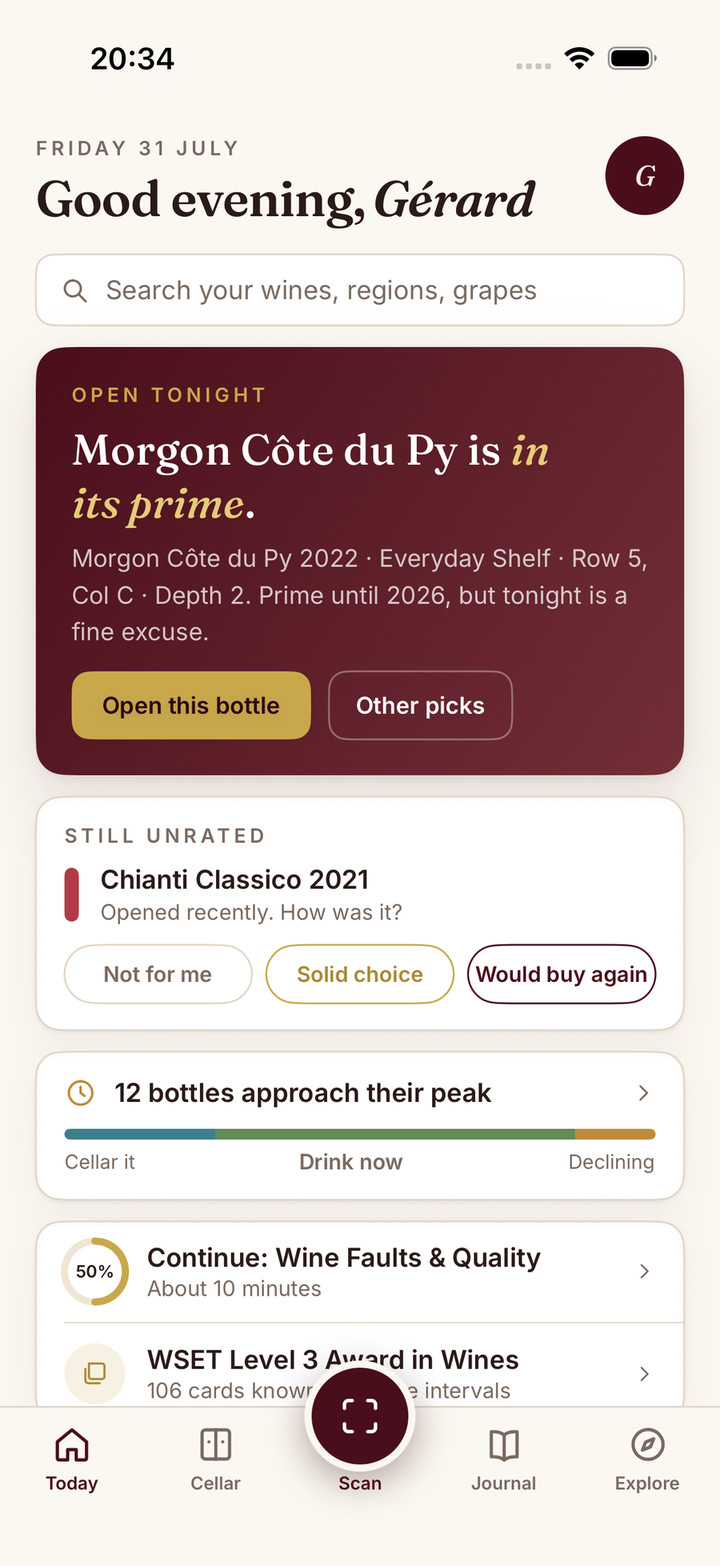
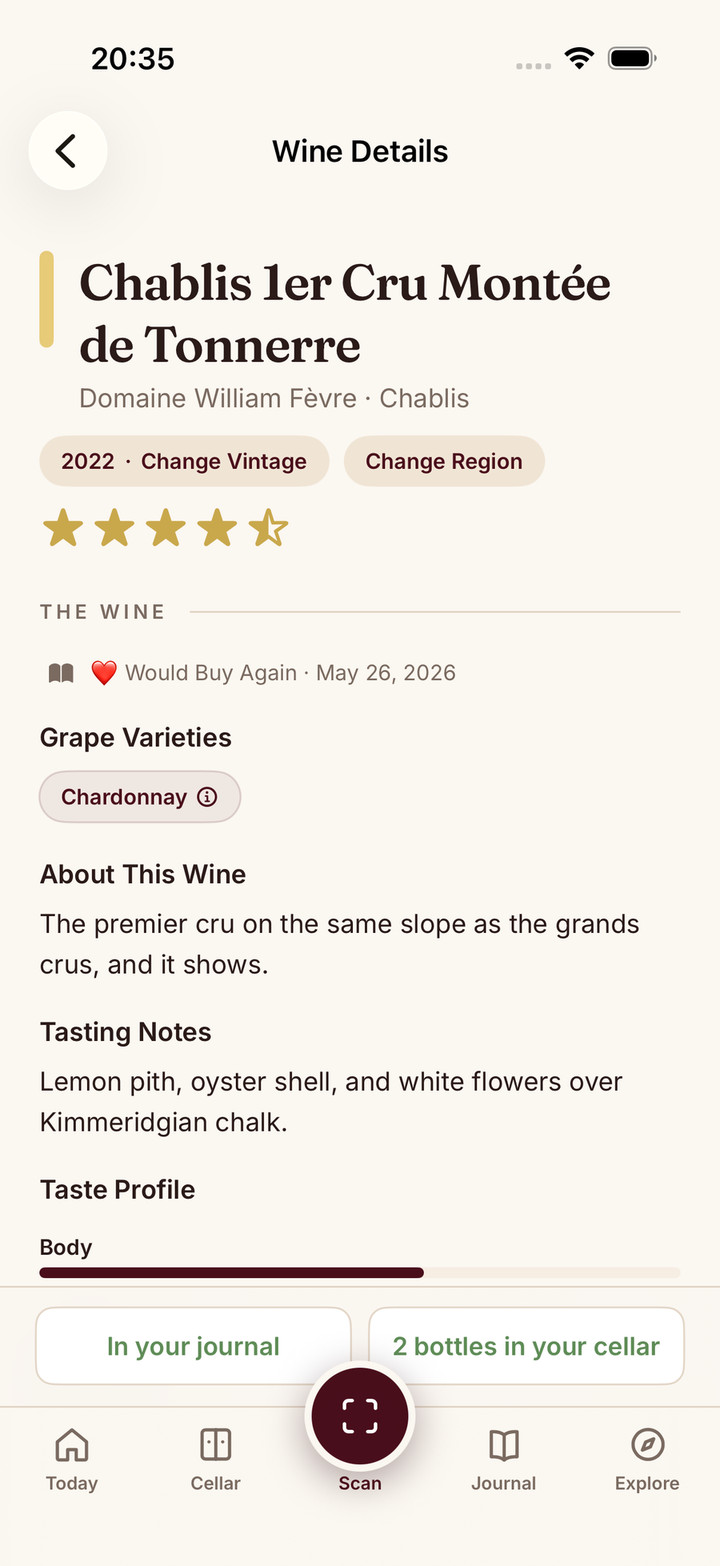
Scan the label with Sommo for instant tasting notes and pairing suggestions, then log what you actually thought. Rosé is the style most people drink without paying attention, and a little attention is what makes it interesting.
Download Sommo and start keeping track.