7 Best Red Wines for Beginners (2026): Smooth, Easy & Under $25
Discover 7 smooth, low-tannin red wines perfect for beginners — all under $25. From Pinot Noir to Malbec, with tasting notes and buying tips for each.
Not all red wines are created equal — and the wrong first bottle can put you off red wine for years. Here are the most approachable ones to start your journey.
Red wine can be intimidating. You’re standing in a shop staring at walls of bottles with French names you can’t pronounce, vintage years that may or may not matter, and price tags ranging from $8 to $800.
Here’s what nobody tells you: the bitterness and astringency that puts beginners off red wine comes from tannins. Pick a low-tannin grape from the right region, and red wine suddenly becomes smooth, fruity, and genuinely enjoyable — even on your first bottle.
These are the seven reds I recommend to every beginner. All under $25, all forgiving, none of them require a decoder ring.
What Makes a Red Wine “Beginner-Friendly”?
Before we dive in, let’s talk about what we’re looking for:
Lower tannins: Tannins are what create that dry, puckering sensation (like strong tea). High-tannin wines can be off-putting if you’re not used to them.
Fruit-forward flavors: Wines that taste like recognizable fruit (berries, cherries, plums) rather than earth, leather, or tobacco.
Smooth finish: No harsh edges or aggressive alcohol burn.
Versatile with food: Wines that don’t require a specific pairing to enjoy.
Reasonable price: Great examples available in the $12 to $25 range.
Now, let’s meet the wines.
1. Pinot Noir
Why beginners love it: Pinot Noir is the gentle introduction to red wine. Light-bodied with silky tannins, it’s often described as “elegant” rather than “powerful.”
What it tastes like: Red cherries, strawberries, and raspberries. Some versions have hints of earth, mushroom, or spice.
Where to look:
- Oregon: Fruit-forward, approachable, excellent value
- California (Sonoma, Santa Barbara): Richer, riper fruit
- Burgundy, France: More earthy and complex (and pricier)
- New Zealand: Vibrant and pure
Food pairings: Salmon, roast chicken, mushroom dishes, charcuterie
Price range: $15 to $30 for quality bottles
Try this: Look for an Oregon Pinot Noir in the $18 to $25 range. Willamette Valley is the region to know.
2. Merlot
Why beginners love it: Merlot is soft, plush, and instantly likeable. It’s the red wine for people who think they don’t like red wine.
What it tastes like: Plums, black cherries, chocolate, and sometimes a hint of herbs. Medium body with velvety tannins.
Where to look:
- Washington State: Exceptional value, plush and ripe
- California: Fruit-forward and smooth
- Bordeaux, France: More structured, often blended
- Chile: Great budget options
Food pairings: Burgers, pizza, roast pork, hard cheeses
Price range: $12 to $25 for solid bottles
Try this: Washington State Merlot, especially from Columbia Valley. Incredible quality for the price.
3. Malbec
Why beginners love it: Malbec from Argentina is like a warm hug in a glass: rich, smooth, and almost universally crowd-pleasing. It’s become one of the most popular red wines for good reason.
What it tastes like: Blackberries, plums, dark chocolate, and violet flowers. Full-bodied but with softer tannins than you’d expect.
Where to look:
- Mendoza, Argentina: The spiritual home of Malbec
- Cahors, France: The original source, more rustic
- California: Riper, fruit-forward style
Food pairings: Steak (obviously), grilled meats, empanadas, aged cheeses
Price range: $10 to $20 for excellent Argentine bottles
Try this: Any Mendoza Malbec in the $12 to $18 range. Look for “High Altitude” on the label, as it usually indicates better quality.
4. Grenache (Garnacha)
Why beginners love it: Grenache is juicy, fruity, and easy-drinking. It’s often described as having a “sweet fruit” character even though it’s technically dry.
What it tastes like: Strawberries, raspberries, cherries, with hints of white pepper and dried herbs. Light to medium body.
Where to look:
- Spain (as Garnacha): Excellent value, fruit-driven
- Southern Rhône, France: Often blended, more complex
- Australia: Ripe and generous
Food pairings: Mediterranean dishes, grilled vegetables, lamb, tapas
Price range: $10 to $20 for great examples
Try this: Spanish Garnacha from regions like Calatayud or Campo de Borja. Absurd value.
5. Zinfandel
Why beginners love it: California Zinfandel is bold, fruity, and unapologetically fun. It’s not subtle, but it’s not trying to be.
What it tastes like: Jammy blackberries and raspberries, black pepper, sometimes a hint of sweetness. Full-bodied with moderate tannins.
Where to look:
- California (Lodi, Paso Robles, Sonoma): The heartland
- Puglia, Italy (as Primitivo): The grape’s origin, often great value
Food pairings: BBQ ribs, burgers, pizza, spicy food
Price range: $12 to $25 for solid bottles
Try this: Lodi Zinfandel. The region produces ripe, approachable wines at fair prices.
6. Carmenère
Why beginners love it: Chile’s signature grape produces medium-bodied wines with an interesting herbal character that’s unique but not overwhelming.
What it tastes like: Red and black fruit, green bell pepper, coffee, and spice. Smooth tannins and a savory edge.
Where to look:
- Chile: Virtually the only source, and prices are great
- Colchagua Valley: Premium region
Food pairings: Grilled meats, roasted vegetables, Mexican food, aged cheddar
Price range: $10 to $18 for quality bottles
Try this: Any Chilean Carmenère in the $12 to $15 range. It’s one of the best value-to-quality ratios in wine.
7. Barbera
Why beginners love it: Italian Barbera is bright, lively, and incredibly food-friendly. Low tannins and high acidity make it refreshing rather than heavy.
What it tastes like: Sour cherries, raspberries, herbs, and a pleasant tangy quality. Medium body.
Where to look:
- Piedmont, Italy (Barbera d’Asti, Barbera d’Alba): The classic region
- California: Riper, fruitier style
Food pairings: Pasta with red sauce, pizza, grilled chicken, tomato-based dishes
Price range: $12 to $22 for great bottles
Try this: Barbera d’Asti. It’s generally fruitier and more approachable than Barbera d’Alba.
Quick Reference Chart
| Wine | Body | Tannins | Key Flavors | Best Value Region |
|---|---|---|---|---|
| Pinot Noir | Light | Low | Cherry, strawberry | Oregon |
| Merlot | Medium | Low to Med | Plum, chocolate | Washington |
| Malbec | Full | Medium | Blackberry, violet | Argentina |
| Grenache | Light to Med | Low | Strawberry, pepper | Spain |
| Zinfandel | Full | Medium | Jammy berries | Lodi, CA |
| Carmenère | Medium | Low to Med | Bell pepper, coffee | Chile |
| Barbera | Medium | Low | Sour cherry, herbs | Piedmont |
How to Pick Your First Bottle
Still feeling overwhelmed? Here’s a simple decision tree:
Prefer lighter, refreshing drinks? Start with Pinot Noir or Barbera
Like bold, rich flavors? Try Malbec or Zinfandel
Want something smooth and easy? Merlot is your friend (can’t decide? See our Pinot Noir vs Merlot comparison)
Enjoy savory, food-friendly wines? Carmenère or Grenache
Budget under $15? Argentine Malbec, Spanish Garnacha, or Chilean Carmenère
The Most Important Advice
Here’s what I wish someone told me when I started:
Don’t apologize for what you like. If you love sweet wines, drink sweet wines. If $12 bottles make you happy, ignore anyone who says you need to spend more.
Take notes. You’ll drink hundreds of wines over your lifetime. Writing down what you liked (and didn’t) is the fastest way to develop your palate.
Try the same grape from different places. A California Pinot Noir tastes completely different from a Burgundy Pinot Noir. Same grape, different expression. This is how wine gets interesting.
Explore Other Styles
Once you’ve found a red you love, it’s worth branching out. The same beginner-friendly logic applies to other wine styles:
- Best white wines for beginners — crisp, refreshing, and surprisingly versatile
- Best sparkling wines for beginners — beyond Champagne, there’s a world of great fizz under $20
- Best rosé wines for beginners — dry, elegant, and nothing like the sugary stuff you’re imagining
Your Next Step
Next time you’re at a wine shop, pick one bottle from this list. Take it home, pour a glass, and pay attention to what you’re tasting.
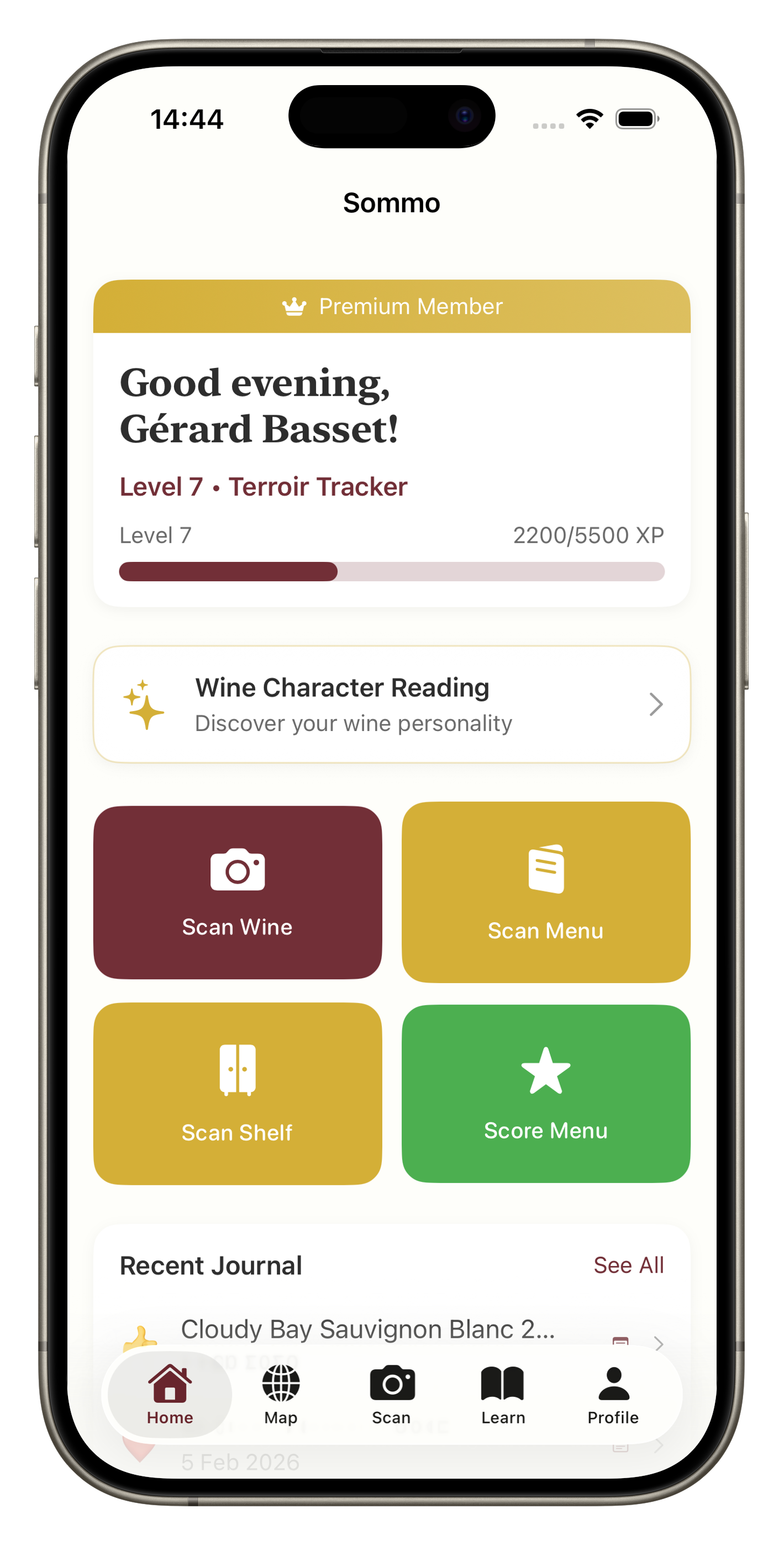
Better yet, scan the label with Sommo first. You’ll get instant details on the wine’s origin, grape variety, and tasting notes, plus you can save it to your personal wine journal to remember it later.
Frequently Asked Questions
What is the easiest red wine to drink for beginners?
Pinot Noir is often considered the easiest red wine for beginners. It’s light-bodied with low tannins and silky texture, featuring approachable flavors of cherries and strawberries. Oregon and New Zealand Pinot Noirs are particularly beginner-friendly.
What red wine is smooth and not bitter?
Merlot and Malbec are both smooth reds with low to medium tannins, which means they won’t taste bitter or astringent. Look for Merlot from Washington State or Malbec from Argentina for the smoothest, most fruit-forward examples.
Is red wine an acquired taste?
Red wine can be an acquired taste, especially wines with high tannins. Starting with low-tannin wines like Pinot Noir, Merlot, or Grenache makes the transition easier. Most people develop an appreciation for bolder reds over time.
What is a good cheap red wine for beginners?
Argentine Malbec, Spanish Garnacha, and Chilean Carmenère offer excellent quality under $15. These regions produce consistently good, fruit-forward wines at affordable prices that are perfect for beginners.
What temperature should red wine be served at?
Red wine should be served slightly cool, around 60-68°F (15-20°C). Lighter reds like Pinot Noir can be served cooler (55-60°F), while fuller reds like Malbec are best at 65-68°F. Never serve red wine at actual room temperature.