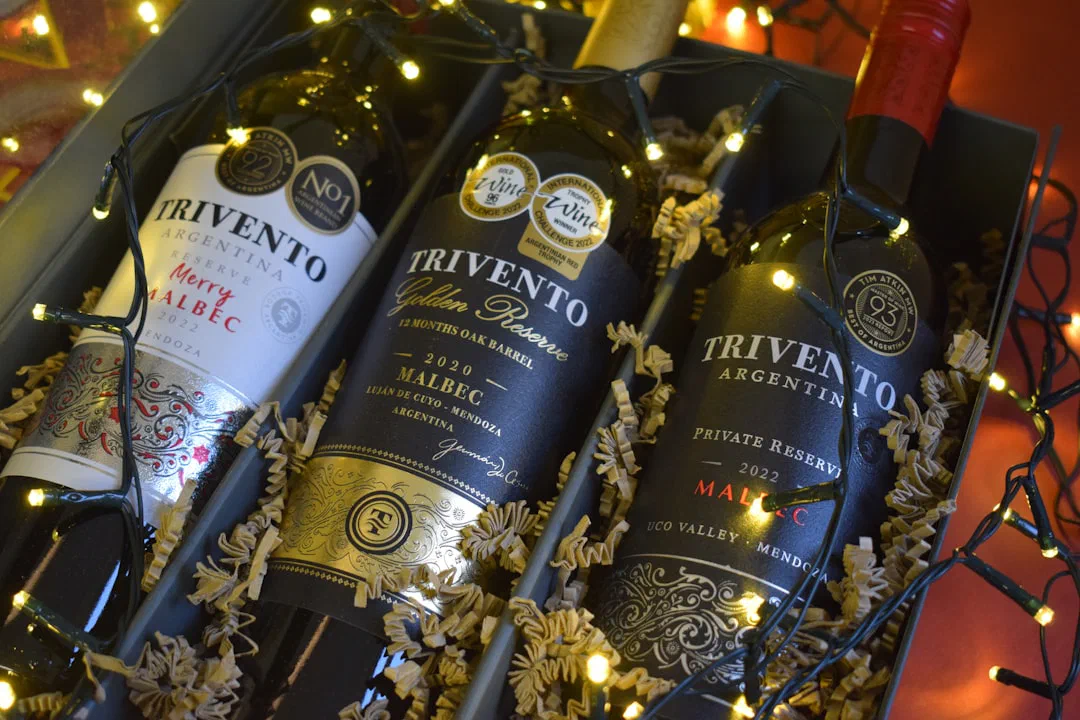
Wine is the default Christmas gift for a reason: it is consumable, it does not need to be stored or explained, and it signals effort. It is also the gift most often bought badly, usually by someone who assumes spending more solves the problem.
It does not. Wine gifting is a matching exercise, not a spending one. So this guide is organized the way people actually shop in December: by who is receiving it, and how much you want to spend. Prices are US retail ranges.
First: Why an Expensive Bottle Is Often the Wrong Gift
A $150 bottle carries three problems. It usually needs cellaring, decanting, or a specific meal to show well, and most recipients have none of the three. It creates an obligation, since now they owe you something similar. And a great deal of what you paid for is scarcity rather than pleasure: the difference between a $30 bottle and a $60 bottle is enormous, the difference between $60 and $200 is much smaller and mostly audible only to people who taste for a living.
Unless the recipient collects wine, the sweet spot is $25 to $60. Spend the surplus on presentation, on a magnum, or on a second bottle so they can open one now and keep one.
The Budget Table
| Budget | What it genuinely buys | Best gift move at this level |
|---|---|---|
| Under $20 | Solid everyday wine from a value region, not a bargain from a famous one | Crémant, Côtes du Rhône, Portuguese Douro red, Spanish Garnacha |
| $20 to $35 | Real quality. Named villages, single regions, proper producers | The default gift band: Rioja Reserva, Cru Beaujolais, Alsace Riesling, LBV Port |
| $35 to $60 | Serious wine. Village Burgundy, grower Champagne, mature Rioja Gran Reserva | Where a bottle starts to feel like an event rather than a gesture |
| $60 to $100 | Fine wine, or a magnum of something very good | Buy the magnum. Two bottles of $45 wine in one impressive format |
| $100 and up | Scarcity, age, and prestige labels | Only for collectors, or a milestone. Include the drinking window |
The Colleague You Barely Know
You know their name and nothing about their palate. The risk here is not being boring, it is being wrong.
Buy sparkling. A Crémant de Loire or Crémant d’Alsace ($18 to $28) looks and behaves like Champagne, is dry enough for anyone, and does not require them to plan a meal around it. If the budget is higher, non-vintage Brut Champagne ($45 to $65) is the single most legible gift in wine: everyone understands it instantly.
Avoid anything that needs a caveat. No natural wine, no orange wine, no obscure grape you love. A gift is a bad moment to educate someone.
The Host
You are arriving for dinner and want the bottle to be useful without hijacking the menu.
The trick is to bring something they can either open tonight or keep, and to say so out loud so they do not feel pressured. A Grenache based Côtes du Rhône Villages ($15 to $25) works with almost any meal, including turkey, roast beef, or a cheese course. A Rioja Reserva ($20 to $35) from Rioja is even better: aged before release, immediately drinkable, and it looks more expensive than it is.
If you know there is a cheese board, bring a half bottle of Tawny Port ($18 to $30), which is the gift most likely to be opened that same night. Our cheese pairing guide explains why it works.
The Person Who Is Really Into Wine
The instinct is to spend more. Resist it. You cannot outbid their cellar, and buying a famous label tells them you looked at a list rather than at them.
Buy specificity instead. Grower Champagne ($50 to $80), made by the family that farms the vineyard, is the enthusiast gift of the decade. A single vineyard Riesling from the Mosel ($30 to $60) is a serious wine at an unserious price. A mature bottle from a good vintage ($50 to $100), already ten years old, gives them something they cannot easily buy fresh. Our vintage charts will tell you which years to look for.
One more option: a bottle from a region they do not usually drink. An Etna Rosso or a top Douro red is more interesting to an expert than another Napa Cabernet.
The Person Who Says They Know Nothing About Wine
They usually mean they do not want to be quizzed about it. So buy something delicious and low effort, with a screwcap or an easy cork and no requirement to decant.
New Zealand Sauvignon Blanc from Marlborough ($15 to $25) is the most immediately likeable white in the world. Malbec from Mendoza ($12 to $22) is the equivalent in red: soft, plummy, no tannic sharp edges. Moscato d’Asti ($14 to $20) is a genuinely brilliant gift for someone with a sweet tooth, low in alcohol and lovely with dessert.
Write one line on the tag about what it tastes like and what to eat with it. That small gesture does more than doubling the price would.
The Whisky Drinker
Someone who drinks spirits is used to intensity, sweetness, oak, and a long finish. Table wine often feels thin to them, so go fortified.
Ruby or Late Bottled Vintage Port ($18 to $35) from the Douro Valley is rich, sweet, and about 20 percent alcohol, and LBV needs no decanting. Oloroso or Palo Cortado Sherry ($25 to $45) is the connoisseur choice: dry, nutty, oxidative, and closer to an aged spirit than to wine. Madeira ($25 to $50) has the longest finish in wine and, once opened, keeps for months, which suits a spirits drinker’s pace exactly.
The Person Who Has Everything
Change the format rather than the price.
A magnum is the answer. It holds 1.5 liters, the equivalent of two bottles, and because the ratio of oxygen in the neck to wine in the bottle is lower, wine in magnum ages more slowly and often better. It also announces an occasion the moment it lands on the table. A magnum of good Champagne runs $110 to $180, but a magnum of Côtes du Rhône or Crémant at $40 to $70 makes almost as much impact.
The alternative is time rather than volume: a bottle from their birth year, or from the year they married. Availability decides the price here, and fortified wines such as Madeira, Port, and Sherry give you far more affordable options than still wine for older years.
Shipping, Duty, and Timing
Wine is the most annoying gift to ship. Many US states restrict direct to consumer wine shipments, and rules differ by state and by retailer, so check the destination before you pay. Every carrier requires an adult signature at delivery, which means an unattended porch drop is not an option and a failed delivery can bounce the parcel back.
Internationally it is worse: wine attracts both duty and excise in most countries, and the recipient is usually the one billed. That turns a thoughtful gift into a small invoice.
Two practical rules. Order by the first week of December, because carrier backlogs and winter weather delays get serious after that, and wine left in a freezing truck can push its cork. If in doubt, buy from a retailer local to the recipient and have it delivered from there, or send a gift card to a shop they can walk into.
Frequently Asked Questions
What is the best wine to give as a Christmas gift?
Champagne or a good Crémant, because bubbles are festive, universally liked, and impossible to get wrong. If you know the person drinks red, a Côtes du Rhône Villages or a Rioja Reserva at $20 to $35 is the safest bottle that still looks considered.
How much should you spend on a wine gift?
For a colleague or a host, $20 to $35 is the sweet spot: enough to be genuinely good, not so much that it creates an obligation. For close family or a milestone, $50 to $80 buys real quality. Above $100 you are paying for scarcity, not flavor.
What wine do you buy for someone who knows a lot about wine?
Do not try to outbid their cellar. Buy something specific and current instead: a grower Champagne, a single vineyard Riesling, or a mature bottle from a good vintage. Enthusiasts value a bottle they would not have picked themselves far more than a famous label.
Is a magnum a good Christmas gift?
Yes, and it is the most underrated gift in wine. A magnum holds two bottles, ages more slowly because of its lower oxygen to wine ratio, and looks like an occasion. A $60 magnum makes a bigger impression than a $60 standard bottle.
Can you ship wine as a Christmas gift?
Sometimes. Many US states restrict direct to consumer wine shipping, carriers require an adult signature on delivery, and international gifts can attract duty and excise that the recipient has to pay. Order by early December and check the destination rules before you buy.
Explore with Sommo
The gift is only half of it. If you are also hosting, wine for Christmas covers the meal itself, wine for New Year’s Eve handles the week after, and wine for Thanksgiving is the November rehearsal. Scan any bottle with Sommo before you buy it to see what it tastes like, when to drink it, and what it goes with, then log the gift so you never give the same person the same bottle twice. If you would rather start from the recipient’s taste, the free wine quiz narrows the style in two minutes.
Download Sommo free and give better bottles.