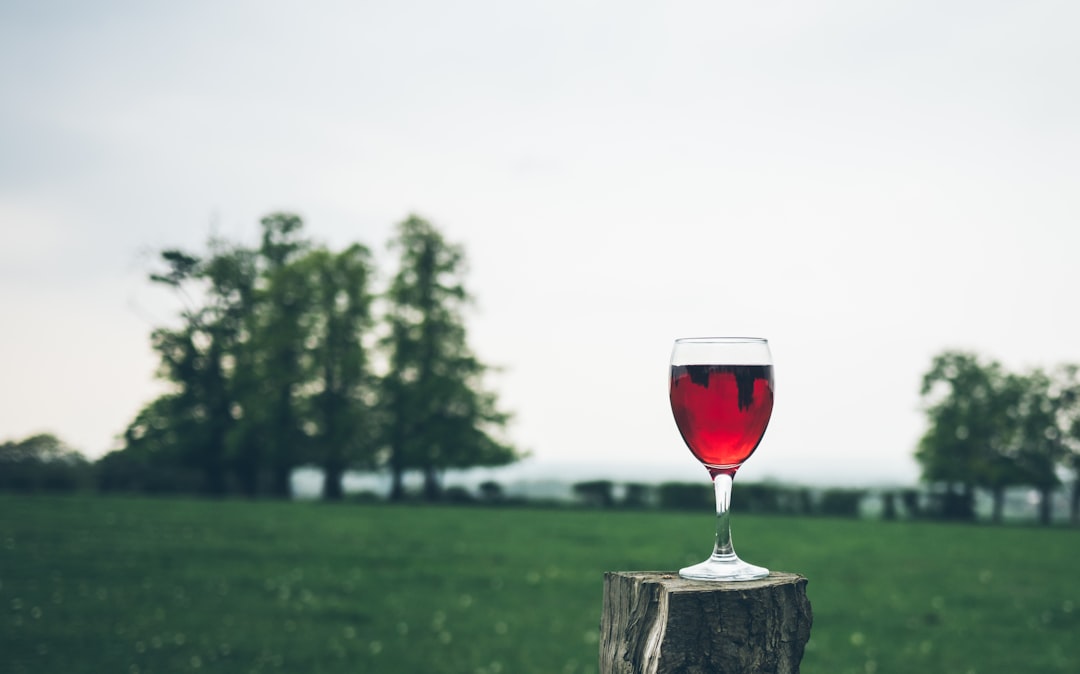
There is a moment every summer when the bottle of Cabernet you opened with dinner starts to feel like a mistake. The room is warm, the wine is warm, the tannins feel thicker than they should, and the only thing you actually want is something cold. Most people reach for a rosé or a white at that point. The smarter move is to chill a red.
Serving red wine cold is not a hack or a recent trend. It is how a lot of the world has drunk red wine for centuries: a stone-cool cellar, a bottle pulled out fifteen minutes before lunch, and a glass that refreshes rather than weighs you down. The trick is choosing the right reds. Heavy, tannic, oak-aged styles fall apart when chilled. The wines that thrive are light, juicy, high in acidity, and low in tannins. Here are eight to put in the ice bucket this summer, with a quick guide to why this works and how to serve them properly.
Why Chilling Red Wine Works
Three things happen when you drop a red wine’s temperature from a warm room to around 13 degrees Celsius.
First, alcohol becomes less obvious. At 22 degrees, a wine that is 14 percent alcohol can feel hot and slightly burning on the palate. At 13 degrees, the same wine reads as balanced and crisp. The alcohol does not change. Your perception does.
Second, acidity sharpens. Cool temperatures make the natural acids in wine taste brighter and more refreshing. This is the same reason iced coffee and lemonade taste sharper than their warm equivalents.
Third, fruit aromatics get crisper. Red cherry, raspberry, redcurrant, and pomegranate flavours stay vivid at cooler temperatures. The plummy, jammy notes of warm red wine give way to something more transparent and lifted.
The catch is that tannins also get tighter when chilled. A wine with grippy, drying tannins will feel even more astringent cold. That is why this works only for low-tannin styles. The wines below all share three traits: bright acidity, light to medium body, and gentle tannins.
The Right Temperature
Forget “room temperature.” The phrase comes from an era when European rooms were genuinely cool. Most modern living rooms sit at 21 or 22 degrees, which is too warm for almost any red wine.
The target zone for chilled reds is 12 to 14 degrees Celsius. That is colder than a typical wine cellar but warmer than the fridge. The easiest way to get there is to put the bottle in the fridge for 30 to 45 minutes before serving, or in an ice bucket for 15 minutes. If it feels slightly too cold when you pour, that is correct. The wine will warm two or three degrees in the glass within minutes.
For lighter styles like Beaujolais or Frappato, you can push slightly cooler (10 to 12 degrees). For richer chillable reds like a serious Pinot Noir or a mature Cabernet Franc, stay closer to 14 or 15. Trust the wine and your glass: if the fruit feels muted and the wine seems hollow, it is too cold. Let it warm.
The 8 Picks
1. Beaujolais Cru (Fleurie, Chiroubles, or Brouilly)
If you read only the headlines of this article, read this entry. Beaujolais is the original chilled red, and the ten Crus produce some of the most rewarding hot-weather wines on the planet. Gamay has everything you want for summer drinking: bright cherry and raspberry fruit, a floral lift, low tannins, and refreshing acidity. The granite soils of the Beaujolais Crus add a mineral spine that keeps these wines from feeling simple.
Start with a Fleurie for elegance, a Chiroubles for the lightest, most ethereal expression, or a Brouilly for something rounder and more generous. Producers like Jean Foillard, Marcel Lapierre, Yvon Métras, and Julien Sunier are the names to trust. Most bottles sit in the 18 to 35 dollar range.
Pairing: Charcuterie, roast chicken, salade niçoise, anything from a French market.
For a deeper dive, see our full Beaujolais wine guide.
2. Pinot Noir (Cool-Climate, Village Level)
Not every Pinot Noir handles chilling. The big, oaky, alcoholic style from warm-climate regions like Russian River or Central Coast California turns hollow and tannic when cold. But the lighter, mineral-driven Pinots from cool regions are spectacular slightly chilled.
Look for village-level Burgundy (anything labelled simply “Bourgogne” or from cooler appellations like Marsannay), Willamette Valley Pinot from producers like Eyrie or Bethel Heights, German Spätburgunder from the Ahr or Baden, or a Sancerre Rouge (yes, the Loire makes a Pinot Noir that is purpose-built for ice buckets).
Pairing: Grilled salmon, mushroom dishes, duck breast served pink, or simply a plate of cheese.
3. Frappato or Cerasuolo di Vittoria
Sicily produces one of the most underrated chillable reds in Italy. Frappato is a light, almost translucent grape with bright cherry and floral notes and a refreshing finish. On its own, it is a perfect summer red. Blended with Nero d’Avola in the Cerasuolo di Vittoria DOCG, it gains a touch more body and depth without losing its refreshing character.
Producers like COS, Arianna Occhipinti, and Valle dell’Acate are essential. These wines drink beautifully young and reward gentle chilling.
Pairing: Caponata, grilled vegetables, pasta with tomato and basil, or a fennel and orange salad.
4. Loire Cabernet Franc (Chinon, Bourgueil, Saumur-Champigny)
Cabernet Franc from the Loire Valley is one of the great hot-weather reds. The grape brings savoury notes (graphite, bell pepper, raspberry leaf) layered over bright red fruit, with moderate tannins and excellent acidity. A cool Chinon from a producer like Bernard Baudry or Charles Joguet, served at 13 degrees, is a transformative summer wine.
The key is to look for the lighter, fruit-forward bottlings rather than the heavily extracted, oak-aged single-vineyard reserves. The simpler the cuvée, the better it chills.
Pairing: Roast pork, goat cheese, lentil salads, grilled aubergine, or anything off a wood fire.
5. Etna Rosso
Nerello Mascalese, the indigenous red grape grown on the slopes of Mount Etna, produces wines that genuinely surprise people on first taste. They have the colour and weight of Pinot Noir, the mineral edge of Burgundy, and a distinctive volcanic smokiness all their own. They also chill beautifully.
The best summer Etna Rosso comes from younger vintages and lighter producers. Look at Tenuta delle Terre Nere’s entry-level bottling, Pietradolce’s Archineri, or anything from Frank Cornelissen at the more affordable end of his range. Serve cool, not cold.
Pairing: Pizza margherita, grilled sardines, pasta alla Norma, or aged pecorino.
6. Valpolicella Classico (Not Amarone)
There are two completely different worlds inside the Valpolicella appellation. Amarone is the famous big-shouldered red, made from dried grapes, that nobody should ever chill. But Valpolicella Classico (the simpler, fresh version) is a juicy, cherry-bright blend of Corvina, Rondinella, and Molinara that does exactly what you want from a summer red.
Producers like Pieropan, Brigaldara, and Tommasi make Classico bottlings that punch above their price. Expect to pay 12 to 20 dollars and serve at 13 degrees.
Pairing: Spaghetti with fresh tomato sauce, risotto, charcuterie, or grilled chicken with herbs.
7. Jura Trousseau or Poulsard
This is the most unusual pick on the list, and the one most worth seeking out. The Jura region, tucked between Burgundy and the Swiss border, produces ethereally light reds from two unusual grapes: Trousseau and Poulsard. The colour is so pale it can look like dark rosé. The fruit is bright and red-fleshed. The acidity is electric.
These wines are not always easy to find, and they are not cheap. But a chilled bottle of Poulsard from a producer like Domaine Tissot or Domaine de la Pinte is an experience you will remember. Treat them like white wines: serve at 10 to 12 degrees, in white wine glasses, with light food.
Pairing: Trout, smoked salmon, mushroom risotto, or charcuterie. Comté cheese is the classic regional match.
8. Mencía from Bierzo or Ribeira Sacra
Mencía is the dark horse of Spanish red grapes. Grown on slate and granite slopes in the northwestern regions of Bierzo and Ribeira Sacra, it produces wines with the perfume of Pinot Noir, the freshness of Cabernet Franc, and a distinctive savoury, almost graphite quality. The best bottles have extraordinary precision for the price.
Look for entry-level bottlings from producers like Raúl Pérez, Dominio do Bibei, Algueira, and Guímaro. These wines drink beautifully chilled and bring something Spanish to a category dominated by France and Italy.
Pairing: Grilled octopus, paella, pimientos de Padrón, or roast lamb.
Service Tips That Actually Matter
A few details that make the difference between a good chilled red and a great one.
- Use a proper glass. A Burgundy bowl or a universal red wine glass works for all eight wines above. Skip the small tumblers and the all-purpose wine glasses that come in cheap sets. Aromatics matter more, not less, when wine is cold.
- Open just before serving. These are not wines that need an hour of decanting. They show best when poured straight from the bottle. If a wine feels closed in the first sip, give it five minutes in the glass and try again.
- Re-chill between glasses. A bottle on a warm patio table loses temperature fast. Keep the bottle in an ice bucket or a wine sleeve between pours, especially in direct sun.
- Drink it within two days. Light reds oxidise faster than heavy ones. Once open, recork, refrigerate, and finish within 48 hours. Most of these wines will actually taste better on day two if kept cold.
How Many Bottles to Buy
For a casual outdoor lunch for four people across two or three hours, plan on three bottles. Mix styles: one Beaujolais Cru, one Loire Cabernet Franc, and one Frappato or Mencía gives you variation without overwhelming anyone. For an evening dinner party of six to eight people, double those numbers and add a sparkling wine for the start.
If you are stocking a holiday cellar or a beach house for the season, the entry-level Beaujolais (Brouilly or Beaujolais-Villages), a young Pinot Noir from Oregon or Burgundy, and a Valpolicella Classico are the three workhorses. Buy them by the case from a wine shop that will negotiate on quantity. If you are unsure which styles suit your palate, the free wine quiz gives you a starting point in two minutes.
What to Skip
To avoid disappointment, leave these styles at room temperature or save them for cooler months:
- Cabernet Sauvignon, Syrah, Malbec, Nebbiolo. High tannins clash with cold temperatures.
- Amarone, Châteauneuf-du-Pape, Napa Cabernet. Too rich, too alcoholic, too structured.
- Heavily oaked Tempranillo or Rioja Gran Reserva. Oak and chilling do not mix.
- Young, tannic Barolo or Brunello. These wines need time and warmth to show. Cold service flattens them.
There are exceptions. A mature Rioja Reserva that has softened with age, or a 15-year-old Burgundy with delicate tannins, can be lightly chilled successfully. But for general summer drinking, the eight styles above will not let you down.
Explore with Sommo
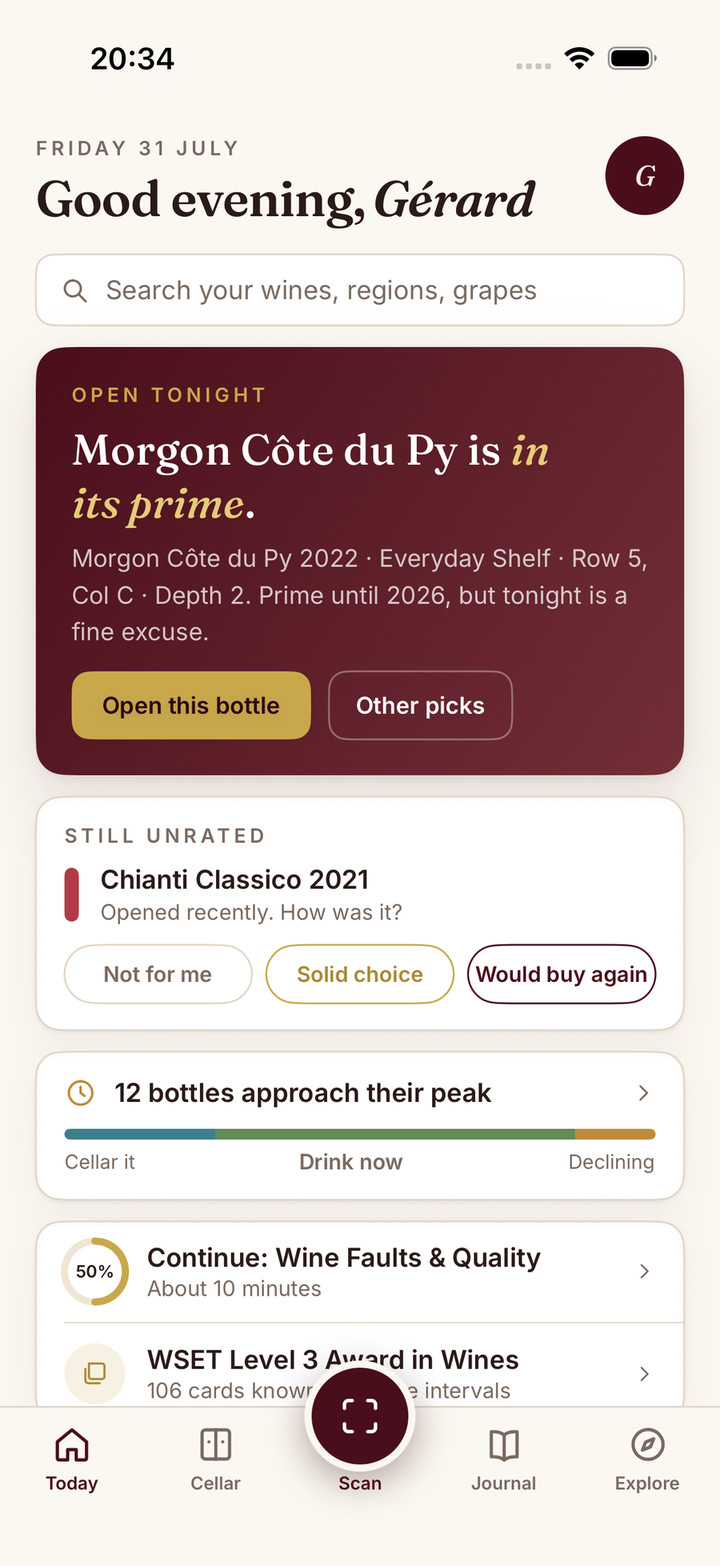
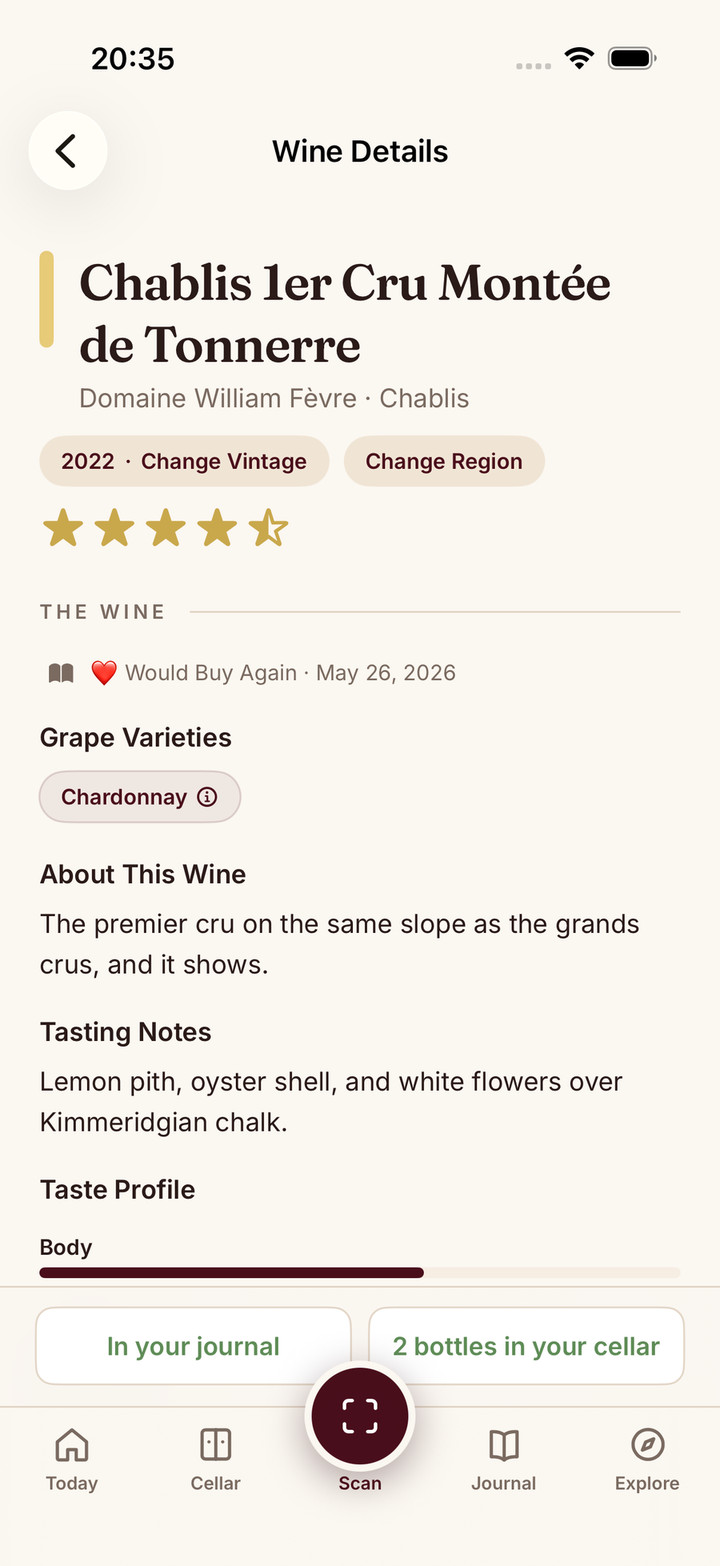
Building a personal map of chillable reds is one of the most useful summer wine projects. The styles vary by region, by producer, and by vintage, and the bottles you discover this summer will become the workhorses of your future hot-weather drinking. Sommo lets you scan each bottle, save tasting notes with structured prompts, and track which producers and vintages worked best for outdoor drinking. The AI also reads your preferences over time and surfaces similar wines worth trying.
Download Sommo free and keep a record of every wine that makes it into the ice bucket this summer.