If you like sweet wine, the wine world has spent the last forty years quietly telling you that you should not. Modern wine culture worships dry wines. Sweet wines have become the category to apologise for. Beginners who genuinely enjoy a sweeter glass often hide it, picturing themselves as somehow unserious or unsophisticated.
The truth is the opposite. Sweet wine is the older, more historically prestigious category. For most of wine’s 5,000-year history, the most expensive and revered bottles were sweet. Roman emperors paid fortunes for Tokaji. Russian tsars treasured Hungarian dessert wines. Bordeaux’s Sauternes was a luxury commodity centuries before its dry red wines were taken seriously. The dismissal of sweet wine is a modern, mostly North American phenomenon, and it is starting to fade.
This guide is for anyone who likes sweet wines and wants to drink them with knowledge, or for anyone curious about the category and unsure where to start. We will cover the main styles, the producers worth knowing, the price tiers, and how to pair sweet wines with food. The world of sweet wines is vast, complex, and one of the most rewarding categories in wine for anyone willing to take it seriously.
How Wines Get Sweet
Sweetness in wine comes from residual sugar, which is the grape sugar that did not convert to alcohol during fermentation. Three main techniques produce sweet wine.
Stopping fermentation early. The winemaker chills the fermenting wine or adds sulphur dioxide, halting the yeast before all the sugar has been converted. Common for German Riesling Spätlese and Auslese styles.
Concentrating the grape’s sugar before fermentation. Done either by leaving grapes on the vine until they shrivel (late harvest), by allowing noble rot (botrytis) to dehydrate them on the vine, by freezing them for ice wine, or by laying them out on mats to dry (passito or appassimento). All these methods reduce water and concentrate sugar before fermentation begins.
Fortification. Adding grape spirit to a partially fermented wine. The alcohol kills the yeast, stopping fermentation while plenty of sugar remains. This is how Port, Madeira, and many Sherries are made.
Each method produces different flavour profiles, body weights, and ageing potentials. A guide to the major categories follows, and the free wine sweetness chart shows where each style sits on the dry-to-sweet spectrum.
Style 1: Light and Easy (Moscato d’Asti, Brachetto, Lambrusco Dolce)
The entry point. Lightly sweet, low alcohol, often slightly fizzy, designed for casual drinking and dessert pairings.
Moscato d’Asti is the headline category. Made in Italy’s Piedmont from the Moscato Bianco grape, semi-sparkling, around 5 to 6 percent alcohol. Sweet but balanced by good acidity, with peach and orange blossom aromatics.
Producers to know: Giuseppe Rinaldi, Marco Negri, Vietti, Bera.
Price: $12 to $20.
Brachetto d’Acqui is the red version. Similar profile to Moscato d’Asti but red, with cherry and rose flavours.
Producers to know: Banfi, Marenco.
Price: $14 to $22.
How to drink: Chilled, in small glasses, with fruit-based desserts, fresh berries, or simply as an aperitif. The low alcohol makes these wines excellent for daytime drinking.
For more on Moscato, see our Moscato wine guide.
Style 2: Off-Dry German Riesling (Kabinett, Spätlese)
The most age-worthy and refined of the lower-sweetness wines. German Riesling has a centuries-old tradition of producing wines at multiple sweetness levels, each with its own purpose.
Kabinett is the entry level. Roughly half-dry, sometimes labelled “Halbtrocken.” Light, low alcohol (8 to 10 percent), elegant, food-friendly.
Spätlese (“late harvest”) is the next level. Sweeter but not dessert-level, around 8 to 9 percent alcohol. The sweet spot for off-dry drinking with food.
What it tastes like: Stone fruit (peach, apricot), citrus, sometimes a slightly petrol character with age (a positive marker, oddly). Bright acidity that balances the sweetness perfectly.
Producers to know: Joh. Jos. Prüm, Selbach-Oster, Egon Müller, Willi Schaefer, Dr. Loosen.
Price: $20 to $50 for excellent bottles. Top vineyard Spätlese from legendary producers can run $80 to $200.
How to drink: Slightly chilled, in a white wine glass. Pairs brilliantly with spicy Asian food, pork dishes, cheese plates, and anything with a sweet-sour balance.
For more on the region, see our Mosel wine region guide and Riesling wine guide.
Style 3: Auslese and Beyond (Sweet German Riesling)
The serious sweet end of the German Riesling spectrum.
Auslese is selectively-harvested late-ripening grapes, often partly affected by botrytis (noble rot). Honey, dried apricot, pronounced sweetness balanced by piercing acidity. Around 7 to 9 percent alcohol.
Beerenauslese (BA) is fully botrytised grapes, selected berry by berry. Very sweet, very concentrated, very expensive.
Trockenbeerenauslese (TBA) is the pinnacle. Individually selected, fully shrivelled, botrytis-affected berries. Some of the most concentrated wines made.
Eiswein (ice wine) is grapes harvested while frozen on the vine, pressed before they thaw. The water stays frozen; the concentrated sugar-rich juice flows. Intensely sweet and pure.
Producers to know: Egon Müller, Joh. Jos. Prüm, Reichsrat von Buhl. Egon Müller’s Scharzhofberger TBA is one of the most expensive white wines in the world.
Price: Auslese $40 to $150. BA, TBA, and Eiswein from $80 to $5,000+ depending on producer and vintage.
How to drink: Slightly chilled, in small glasses (these are sipping wines, not pouring wines). Pairs with foie gras, blue cheese, fruit-based desserts, or simply on its own.
Style 4: Sauternes and Bordeaux Sweet Wines
The French answer to the great sweet wine tradition. Sauternes is produced in a small region southeast of Bordeaux, where morning mists rising from the Garonne and Ciron rivers create perfect conditions for botrytis. The result is a sweet wine of profound complexity: honey, dried apricot, marmalade, vanilla, sometimes truffle with great age.
The hierarchy:
- Sauternes: The classic region.
- Barsac: A village within Sauternes that can be labelled either way.
- Cérons, Loupiac, Sainte-Croix-du-Mont: Less famous neighbouring regions, often outstanding value.
- Monbazillac: Just outside Bordeaux, similar style at lower prices.
Producers to know: Château d’Yquem (the most famous Sauternes, often the most expensive), Château Climens, Château Rieussec, Château Suduiraut, Château Coutet.
Price: Yquem $300 to $1,000+ (depending on vintage). Other premier classified-growth Sauternes $40 to $150. Loupiac and Sainte-Croix-du-Mont can be $20 to $40.
How to drink: Slightly chilled, in small glasses. Pairs with foie gras (the iconic pairing), Roquefort and other blue cheeses, fruit tarts, and many Asian dishes with sweet-spicy profiles.
Style 5: Tokaji Aszú
The Hungarian dessert wine tradition that predates almost every other sweet wine category. Tokaji Aszú is made in the Tokaj region of Hungary from grapes selectively affected by botrytis. The wine has been produced since the 1500s and was famously the favourite of Russian tsars and European royalty.
What it tastes like: Honey, dried apricot, orange peel, smoke, sometimes saline minerality. Less heavy than Sauternes, more piercing acidity, often more aromatic complexity.
The sweetness hierarchy: Tokaji Aszú is graded by puttonyos (number of baskets of botrytised grapes added per cask), now standardised at 5 or 6 puttonyos. 6 puttonyos is sweeter.
Producers to know: Disznókő, Royal Tokaji, Oremus, István Szepsy.
Price: $40 to $200 for serious bottles. 500 ml bottle format is standard.
How to drink: Chilled, in small glasses. Pairs with similar foods to Sauternes but also handles spicy foods exceptionally well.
Style 6: Port (Fortified Sweet Red Wine)
The Portuguese tradition of fortifying partly fermented wine with brandy. Sweet, high in alcohol (around 20 percent), built to age, and one of the great traditional dessert wines.
The major styles:
- Ruby Port: Young, fruity, simple. $15 to $25. Drink within 5 to 10 years of release.
- Tawny Port (10, 20, 30, 40 year): Oxidatively aged, nutty, complex. $25 to $200+ depending on age. Ready when released.
- Late Bottled Vintage (LBV): A single-vintage tawny-style aged in cask. $25 to $40.
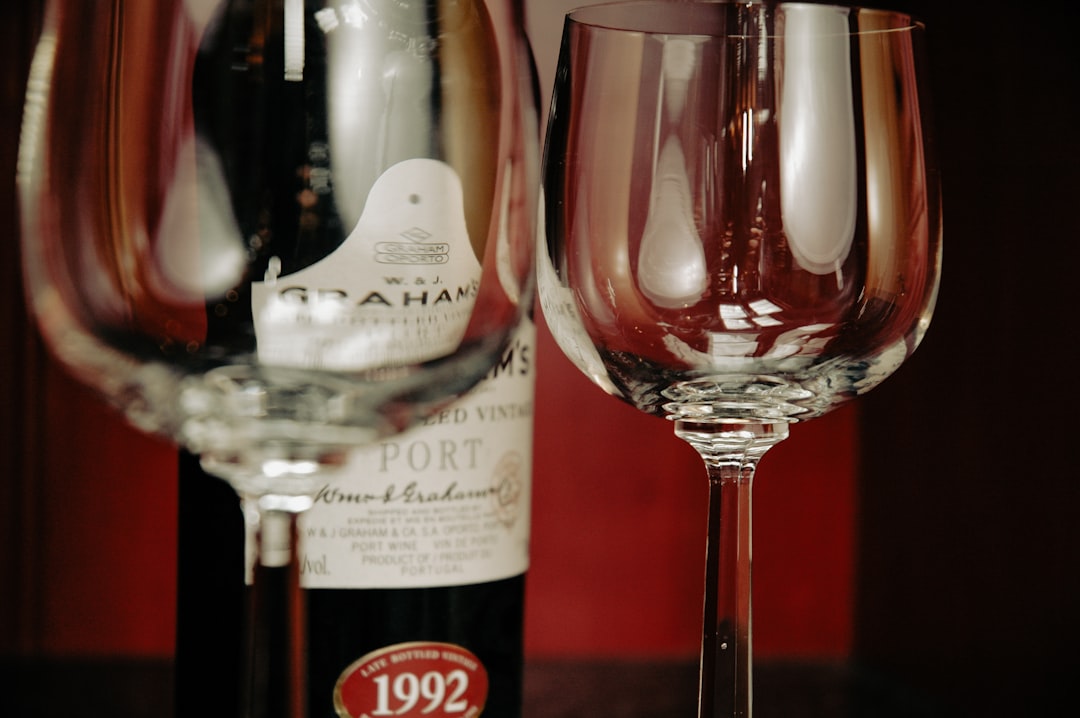
- Vintage Port: The pinnacle. Made only in declared years. Built for 20 to 60+ years of bottle ageing. $50 to $300+ at release.
Producers to know: Taylor Fladgate, Fonseca, Quinta do Noval, Graham’s, Niepoort, Dow’s, Croft.
How to drink: Room temperature for Vintage Port. Slightly cooler for Tawny. Small glasses. Pairs with Stilton (the iconic match), dark chocolate, walnuts, and aged hard cheeses.
For more, see our Port wine guide and Douro Valley wine region guide, or test yourself with the free WSET Level 2 fortified wines quiz.
Style 7: Sherry (Cream, PX, Moscatel)
While most Sherry is dry (Fino and Manzanilla), several Sherry styles are sweet.
Pedro Ximénez (PX) is one of the sweetest wines on earth. Made from sun-dried Pedro Ximénez grapes, then fortified. Black as ink, syrupy, with notes of fig, raisin, molasses, and coffee.
Cream Sherry is sweetened from blends. Less serious but pleasant.
Moscatel Sherry is from Moscatel grapes, lighter and more floral than PX.
Producers to know: Lustau, Hidalgo, González Byass, Toro Albalá.
Price: $15 to $80, depending on age and producer.
How to drink: Small glasses, slightly chilled or at cool room temperature. PX over vanilla ice cream is one of the great dessert pairings on earth.
Style 8: Italian Passito (Vin Santo, Recioto, Passito di Pantelleria)
The Italian tradition of drying grapes on mats before fermentation, concentrating their sugars naturally.
Vin Santo (Tuscany): Often made from white grapes (Trebbiano, Malvasia), aged in small barrels for years. Honey, raisin, walnut. The traditional pairing is with cantucci biscuits.
Recioto della Valpolicella (Veneto): A sweet red version of Valpolicella. Cherry, plum, chocolate.
Passito di Pantelleria (Sicily): Made from sun-dried Zibibbo (Muscat of Alexandria) grapes. Orange, apricot, honey, with intense aromatics.
Price: $25 to $100 for serious bottles.
How to drink: With biscuits for dipping (Vin Santo), with chocolate desserts (Recioto), or on their own as a meditation wine.
Style 9: Late-Harvest Wines (Various Regions)
A category that produces sweet wine without botrytis, simply by leaving grapes on the vine to overripen. Less complex than botrytised wines but generally cheaper and very pleasant.
Producers and regions:
- California: Many producers (Quady’s Essensia from Orange Muscat is excellent).
- South Africa: Constantia (Klein Constantia Vin de Constance is legendary).
- Canada: Niagara ice wine producers (Inniskillin, Pillitteri).
- Australia: Rutherglen Muscat producers (Chambers, Stanton & Killeen).
Price: $20 to $100 depending on style.
How to Pair Sweet Wines With Food
The rule that works: match the sweetness of the wine to the sweetness of the food, or balance with savouriness. Pair sweet wines with:
- Foie gras (Sauternes, Tokaji, Auslese)
- Blue cheese (Sauternes, Port, Tokaji)
- Fruit-based desserts (Moscato d’Asti, Spätlese)
- Chocolate desserts (Port, PX Sherry, Recioto)
- Spicy Asian food (Auslese, Spätlese, Gewürztraminer)
- Foie gras and pâté (Sauternes, Tokaji)
- Hard aged cheeses (Vintage Port, Tokaji)
Avoid pairing sweet wines with very dry foods. The wine will overwhelm. For more pairing principles, see how to pair wine with food and our Asian food pairing guide.
The Beginner’s Sweet Wine Cellar
If you want to explore the category, six bottles will cover most of the territory:
- A Moscato d’Asti ($15): Vietti or Bera.
- A Spätlese from Mosel ($25 to $35): Joh. Jos. Prüm or Selbach-Oster.
- A Sauternes ($40 to $60): Château Suduiraut or Château Coutet.
- A Vintage Port ($60 to $80): Taylor Fladgate or Graham’s.
- A Tokaji Aszú 5 Puttonyos ($50 to $80): Royal Tokaji or Disznókő.
- A bottle of PX Sherry ($25 to $40): Lustau Don PX.
Tasting these back-to-back is one of the great wine educations. The same category, six completely different expressions.
A Note on Aging
Sweet wines age extraordinarily. Sugar and acidity are both preservatives, and the best examples of every style can hold for decades or longer.
- Moscato d’Asti and light sweet wines: 1 to 2 years.
- Spätlese: 10 to 20 years.
- Auslese: 15 to 30 years.
- Sauternes: 20 to 50 years from top vintages.
- Tokaji Aszú: 30 to 100+ years.
- Vintage Port: 20 to 60 years.
- Madeira: Effectively immortal.
- PX Sherry: Holds for decades after bottling but does not improve.
For more on ageing, see our wine ageing cheat sheet.
Why Sweet Wine Has Such a Bad Reputation
A few honest observations about why sweet wines are underappreciated.
Mass-market sweet wines damaged the category. Cheap white Zinfandel, sweet Lambrusco, and supermarket Moscato made many drinkers associate “sweet” with “low quality.” The serious sweet wines have nothing in common with these mass-market examples.
Modern wine culture worships dry. The shift toward drier wines in the late 20th century created an implicit hierarchy: dry was sophisticated, sweet was naive. This is a recent prejudice, not a historical truth.
Sweet wines are often misused. They are typically served too warm, in glasses that are too large, with foods that overwhelm them. When used correctly, they shine.
Marketing budgets are smaller. Big sweet wine producers (especially in Hungary, Germany, Portugal) often have smaller marketing reach than the giants of dry red wine. The wines are excellent; the awareness is low.
Explore with Sommo
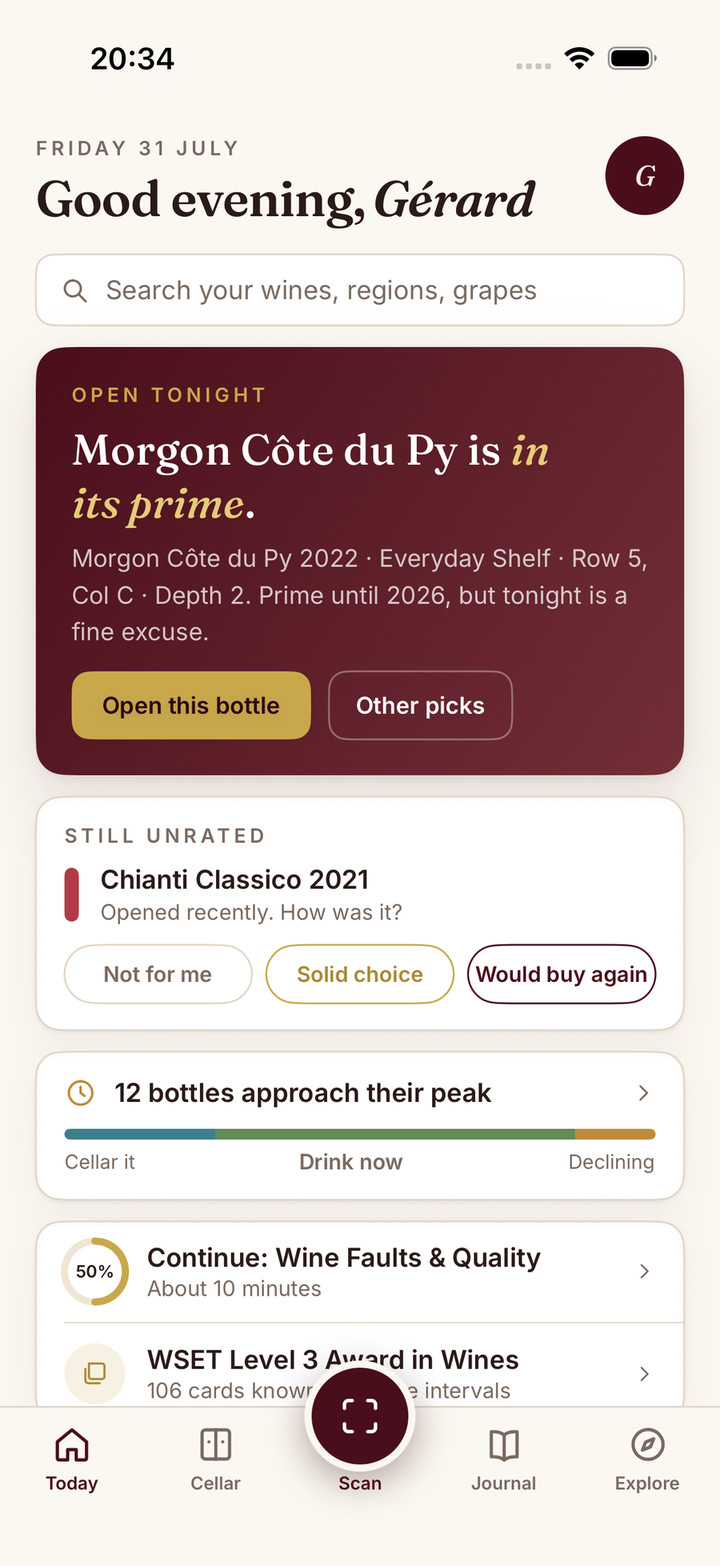
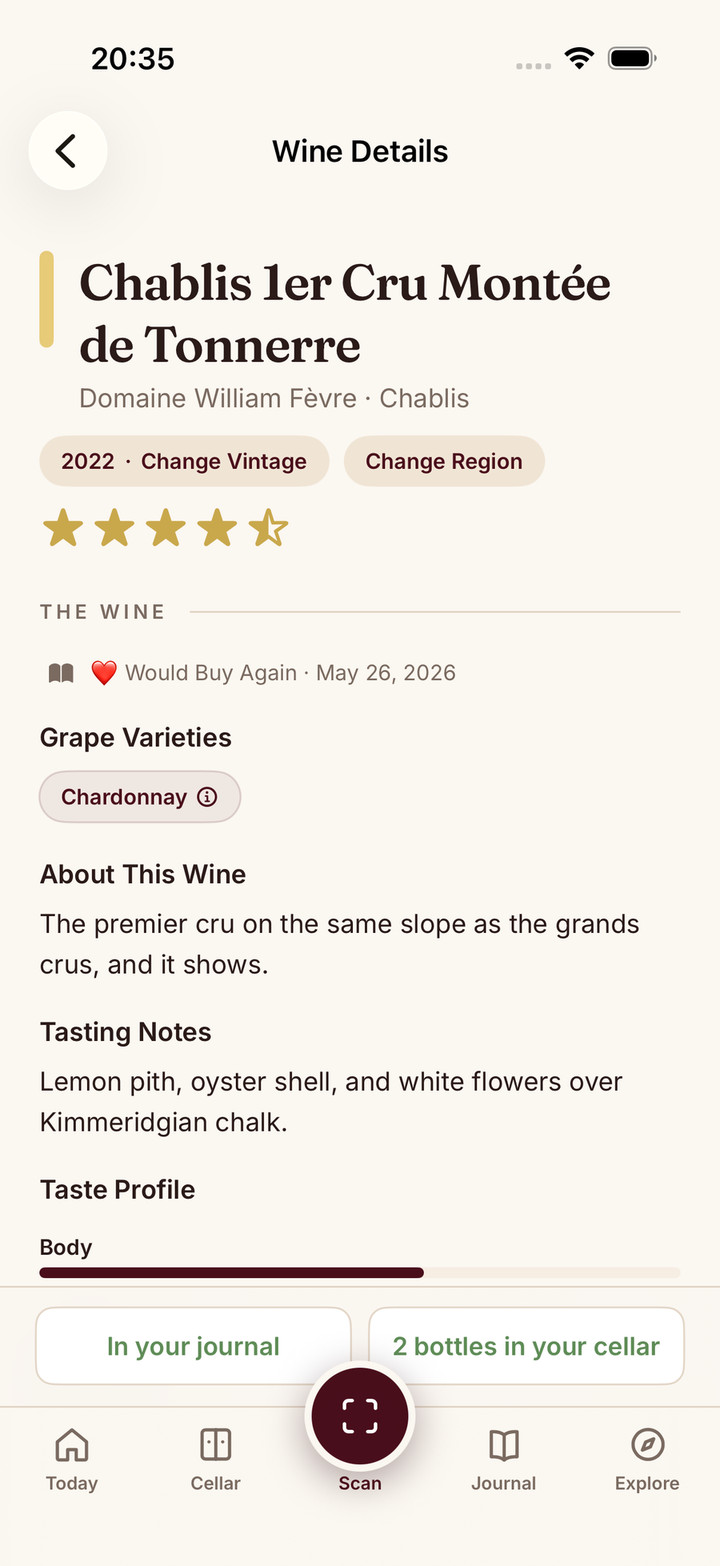
Sweet wine is a category that rewards careful exploration. The styles vary dramatically and the price-to-quality relationships are different from dry wine. Sommo lets you log each sweet wine you try, save tasting notes through the WSET framework, and build a record that helps you remember which producers and styles consistently deliver. The category-level patterns that emerge are often surprising and dramatically improve your buying.
Download Sommo free and rediscover the most underrated category in wine.