Argentine Wine Guide: Malbec, Mendoza, and More
Argentina produces some of the world's best-value wines, led by Malbec from Mendoza. Here's everything you need to know about Argentine wine regions, grapes, and bottles worth buying.
Argentina is the fifth-largest wine-producing country in the world, and for most people, it means exactly one thing: Malbec. That’s understandable – Argentine Malbec is one of wine’s great success stories, a grape that was essentially abandoned in its French homeland and found its ultimate expression 7,000 miles away in the foothills of the Andes.
But reducing Argentina to Malbec alone is like reducing Italy to Chianti. There’s far more happening here, and much of it is world-class.
Why Argentina Matters
Argentina’s wine industry has a unique advantage: altitude. While most of the world’s vineyards sit below 500 metres, Argentine vineyards routinely sit at 800-1,500 metres, with some pushing above 3,000 metres in Salta. At altitude, the intense UV radiation thickens grape skins (producing more colour, tannin, and flavour compounds), while the dramatic day-to-night temperature swings preserve natural acidity.
The result is wines with ripe, generous fruit, deep colour, and a freshness that warmer-climate wines at sea level can’t match. Add in extremely low labour costs and vast land availability, and you get extraordinary quality at prices that make most wine regions look expensive.
The Grapes
Malbec (The Star)
Malbec is Argentina’s calling card. Originally from Cahors in southwest France (where it makes dark, tannic, and often austere wines), Malbec found its sweet spot in Mendoza. Argentine Malbec is:
- Deeply coloured – almost inky purple
- Rich and plush – dark plum, blackberry, black cherry
- Violet-scented – a distinctive floral lift
- Smooth-textured – softer tannins than in Cahors
- Versatile – from easy-drinking $8 bottles to serious $100+ single-vineyard wines
Cabernet Sauvignon
Argentina’s second most planted red grape. Often blended with Malbec, but increasingly impressive as a single varietal, especially from Agrelo and Perdriel in Mendoza.
Bonarda (Douce Noir)
Argentina’s most planted red grape by acreage (though Malbec gets all the attention). Bonarda produces juicy, fruity, low-tannin reds that are excellent value and perfect for everyday drinking. Think of it as Argentina’s answer to Beaujolais.
Torrontés
Argentina’s signature white grape. Highly aromatic – think roses, lychee, and citrus peel – with a crisp, dry finish. It’s most associated with the high-altitude vineyards of Salta. If you enjoy Viognier or Gewürztraminer, you’ll likely enjoy Torrontés.
Other Whites
Chardonnay and Sauvignon Blanc are widely planted. Sémillon has a long history in Argentina and can be excellent from old vines.
The Regions
Mendoza
The big one. Mendoza produces roughly 70% of all Argentine wine. It’s a large, diverse region with several important subzones:
Luján de Cuyo: The historic heart of quality Argentine wine. Home to Perdriel, Agrelo, and Vistalba. Medium altitude (800-1,100m). Produces structured, complex Malbec and Cabernet.
Valle de Uco: The region’s quality frontier. Three subzones – Tupungato, Tunuyán, and San Carlos – at higher altitudes (1,000-1,500m). Cooler temperatures produce wines with more acidity, mineral tension, and elegance. The best single-vineyard Malbecs increasingly come from here.
Maipú: Warmer and lower than Luján. Riper, more generous styles. Good value territory.
East Mendoza: The volume zone. Mostly simple, inexpensive wines for domestic consumption and bulk export.
Salta (Cafayate)
Located in northwest Argentina, Cafayate sits at 1,700 metres and produces Argentina’s best Torrontés along with excellent high-altitude Malbec and Cabernet. The extreme UV exposure creates intensely coloured, concentrated wines. Colomé and Bodega El Esteco are producers worth seeking out.
Patagonia (Río Negro and Neuquén)
Argentina’s coolest wine region, influenced by southern latitude rather than altitude. Pinot Noir and Chardonnay are the stars here, though Malbec can be excellent in a more restrained, aromatic style. Bodega Chacra makes some of South America’s most exciting Pinot Noir from old, ungrafted vines.
San Juan
Argentina’s second-largest producing region. Historically a bulk wine zone, but premium pockets – particularly Pedernal at 1,400m+ altitude – are producing increasingly serious wines.
What to Buy: A Starter Guide
Under $12 – Everyday Drinkers
- Alamos Malbec, Mendoza (~$10): The reliable gateway. Plummy, smooth, easy
- Trapiche Pure Malbec (~$10): Clean fruit, no oak, straightforward
- Crios Torrontés, Salta (~$11): Floral, aromatic, refreshing white
$12-20 – The Sweet Spot
- Catena Malbec, Mendoza (~$16): A step up in complexity and structure. Outstanding value
- Zuccardi Serie A Malbec (~$15): From Valle de Uco. Fresh, mineral, modern
- Susana Balbo Signature Malbec (~$18): Rich and polished. One of the best at this price
- Bodega Colomé Estate Malbec, Salta (~$18): High-altitude intensity and freshness
$20-40 – Serious Wine
- Catena Alta Malbec (~$30): Single-vineyard selections from Catena’s best parcels. Genuine complexity
- Zuccardi Concreto Malbec (~$28): Fermented in concrete eggs. Textural and mineral
- Achaval-Ferrer Malbec, Mendoza (~$25): Dark, concentrated, built for ageing
- Salentein Single Vineyard Malbec, Valle de Uco (~$25): Elegant and precise
$40+ – The Icons
- Catena Zapata Malbec Argentino (~$80): The wine that proved Argentine Malbec could be world-class
- Zuccardi Piedra Infinita (~$90): Valle de Uco’s grand statement
- Bodega Chacra Barda/Treinta y Dos Pinot Noir (~$25-60): Patagonian Pinot from pre-phylloxera vines
Food Pairing
Argentine wine and Argentine food are inseparable. The obvious pairing is Malbec with asado (Argentine barbecue) – the wine’s plush fruit and moderate tannins complement grilled beef perfectly.
Beyond steak:
- Malbec with empanadas, lamb, hard cheeses, or anything off the grill
- Bonarda with pizza, pasta, and casual meals
- Torrontés with spicy food, ceviche, fresh salads, and goat cheese
- Cabernet Sauvignon with braised meats and rich stews
The Argentina Value Proposition
What makes Argentine wine special isn’t just quality – it’s the quality-to-price ratio. A $15 Argentine Malbec regularly competes with $30-40 wines from California, Australia, or France. A $30 single-vineyard bottling can rival wines costing three times as much from Napa or Bordeaux.
This value won’t last forever. As international recognition grows and production costs rise, prices are gradually climbing, particularly for Valle de Uco and single-vineyard wines. Now is the time to explore.
Start scanning Argentine wines with Sommo to build your tasting history and discover which subregions and producers match your palate.
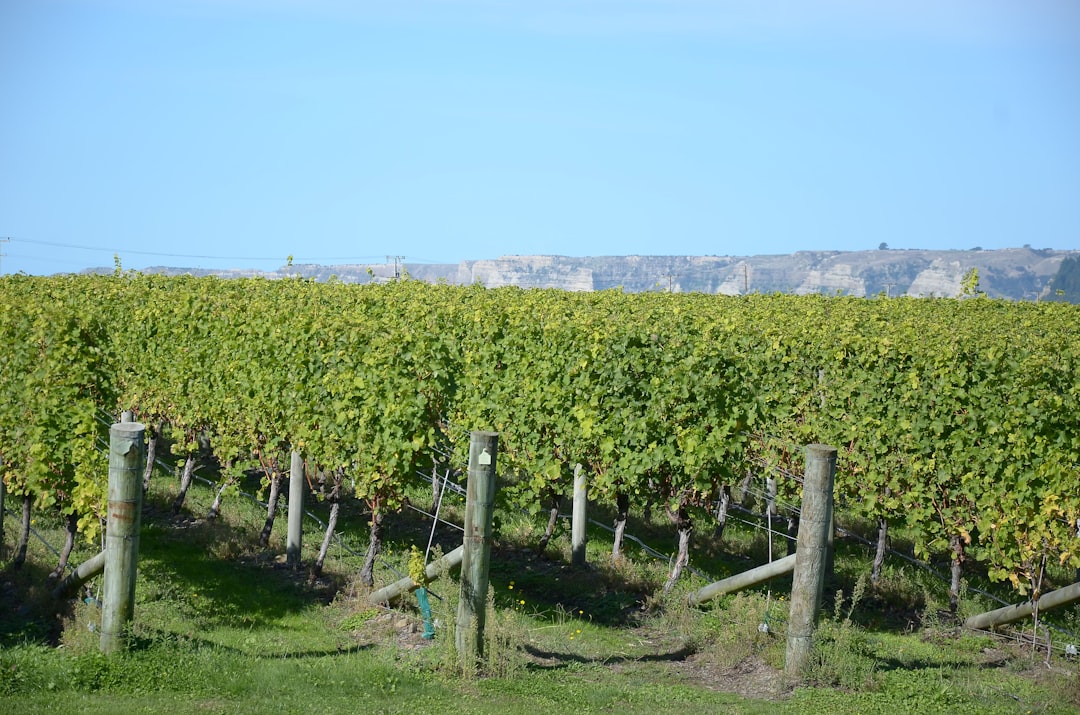
Photo by Immo Wegmann on Unsplash